
 雷科技





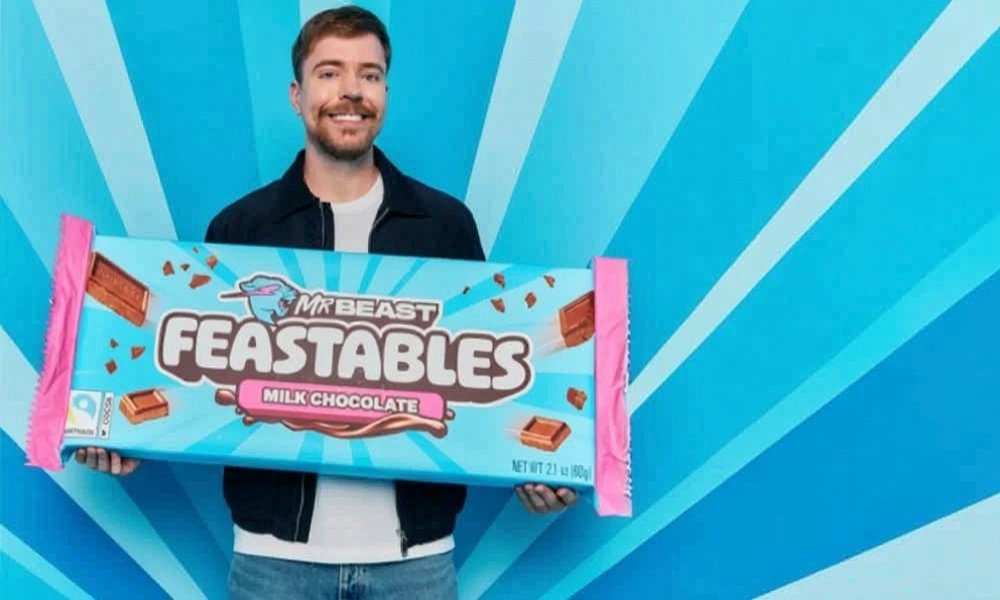

On November 4, news emerged that MrBeast (Jimmy Donaldson), the world's biggest internet personality with 800 million followers across platforms, has seen his signature challenge-video business lose money for three consecutive years.
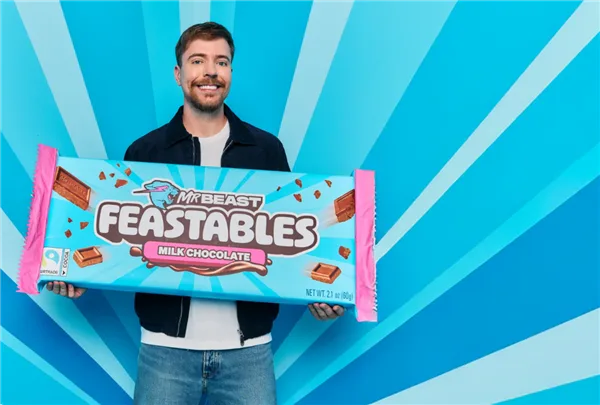
What is actually holding up his business empire is his self-created snack brand, Feastables, which specializes in chocolate.
Source: Weibo
Anyone who watches videos from overseas creators is probably familiar with MrBeast. He rose to internet fame by producing all kinds of outrageous challenges, such as surviving 100 days on a deserted island and randomly giving away millions of dollars to strangers. Each video is a massive production, with individual projects often costing hundreds of thousands or even millions of dollars.
Many people assume that an internet celebrity of this scale can easily make a fortune through platform revenue sharing and brand sponsorships alone.
However, industry insiders point out that producing these videos is actually not very profitable, with many projects even losing money.
What has truly driven MrBeast's wealth to new heights and set him apart from other internet influencers is, surprisingly, a snack business that seems to have little to do with video creation.
According to Xiaolei Bibi (ID: xiaoleibbb), MrBeast's own snack brand, Feastables, focuses on products such as chocolate and energy bars.
Within just a few years of its launch, the brand's sales had exceeded US$1 billion, placing it among the leading players in the American snack market.
Beyond chocolate, MrBeast has also expanded into other food businesses, including MrBeast Burger, a virtual burger brand, and Lunchly, a ready-to-eat meal brand, continuing to explore the affordable fast-moving consumer goods market.
By selling these everyday snack products, he has transformed himself from an internet content creator into a brand owner, earning more than ten times what he makes from producing videos.
This business model reminds Xiaolei of MediaStorm (影视飓风), one of Bilibili's top content creators in China. After building a following of millions through video content, the team went on to make considerable money by selling clothing.

Image source: Taobao screenshot
MediaStorm's account focuses on educational content, camera equipment reviews, and sharing practical knowledge. Its videos are highly specialized. Initially, the team relied on advertising and sponsorships to generate revenue, but later launched its own clothing brand. Today, the money earned from selling clothes may even exceed what it makes from video production.
Many Chinese internet users have joked about the team: They have turned their side business into their main business.
Looking at it now, MrBeast selling snacks and MediaStorm selling clothes follow exactly the same logic: Build an audience through content, then build a brand through physical products.
Behind both business models is an old saying: The endgame of livestreaming is selling products, and the endgame of the internet is livestream commerce.
What MrBeast has done is essentially bring China's livestream e-commerce business model to overseas markets.
First, build an audience through content, then develop and sell products directly to that audience. Rather than relying solely on platform revenue sharing and brand sponsorships, creators can take control of their own traffic and build a more stable business.
In the early days, people online often said that whenever a business model became popular overseas, China's internet industry would simply copy it and follow the trend without much thought.
But according to Xiaolei Bibi (ID: xiaoleibbb), the situation has now completely reversed. It has become a case of "Copy from China"!
Take short-form videos, for example. Chinese platforms have thoroughly mastered algorithm-driven recommendations and content ecosystems, paving the way for TikTok to eventually take the world by storm. Livestream e-commerce is another example. Overseas platforms such as TikTok Shop and Amazon Live are now adopting operational strategies inspired by China's domestic market.
Even short-form dramas, which have recently become hugely popular across Europe and the United States, are following the Chinese model of fast-paced storytelling and dramatic plot twists.
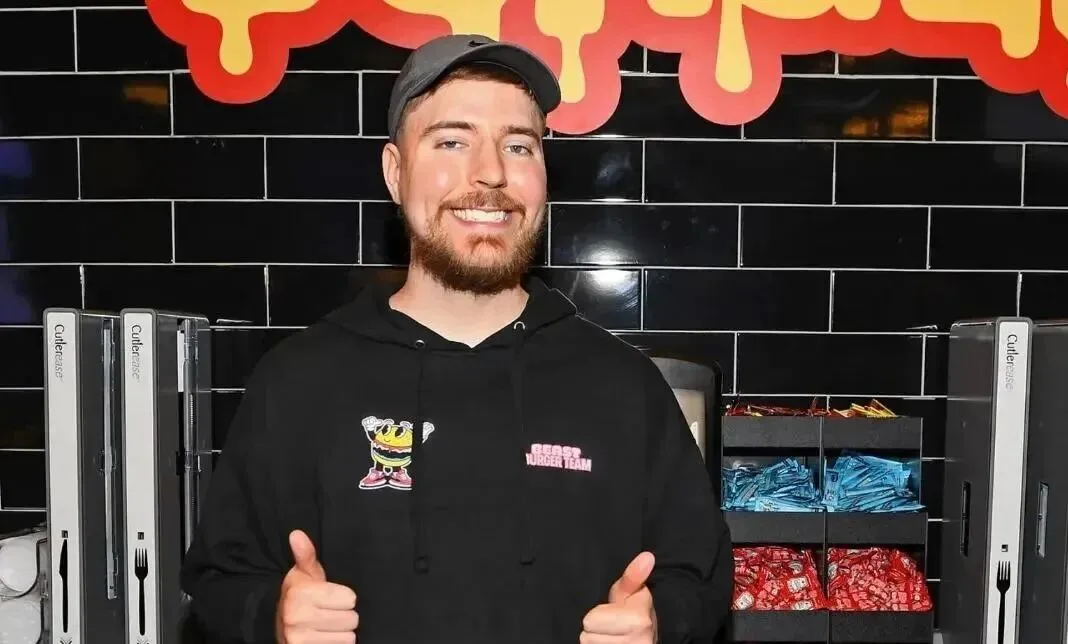
Image source: Weibo
It is no exaggeration to say that some of today's hottest internet business models, including short-form videos, livestream e-commerce, and short-form dramas, have all originated in China and expanded overseas.
Many people assume that overseas business models are more advanced and sophisticated. In reality, when it comes to monetizing online traffic and developing e-commerce strategies, China has long been ahead of the curve. MrBeast's enormous success with his own snack brand is yet another example of Chinese business strategies being successfully validated in overseas markets.
Traffic may be intangible, but a business that can turn it into real revenue is what truly matters.
Many people believe that becoming a content creator or internet celebrity is the ultimate goal. However, looking at both MrBeast overseas and MediaStorm in China, it is clear that content is really just the starting point for attracting an audience.
Of course, Xiaolei Bibi (ID: xiaoleibbb) is not suggesting that everyone must launch their own products. After all, selling products requires considerable resources and expertise. For most ordinary content creators, earning money through brand partnerships and platform revenue sharing is already a perfectly good way to generate stable income.
What do you think about MrBeast, the world's biggest internet personality, making a fortune by selling snacks? Let's discuss it in the comments!