
 雷科技






n November 3, Xiaolei noticed that the iPhone Duo has been the undisputed trending topic in tech circles lately, making headlines on hot search lists every few days.
On the eve of its launch, people across the internet claimed scoring a unit meant guaranteed profit, with buyers willing to pay premiums of over 10,000 yuan just to get one. Today, however, the narrative has flipped faster than a TV drama plot, with reports of cracked displays, heavy losses for scalpers and claims of cost-cutting on the Chinese domestic version dominating discussion.
Barely days after sales began, user complaints started surfacing online. Some reported hearing a sharp crack when unfolding their brand-new device just hours after activation, with a visible fracture right along the fold line; others encountered bright lines and white spots on the display.
For a device starting at 16,000 yuan, such fragility is frustrating for any buyer.
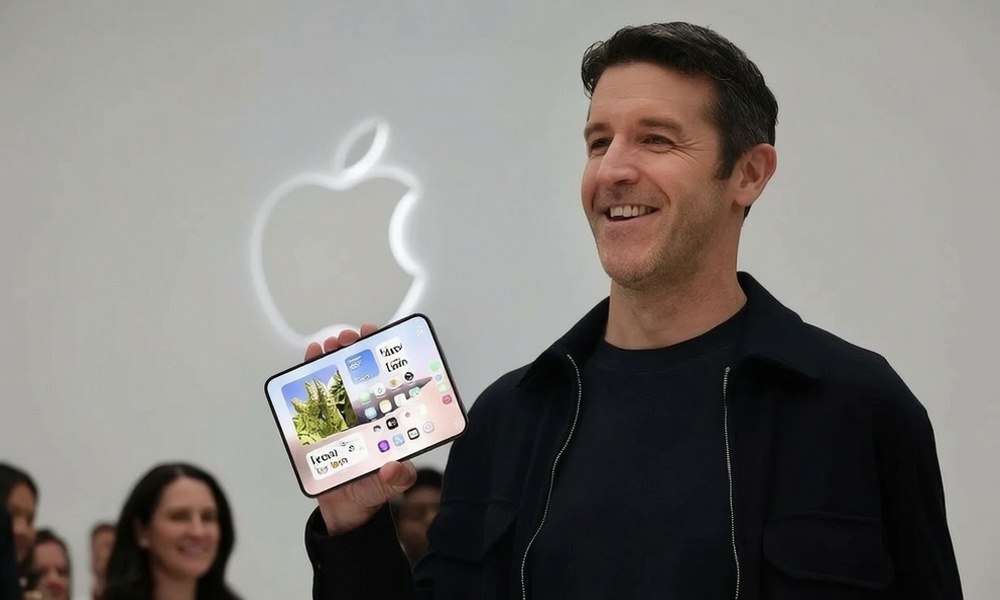
At today’s earnings call, Apple’s new CEO John Ternus finally addressed the issue directly.
He stated that devices with display issues account for only a tiny fraction of units sold, the vast majority of users are experiencing no problems, and Apple is offering replacement devices for affected customers.
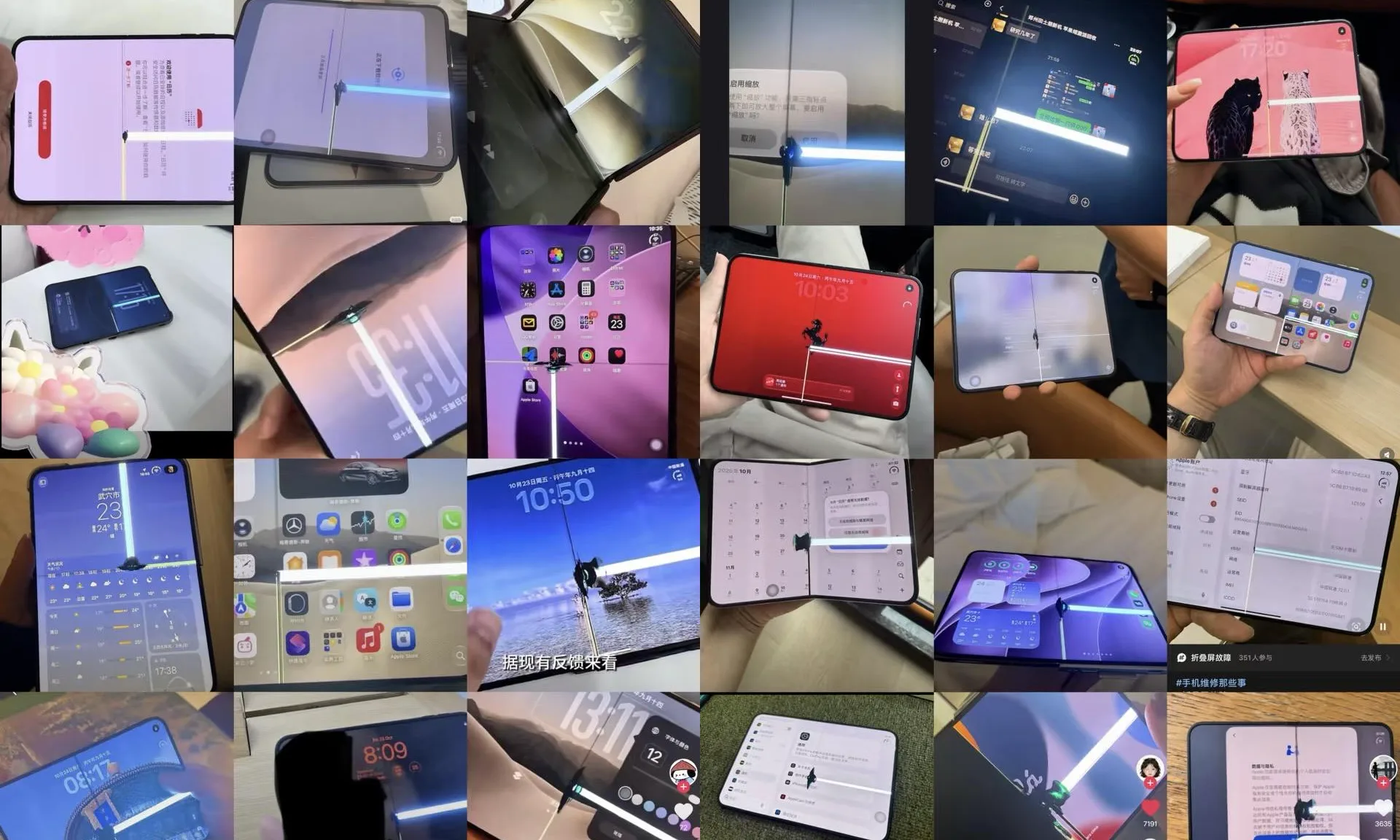
(Photograph source: Weibo)
In short, Apple has acknowledged the issue but downplayed its scale, promising replacements for those affected and reassuring users there is no cause for widespread concern.
As Apple’s first-generation foldable rushed into volume production, quality control hiccups were arguably inevitable. iFixit’s teardown analysis suggests the cracks may occur when the central support bar fails to retract properly as the phone closes, putting direct pressure on and damaging the screen.
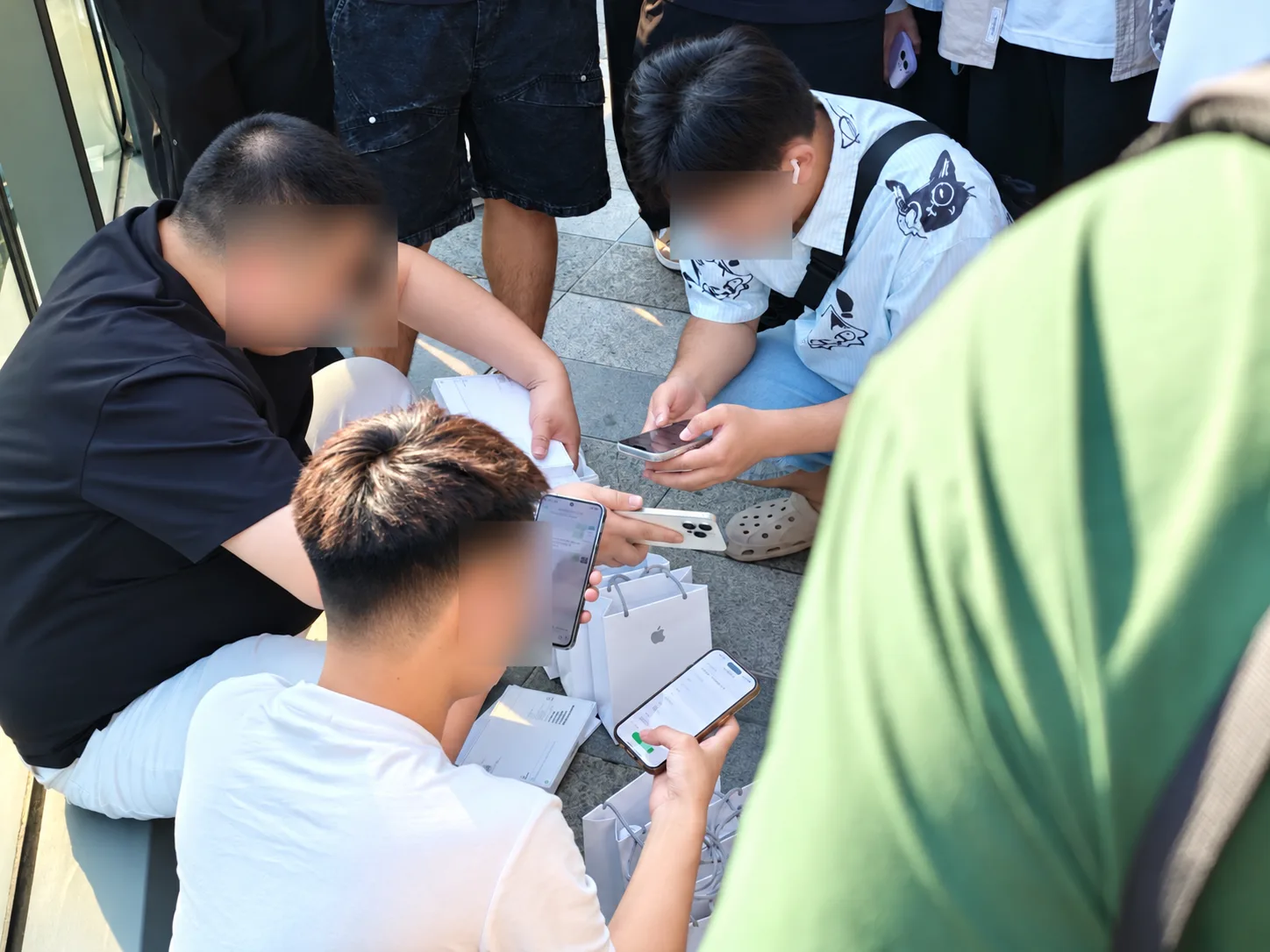
While the quality control controversy rages, scalpers who stockpiled units have taken a massive hit.
Back during pre-orders, hype was everywhere that the device would definitely sell above retail, with second-hand platforms offering premiums of 10,000 yuan per unit. Scalpers, fueled by the frenzy, scrambled to hoard inventory, hoping to relive the easy profits of early iPhone launches.
Just one week after launch, the market collapsed. Premiums were still 2,000 to 3,000 yuan on launch day, but within days prices dropped below official retail, meaning every unit sold results in a loss.
One digital electronics retailer complained that every scalper dealing in foldables in the industry is losing money right now.
Those sitting on large inventories are commonly seeing losses of 100,000 to 200,000 yuan. Some scalpers who bought a dozen or so units are losing over 1,000 yuan per device — adding up to nearly 20,000 yuan down the drain.
(Photograph source: LeiTech)
Why has the price crashed so hard? Xiaolei points to two main reasons.
First, the display quality issues have deterred a large number of would-be buyers. No one wants to spend 20,000 yuan on a fragile product that has to be handled with extreme care.
Second, the pricing is inherently high. Starting at 15,999 yuan with the top model exceeding 20,000 yuan, the target audience was already narrow, and negative press has only shrunk the pool of willing buyers further.
Another hotly debated topic these past few days is claims that the domestic Chinese version of the iPhone Duo cuts corners on hardware.
Some tech bloggers, after teardown comparisons, claim the Chinese version lacks the satellite communication module, 6GHz Wi-Fi components and 25W wireless charging circuitry found in the US model. With a calculated price difference of over 1,000 yuan, many have accused Apple of double standards and exploiting domestic consumers.
But to be honest, Xiaolei thinks Apple is being unfairly accused on this front.
First, the online claim that the Chinese version drops the UWB ultra-wideband chip is false. Apple’s official specifications clearly state that the domestic model comes with the second-generation UWB chip — there is no cutback here whatsoever.
As for differences like satellite communication and certain Wi-Fi bands, this is not Apple intentionally skimping to save costs — it mainly comes down to different regulatory approval standards across regions.
Take satellite communication, for example. The feature has not yet obtained the relevant operating license in mainland China. Even if Apple included the hardware, users wouldn’t be able to use it — there’s no point in making people pay for a non-functional feature.
The same goes for Wi-Fi bands. Radio spectrum planning varies by country; some bands supported on the US model are not allocated in China at all, so including them would be a waste of cost.
These are regional version differences, and cannot be equated directly with cutting corners.
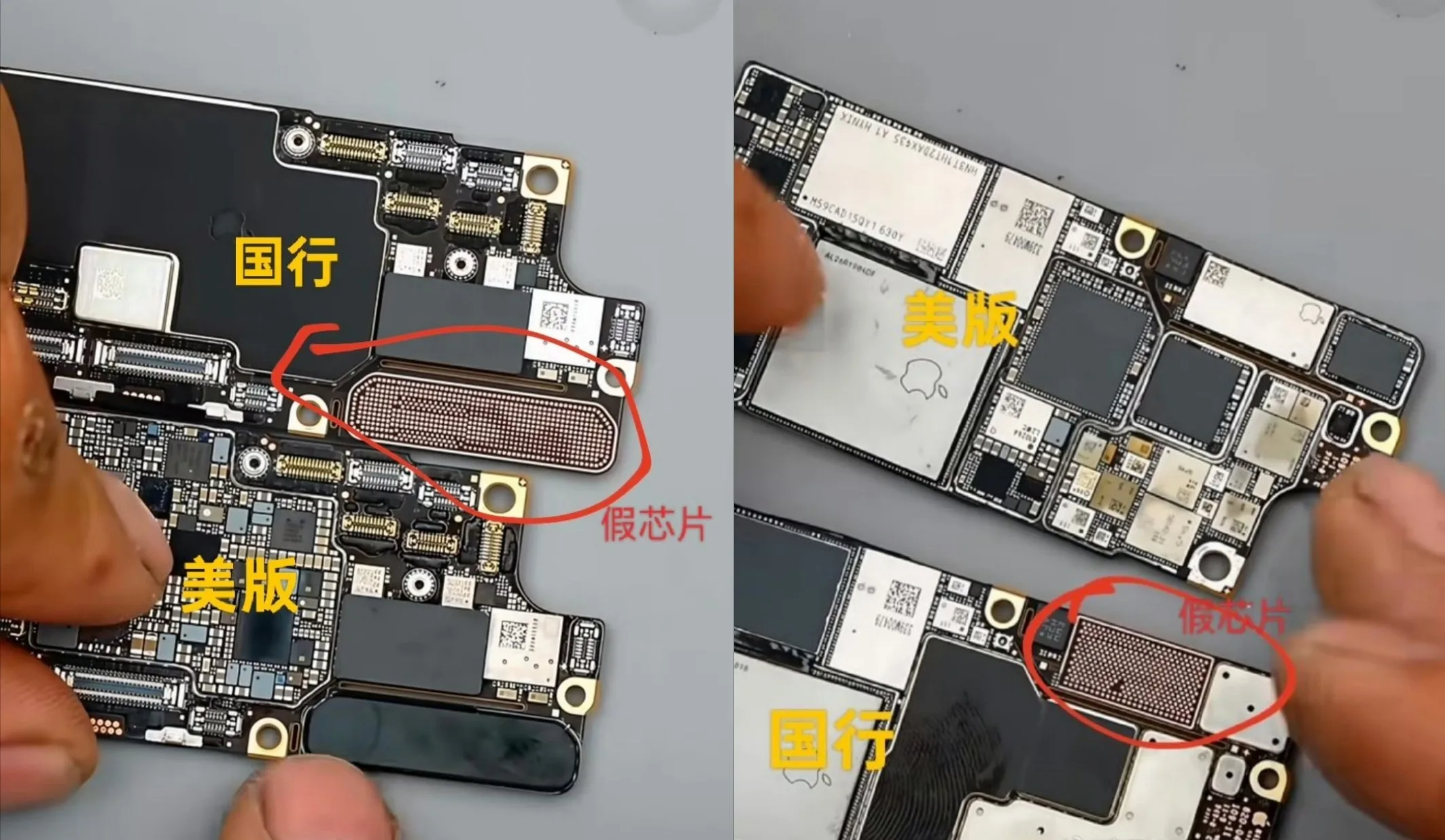
(Photograph source: Weibo)
From the perspective of Xiaolei Bibibi (ID: xiaoleibbb), as Apple’s first-generation foldable, it is normal for the iPhone Duo to have imperfections. Whether it’s hinge durability, display reliability or software optimization, there is still a long way to go before it can be called truly polished.
One interesting observation is how iPhone topics naturally drive traffic. Good news or bad, any little detail can shoot to the top of hot searches — netizens just can’t get enough.
Since the iPhone Duo launched, there has been new drama almost every day, making it clear that public interest in Apple’s foldable is through the roof.
Xiaolei would still advise everyone to consume rationally. First-generation foldable products are best suited for enthusiasts who want to be early adopters. For average users who want one, waiting for the second or third generation when the technology matures is never a bad idea.
As for scalpers losing money, Xiaolei can only say: all investments carry risk, and caution is advised. The era of making easy money flipping phones is long gone.
Finally, we want to ask: do you think the iPhone Duo still has a market ahead of it? Feel free to share your thoughts in the comments.