
 雷科技





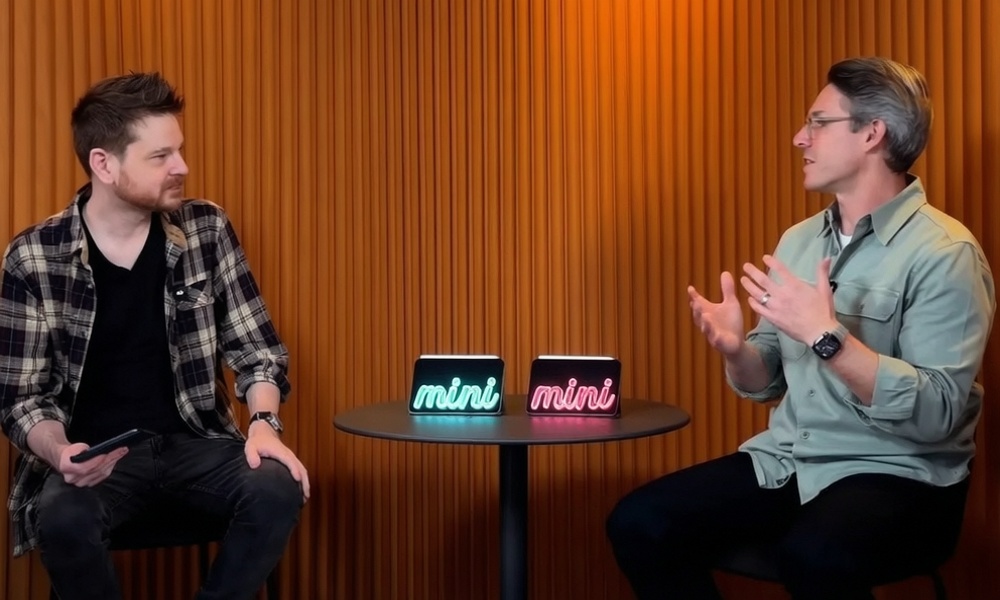

On October 30, news broke that the newly launched iPad mini 8 has sparked fierce debate online.
After years of anticipation, the device finally upgrades to an OLED display, with a starting price of 5,499 yuan — yet its refresh rate remains stubbornly fixed at 60Hz.
Many netizens have complained outright: It’s 2026 already, and a tablet at this price point doesn’t even support a high refresh rate. Isn’t Apple’s product segmentation way too aggressive? The discussion grew so heated that Dave Pakula, Apple’s Vice President of Hardware Engineering, personally weighed in.
In an interview, Pakula stated that display experience should not be judged by refresh rate alone. The new mini features an OLED panel with pixel response speeds an order of magnitude faster than the previous generation’s LCD, resulting in far less motion blur in dynamic scenes. Combined with comprehensive improvements in brightness, contrast and color performance, the overall display experience is excellent, he said.
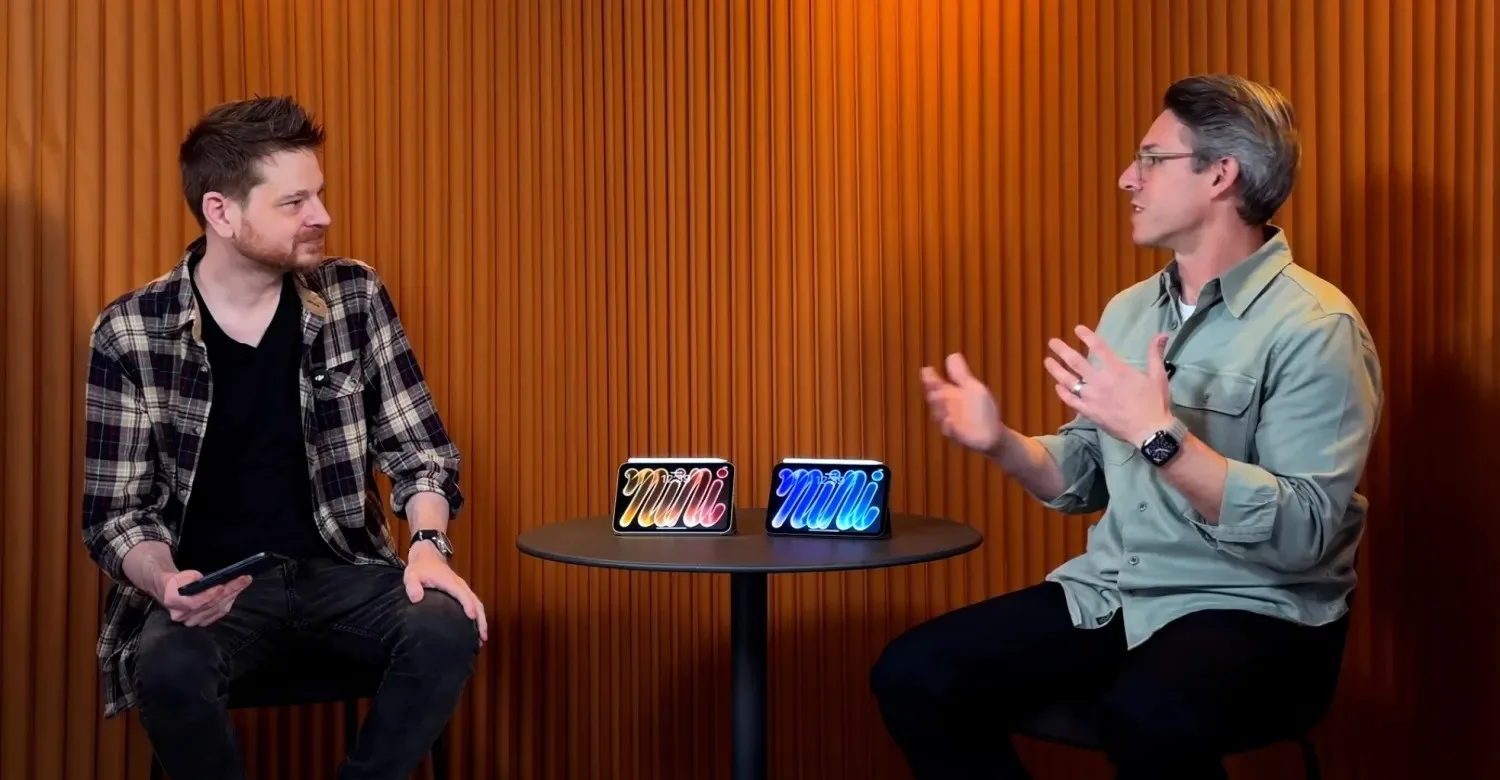
(Photograph source: Weibo)
This argument sounds all too familiar to Xiaolei: We ask why 120Hz is missing, and you ramble on about how great OLED is. That’s a classic non-answer.
To be fair, it is true that OLED delivers faster response times and reduced motion blur. The brightness upgrade — from 500 nits to 600 nits typical brightness, with 1200 nits peak HDR brightness — is also a tangible improvement.
But 60Hz is still 60Hz. The physical limit of 60 refreshes per second creates a visible gap in scrolling smoothness compared to 120Hz. These are two separate matters that cannot be conflated.
So why didn’t Apple include a high refresh rate? The most widely circulated theory is battery life.
The iPad mini 7 did not boast standout battery life even within the iPad lineup. This generation’s mini 8 is thinner and lighter, yet its battery capacity has actually shrunk slightly.
The previous model packed a 19.3 Wh battery, while the official rating for this generation stands at 18.9 Wh. Small-sized tablets already have cramped internal space and inherently limited battery capacity.
The battery drain caused by high refresh rates is well-documented. For OLED displays in particular, subpar tuning can easily cause battery life to plummet under 120Hz mode.
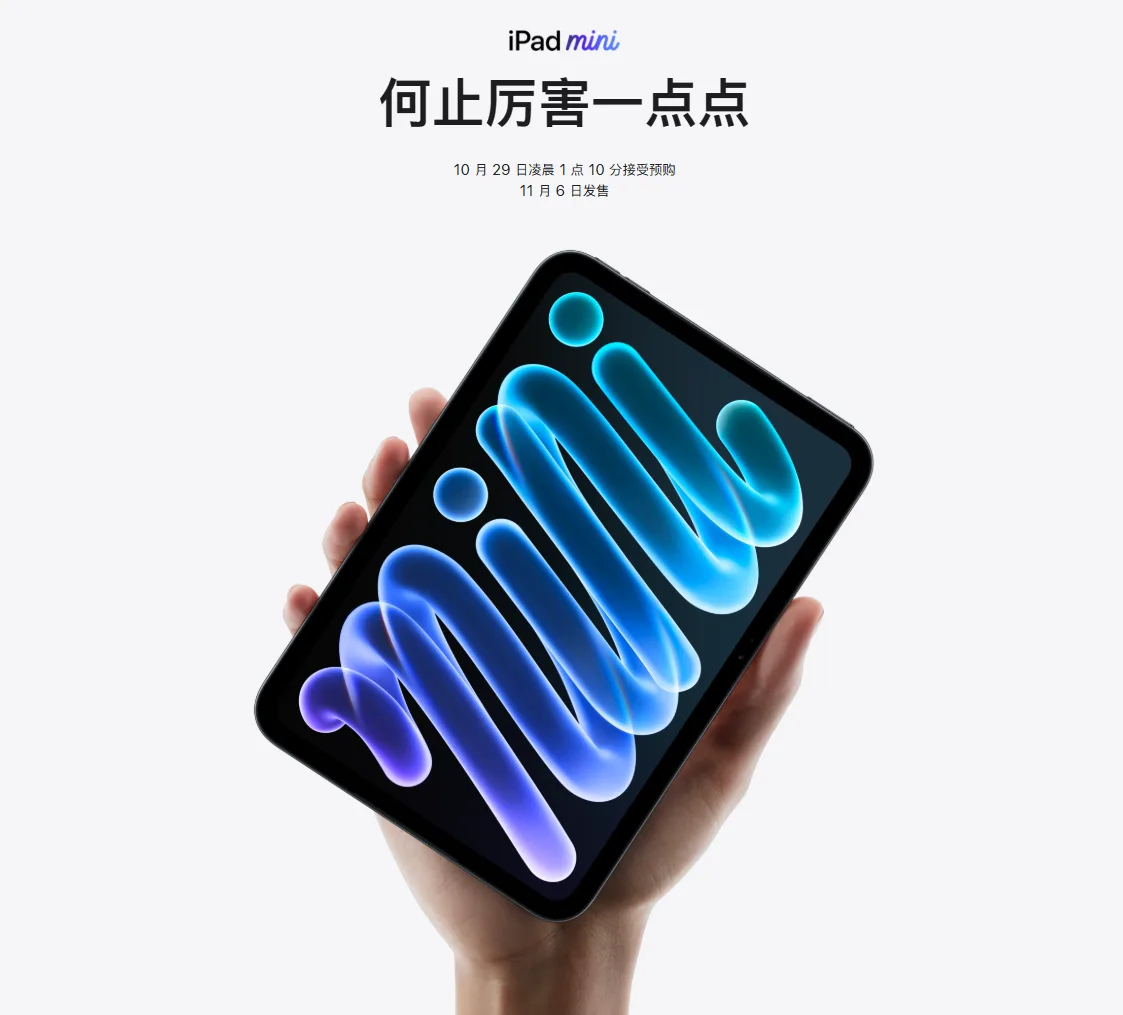
(Photograph source: Apple’s official website)
At Xiaolei Bibibi, we believe that given the mini 8’s battery size, enabling full 120Hz would likely leave it lasting only a few hours under heavy use, resulting in a worse overall experience.
That said, battery constraints are understandable. What truly frustrates users is not the battery life itself — it’s that Apple refuses to give them even a choice.
Even if the hardware supports it, why not add a toggle? Let users enable 120Hz for smoothness, or switch back to 60Hz for longer battery life. Is that really too much to ask?
Instead, Apple insists on making the decision for users and locks the refresh rate to 60Hz across the board. We have seen this patronizing “we know what’s best for you” attitude from Apple far too many times. Only Apple could get away with this — any other manufacturer would have been roasted into rolling out a firmware update by now.
Of course, battery life may only be the surface-level reason. The deeper cause lies in Apple’s ingrained philosophy of deliberate product tiering.
Ever since its debut, ProMotion adaptive refresh rate technology has served as a core experience barrier for the iPad Pro lineup.
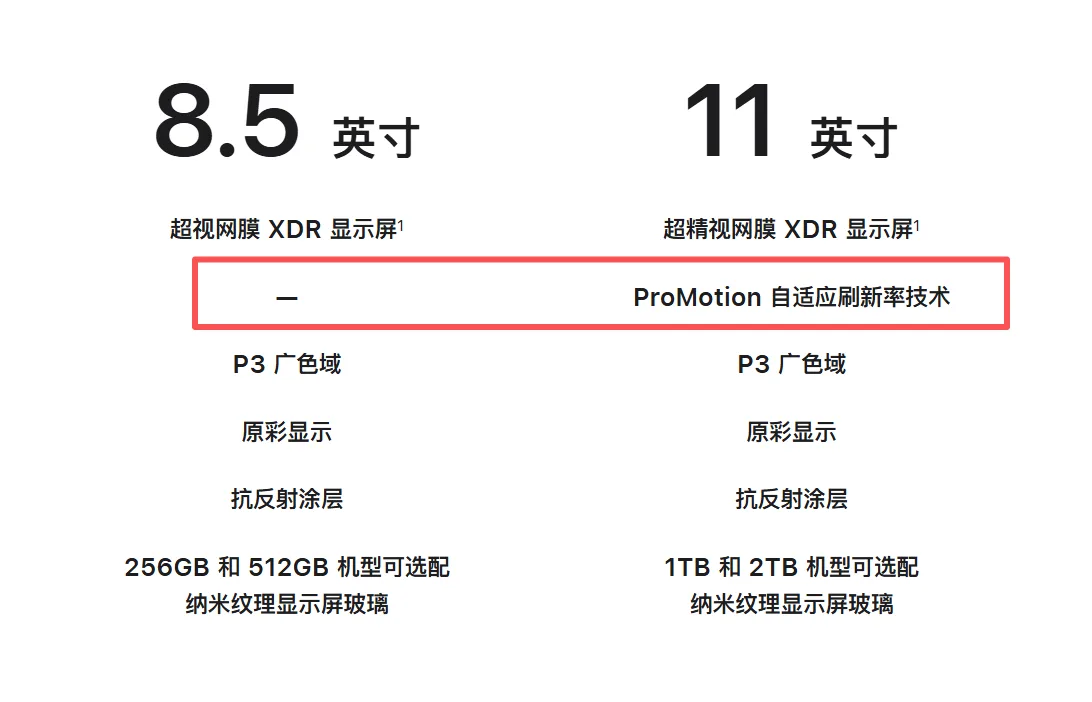
(Photograph source: Apple’s official website)
If the several-thousand-yuan iPad mini also got full 120Hz ProMotion, the gap between it and the Pro series would narrow further. How else would Apple upsell users to its premium models?
In Apple’s logic, products at different price tiers must have clear experience boundaries. It is not that the technology is unachievable — it is that it cannot be granted to lower-tier products.
After all this discussion, it is clear to us at Xiaolei Bibibi (ID: xiaoleibbb) that people are not angry because the tablet is unusable without 120Hz. The core conflict boils down to price. A starting price of over 5,000 yuan is far from cheap in the global tablet market. Flagship Android tablets at the same price point have long been loaded with 2K high-refresh displays, large batteries and fast charging.
Apple made an incremental upgrade to OLED while leaving the refresh rate stuck at levels from years ago. Naturally, consumers feel the product’s sincerity does not match its price tag.
There are also online rumors claiming the mini 8’s display hardware natively supports 120Hz, and Apple has simply locked it via software. For now, these are only supply chain leaks with no solid evidence, so we cannot jump to conclusions.
But it is easy to predict: if future teardowns confirm the hardware is capable and the feature was artificially disabled, there will be another wave of online backlash.
From Xiaolei’s perspective, what users want is not for Apple to decide what is “good enough.” It is the principle: we may not use it, but you cannot withhold it. Even adding just one simple toggle to give users a modicum of choice would have defused much of the frustration.
Unfortunately, given Apple’s established track record over the years, it is highly unlikely the company will back down and adjust its product segmentation strategy.
Finally, we want to hear from you: Do you think 120Hz high refresh rate should be included on the iPad mini? Feel free to share your thoughts in the comments.