
 雷科技





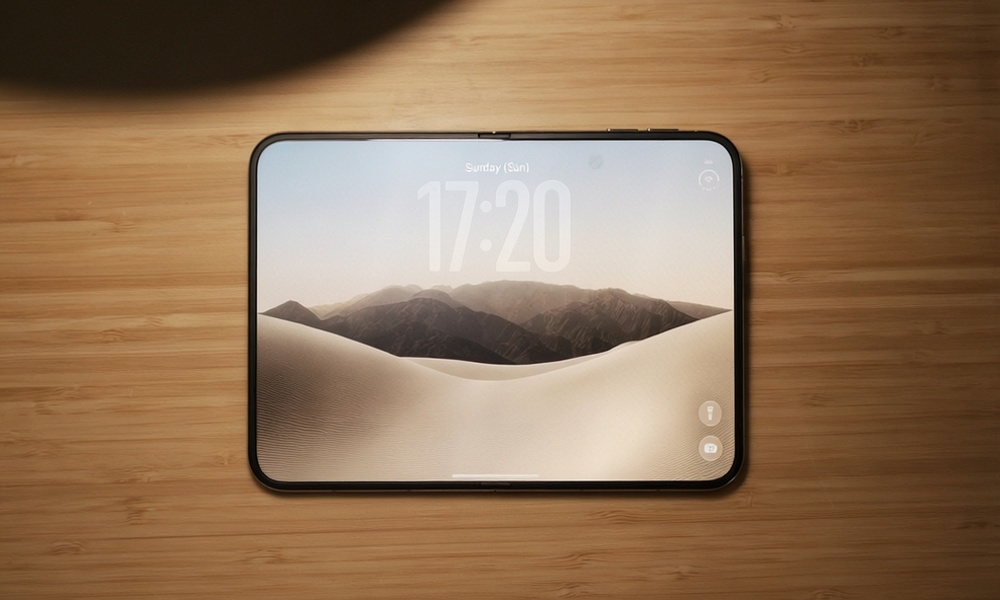

Folks, the dramatic reversal of the iPhone Duo launch has arrived way sooner than anyone expected.
Shortly after the recent unveiling event, pre-order wait times on Apple’s official website stretched to a full month, and scalpers were openly offering premiums to buy units for resale.
But barely three days later, prices have already dropped below the official retail price.
Even Han Lu, a renowned auto reviewer, took to Weibo to vent his frustration: “Starting at 16,000 yuan, it’s far from cheap. Poor app optimization, bright lines on the inner screen, dust buildup in the hinge, downgraded camera specs, eSIM-only support, costly repairs, delayed shipping — it makes total sense for bandwagon jumpers or people looking to flip for profit to cancel their orders.”
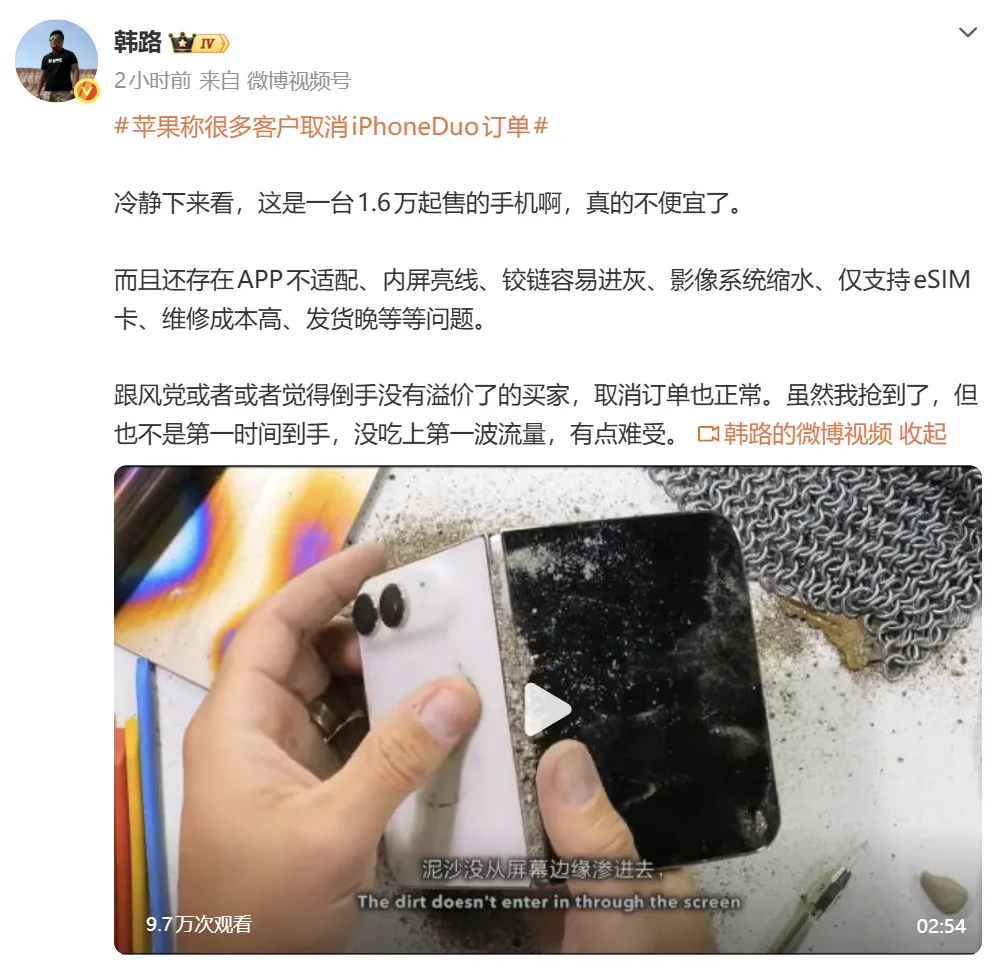
Image source: Screenshot from Weibo
Han Lu added a self-deprecating follow-up: even though he secured a pre-order, he won’t be among the first to receive the device and capitalize on the initial hype traffic.
That’s hardly surprising — after all, estimated delivery for some official website orders has been pushed back to early next year.
Though Han Lu built his career as an auto reviewer, he has been creating tech and digital content for years, and he’s not the kind of influencer who bashes Apple purely for views.
That said, the reason this Weibo post has sparked such intense discussion is that every point he raises lands squarely on the pain points of early adopters.
Some might wonder: it’s just a foldable phone, why are so many people canceling?
It’s not about being overly nitpicky. The first major turnoff is the 16,000-yuan starting price.
The iPhone Duo starts at 15,999 yuan, with the top-of-the-line high-capacity model nearing 20,000 yuan. By comparison, flagship Android foldables of the same size cost just 7,000 to 8,000 yuan.
If the user experience truly outclassed Android devices, the steep premium would be understandable.
But the reality is that it suffers from every common flaw of first-generation foldables. Features like large-screen split-screen multitasking and app optimization — things Android has nailed for years — are still lagging on Apple’s first foldable.
Paying twice as much for a first-generation product that underperforms its Android counterparts would give anyone second thoughts.
Then there’s the most critical quality control issue: bright lines on the inner display, which has become the most widely reported problem among early users.
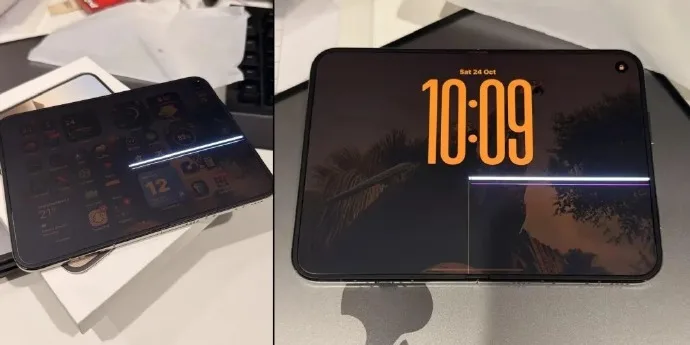
Image source: Weibo
Many users found a thin bright line on the inner screen near the hinge right after unboxing and activating their new devices. It’s especially noticeable on dark backgrounds, sticking out conspicuously.
Other users have shared a whole range of issues, including dead pixels, glue seepage along screen edges, and uneven gaps around the frame.
After all, a big part of why people are willing to pay extra for Apple is its reputation for strict quality control.
Many people canceled their orders directly after seeing these quality control reports — no one wants to drop tens of thousands of yuan on a lucky dip.
Beyond these complaints, the most hotly debated topic is app optimization.
People already complained about this during in-store demos: household apps like WeChat, Taobao and Douyin have barely any optimization for the inner display. They simply get scaled up with thick black bars on both sides, completely wasting the benefit of the larger screen.
One reviewer found that when launching a game, the picture only rendered on the far left of the screen, with black bars so wide you could “park a car” in them.
If you ask Xiaolei, this phone would drive anyone with obsessive-compulsive tendencies up the wall.
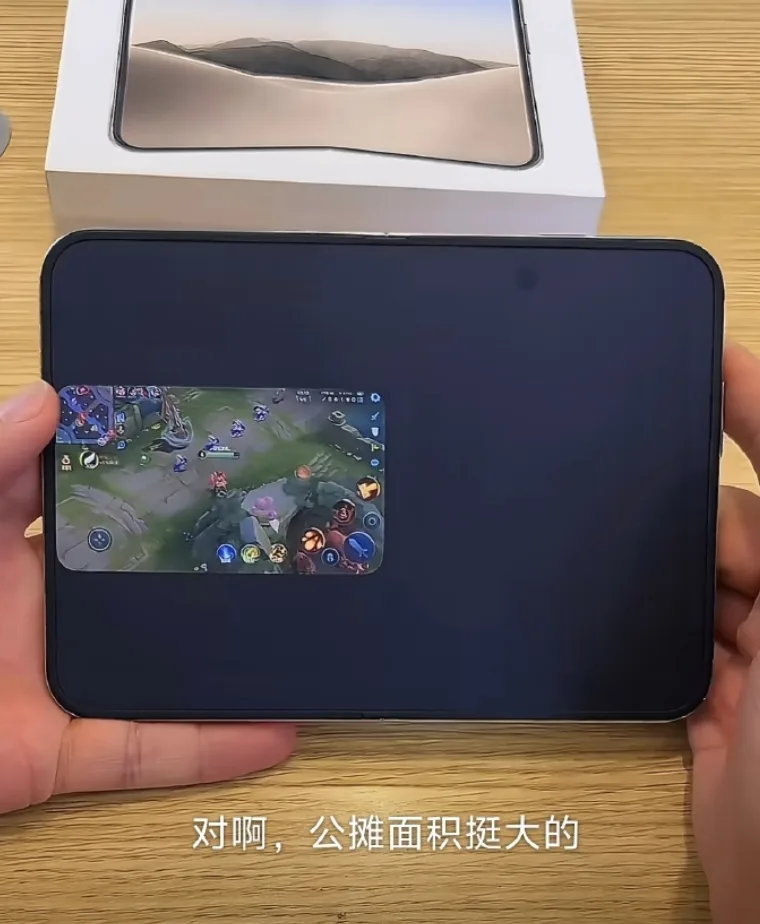
Image source: Weibo
Many netizens put it bluntly: I buy a foldable for the productivity of a big screen. If the apps aren’t even optimized, what’s the point of spending all that money? For the folding gimmick? Or for being heavier and thicker than regular phones?
Faced with rumors of widespread cancellations, Apple has not formally addressed the mass order drops directly. In Xiaolei’s words, they’re simply dodging the core issue.
When asked about price drops and cancellations, customer service representatives noted that third-party channels offer platform subsidies while official website prices remain more stable, and confirmed that many customers have canceled their orders.
Scalpers who were previously bidding up prices to buy stock have all gone quiet. Not only are they no longer paying premiums, many are now selling their on-hand units at discounted prices.
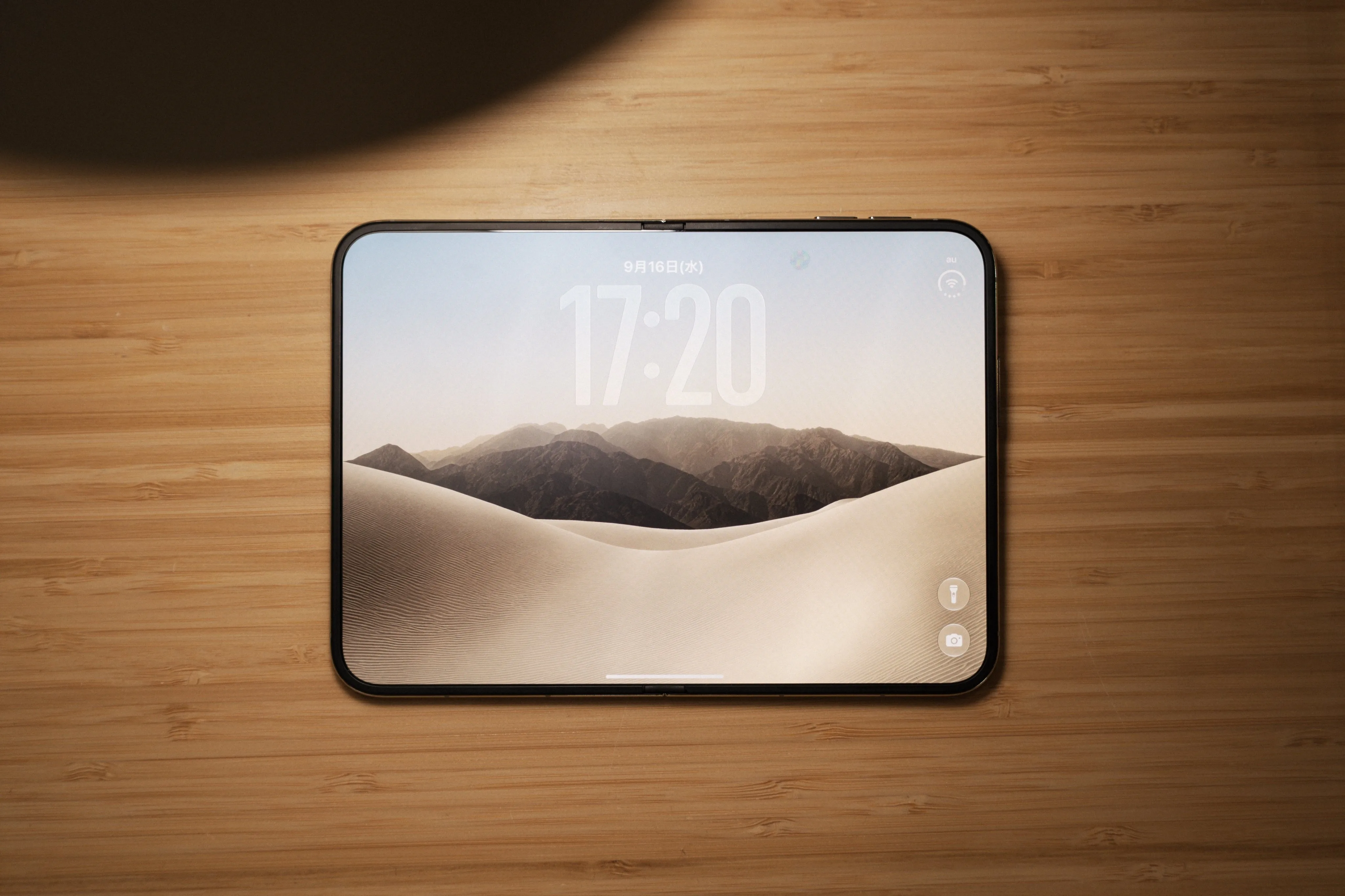
Image source: Fast Technology
At this point, from the perspective of Xiaolei Bibibi (ID: xiaoleibbb), this wave of cancellations is totally expected — it comes as no surprise at all.
Everyone assumed Apple’s first foldable would set a new industry benchmark and blow the competition out of the water. But what we actually got still falls into the same trappings as every other first-generation foldable on the market.
When the experience doesn’t justify the price tag, consumers are naturally the first to push back.
Certainly, as a first-generation product, the iPhone Duo excels in build quality, hinge engineering, and crease control—remaining firmly in the top tier—and retains iOS’s ecosystem advantages.
It’s just better suited for Apple fans with deep pockets who enjoy being early adopters. Average users really don’t need to rush into the purchase. Waiting for future iterations, price drops and better app optimization is definitely a smarter move than jumping on the launch and being a guinea pig.
To wrap things up, Xiaolei wants to ask: do you know anyone who canceled their iPhone Duo order? Do you think the 16,000-yuan price tag lives up to the current experience? Feel free to share your thoughts in the comments~