
 雷科技






On October 22, news broke that Meta was slapped with a staggering $25 billion fine the previous day.
That amounts to roughly 180 billion yuan — a jaw-dropping figure that stands as one of the largest penalty verdicts in U.S. judicial history.
The case traces back to the high-profile Cambridge Analytica scandal that erupted in 2018.
Back then, a third-party app secretly harvested the personal data of up to 87 million Facebook users. The information eventually made its way to UK-based Cambridge Analytica, which deployed it to deliver targeted political ads during the 2016 U.S. presidential election.
In short, Facebook leveraged users’ social data to sway election discourse — all without users’ knowledge.
After the scandal came to light, Meta issued an apology and pledged to implement reforms.

(Photograph source: Weibo)
But New Mexico would not let the matter rest. In 2021, the state filed a lawsuit directly against Meta, alleging that the company had chronically misled the public on data protection and content moderation: claiming to safeguard user privacy while falling far short of that promise in practice.
The case dragged on until September this year, when the jury delivered its ruling: out of 29 public statements made by Meta and its executives, 26 were deemed misleading. Multiplying these statements by the number of affected users added up to more than 43 million violations of consumer protection laws.
Under local statutes, each violation carries a maximum penalty of $5,000, which would have put the theoretical fine ceiling at $219.5 billion.
In the end, the judge showed leniency and lowered the sum to $25 billion, plus interest at an annual rate of 15%.
Interestingly, Meta maintains it should owe no more than $3.4 billion, and has stated it is confident of overturning the ruling on appeal.
New Mexico, meanwhile, had originally sought between $35 billion and $40 billion. The final $25 billion figure effectively lands in the middle of both sides’ expectations.
Back in August this year, Meta reached a $17.1 billion settlement with multiple other states over youth safety issues. New Mexico declined to join that deal, choosing instead to press its case independently — and it ultimately made headlines with this landmark outcome.
From Xiaolei’s perspective, it is widely accepted that data is a core asset in the AI age, and that is true.
Data fuels large model training, powers targeted recommendations, and drives user operations. Any tech company without user data at its disposal is essentially running exposed in the AI wave.
(Photograph source: Weibo)
But according to Xiaolei Bibibi (ID: xiaoleibbb), no matter how valuable data may be, it can never be a lawless zone where user privacy is violated with impunity.
A common tactic among many companies is playing word games in their privacy policies.
Dozens of pages of user agreements, printed in minuscule text — how many ordinary people would ever read them end to end? Clicking “agree” effectively signs away full rights to your personal data.
On the surface it looks like user authorization, but in reality it is a take-it-or-leave-it ultimatum. This brand of “compliance” is nothing more than exploiting legal loopholes and skating on regulatory thin ice.
The core problem behind Meta’s penalty is not just the data leak itself, but that it lied and misled the public after the fact.
It failed to implement proper protections, yet marketed itself as a privacy-first company.
It profited from the spread of hate speech and misinformation, while claiming to enforce strict content moderation.
The judge wrote directly in the verdict: “The harm caused in this case is incalculable and goes to the core of Facebook’s basic business model.” He found that the massive, years-long pattern of intentional misconduct warranted the highest level of punishment.
Its entire business rests on a contradiction: making money off user data while simultaneously assuring users their information is safe.
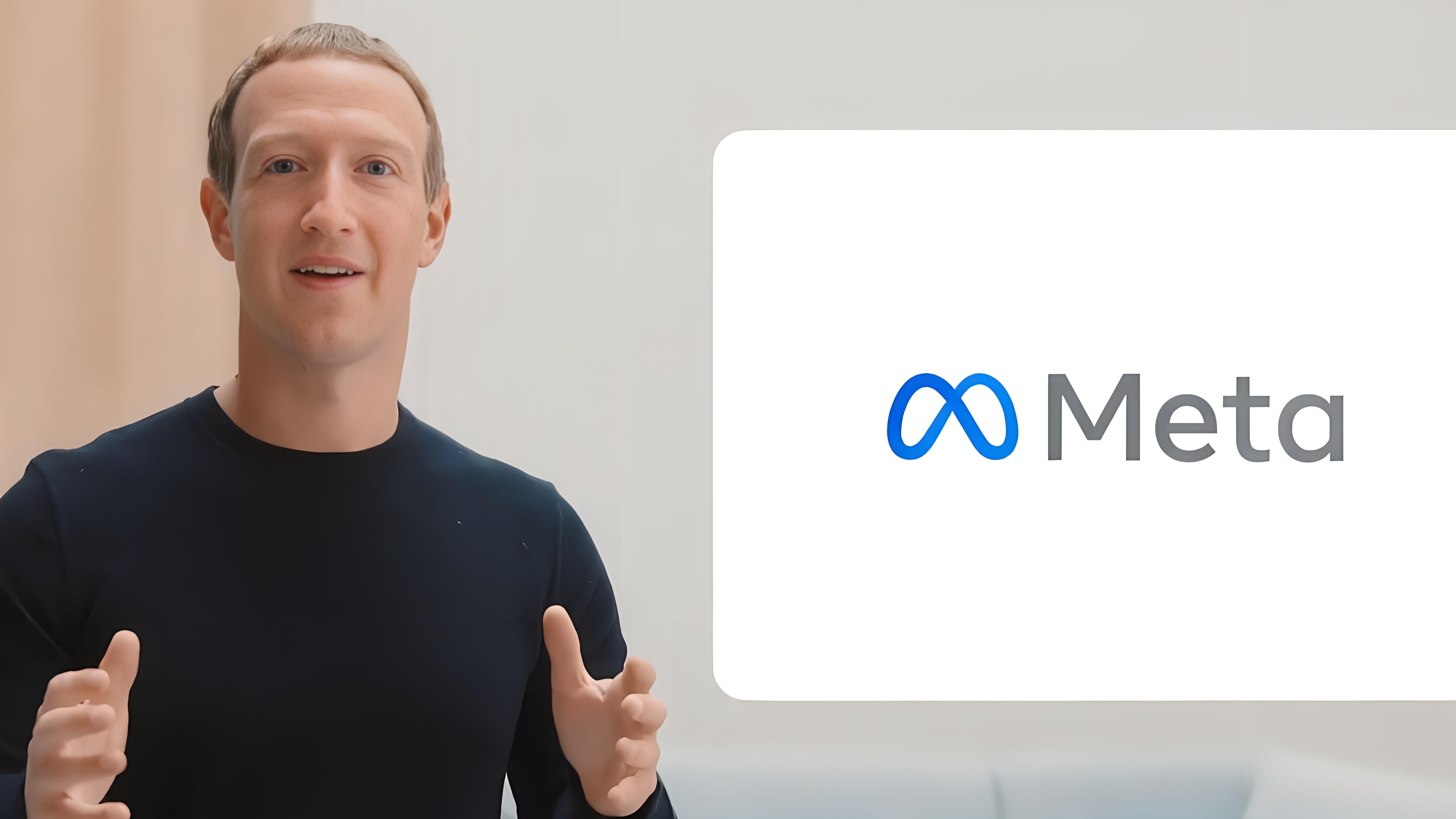
(Photograph source: Meta press event)
Xiaolei notes that if a tech giant of Meta’s stature resorts to petty tricks on privacy, the situation is even worse for small and medium-sized firms. Many operate on a gamble: users don’t understand the technology anyway, and regulators can’t keep up — so grab the data and cash in first.
Especially with AI advancing so rapidly, the boundaries of data collection are growing ever blurrier.
Once, companies might only gather browsing history and like preferences. Today, AI can dig through chat logs, analyze facial expressions, and even predict behavioral tendencies.
The more powerful the technology, the greater the privacy risks — and the heavier the responsibility on enterprises.
In Xiaolei’s view, protecting user privacy and advancing AI technology are not mutually exclusive. Truly outstanding companies are those that can put data to good use while earning users’ trust to entrust them with it.
Data assets built on word games may look vast on paper, but they are riddled with hidden risks. One day, when exposed, they will detonate into a full-blown data catastrophe.
Fail to protect users’ data, and a heavy price will be paid sooner or later.
Finally, we’d like to ask: do you believe user data will become less secure in the AI era? Feel free to share your thoughts in the comments.