
 雷科技





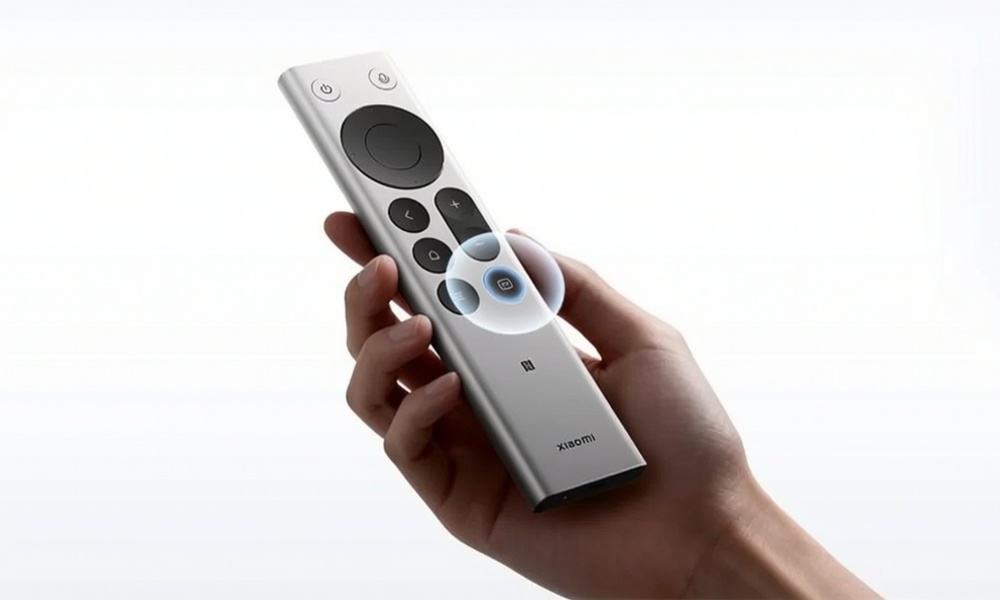

Xiaomi probably never expected that a Bluetooth remote control would become this year’s most breakout AI hardware product.
Back in April, Xiaomi launched the Bluetooth Remote Control 2 Pro, priced at 99 yuan. At release, this remote was merely a Bluetooth accessory for Xiaomi TVs and TV boxes. It was practically no different from mainstream smart TV remotes. Yet developments quickly unfolded beyond Xiaomi’s expectations.
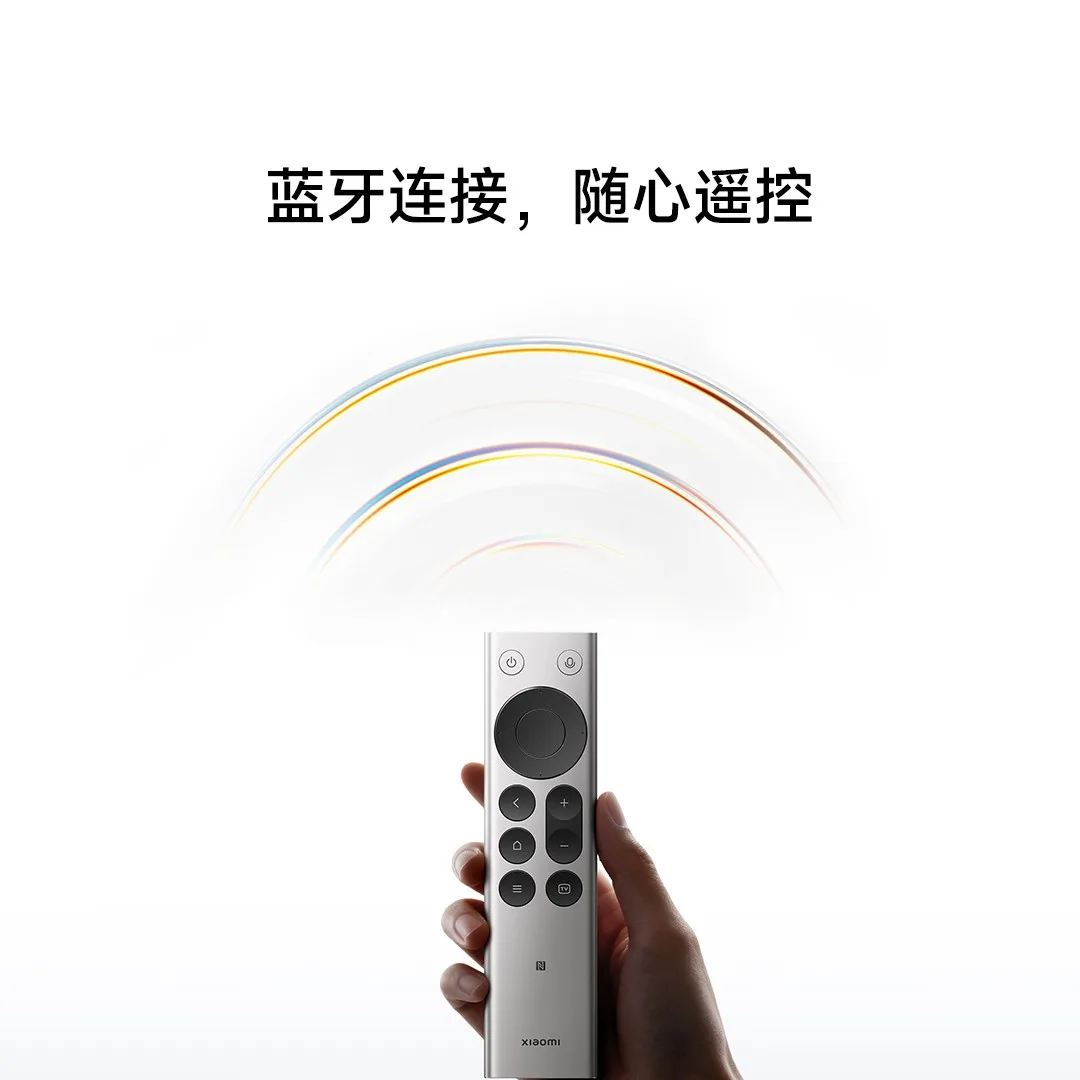
Image source: Xiaomi
Over the past two months, a host of tools built exclusively for this remote have popped up on GitHub, enabling it to work with Mac or Windows PCs. Once word got out, this TV accessory quickly became a hot seller on e-commerce platforms. Some stores even started selling bundled packages with the supporting software at marked-up prices.
Clearly, people are not buying this remote just to switch TV channels. Sharp-eyed readers may have spotted two key terms: Bluetooth connectivity and voice control. That’s right. This accessory originally built for TVs has now debuted online as AI Vibe Coding hardware. A fellow tech creator friend of Xiaolei even says he can skip wearing headphones on his daily commute, but he must bring this remote.
Voice-based interaction is nothing new in consumer electronics. From the old Gionee Voice King phone, to the ill-fated TNT, and to today’s wide range of AI voice applications, we have long explored ways to integrate voice into daily work. Most attempts have ended in failure, while only a handful have made it into our lives as finished products.
So why has Xiaomi’s Bluetooth remote become an AI sensation in under six months?
Vibe Workflows Aren’t Bottlenecked by Speech Recognition Accuracy
LeiTech believes the remote’s popularity stems from the convergence of a mature industry backdrop and exceptional cost-effectiveness.
First, let’s address the industry context. Some might assume voice interaction remains impractical for professional use due to low speech recognition accuracy. But according to LeiTech, the real bottleneck lies not in recognition accuracy—but in what happens after speech is converted into text.
Traditional voice systems rely heavily on keyword-matching logic: after converting audio into text, the algorithm extracts command keywords and matches them against pre-defined system functions. For instance, saying “call Mom” triggers extraction of “call” and “Mom,” then executes the corresponding action.
Though developers often build in multiple fuzzy-command variants to add flexibility, user actions remain strictly confined to those predefined options—akin to ordering from a fixed menu. Your choices are plentiful—but they cannot exceed the menu itself.
In contrast, AI productivity applications like Vibe Coding dismantle this “menu-driven” paradigm. Users simply articulate high-level intent; large language models (LLMs) then decompose that intent and orchestrate appropriate agents to fulfill it.
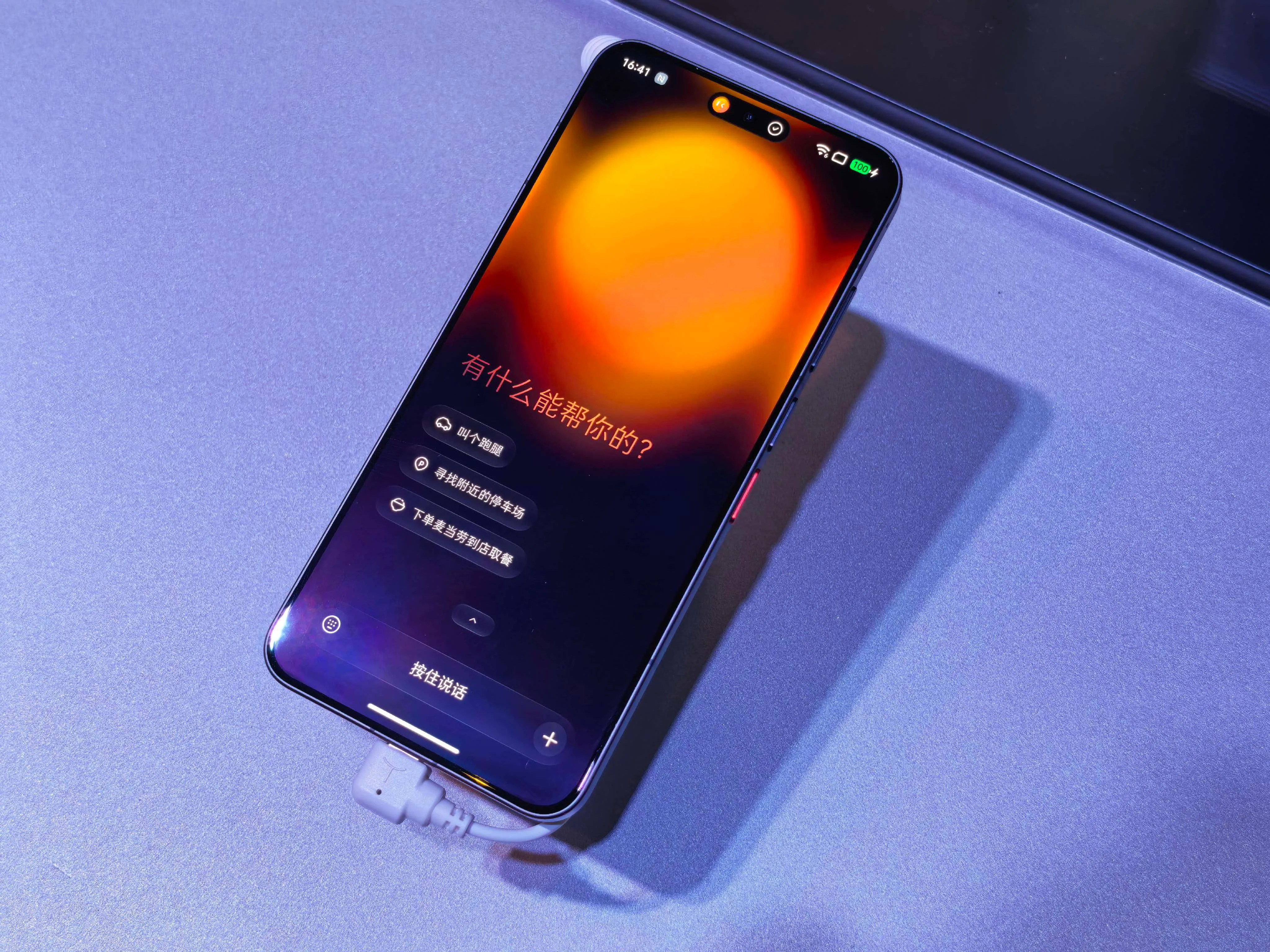
Image source: LeiTech
Recall our earlier menu analogy? If early AI apps were like ordering off a fixed menu, today’s AI productivity scenarios resemble telling a chef what you’d like to eat—and letting the chef decide how to prepare it. This fundamental shift is the true engine propelling voice interaction into practical, everyday use.
Having addressed the industry context, let’s turn to cost-effectiveness. Take Vibe Coding, for example: dedicated microphones targeting this use case do exist in the market. For instance, LeiTech previously covered Insta360’s Mic Air “Vibe Coding–Dedicated Microphone” kit, developed in collaboration with ByteDance, which even bundles a subscription to the AI coding platform TREA.
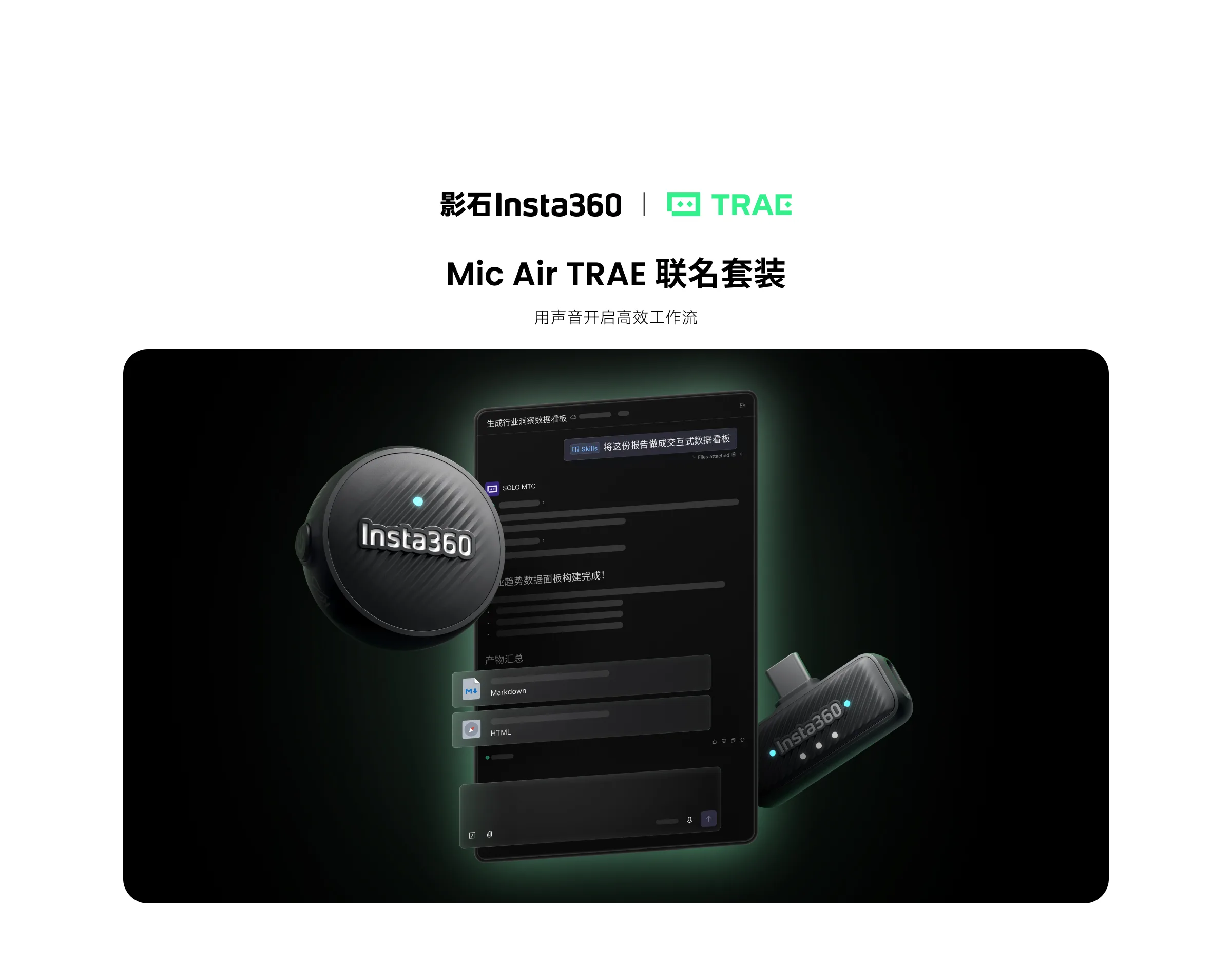
Image source: Insta360
Yet compared with those products, Xiaomi’s Bluetooth remote has an inherent advantage — price. For just 99 yuan, you get a wireless microphone packed with programmable keys, a built-in lithium battery, USB-C charging, NFC and Bluetooth 5.4 support. That alone makes it an absolute bargain. On some e-commerce platforms, clearance sales even bring its price down to roughly 60-plus yuan.
You might counter: “A wired USB microphone costing just a few dozen yuan could serve equally well as an AI mic.” That’s not unreasonable—indeed, LeiTech currently uses a USB desktop microphone. However, in the era of AI agents, users rarely interact with AI on a single device or in a single scenario. This reality demands portability from microphones. Moreover, speaking loudly in open office environments is socially awkward; a compact, handheld mic enabling quiet, discreet voice input is genuinely better suited for the AI era.
What New Requirements Does the AI Era Impose on Microphones?
Xiaomi’s Bluetooth remote has become the hottest AI hardware recently—but LeiTech believes established mic brands like DJI and Insta360 still hold strong potential to overtake it. In fact, now that Xiaomi’s remote has mainstreamed voice-driven AI interaction, traditional mic manufacturers stand poised to seize a pivotal opportunity.
Recently, LeiTech attended the STEPX Neo AI phone launch event, where CEO Yin Qi specifically highlighted that STEPX Neo employs a six-microphone array—paired with low-power audio chips and advanced noise-reduction algorithms—to meet AI-era demands for all-scenario, all-day voice interaction. Microphone arrays, noise-reduction algorithms, and low-power chips are precisely where DJI and Insta360 excel.
Take microphone arrays as an example: while the remote’s mic offers decent near-field voice capture, its design targets indoor, single-user scenarios. Outdoors—or in noisy indoor settings—wind noise and overlapping conversations inevitably degrade audio pickup, requiring dedicated hardware or sophisticated software algorithms to filter interference. Similarly, AI mics must also handle extremely quiet speech. These extreme use cases clearly exceed the capabilities of a Bluetooth remote—leaving ample room for professional mic brands to fill the gap.
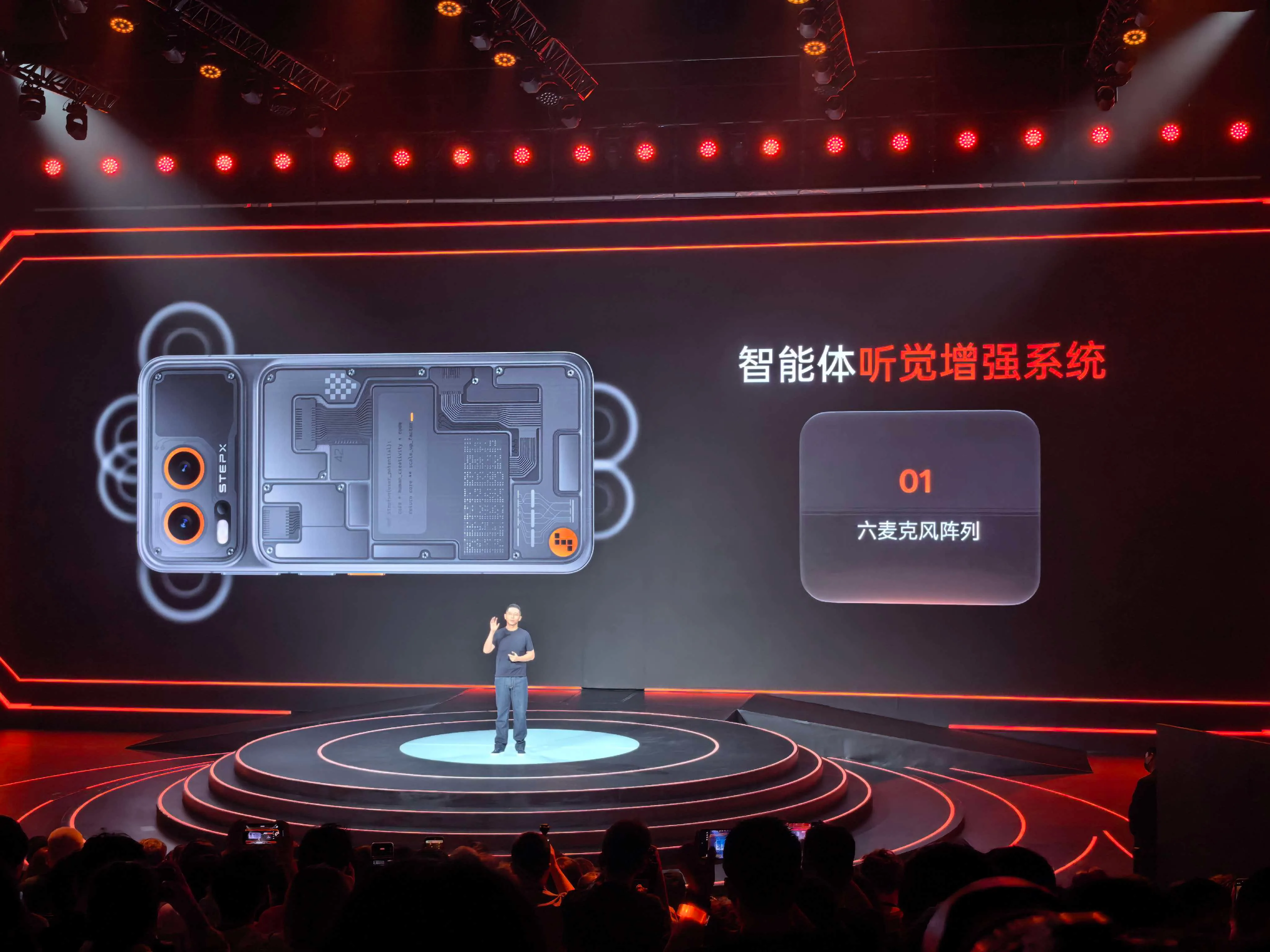
Image source: LeiTech
On the technical front, many brands are now integrating bone-conduction voiceprint recognition into their mics to precisely identify both speaker identity and spoken content—meeting growing demand for quiet, accurate voice interaction. Such specialized audio technologies are inherently unsuitable for inclusion in a Bluetooth remote.
Additionally, connection stability will be a critical battleground for AI mics. Though Xiaomi’s remote features Bluetooth 5.4, Bluetooth’s interference resistance remains insufficient in dense, multi-device office environments. By contrast, DJI and Insta360 mics were engineered from day one for robust multi-device coexistence. Their mics withstand even CES-level wireless signal congestion—so an ordinary office environment poses no challenge whatsoever.
Hence, LeiTech contends that products like Xiaomi’s Bluetooth remote won’t truly compete with purpose-built AI mics. Instead, the AI mic category may follow the same evolutionary path as ear-hook headphones did several years ago: entry-level devices drive concept adoption, while mid-to-high-end models push technological advancement.
In other words, Xiaomi’s remote is, at best, a stopgap “meal replacement” for AI voice hardware—not a long-term solution.
As Voice Interaction Goes Mainstream, Hardware Form Factors Will Radically Evolve
Therefore, rather than debating how far Xiaomi’s Bluetooth remote will go, LeiTech believes the more consequential trend is the imminent transformation of smart hardware form factors.
Consider laptops: if voice input supplants keyboards as the primary input method, the entire keyboard surface becomes redundant. That real estate could instead expand screen area—or boost battery capacity—accelerating the evolution toward hybrid tablet-laptop devices. Keyboards won’t vanish, but their value will extend beyond text entry. Yet one thing is certain: future Agent PCs will likely bear little resemblance to today’s designs.
This kind of morphological shift has already played out on smartphones. Full-keyboard phones gave way to touchscreens—not because physical keyboards were inferior, but because allocating that space to displays vastly broadened smartphone functionality.
We know digital product form factors are constrained by three core factors: interaction methods, battery life, and hardware performance. Today, compute-intensive tasks are increasingly offloaded to the cloud; local edge devices need only run lightweight models. Meanwhile, voice interaction offers unprecedented flexibility—decoupling input from rigid physical forms. Put simply: once lower-power chips or higher-energy-density batteries arrive, entirely new digital hardware form factors are inevitable.
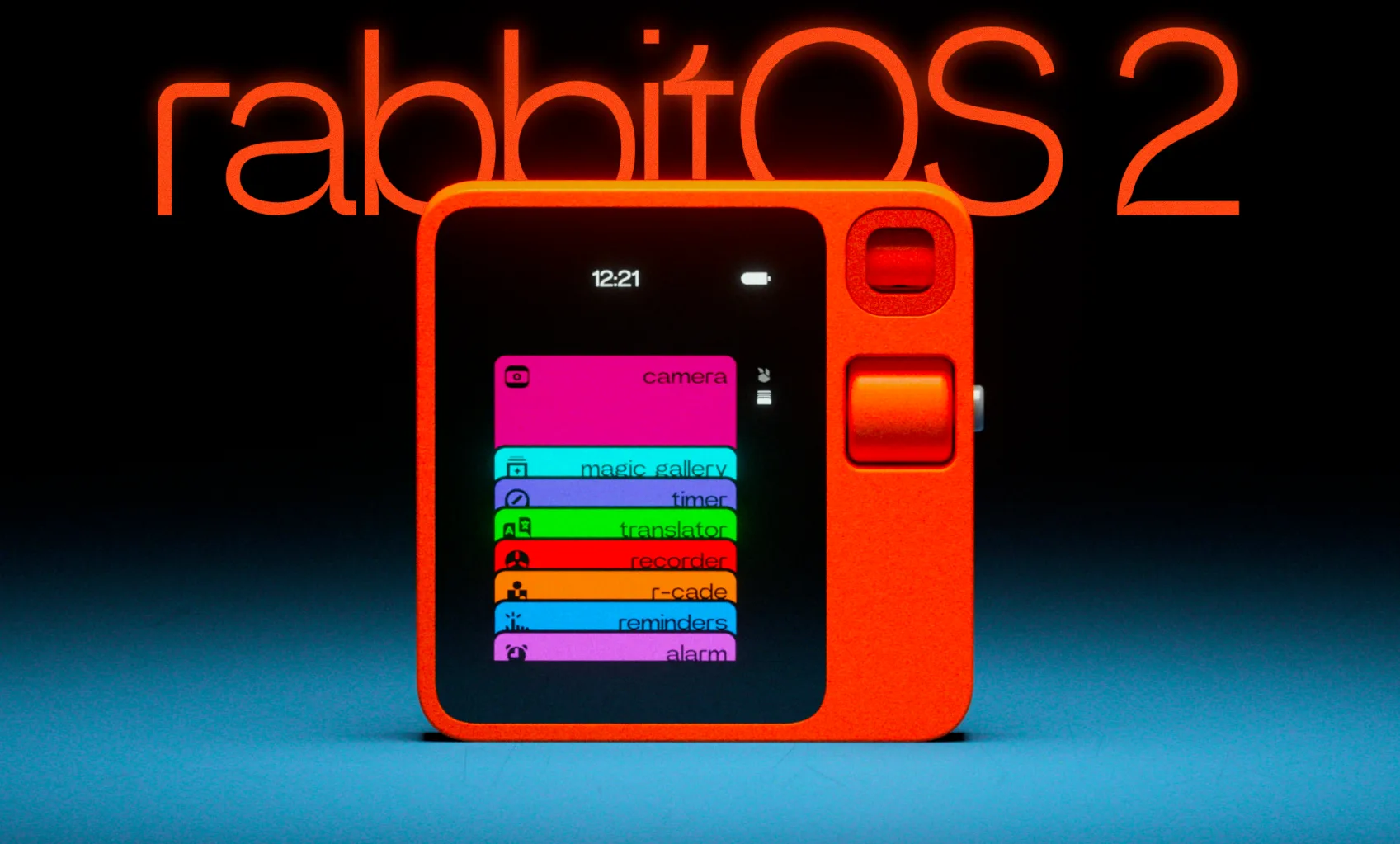
Image source: Rabbit
The explosive success of Xiaomi’s Bluetooth remote both validates consumer demand for intuitive voice hardware—and confirms a clear market gap for affordable AI peripherals. It’s certain that more peripheral brands will soon enter the AI microphone space. And these mics won’t necessarily resemble remotes: smart glasses, smartwatches, earbuds, and even necklaces—all wearable form factors—hold equal promise as first-entry points for AI-era voice interaction.
Xiaomi’s happy accident has proven the viability of this track. Now it remains to be seen whether major brands can seize the opportunity.