
 雷科技





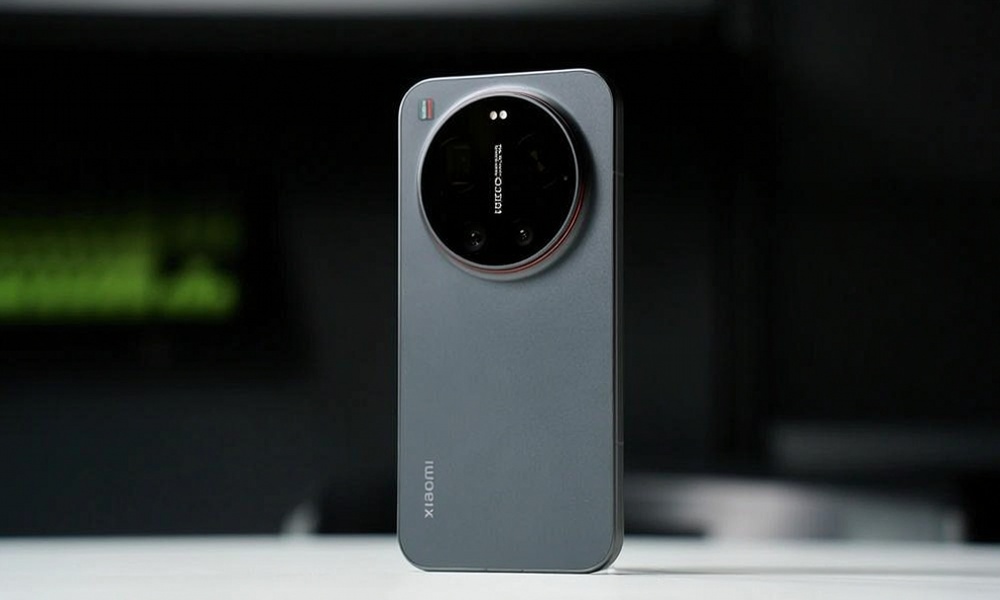

A while back, digital tech blogger @DigitalChatStation leaked specs for an ultra‑top‑tier flagship smartphone. Boasting 1‑mm ultra‑narrow bezels on all four sides, it scored over 5 million points in benchmark tests. The handset came equipped with stereo dual speakers, three 200‑MP large‑image‑sensor cameras and continuous optical zoom — a true spec‑heavy powerhouse, suspected to be the Xiaomi 18 Ultra.
However, the blogger then shifted tone, revealing the device had been scrapped. Constrained by cost considerations, its base 12GB+256GB variant would have carried a price tag of 9,999 yuan. Internal stakeholders deemed the price too steep and doubted it could deliver viable sales volumes.
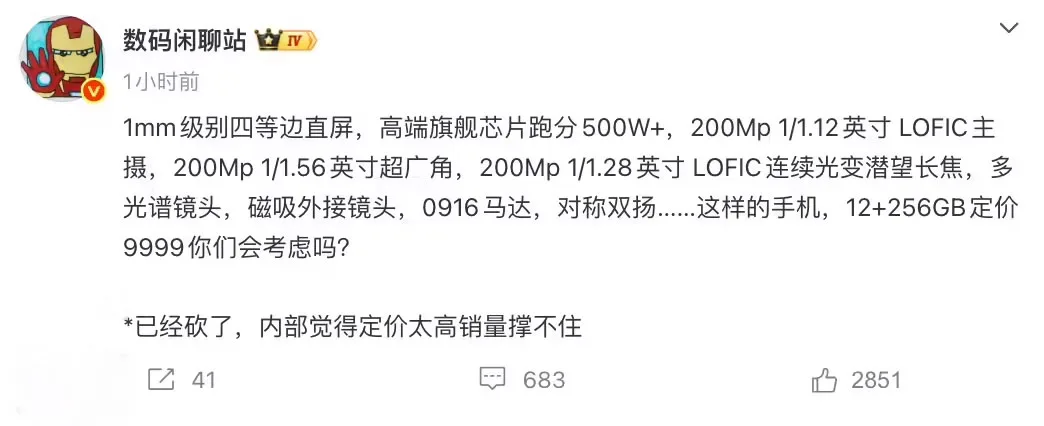
(Photograph source: Screenshot from Weibo)
Actually, Lei Tech (ID: leitech) found that as early as mid-August this year, X platform blogger @Kartikey Singh broke the news that Xiaomi had canceled the 18 Ultra. Meanwhile, the next-generation Ultra flagship models from OPPO and vivo will launch exclusively for the Chinese market and will no longer be released globally.
Ultra Models Get Axed One After Another, All Blamed on the Memory-Chip Price Surge
Since the smartphone era began, phone suffixes have undergone several iterations. In the end, Ultra has persisted as the badge for top-tier models, known among enthusiasts as the "ultra cup".
Traditionally, handset makers roll out standard, Pro and Pro Max variants of new flagships in autumn or winter each year, with the Ultra edition arriving the following spring. Netizens would then debate which device claims the crown as the new generation’s king of flagships. Yet the battle for the 2027 flagship crown may end before it even kicks off.
Xiaomi is not the first brand to scrap an Ultra model. The Huawei Pura 90 series, launched back in April this year, axed its Ultra variant first. Many netizens questioned at the time whether, without a 1-inch large sensor and dual telephoto lenses on a single sensor, the Pura 90 series could live up to its role as an imaging pioneer.
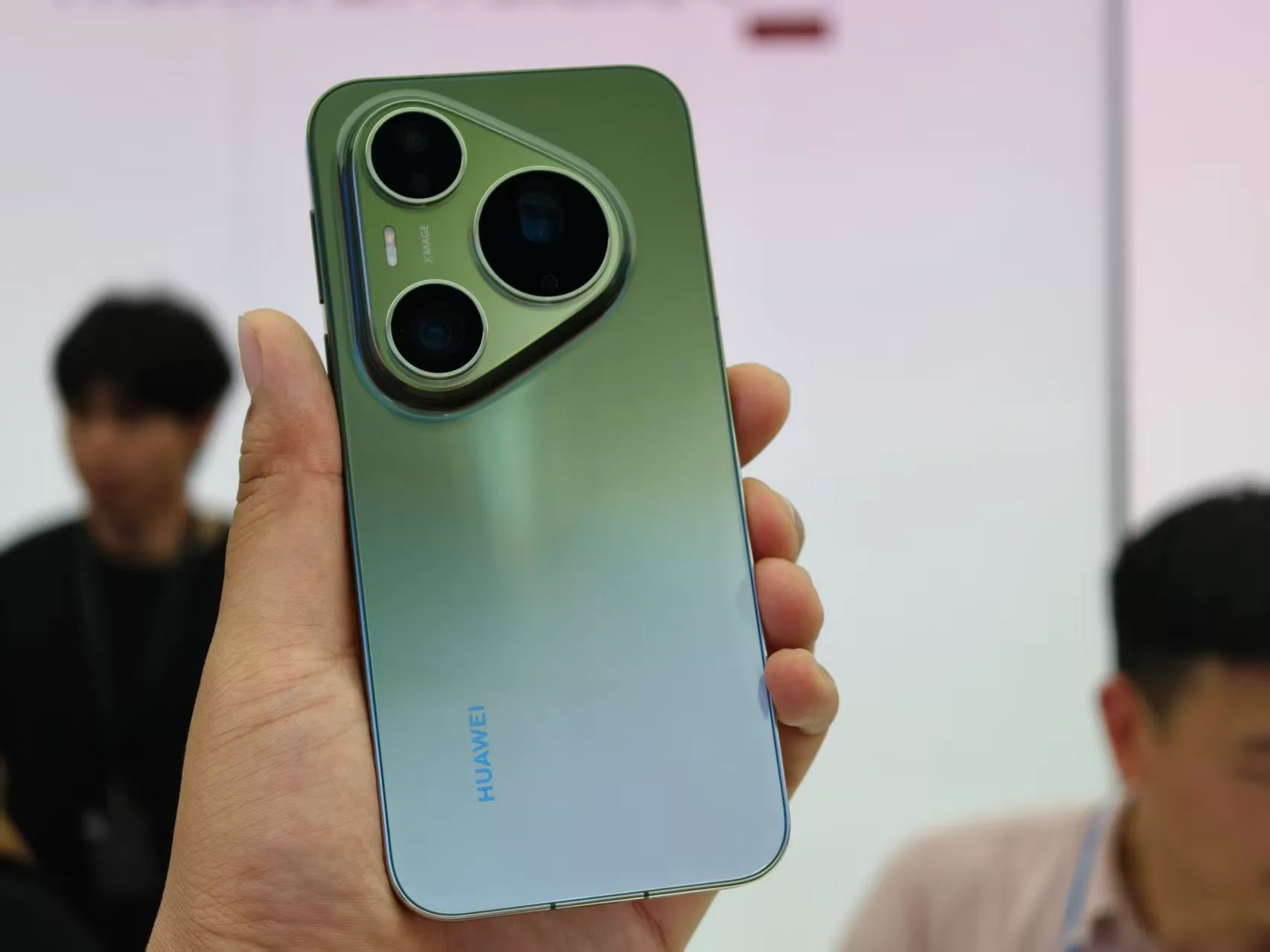
(Photograph source: LeiTech)
By August this year, @DigitalChatStation further revealed that a camera-focused handset targeting offline retail markets would drop its Ultra variant, suspected to be the Huawei nova 17 series.
When it comes to the Ultra models from OPPO and vivo, specs keep leaking while rumours of cancellation run rampant. Whether these devices will officially launch and hit shelves remains uncertain. What is clear is that smartphone manufacturers are trimming their product lineups.
The root cause lies in the slumping demand for flagship phones. Sales order data released by tech blogger @RD Observation shows that as of Week 40 of 2026 (September 28 – October 4), the vivo X500 series recorded around 143,800 units sold, the OPPO Find X10 series about 175,700 units, the Xiaomi 18 series roughly 284,600 units, and the Honor Magic 9 series approximately 209,400 units.
Compared with the Xiaomi 17 series, which topped one million sales within the first five days of availability, the Xiaomi 18 series posted dismal sales figures. OPPO and vivo’s new flagships also saw a notable drop in opening-week sales versus their predecessors.
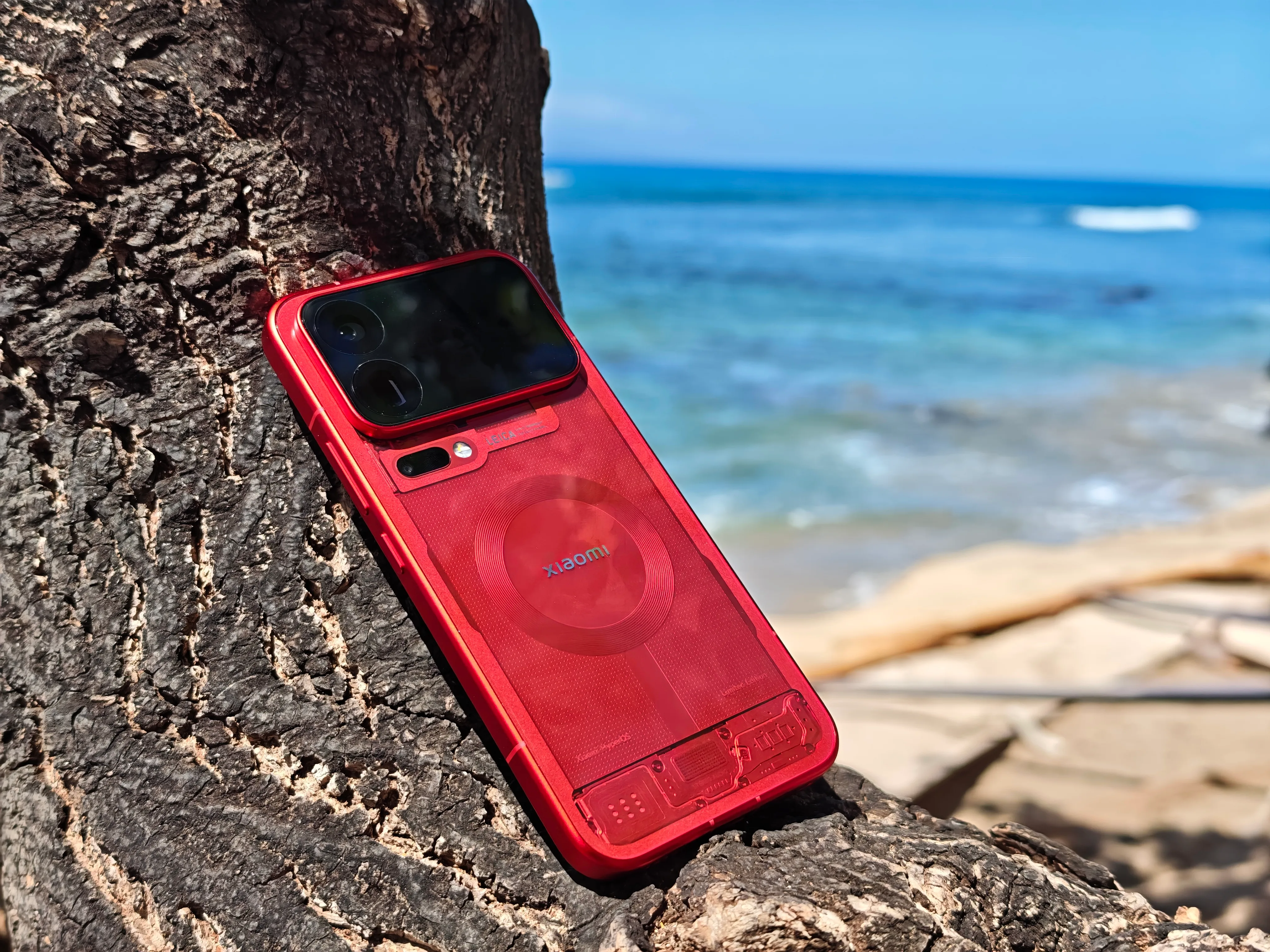
(Photograph source: LeiTech)
The AI vendors are to blame for phones getting pricier and selling poorly. Training and inference for large AI models create massive demand for memory chips, driving storage manufacturers to hike prices sharply. The cost of a 12GB+256GB memory-storage combo has soared from 500 yuan all the way to 2,200 yuan, pushing up handset hardware costs substantially.
As a result, new releases from major global smartphone brands have seen price increases of varying degrees. Even some models launched earlier this year or last year have gone up by several hundred to over a thousand yuan.
A few years ago, phone makers were locked in a race to boost memory capacities. Brands including OnePlus, REDMI, realme, RedMagic, nubia, iQOO and Honor rolled out phones equipped with 24GB RAM one after another. Today, however, 12GB has become the mainstream spec, and very few new devices ship with 24GB RAM in the short term.
Amid broad smartphone price hikes triggered by the memory surge, only brands with solid footing in the high-end segment such as Apple and Huawei have managed to sustain sales or even grow against the trend. Their products already carried higher price tags than Android flagships and were therefore less exposed to the memory price rally.
What consumers worry most about is whether flagship phone prices will fall back in the future, and whether Xiaomi’s Ultra line will make a comeback.
Led by Xiaomi, Is the Ultra‑flagship Era Coming to an End for Smartphones?
In May this year, @DigitalChatStation leaked that among Chinese manufacturers, only OPPO and vivo still retained the traditional Ultra flagship variant (excluding Honor RS models). At that time, some netizens raised a question: why did Xiaomi, which boasts stronger flagship sales, axe its Ultra variant while OPPO and vivo kept theirs? The reason may lie in Xiaomi’s massive investment in its EV business, which remains unprofitable, leaving the company under greater pressure to cut costs compared with OPPO and vivo.
As for whether Xiaomi’s Ultra line can make a comeback and whether OPPO and vivo will scrap their Ultra models down the line, the deciding factor will be storage chip prices.
(Photograph source: LeiTech)
Data from industry research firm TrendForce shows that the memory chip market will remain in short supply in Q4 2026. Conventional DRAM prices are projected to rise 10%–15% quarter-on-quarter, average selling prices for mobile DRAM will increase 0%–5% quarter-on-quarter, and NAND Flash prices are set to climb 15%–20% quarter-on-quarter.
While the upward momentum of memory chip prices has moderated compared with the first half of this year, costs are still on the rise. Lei Tech (ID: Leitech) forecasts that memory chip prices will stay elevated for the next two to three years. Against this backdrop, Ultra variants would carry starting prices of roughly 10,000 yuan, making it difficult for manufacturers to recoup R&D and production expenses.
If the industry remains stuck in a high-cost environment for an extended period, the Xiaomi Ultra model will likely not make a comeback anytime soon, and OPPO and vivo may also scrap their Ultra lines.
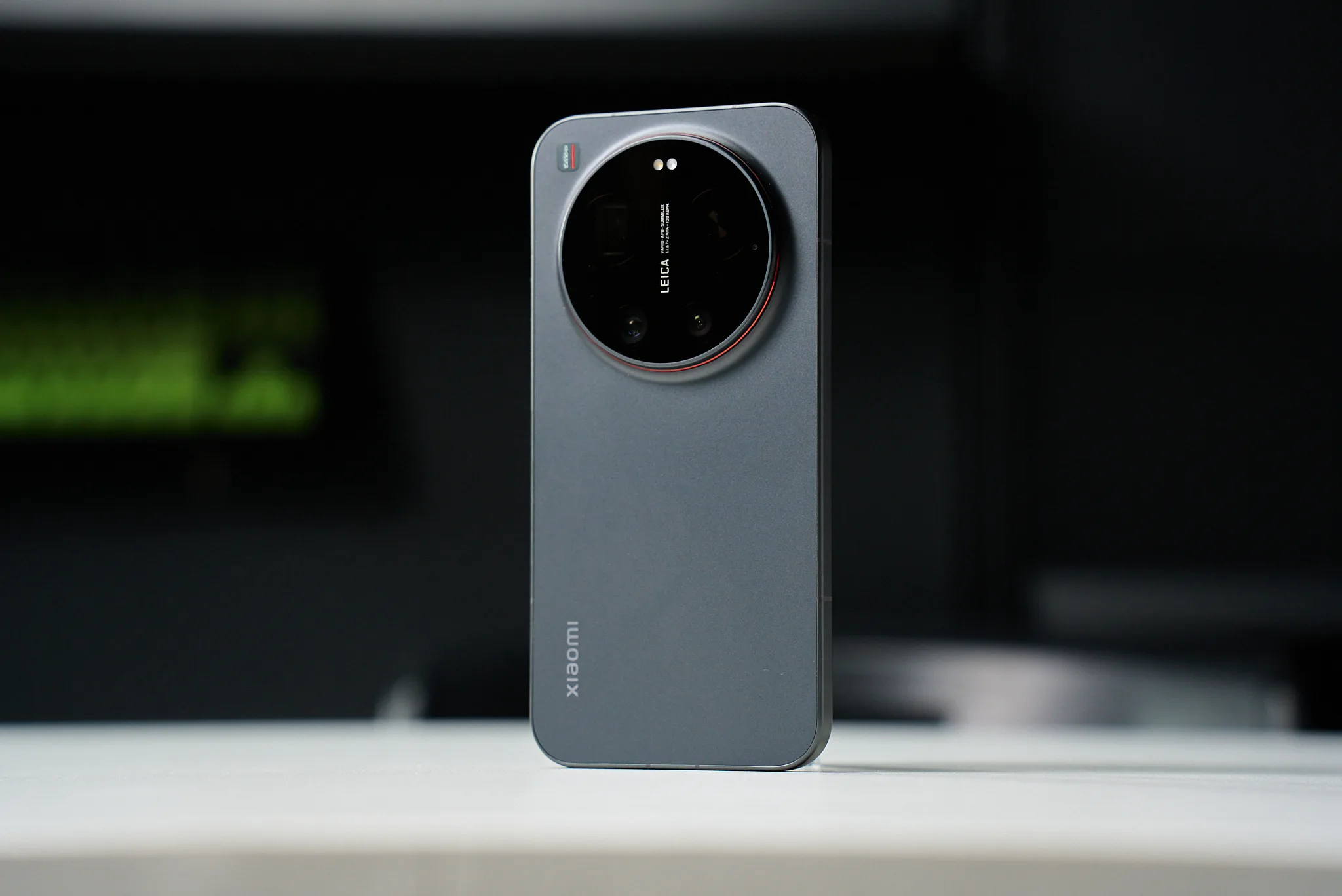
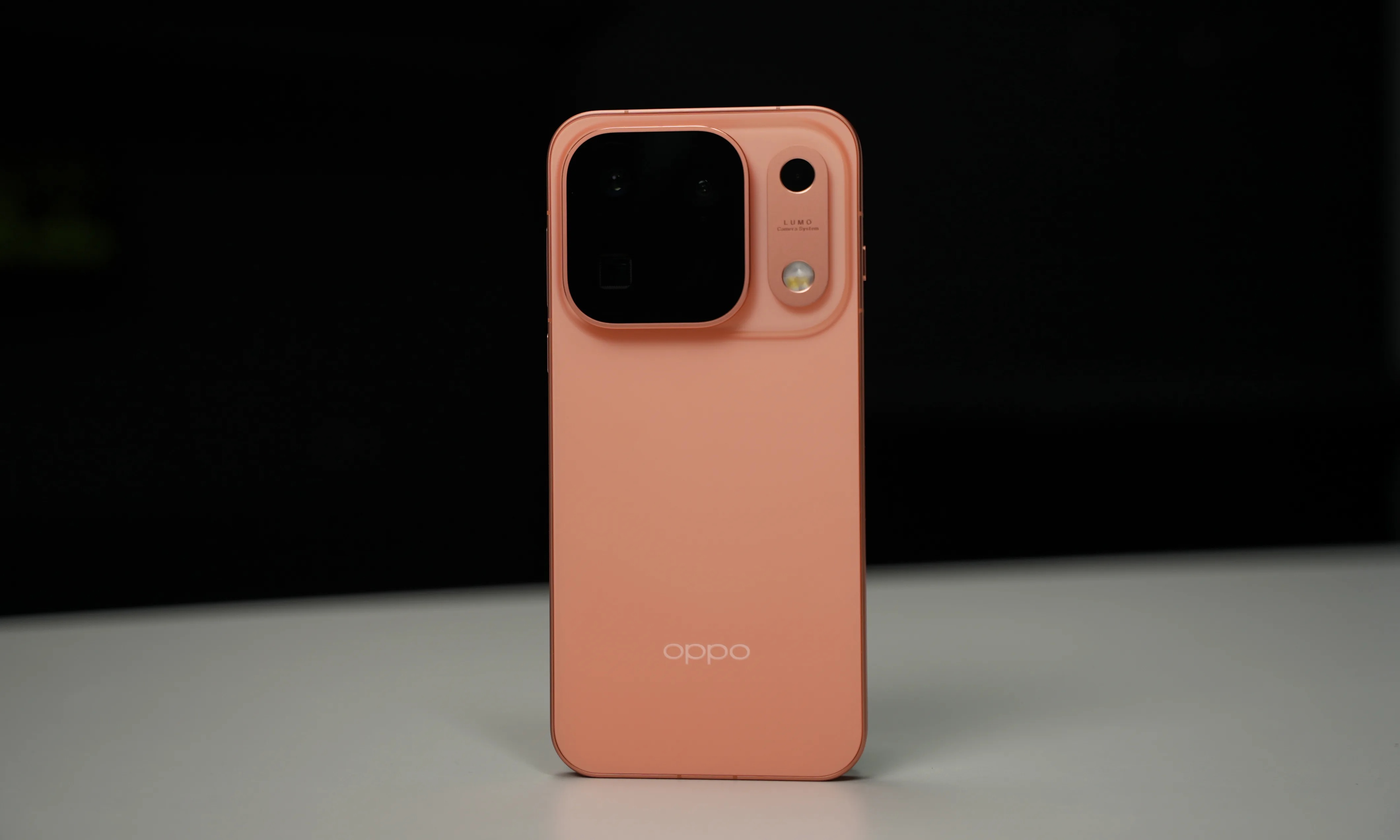
To address weak consumer demand amid higher flagship pricing, newly launched handsets this year have generally received upgraded specs. For instance, the OPPO Find X10 Pro Max features three 200MP cameras plus the second-generation Danxia Restoration Lens and LUMO Imaging Engine. The vivo X500 Pro Max inherits the 200MP periscope telephoto lens from the X300 Ultra and comes with a 2K 144Hz display. The Xiaomi 18 Pro Max is equipped with a Leica main camera paired with dual 200MP cameras, alongside triple speakers and a privacy screen.
(Photograph source: LeiTech)
In terms of specifications, the new‑generation Pro Max models from major Android manufacturers have drawn very close to Ultra variants. The gaps mostly lie in three areas: display resolution, main‑camera CMOS sensor size, and optical zoom magnification. In other words, even without Ultra editions, these Pro Max devices deliver an experience not far behind that of Ultra models.
Of course, for smartphone makers, Ultra variants are far more than just high‑priced handsets. They serve as a showcase and benchmark for a brand’s full technical prowess. Even if R&D and production costs cannot be recouped, Xiaomi will likely bring back its Ultra flagship sooner or later.
Lei Tech puts forward one possible scenario: manufacturers may shift Ultra‑grade models toward concept‑device status. Instead of mass production, these phones would exist primarily to demonstrate cutting‑edge technologies. This way, brands can drastically cut capital outlay during the manufacturing phase.
Ultra Models Prove Hard to Build; The Path to Smartphone Premiumization Remains Tough
Xiaomi 18 Ultra’s cancellation, on the surface, stems from memory chip price hikes that make cost recovery difficult. The deeper reason is that OPPO, vivo and Xiaomi have failed to anchor the high-end market through ecosystem and brand value the way Huawei and Apple have.
According to data released by @RD Observation, as of Week 40 of 2026, iPhone 18 Pro series sales hit 2.8909 million units. Huawei Pura X View recorded 494,000 units sold, while the Mate 90 series reached 270,200 units.
It is worth noting that the Mate 90 series launched on October 1, with roughly one fewer week on sale compared with Android flagships, yet its sales outperformed OPPO and vivo. As Huawei’s first wide straight-screen phone, the Pura X View created an entirely new form factor, prompting countless manufacturers to launch their own wide straight-screen projects following Huawei’s lead.
In the past, Android vendors tried to build a premium brand image via self-developed chips and under-display camera designs. However, building brand value cannot be achieved overnight and requires long-term commitment. Had Xiaomi not discontinued the MIX series, and followed the example of nubia and RedMagic to turn under-display cameras into its unique selling point, many Mi fans would still be willing to back the lineup today.
For consumers, there is no need to lament the demise of Ultra models. With upgraded specs, Pro Max variants deliver an experience increasingly close to Ultra versions at more reasonable price points. Even if all phone makers kept their traditional Ultra flagships, Lei Tech would not recommend budget-conscious ordinary buyers to pay extra for Ultra editions. The Pro Max variant suffices for most use cases.