
 雷科技





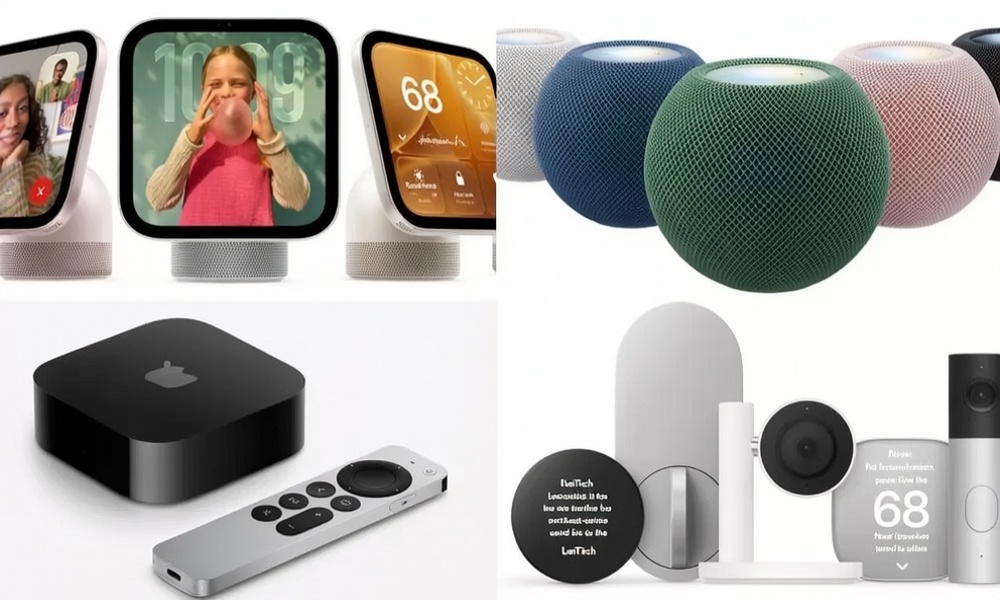

News update, October 14: Apple rolled out over ten new products all at once last night.
In the past, whenever Apple unveiled home-related hardware, the products would either get a brief mention at WWDC or be tacked on at the end of its fall keynote. It’s rare to see Apple drop more than ten new releases in one go like this.
A new broom sweeps clean. John Ternus, who has just taken over as CEO, clearly has no intention of following Tim Cook’s playbook.
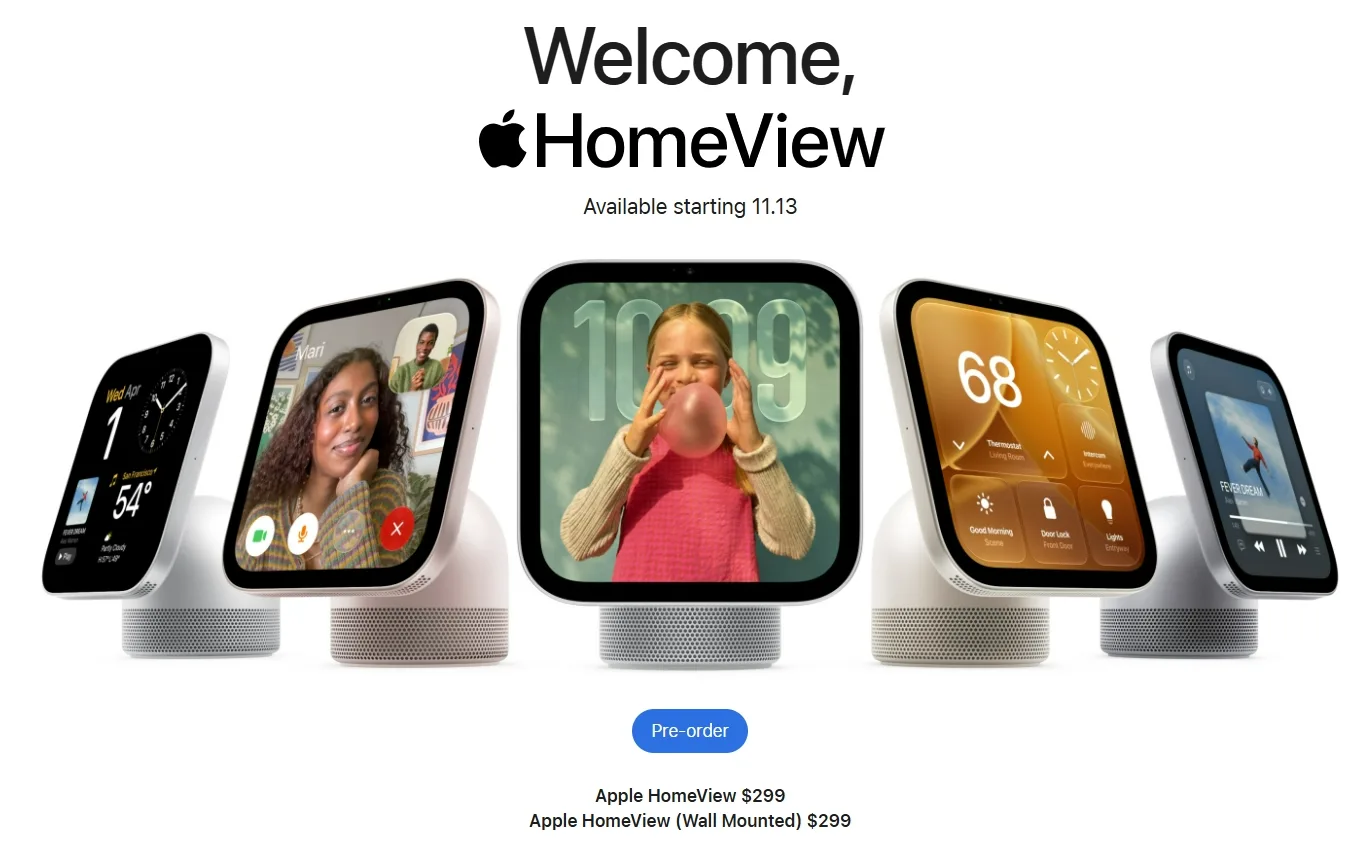
The most anticipated product is undoubtedly the long-rumored Apple HomeView. Essentially Apple’s version of a screen-equipped smart speaker, it is positioned as a smart home hub.
(Source: Apple’s official website)
It sports a 7-inch display and is powered by the A18 chip. It can sit on a desk or be mounted on a wall. You can make video calls, play music and view photos on it, as well as directly control smart devices across your home. It recognizes different family members; when each person approaches, their personal information will pop up.
Priced at $299, it will go on sale overseas on November 13, though there is no word yet on a China launch.
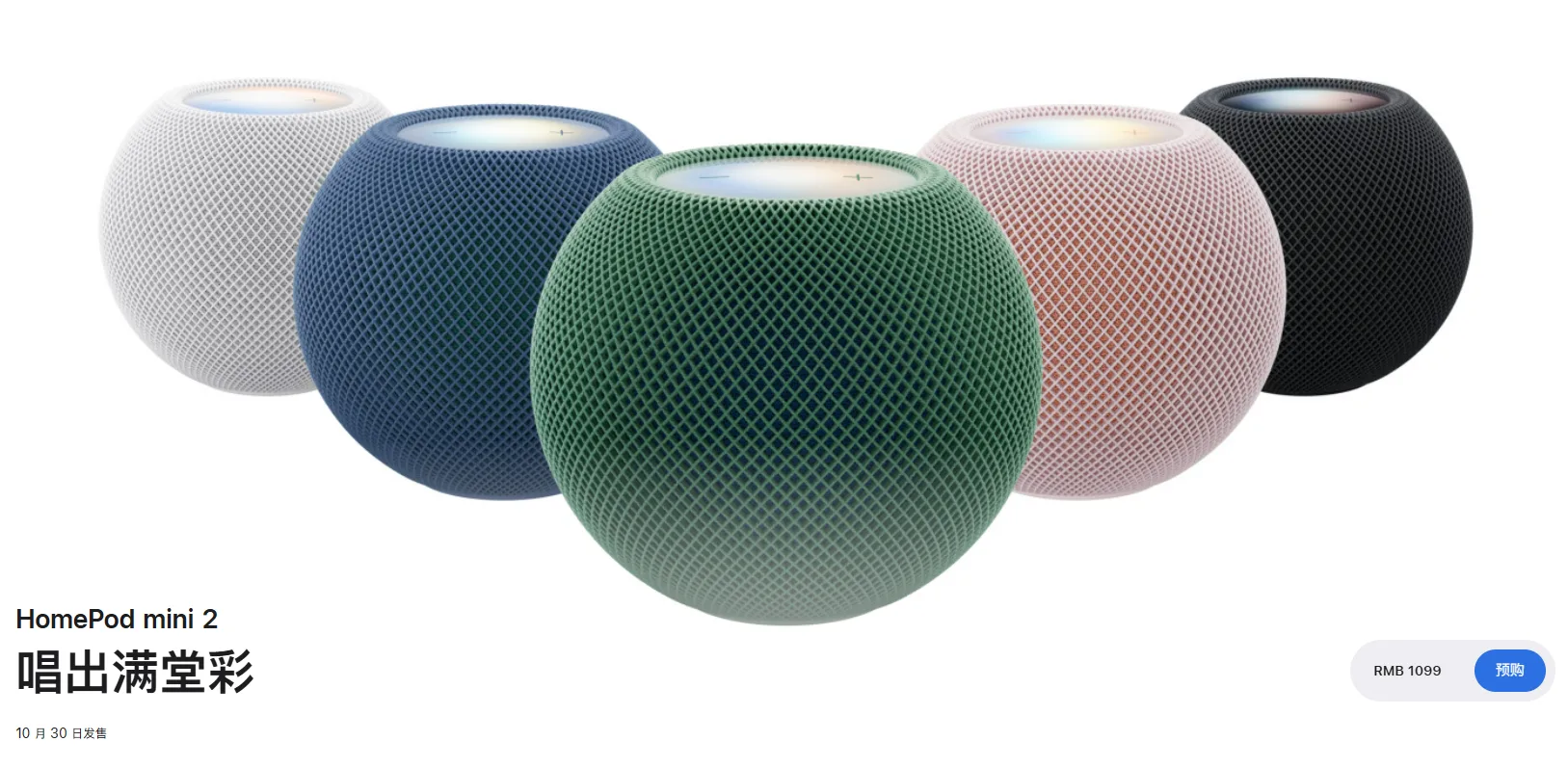
Next up is the familiar HomePod mini 2. This release has been six years in the making. Its predecessor dates back to 2020, and now it finally gets an update.
It comes with the S10 chip for improved sound quality, plus new lighting effects that pulse along with music. Future software updates will bring Siri AI support. When paired with the new Apple TV 4K, up to four units can be linked to create surround sound. It can even serve as the default speaker for Macs.
Several new color options have been added. Its vibrant palette makes it easy to match different home decor styles.
(Source: Apple’s official website)
For Chinese users, the key point is that among all products unveiled at this event, only the HomePod mini 2 will arrive in the Chinese market. The China version is priced at 1,099 yuan and will officially go on sale on October 30. Those eager to try it out can wait.
The third product is the new Apple TV 4K. It is a routine chip upgrade with boosted performance. It also starts at $299 and will be available in November. However, there has never been an official China version of this device, so it’s just for your reference.
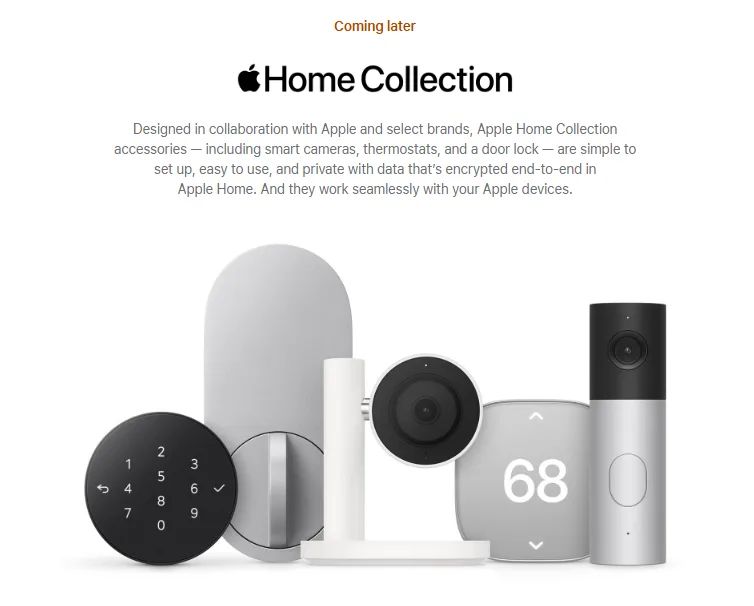
Beyond these three core hardware products, Apple partnered with LG and Schneider Electric to launch the Apple Home Collection, a lineup of smart accessories covering smart locks, video doorbells, cameras and thermostats.
One major convenience is that these devices require no complicated network setup. Simply tap them with an iPhone to pair. All devices can be managed centrally in the Home app. The first batch will hit the market this December.
(Source: Apple’s official website)
Xiaolei Bibi (ID: xiaoleibbb) finds that when it comes to smart hardware, the ultimate competition hinges on how tight the ecosystem is, rather than how powerful a single product can be.
Xiaomi got an early start in this field, and Huawei is now catching up rapidly. Both have been promoting the concept of whole-home intelligence for years. Apple, by contrast, has been building its smart home business for exactly 12 years.
Yet over those 12 years, Apple’s smart home efforts have always come across as half-hearted.
The platform was built long ago, and there is a decent range of third-party accessories. However, Apple’s own hardware lineup remained tiny with glacial update cycles — the HomePod mini went six years between refreshes.
Siri has long been mocked as a dumb AI assistant. It struggles not just with whole-home control; sometimes it even mishears simple alarm-setting commands.
This time, though, things are different. Ternus officially took over as CEO in September. Barely more than a month later, he held a dedicated event focused squarely on smart home products, rolling out a full product lineup in one go.
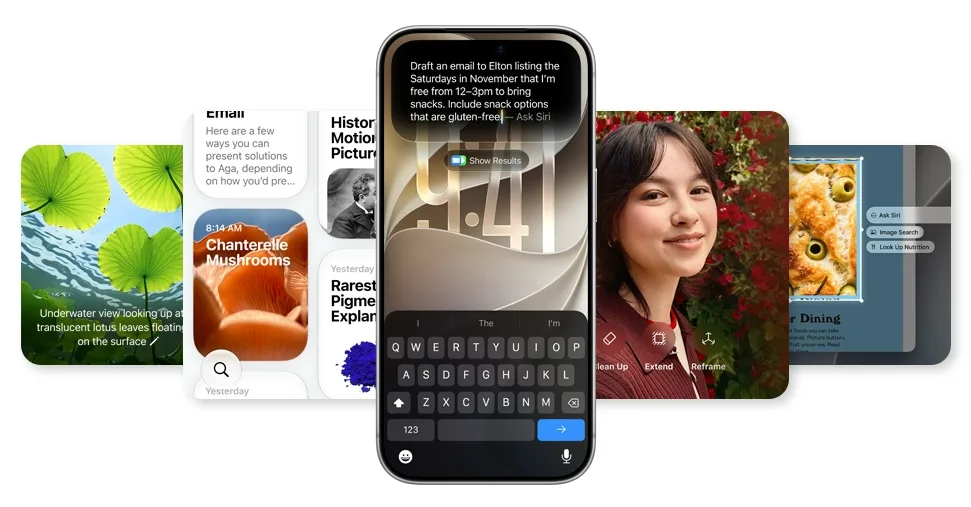
Xiaolei sees his strategy: he intends to make AI the core competitive edge of Apple’s smart home ecosystem.
(Source: Apple’s official website)
That said, idealism meets reality. At least for mainland Chinese users, the benefits of this wave remain largely out of reach—for now.
Apple’s AI framework has yet to officially launch in mainland China. Siri AI currently supports English only; users in China continue relying on the legacy version of Siri on HomePod devices.
Without AI—the soul of modern smart homes—the overall experience is effectively halved. Basic functions like toggling switches or playing music work fine, but natural-language dialogue and intelligent scene-based automation remain off-limits.
Moreover, beyond the HomePod mini (2nd generation), neither HomeView, the new Apple TV 4K, nor the broader Apple Home Collection accessories have confirmed availability in mainland China. Apple may have drawn an ambitious smart home roadmap—but for Chinese users, only the smallest slice is currently accessible.
Apple’s commitment is unmistakable: the new CEO’s first strategic priority is the smart home.
Yet LeiTech believes Apple must first localize its Apple AI platform in mainland China before expecting Siri AI to become a true differentiator in the smart home market. Otherwise, even the finest hardware and most cohesive ecosystem will deliver little value to users who cannot access them.
Finally, we’d love to hear from you: Which of Apple’s new smart home products are you most excited about? Feel free to share your thoughts in the comments below.