
 雷科技





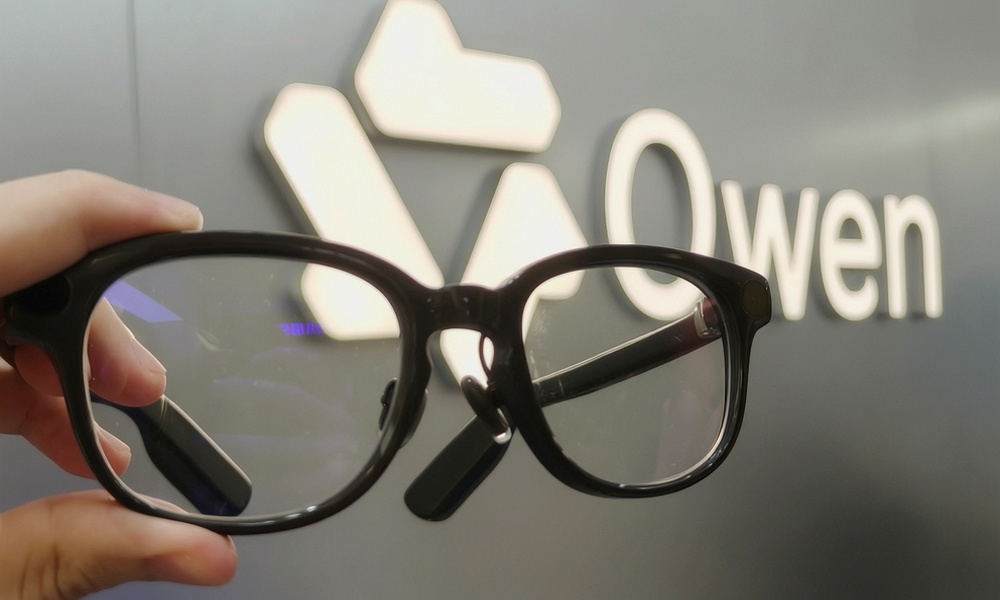

Alibaba’s new-generation Qwen AI glasses and its first AI clip-on earbuds have finally arrived.
On October 13, Alibaba officially launched the new Qwen AI Glasses N1 and N1 Pro, alongside the Qwen AI clip-on earbuds, which go on sale immediately. As the brand’s first AI earbuds, the Qwen AI clip-on earbuds feature a non-intrusive clip-on design. Their launch price is 1,099 yuan (original price: 1,299 yuan).
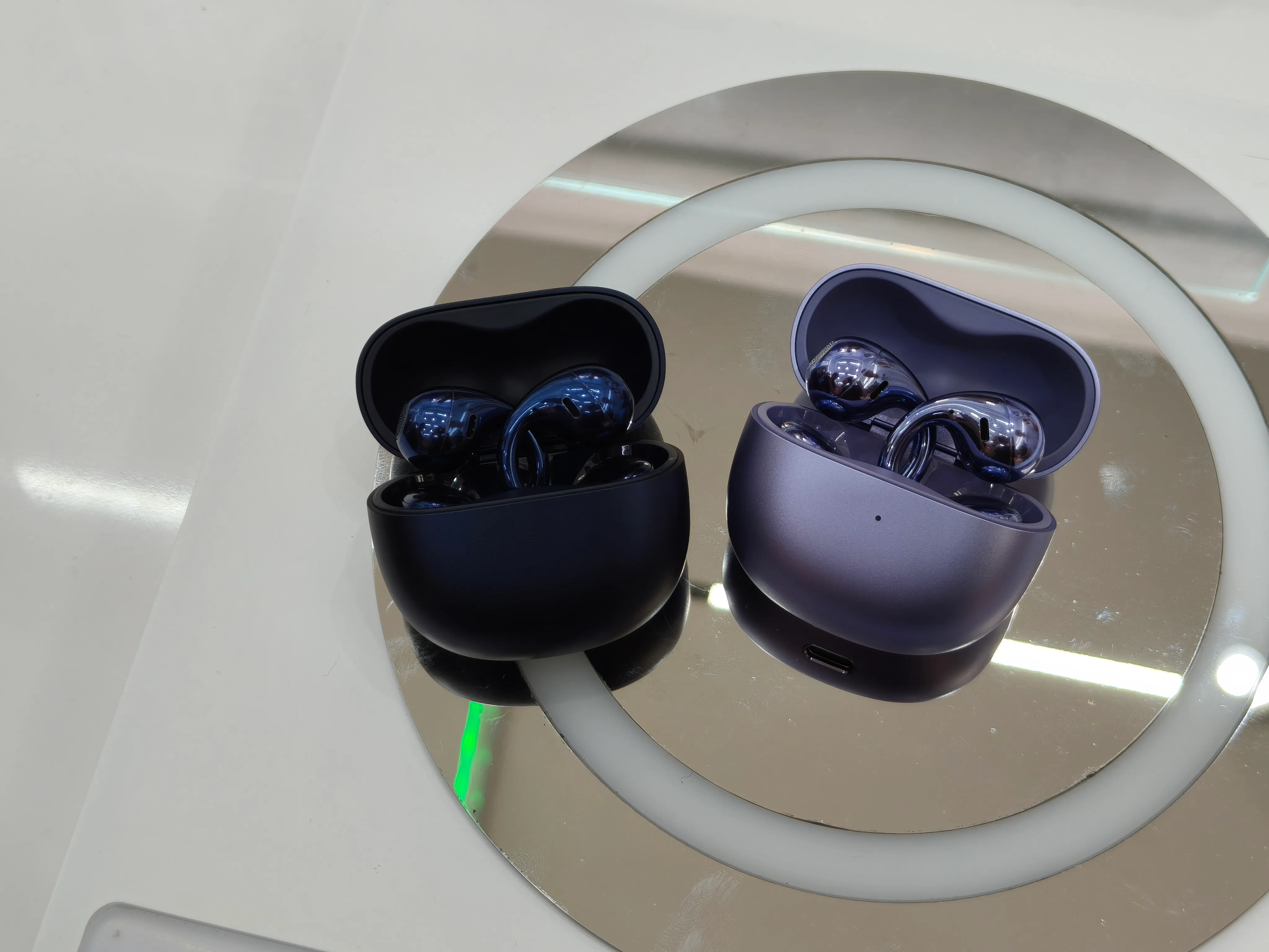
Image Credit: LeiTech
The N1 is positioned as a screen-free AI recording glasses for life logging and daily use, featuring first-person shooting, AI inspiration album, audio note-taking and other functions. The standard package starts at 2,899 yuan (as low as 2,218 yuan after national subsidies). The N1 Pro is a screen-free flagship model built upon the N1 with enhanced interaction and health sensing capabilities. It supports eye-tracking Q&A, iris payment and proactive health features. The standard package is priced at 3,399 yuan (as low as 2,600 yuan after national subsidies).
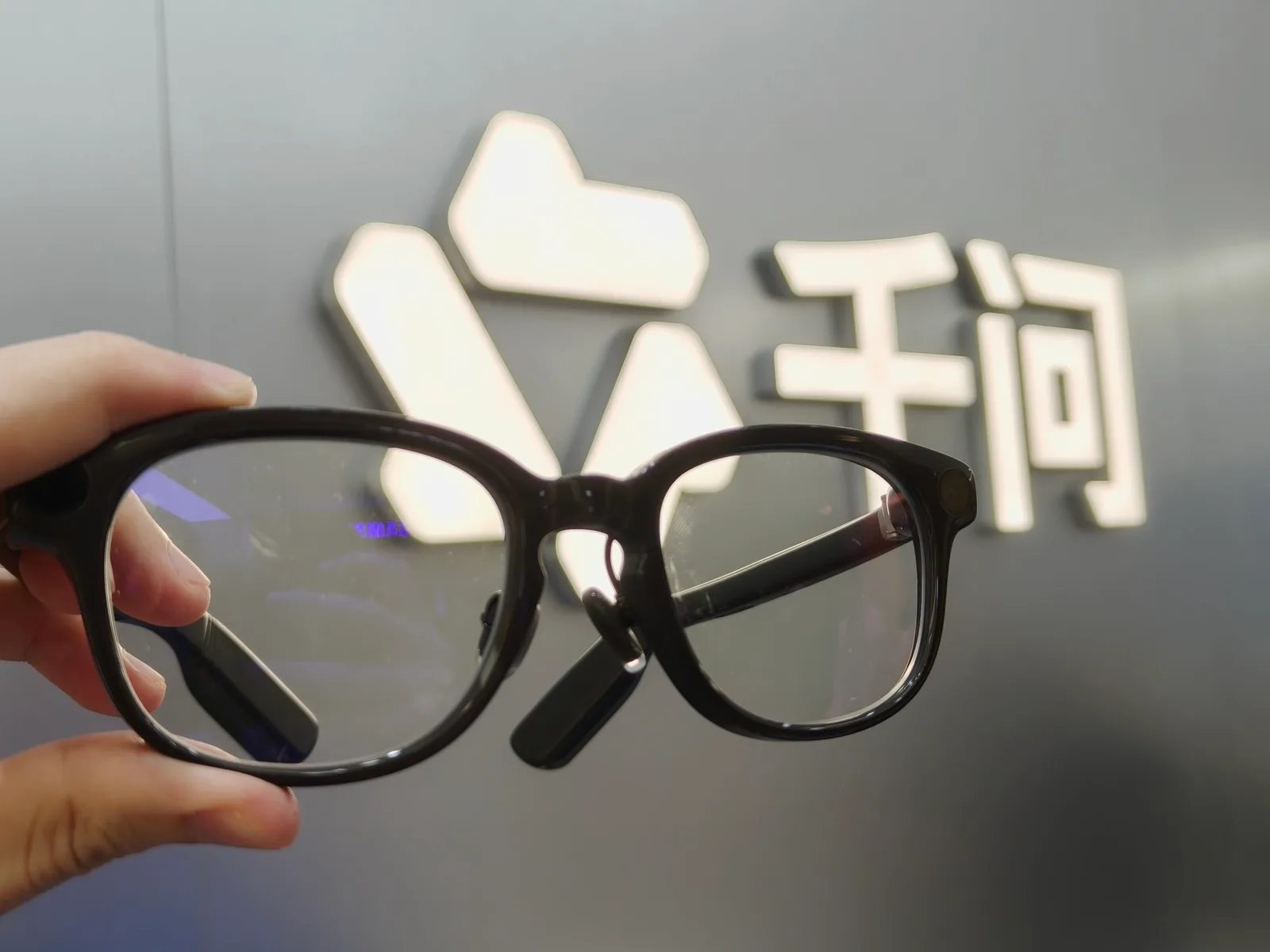
Image Credit: LeiTech
s this reasonable?
Just over half a month ago, Alibaba showcased a lineup of new AI hardware products at the 2026 Yunqi Conference, including these three devices, drawing crowds of on-site visitors. Leikeji also covered the event at that time: https://www.leikeji.com/article/79702
Behind this lies Qwen’s newly proposed Personal Agent concept. An Agent that truly understands you must first gather sufficient context. Beyond smartphones, different hardware units provide distinct sensory entry points.
The new Qwen AI Glasses N1 series serves as a direct example. Compared with the previous-generation G1 model, the new products further boost camera and AI capabilities. The N1 Pro adds health monitoring, eye tracking and iris recognition. It enables “ask about whatever you look at” — Qwen can determine your query based on your gaze. Iris authentication also cuts down confirmation steps during payments…
The momentum for Personal Agents is building rapidly. Qwen unveiled its Personal Agent iteration roadmap as early as the Yunqi Conference. What changes can Qwen’s AI hardware bring to the table?
At the end of the day, everything comes down to product experience.
Three new AI hardware products launched at once — where does Qwen stand now?
One day before the release, Leikeji was invited to the 2026 Qwen AI Hardware new-product experience event held at White Goose Pool MixC in Guangzhou.
As Guangzhou’s newly popular landmark, White Goose Pool MixC still saw heavy foot traffic even on a weekday afternoon. Qwen’s experience store is located here. On display were not only the newly launched Qwen AI Glasses N1, N1 Pro and Qwen AI clip-on earbuds, but also the Qwen AI Glasses G1 and S1 released earlier this year.
Let’s start with the Qwen AI clip-on earbuds. As Qwen’s first AI earbuds, they boast solid build quality and premium texture. They deliver a non-intrusive wearing experience and have no left/right ear distinction.
According to the introduction, Qwen partnered with Bose for sound tuning. Coupled with high-quality speaker drivers, audio performance is one of its core selling points. That said, the venue was quite noisy, so a full assessment will depend on follow-up real-world testing.
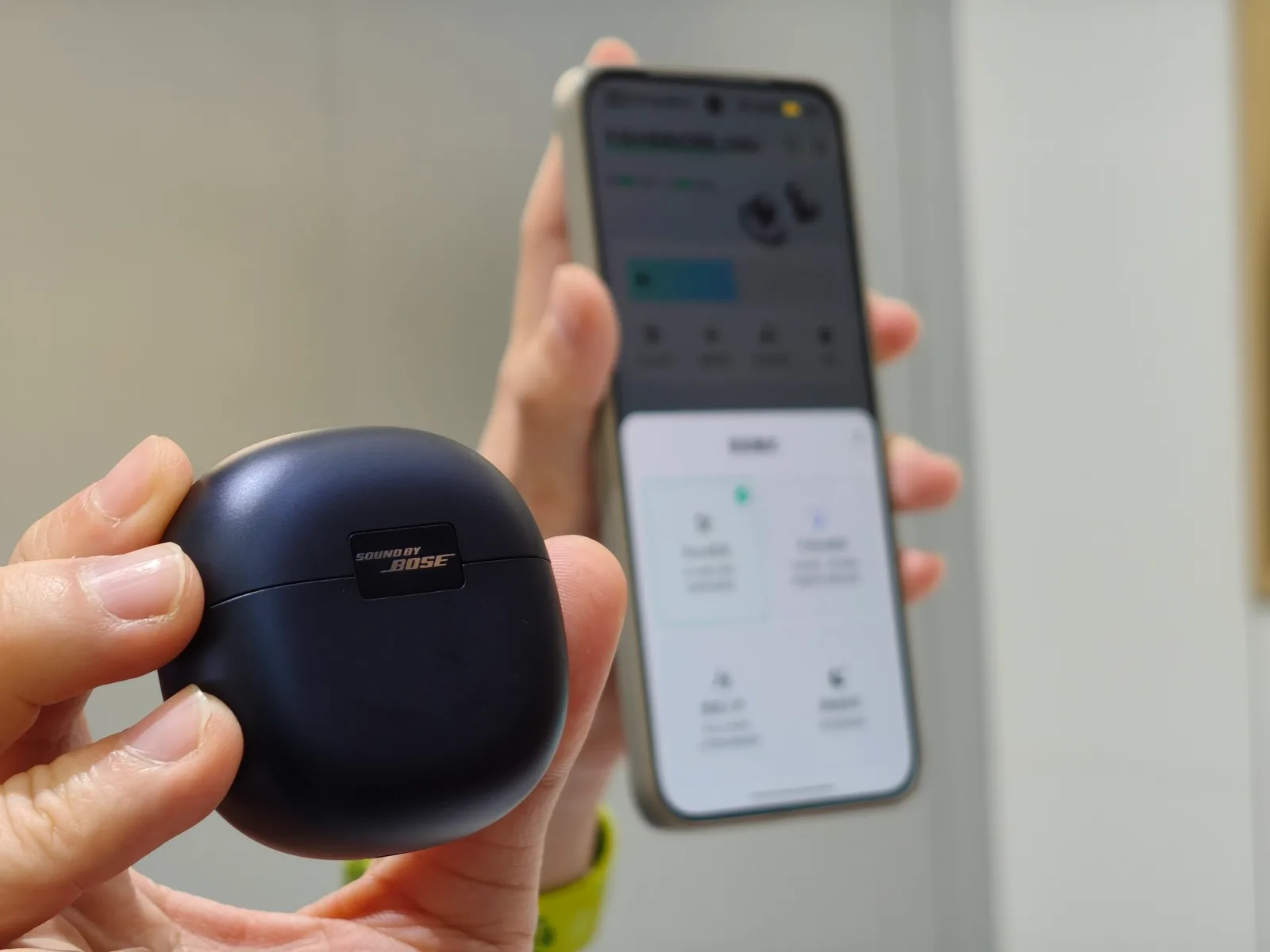
Image Credit: LeiTech
Of course, the "specialty" of Qwen AI clip-on earbuds mainly lies in its AI experience.
It should be noted that the Qwen AI clip-on earbuds offer different use cases for different groups of users. First, users can pair them with the Qwen AI Wear App to use them as conventional AI earbuds. Powered by Qwen’s custom large language model, they deliver a comprehensive feature set, including music playback, audio summarization/transcription, translation, health tracking and the full suite of exclusive hardware applications.
Second, pairing with the Qwen App enables voice access to all native AI capabilities within the Qwen App for handling a wide range of AI-powered tasks. In this mode, the earbuds act more as an extension of the Qwen App, providing always-on, portable AI voice interaction.
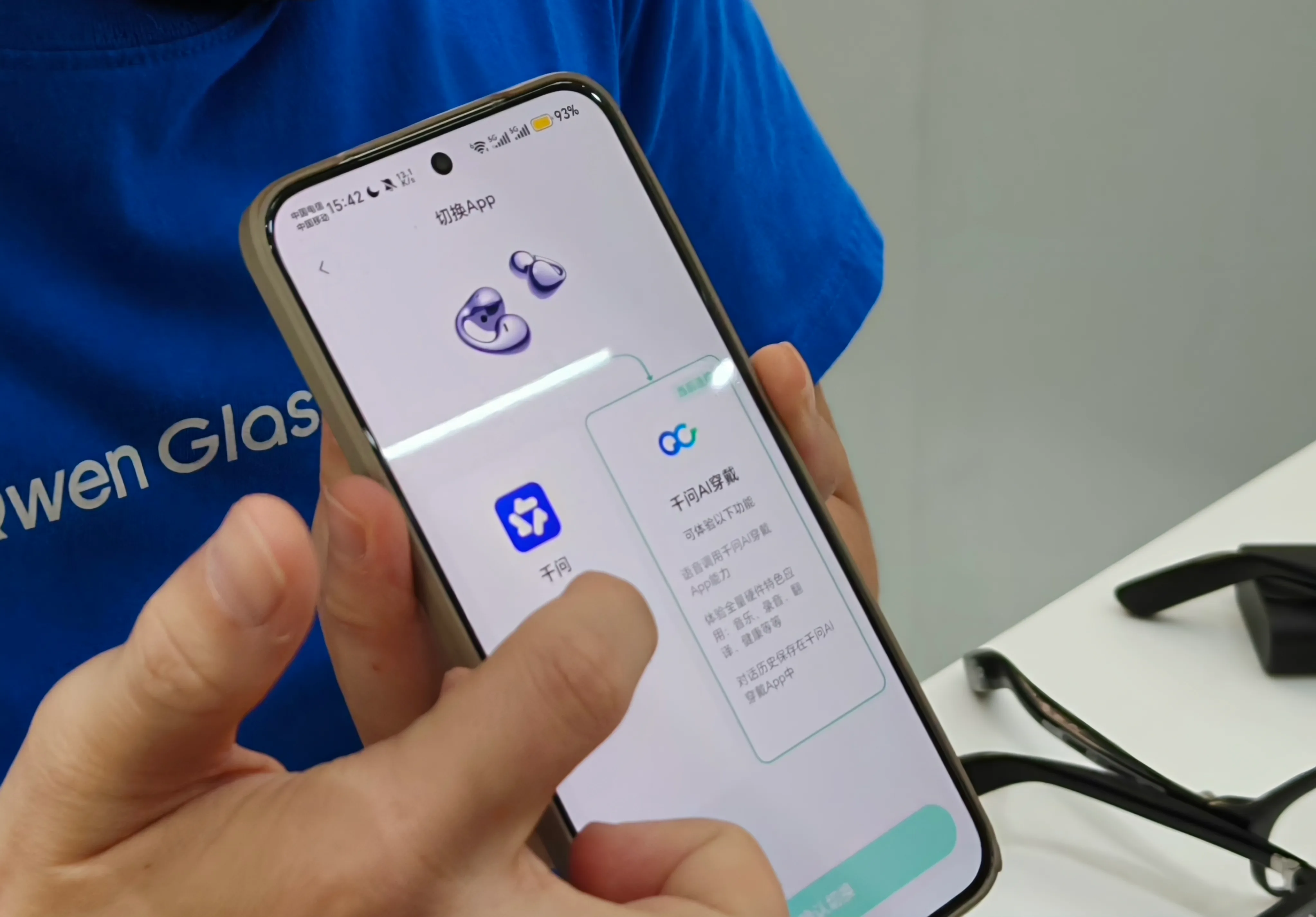
App-switching capability; Image Credit: LeiTech
Notably, the Qwen AI clip-on earbuds support face-to-face translation. One earbud delivers Chinese-to-English output while the other handles English-to-Chinese translation. This eliminates the pain point of older AI earbuds and glasses, which relied on smartphone speakers for Chinese-English translation.
As for the Qwen AI Glasses N1 and N1 Pro, they share an identical design while their cameras have been upgraded to 50 megapixels. Night performance is said to see substantial improvements, which we will keep an eye on. Beyond that, the N1 Pro better embodies Qwen’s vision for Personal Agents.
Simply put, the “Pro” upgrades of the N1 Pro lie in health monitoring, always-on sensing and proactive intelligence. While keeping nearly the same weight and battery capacity as the N1, the N1 Pro packs extra eye-tracking and iris recognition modules into the frame. Sensors are even integrated into the left and right nose pads to enable monitoring of blood oxygen, heart rate, HRV (heart rate variability), stress level, body temperature, eye health and cervical spine health.

Differences between N1 Pro (top) and N1 (bottom): nose pads (for heart-rate and other sensors) and frame center (iris recognition); Image Credit: LeiTech
In terms of battery life, both models are rated for up to 9 hours of typical use. They also retain the previous hot-swappable battery design, which largely eases the battery anxiety that plagues AI glasses.
Additionally, the N1 Pro adds forward sound pickup for audio recording. It captures sound more precisely during speeches, lectures and similar scenarios, boosting the accuracy and practicality of audio transcription.
This engineering feat can be described as “building a temple inside a snail shell”.
This approach may inspire many manufacturers. Since nose pads are an indispensable part of eyewear, their internal space can be fully leveraged. However, this also creates a challenge: high integration makes the nose pads difficult to replace. The durability of the nose pads over long-term use remains to be verified.
More importantly is the direction represented by the N1 Pro. Health monitoring enables Qwen to gain a more accurate understanding of the user’s personal physical state and proactively offer health recommendations. Eye tracking works not only for eye health management but also reduces friction in everyday AI interactions, letting users use their gaze instead of manual taps or lengthy verbal descriptions. Iris recognition likewise cuts down friction for in-glass payment scenarios while guaranteeing payment security.
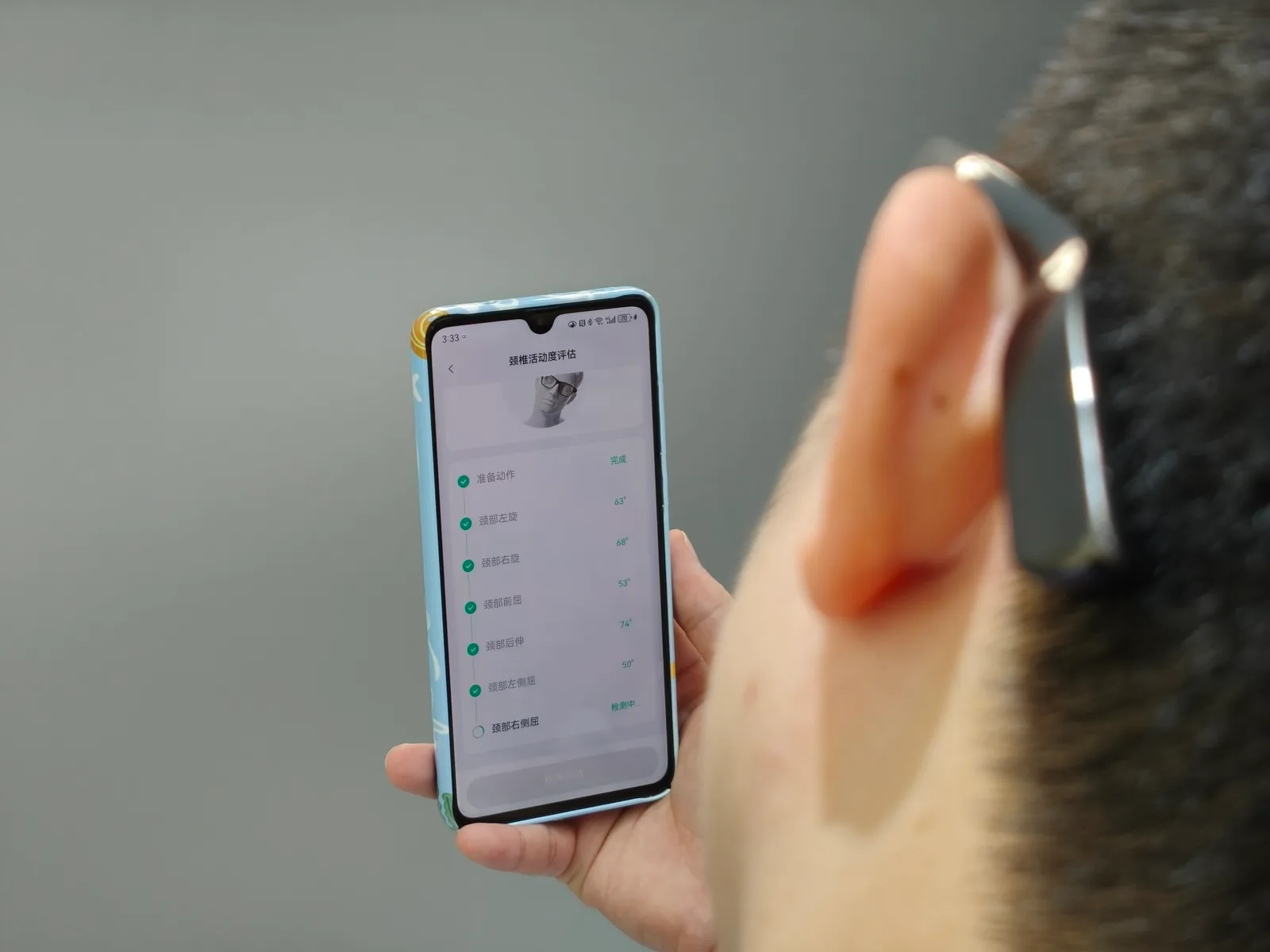
Cervical spine monitoring calibration; Image Credit: LeiTech
Meanwhile, the brand-new "AI Inspiration Gallery" delivers emotional value, automatically transcribes identified meetings, and proactively pushes content tailored to scenarios. It intelligently and voluntarily documents your daily life while safeguarding privacy.
As noted earlier, for an Agent that truly understands you, access to sufficient context is fundamental. Beyond smartphones, diverse hardware unlocks distinct sensory input channels.
Personal Agents: The New Competitive Frontier for AI Hardware
The boom in personal agents has given AI hardware a concrete direction for iteration.
In the past, using AI usually required extra effort: you had to tell it who you are, what you are doing, and what you need. As models grow more capable and handle increasingly complex tasks, repeatedly explaining context becomes a burden for a personal agent designed to serve you on the go.
AI ear clip headsets let you casually voice requests naturally. AI glasses, by contrast, seek to help AI grasp the real-world context behind your words via sight, audio and physical signals. In terms of user experience, eye tracking saves you the trouble of describing targets, and iris authentication streamlines identity verification — these are tangible improvements.
The grand vision of personal agents ultimately advances incrementally through such small refinements.
From this perspective, Alibaba’s thinking on AI hardware has become clearer. The Qwen App is expanding its capability to complete tasks, while smart glasses and headsets work to feed real-life events into Qwen. If these two components can be further integrated, AI will be able to deliver more appropriate services based on your current situation, and even detect needs you have not yet voiced.
That said, questions remain to be answered through real-world usage: when proactive services should activate, whether they cause disruptions, and whether users retain control over what data gets recorded. For smart glasses and headsets, wearability, battery life, audio quality and even the durability of nose pads will also determine whether users are willing to wear them long-term.