
 雷科技





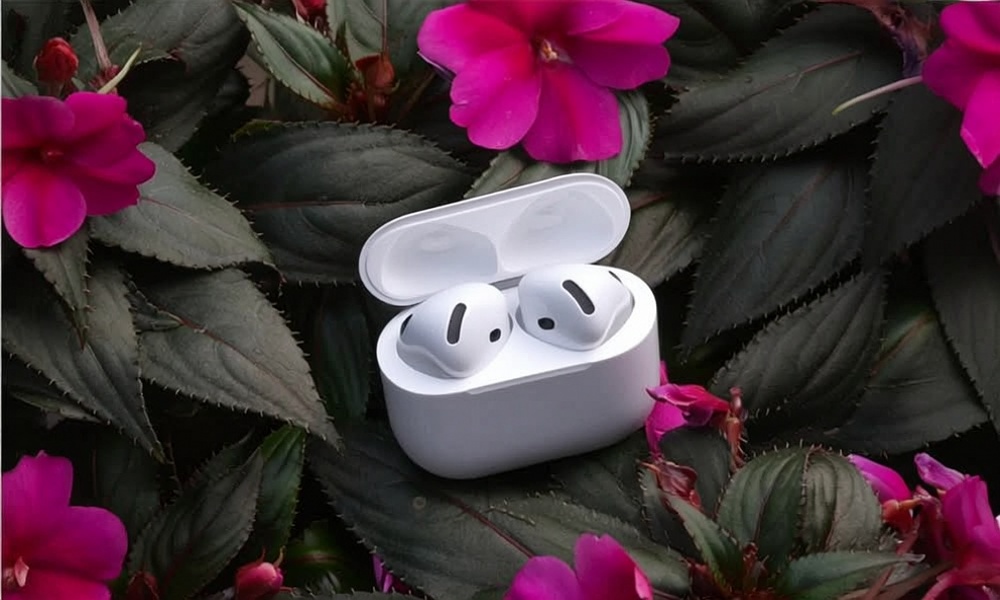

When it comes to noise-canceling headphones, there is a classic question: how dramatic is the change in noise level when you put on or take off a pair of noise-canceling headphones in a noisy environment? The answer to this question largely shapes purchasing decisions for noise-canceling headphone buyers.
The success of Bose QC series, Sony XM series and Apple AirPods Pro series all bears this out.
After all, humans are sensory beings. Our most direct perception of the world usually comes from what we see, hear and touch. Noise-canceling headphones are arguably among the consumer electronics products that most directly interfere with human senses.
From the perspective of noise cancellation, the AirPods 5, recently launched by Apple, is already an impressive upgrade over the previous AirPods 4 ANC. Its classic semi-in-ear design also greatly addresses wear comfort — currently the biggest pain point of in-ear noise-canceling TWS earbuds. What’s more, against a backdrop of widespread price hikes across the consumer electronics market, the AirPods 5’s China pricing of ¥999 / ¥1149 makes it highly competitive. So just how capable is this product at noise cancellation? Leitech put it to the test.
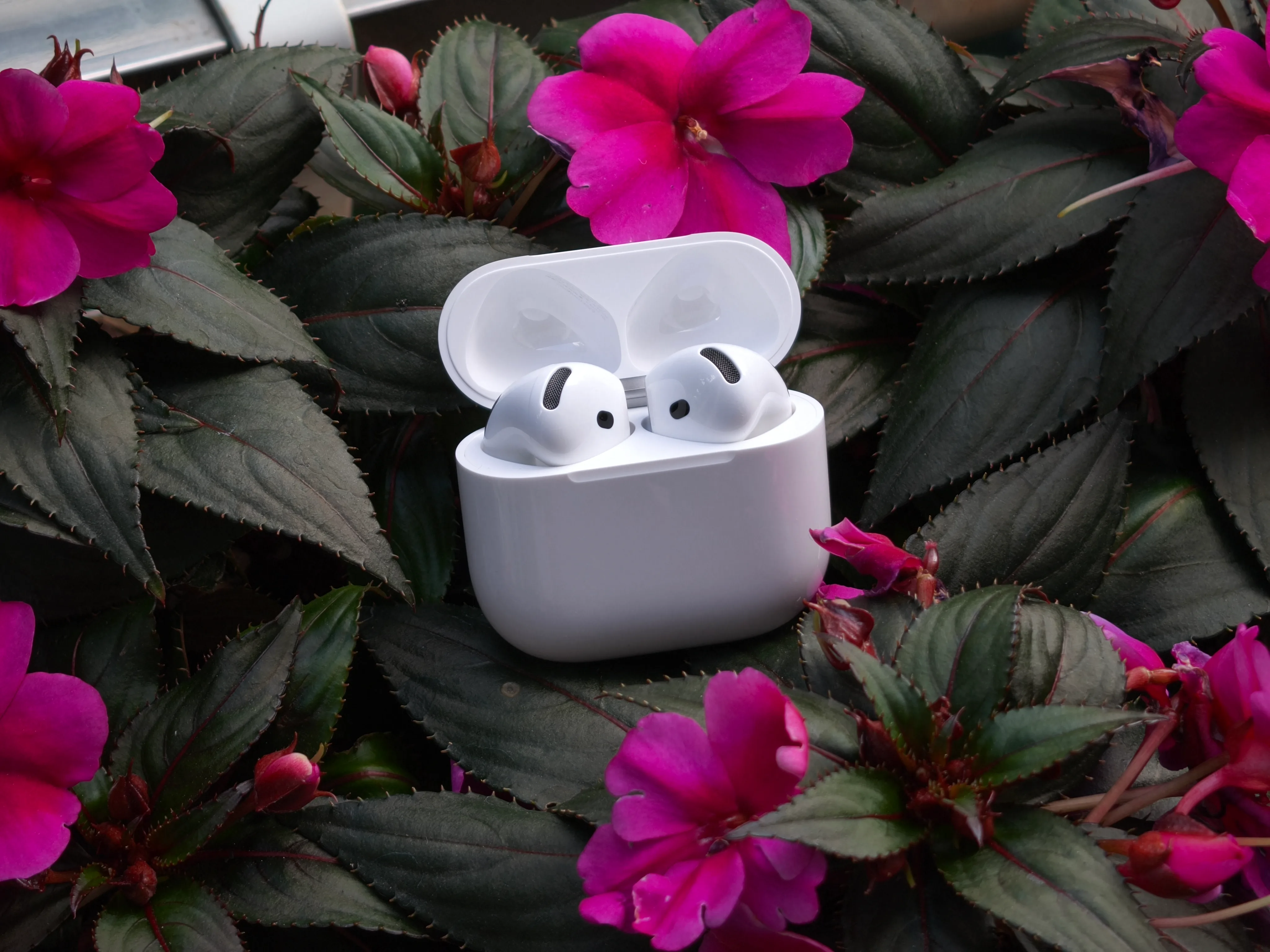
Image Credit: LeiTech
Semi-In-Ear Noise Cancellation Nears Perfection, High Frequencies Remain Its Only Weakness
For context, my daily headphone lineup includes the Moondrop EDGE 2 over-ears, OPPO Enco Free 4 in-ears, and Shokz OpenFit 2 open-ear earbuds. The AirPods 5 obtained by Leitech for this test is the higher-spec variant, featuring longer battery life, wireless charging for the case, and touch-based volume control.
When it comes to core noise cancellation, all AirPods 5 models receive identical upgrades over the AirPods 4 ANC. According to Apple, AirPods 5 can reduce up to 50% more external noise compared with AirPods 4 ANC.
This figure comes from official lab testing. To gauge its real-world usefulness, you have to wear them in your usual environments.
Based on my experience at least, AirPods 5 come quite close to meeting my noise-canceling needs. With ANC enabled in the office, steady low-frequency sounds like air-conditioner operation barely register. I can still hear colleagues talking and keyboard clicks, but their prominence is drastically reduced.
Play some music at a moderate volume, and surrounding voices fade into the background. Only my own typing remains fairly noticeable — and that’s pretty solid. Even the Moondrop EDGE 2 and OPPO Enco Free 4 cannot eliminate keyboard noise with their ANC.
That said, keyboard taps can also be seen as necessary auditory feedback while typing, and the volume stays within my acceptable range.
The contrast brought by AirPods 5’s ANC becomes more striking in shopping malls and subway trains. Its capable mid-frequency performance was expected, yet the low-frequency noise cancellation exceeded my expectations. Riding the Guangzhou Metro with music playing at low to medium volume, the low-frequency rumble I had worried about did not turn out to be a flaw. Instead, most distracting noise came from sharp friction sounds and station announcements.
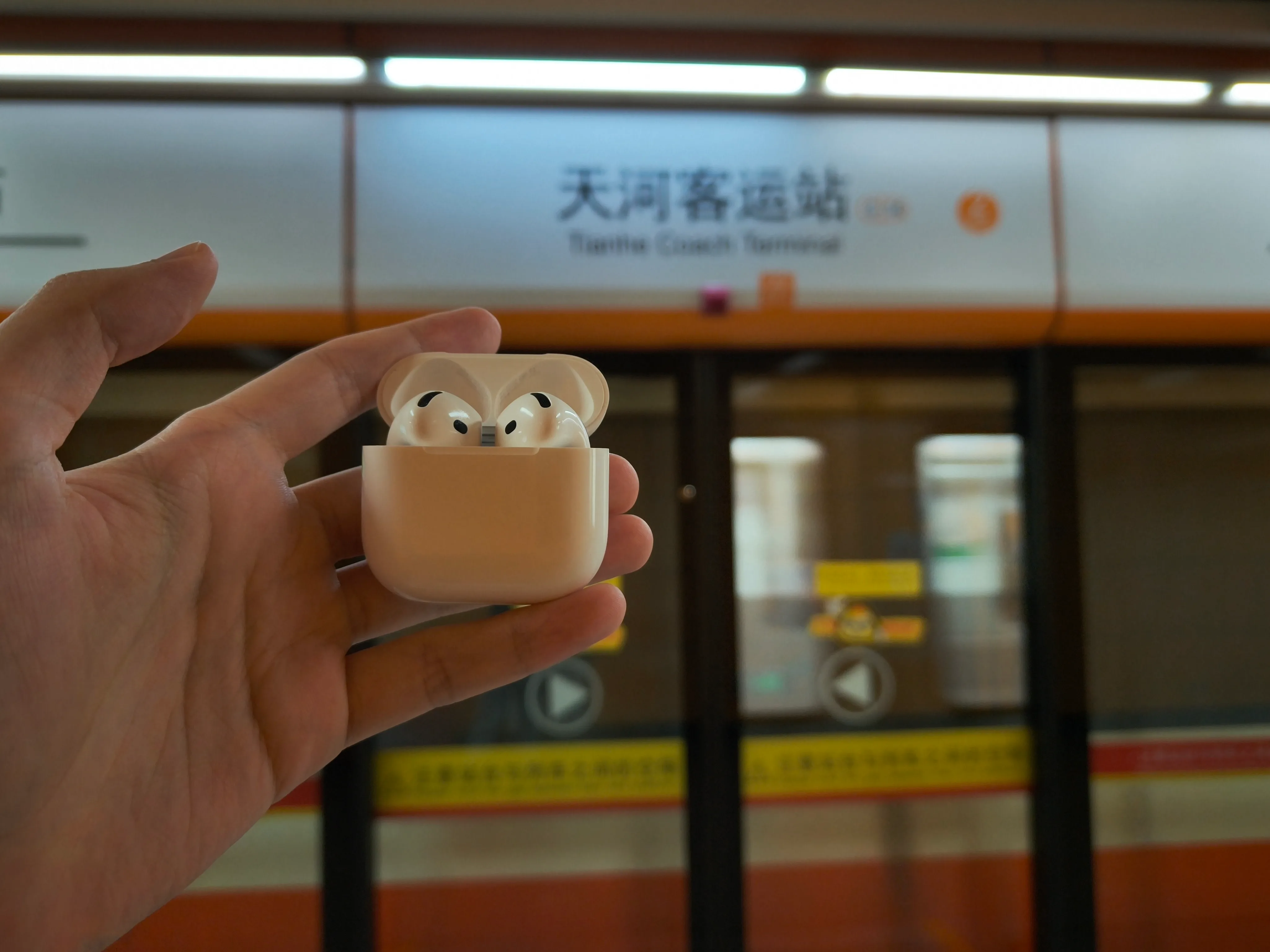
Image Credit: LeiTech
High-frequency noise remains a clear weak point for the AirPods 5. In-ear TWS earbuds use their sealed design to physically block part of the high-frequency noise, achieving synergy between active and passive noise cancellation. Semi-in-ear TWS earbuds, by contrast, have an inherent disadvantage here. Even the updated algorithms and acoustic architecture in this model cannot completely make up for this limitation.
On the bright side, the AirPods 5 still features the H2 chip. Should Apple equip the next generation with the H3 chip, alongside further optimizations to algorithms and acoustic design, we may witness a major performance upgrade.
Another pleasant detail of the AirPods 5 is that you don’t have to blast music at high volume. In an office environment, at around 30% volume, ambient low-frequency hums and voices are still significantly attenuated without obvious audio quality loss. Provided I’m not typing, I can fully lose myself in music. Put simply, for everyday work use, the AirPods 5 creates a suitably quiet environment at comparatively low volume.
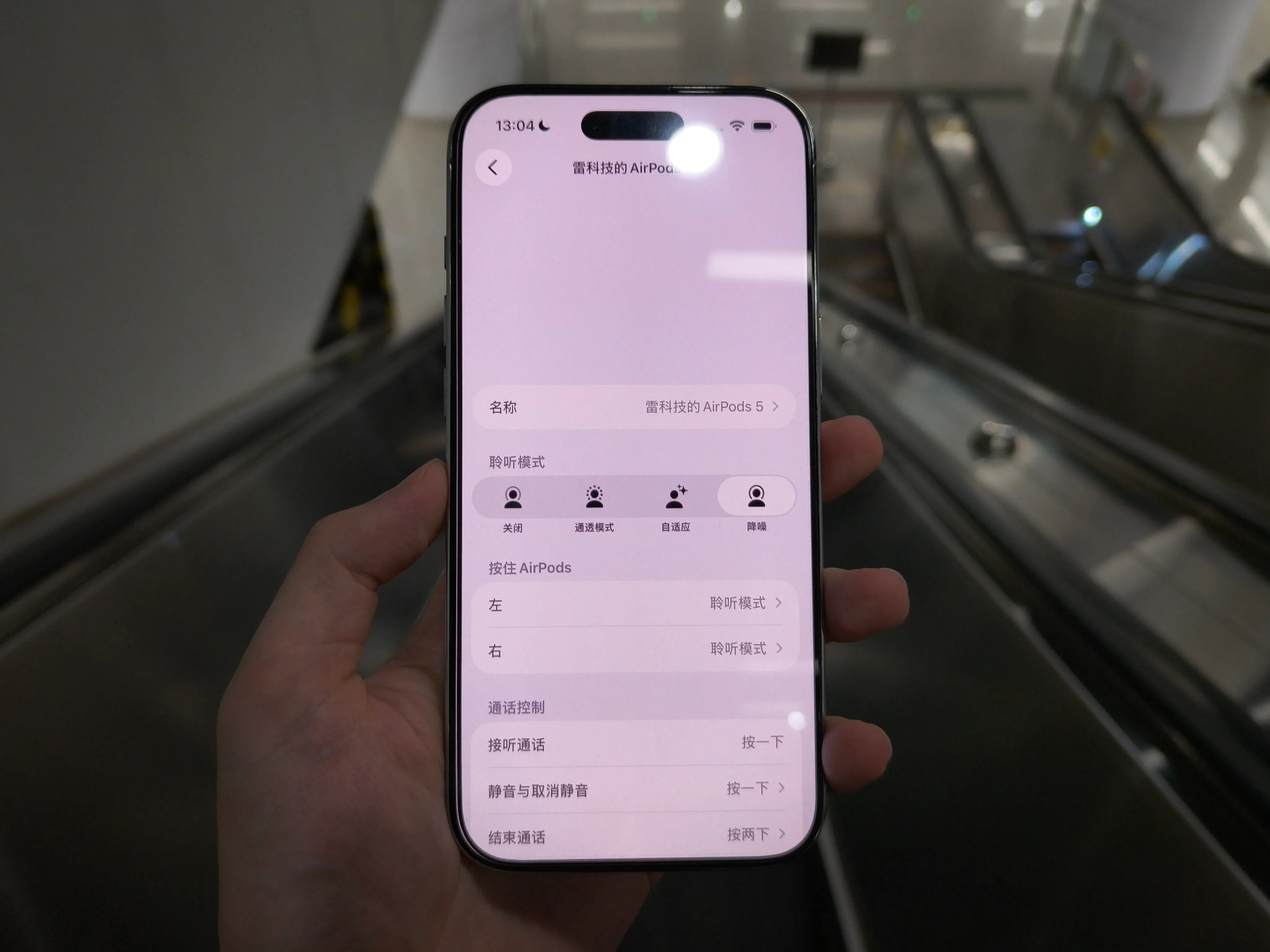
Image Credit: LeiTech
AirPods 5 originally had another issue that significantly impacted user experience.
Simply put, when chewing food while wearing AirPods 5, the stethoscope effect is minimal, yet you will notice intermittent drops in noise cancellation. Quick head rotations can also trigger the same problem occasionally: ambient noise suddenly surges before the ANC quickly returns to normal.
This ANC lag can be quite annoying. Fortunately, after updating the system and firmware, I have not encountered the issue anymore.
A reminder for current and prospective AirPods 5 users: while Android manufacturers have been adding compatibility for Apple products like AirPods, firmware updates still require an iPhone, iPad or Mac.
Noise Cancellation Is Not Top-Tier, But All-Day Wear Comfort Stands Above the Rest
To be frank, when judging purely by noise cancellation performance, the AirPods 5 can only compete with mid-range in-ear TWS earbuds. If we only look at wearing comfort, differences between semi-in-ear TWS models from various brands are relatively modest, let alone comparisons with open-ear earhooks and earclip earbuds.
The AirPods 5’s biggest strength is that it delivers both noise cancellation and outstanding wearability. Unlike in-ear TWS earbuds, I can wear the AirPods 5 for four straight hours without noticeable ear fatigue.
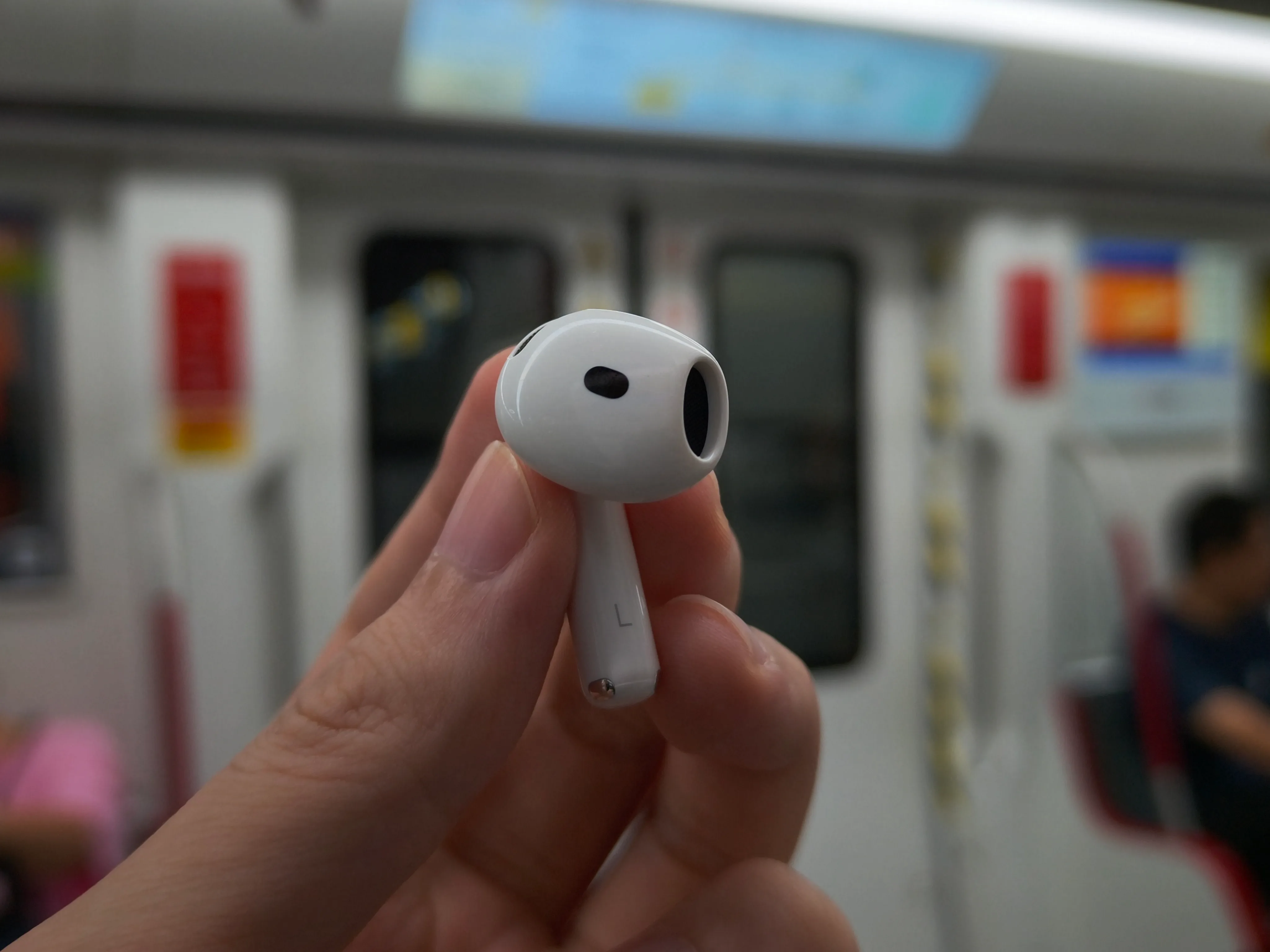
Image Credit: LeiTech
This turned out to be my most important takeaway after a full day of testing the AirPods 5.
At first glance, this may not seem like a groundbreaking upgrade. From the wired EarPods to wireless AirPods, the semi-in-ear design has long been one of Apple’s hallmarks. What’s more, the AirPods 5 looks virtually identical to its predecessor.
In terms of specifications and appearance, each earbud across all four models of the AirPods 5 and AirPods 4 lineup shares the same dimensions, with every unit weighing 4.3 grams.
As someone who normally uses in-ear ANC TWS earbuds, two hours of wear is usually my limit. It’s common for my ears to start aching after just over an hour on a plane, forcing me to take the earbuds off and rest before putting them back on. That makes how long a noise-canceling headset lets me listen quietly and wear comfortably a very practical concern.
It’s worth noting that you can still feel noticeable ear pressure when ANC is active on the AirPods 5. That said, the pressure is far milder than what you get with in-ear noise-canceling earbuds. With no silicone tip sealing off the ear canal, the overall wearing experience is fundamentally different.
Beyond long-wearing comfort, the AirPods 5 stays securely in place. Even after extended wear, vigorous head shaking, jumping or running won’t dislodge them. At the very least, these AirPods fit my ears perfectly.
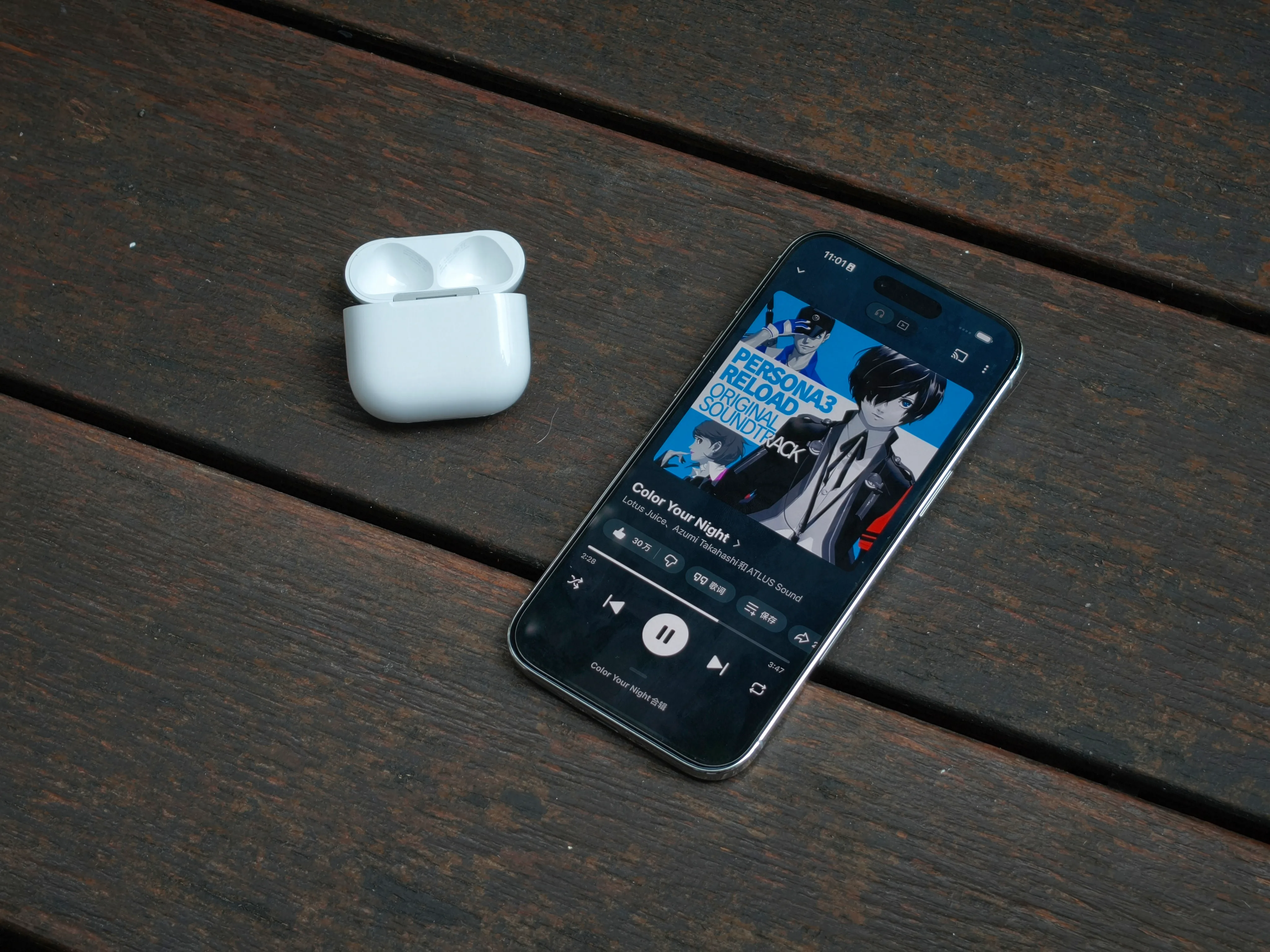
Image Credit: LeiTech
Of course, comfort for my ears does not guarantee comfort for everyone. Whether a semi-in-ear earbud shape fits your ear still requires an in-person trial. That said, Apple’s AirPods form factor and dimensions already suit the vast majority of users. Huawei’s newly launched semi-in-ear noise-canceling earbuds, the FreeBuds 7, have also moved away from its previous distinctive design toward a similar classic silhouette.
One extra detail: the higher-spec AirPods 5 introduces a new gesture — swipe volume control on the earbud stem. In practice, the swipe-based volume adjustment is fairly accurate with clear feedback. There is none of the uncertainty found on some earbuds, where you are left wondering whether your input registered. The minor downside is that the touch zone sits toward the inner side of the stem, so you need a little time to get used to finger placement compared with other earbuds.
Still the AirPods We Know — No Big Surprises, But Pleasant Wins
In many respects, the AirPods 5 remains true to the AirPods formula.
Transparency mode, for instance, maintains Apple’s consistently high standard. Simply put, it sounds naturally transparent. When talking to people, you may even forget you are wearing earbuds — high praise for transparency mode. When you need to hear ambient sounds, the earbuds stay unobtrusive. Combined with its effortless fit, it makes you more inclined to keep them in your ears.
As for Adaptive Audio, I did not get enough time for in-depth testing. My brief trial left me with a positive first impression, but I cannot elaborate fully on how it transitions between environments or whether it remains hassle-free over long periods.
The sound signature of the AirPods 5 is, as always, pleasant, balanced and easy to listen to. On the flip side, this means its low and high frequencies failed to wow me. Take the classic track Ferry Crossing as an example. You can clearly perceive the weight of drum hits, yet transients lack punch, while vocals sound refined.
Based on my listening experience so far, the AirPods 5 are still a pair I am happy to wear for extended music sessions. If you seek standout performance in bass or treble, you may need to look elsewhere.
Battery life specifications: for the standard AirPods 5, rated ANC-on playback lasts up to 4 hours per charge, with a combined total of up to 20 hours with the charging case. The higher-spec model delivers up to 5 hours of ANC-enabled use on a single charge and up to 22 hours total with the case. In my real-world heavy usage with ANC active nearly all day, after 11 hours, the high-variant retained 56% battery in the case and 81% in the earbuds.
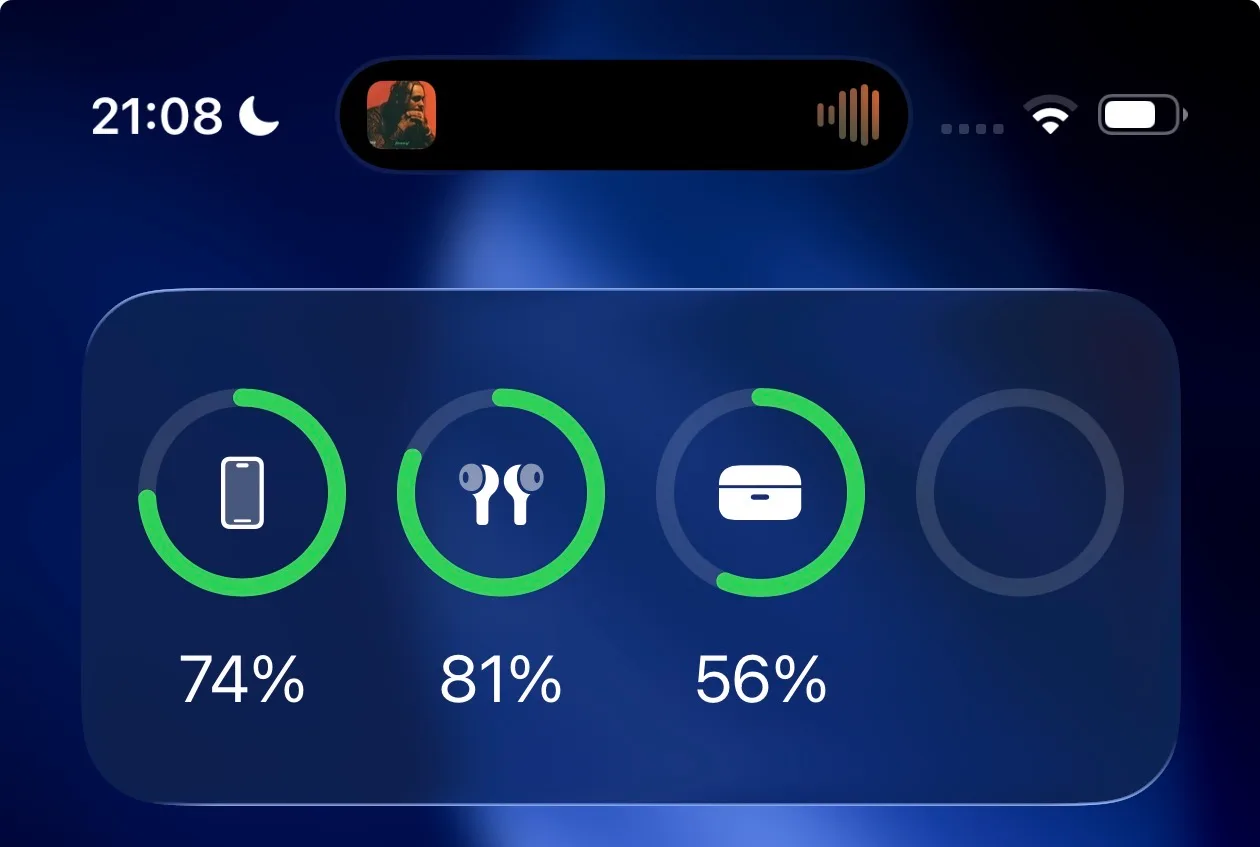
Image Credit: LeiTech
Overall, the AirPods 5’s battery life is not standout when compared to many TWS earbuds that boast 30 to 40+ hours of total runtime, though it can easily last two days of use.
Verdict
If you can comfortably wear in-ear earbuds for long stretches and your top priority is maximum noise isolation, this hands-on review does not give enough reason for you to replace your existing AirPods Pro. For users already on AirPods 4 ANC, I would not recommend an “urgent upgrade” based on this experience either.
But for people like me — whose ears cannot tolerate in-ear designs, yet want quieter commutes and workspaces — the AirPods 5 has earned a spot on my must-buy list. It lets me enjoy music peacefully in the office, delivers satisfying noise cancellation in malls and subway trains, can be worn for four consecutive hours with barely any strain, and retains that natural-sounding transparency mode.
It is not without flaws. Still, considering my main headphone use cases, the AirPods 5 occupies a fairly unique niche. Other semi-in-ear ANC TWS earbuds such as Huawei FreeBuds are racing to catch up. It is almost certain that the TWS market will see another round of product and technological competition over the next two to three years. Meanwhile, every brand’s flagship in-ear Pro TWS lineups will face a critical question:
Beyond stronger noise cancellation and better audio quality, should they add health monitoring and even personal AI agents?