
 雷科技





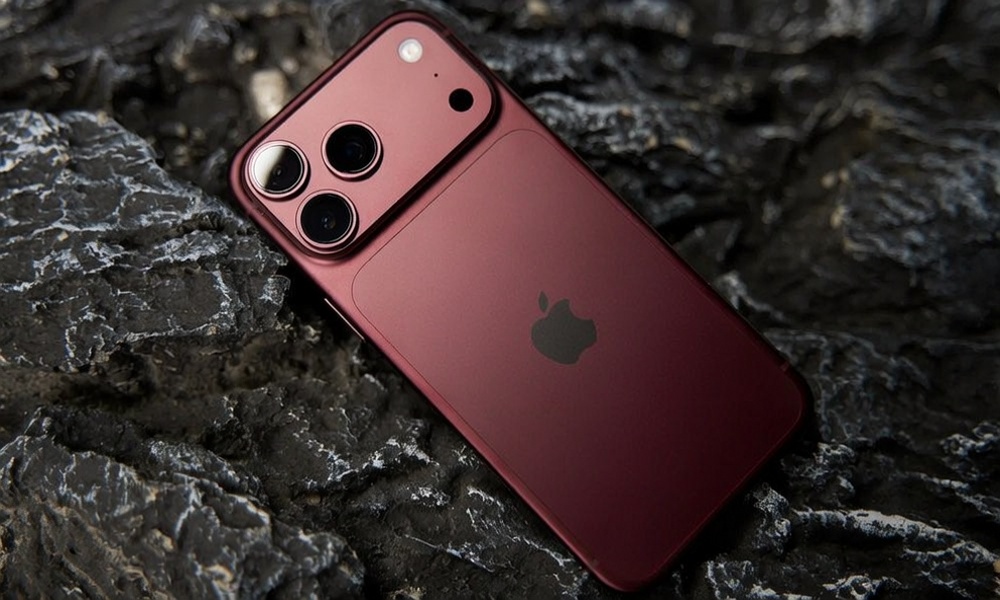

Every year when a new iPhone launches, two completely opposing narratives emerge online. On one side, people claim “Apple is just making incremental upgrades again” and “Who’d pay this price?” On the other, long lines form outside Apple Stores, with popular colorways and high-capacity variants of the new handsets selling out immediately.
This year is no different. When I, Xiao Lei, arrived at the Apple Store in Tianhuan Plaza, the entrance was already packed. Many foreign visitors were also there trying to get the new phones. Models that could be picked up in the afternoon at a ¥200 markup or even at retail price in previous years now mostly require a ¥500 premium.
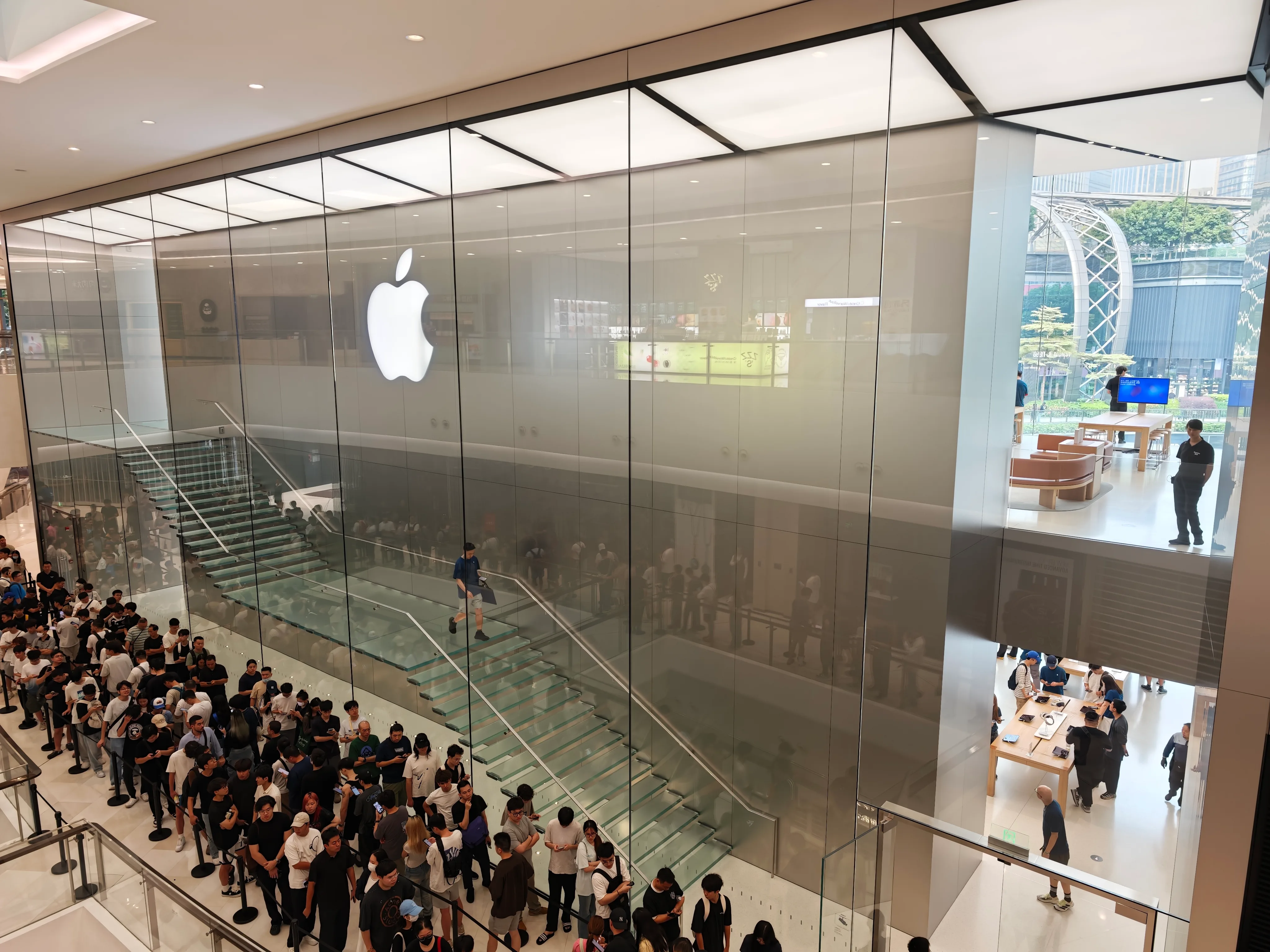
Image source: LeiTech
To be honest, as the most expensive iPhone lineup ever, Xiao Lei initially expected lackluster sales. Yet the sales performance of the iPhone 18 Pro and iPhone 18 Pro Max has proven somewhat unexpected. Market research firm Counterpoint recently released new data for China’s smartphone market. In the first three days after launch (September 18–20), the iPhone 18 Pro series recorded roughly 12% higher sales than the entire first week of the previous Pro generation.
What does that mean? Put simply, driven by those three days of sales alone, Apple claimed the top spot in China’s weekly smartphone sales in Week 38 of 2026, capturing a 33% market share. Meanwhile, @RD Observation, a creator who regularly publishes domestic smartphone sales figures, shared more granular data. Sell-out volumes for the iPhone 18 Pro on its first sale day hit approximately 322,800 units in mainland China, equivalent to 130% of the iPhone 17 Pro series over the same period, with the Pro Max accounting for 55.5% of total sales.
Without the standard iPhone 18 to bolster sales, the iPhone 18 Pro has become even more of a blockbuster hit. Could it be that everyone secretly got richer without me noticing? After digging into the numbers, Lei Tech found the answer is far more complicated.
Android Flagships Hike Prices Across the Board, Making iPhones Seem Less Costly
Counterintuitive as it sounds, the iPhone 18 Pro, which saw a ¥1,000 price increase, actually carries a lower relative price within this year’s flagship market — or in other words, it delivers comparatively better value for money.
Why? Many of you may have already guessed: Android flagship prices have surged. Major brands including Oppo, Vivo, Xiaomi and Honor have unveiled pricing for their new flagship models. At first glance, the numbers may look unchanged, seemingly still starting at ¥4,000 or ¥5,000. It is true that base models still begin at that range, but a closer look reveals many brands keep entry prices low by using tiered chips and segmented product lineups.
Models fully equipped with next-generation flagship hardware mostly start above ¥5,000, and prices climb sharply as storage options upgrade. Take the popular 16GB+512GB configuration as an example: one brand’s Pro model was priced at ¥5,599 last year, but this year it costs ¥7,999, a ¥2,400 increase, marking a 42.9% price jump.
Even some standard models saw price hikes exceeding 20%. Certain devices did not launch with a 16GB+512GB variant at all; the configuration was later added due to strong consumer demand, a move forced by steep memory chip costs.
With so many Android flagships starting at ¥5,000 and top-tier SKUs (not just ultra-high-end variants) crossing the ¥10,000 mark, consumer price expectations have naturally shifted. Previously, a fully-featured Android flagship could be bought for ¥5,000–¥6,000, while iPhones typically started at no less than ¥9,000, creating a gap of ¥3,000–¥4,000. Shoppers on tighter budgets could easily decide which to pick. Now the gap narrows to only ¥2,000, forcing buyers to weigh their options carefully.
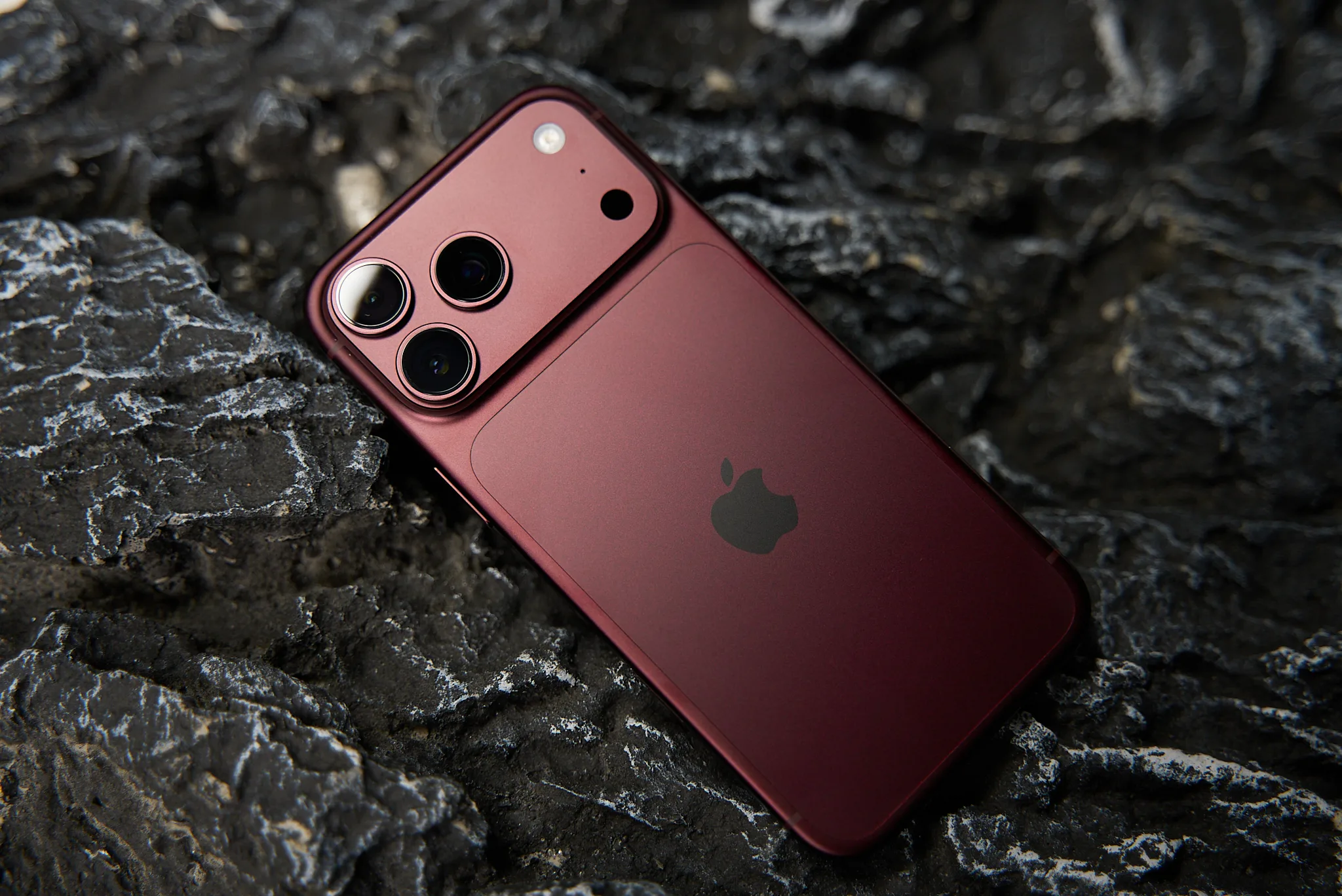
Image source: LeiTech
Counterpoint shared a similar view: price hikes among top domestic flagship phones have narrowed the price gap with the iPhone Pro lineup and lifted consumers’ price expectations for premium smartphones, which is one reason behind the strong initial sales of the iPhone 18 Pro this year.
That said, Android brands are not simply raising prices across the board. Faced with surging memory costs, they have become far more cost-conscious.
For instance, the Xiaomi 18 Pro is equipped with the 6th-gen Snapdragon 8 Elite, while the higher-spec 6th-gen Snapdragon 8 Super Elite is reserved for the Pro Max model starting at ¥6,999. The OPPO Find X10 uses the Dimensity 9600M; only the Pro Max gets upgraded to the Dimensity 9600 Pro. Vivo adopts a comparable strategy, with the X500 and X500 Pro Max powered by the Dimensity 9600M and Dimensity 9600 Pro respectively.
Honor has further segmented its product portfolio. The Magic9 Pro Max targets photography enthusiasts, the Magic9 retains a starting price of ¥4,999, and a new Magic9 Ultra edition debuts at ¥4,499, featuring a massive 11,000mAh battery and active cooling. For consumers, this means they no longer have to pay extra for camera or design features they will never use.
Simply put, with skyrocketing supply chain costs, Android vendors can no longer follow their old playbook of adding features while cutting prices. Instead, they rely on tiered chips, product segmentation and selective trade-offs in specifications to keep entry-level flagship pricing at levels consumers can still accept.
Yet it is undeniable that product appeal has weakened, and many buyers are holding off on purchases. By comparison, even without a standard iPhone 18 model this year, the Pro version only saw an approximate 11% price increase. Amid widespread price increases for Android flagships, its relative value proposition has improved, drawing in more customers.
Never Wins on Specs, But Never Loses on Sales
While the iPhone 18 Pro is selling extremely well, the device itself offers only modest upgrades: the 2nm A20 Pro chip, an adjustable aperture on the main camera and a smaller Dynamic Island. The most noticeable improvement for users is probably the much faster charging speed.
Even so, this counts as one of the more substantial refreshes in recent years, prompting many Apple users to upgrade now. Plenty of buyers fear Apple will lift prices further if memory costs keep rising, pointing to the iPhone 17 and iPhone Air as cautionary examples.
Android phones, by contrast, pack even more upgrades. Leaving aside batteries starting at 7,000–8,000mAh and fast charging above 100W, 200MP main and telephoto cameras have become more mainstream this year. The OPPO Find X10 Pro Max, for example, comes with three 200MP cameras, delivering imaging performance comparable to last year’s ultra-premium flagships.
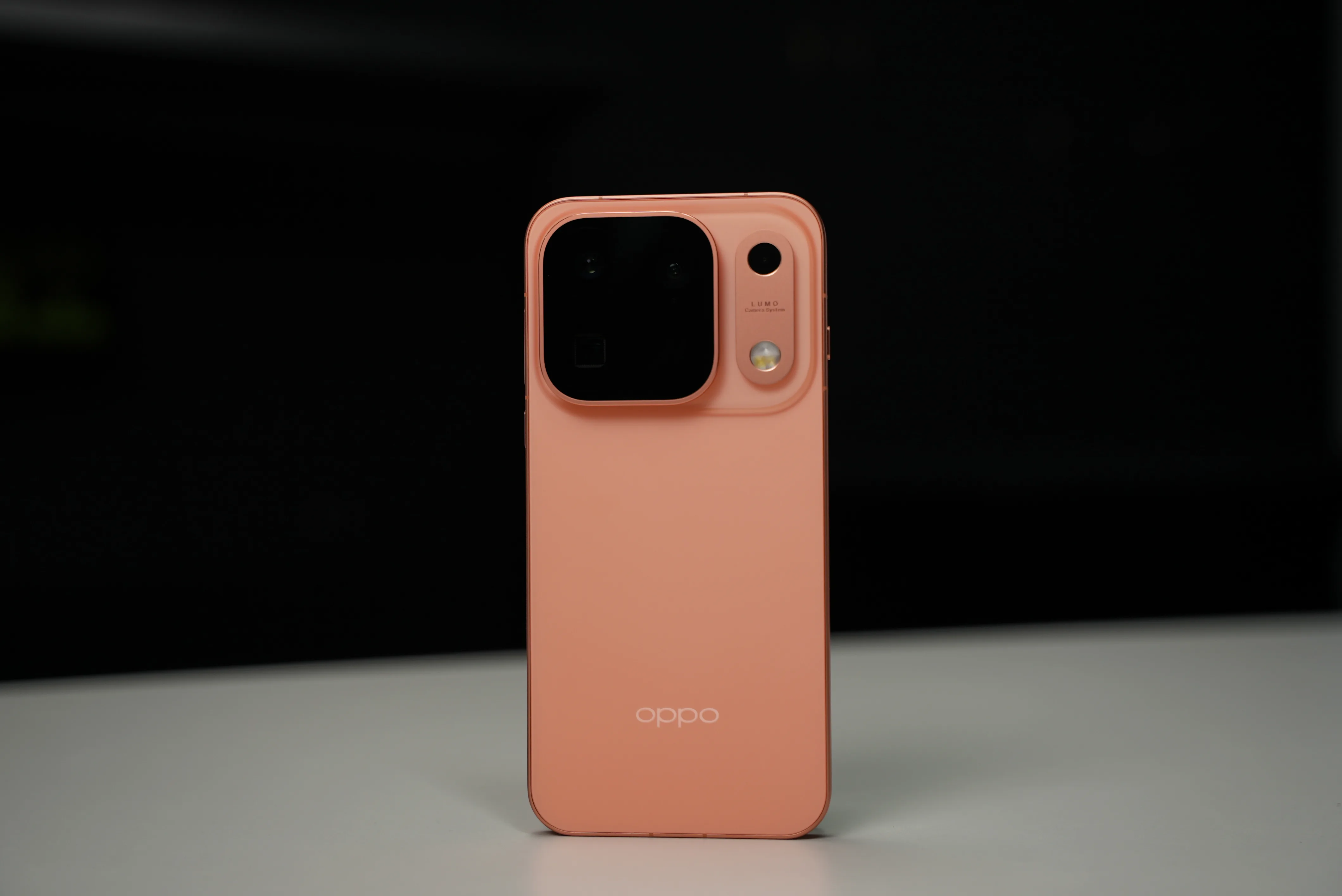
Image source: LeiTech
But what really drives iPhone sales has never been raw specifications. For iPhone users, their core expectations are smooth performance and long-term durability. Especially given iPhones’ already high price tags, customers are mentally prepared for further price hikes.
When every phone gets more expensive, the iPhone can at least lean on its established reputation to reassure buyers: choosing me means you will not regret it. What’s more, iPhones have always maintained a drastically superior resale value among smartphones. Whether you trade in your device later or sell it second-hand, you can recoup significantly more money.
That explains why the premium market is not entirely about “value for money.” Instead, it hinges on whether a product can meet users’ expectations in daily use. Android flagships have secured a foothold in the high-end segment, yet they still have a long way to go to build widespread brand recognition at the premium tier. Under such circumstances, sharp price increases naturally exert a bigger impact.
It is fair to say this year has been one of the toughest for smartphone makers. Let’s hope memory chip prices drop next year.
iPhone or Android at the ¥8,000–¥9,000 Price Point — Which Should You Pick?
So here’s the question: if you are planning to buy a new flagship phone right now, should you go for an iPhone or an Android device?
Let us set specs aside and focus on real-world usage. This decision is easier to make than in previous years, because it all boils down to one thing: what matters most to you?
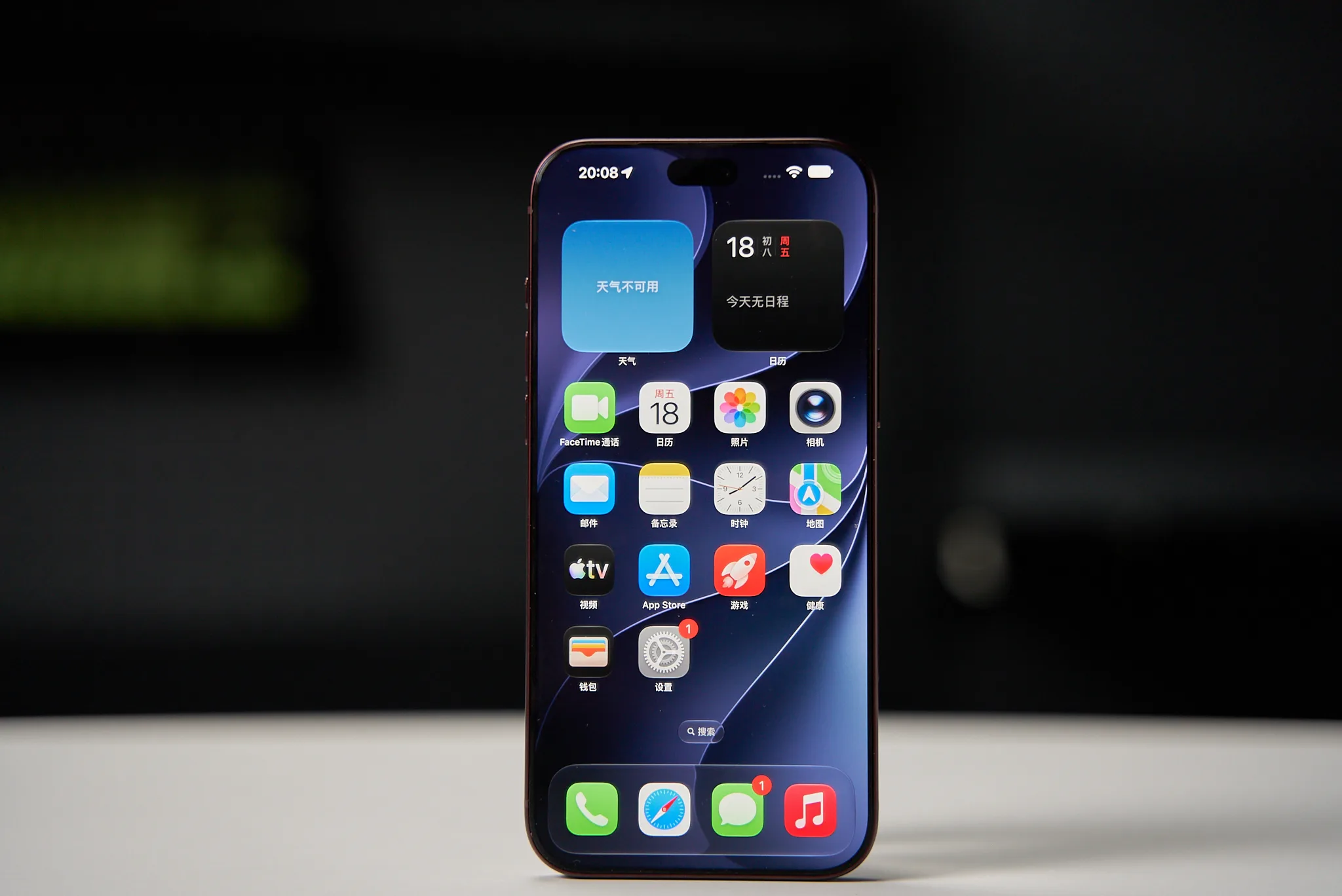
Image source: LeiTech
If you are a long-time iPhone user who prioritizes ecosystem integration, consistent performance and durability, then the iPhone 18 Pro is naturally your best pick. Although it costs ¥1,000 more, the price is fairly reasonable amid the industry-wide price hikes.
Especially for users with heavy video-shooting needs, the iPhone remains the top choice. This year’s iPhone 18 Pro features an adjustable aperture on its main camera, opening up more creative possibilities for videography. Xiao Lei has seen many content creators use this feature to capture cinematic-style footage.
That said, if your priority is cutting-edge imaging performance, Android flagships are still the better option. To stay competitive at premium price points, Android devices have pushed imaging hardware to extraordinary levels this year.
The vivo X500 Pro Max comes with a Zeiss 200MP APO super telephoto lens and supports an optional external 400mm-equivalent teleconverter. The OPPO Find X10 Pro Max sports three 200MP cameras, paired with Hasselblad teleconverters, ND filters and professional video kits. The Xiaomi 18 Pro series also features a 200MP main camera plus a 200MP telephoto lens.
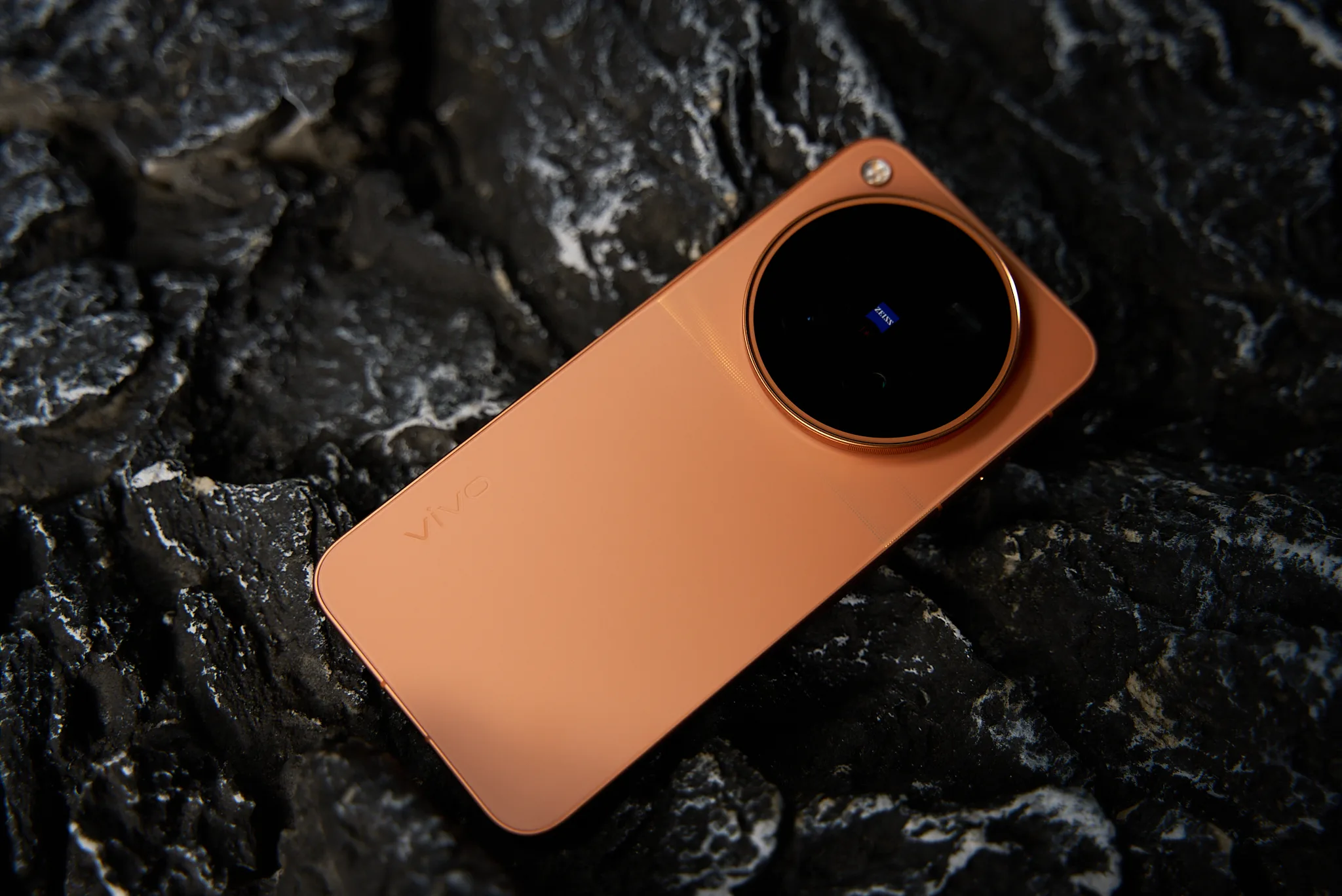
Image source: LeiTech
Specs that were previously exclusive to ultra-premium flagship models have all trickled down to the Pro variants, delivering generous hardware across the board. For those who value shooting flexibility, Android flagships remain the top pick. After all, the iPhone’s telephoto performance is widely known to be underwhelming. Apart from its strong video capture, there is little left to praise about iPhone imaging these days.
Besides, many Android brands have launched their new-generation Agent mobile OS this year. The AI can help users take notes, book tickets and plan itineraries — and anyone who has tried it will find it genuinely convenient. By contrast, there is still no confirmed launch timeline for iPhone’s AI features in mainland China. Judging from overseas demos so far, its functionality is less polished than that of domestic operating systems.
Android flagships still hold certain advantages in overall user experience. Nevertheless, high price tags make many prospective buyers hesitate. As such, the market’s future trajectory will largely hinge on memory chip prices.
If memory costs decline steadily, Android manufacturers can gradually cut prices to recapture market share. But if prices stay elevated, they will likely need to rely on other selling points to grab consumers’ attention.