 雷科技





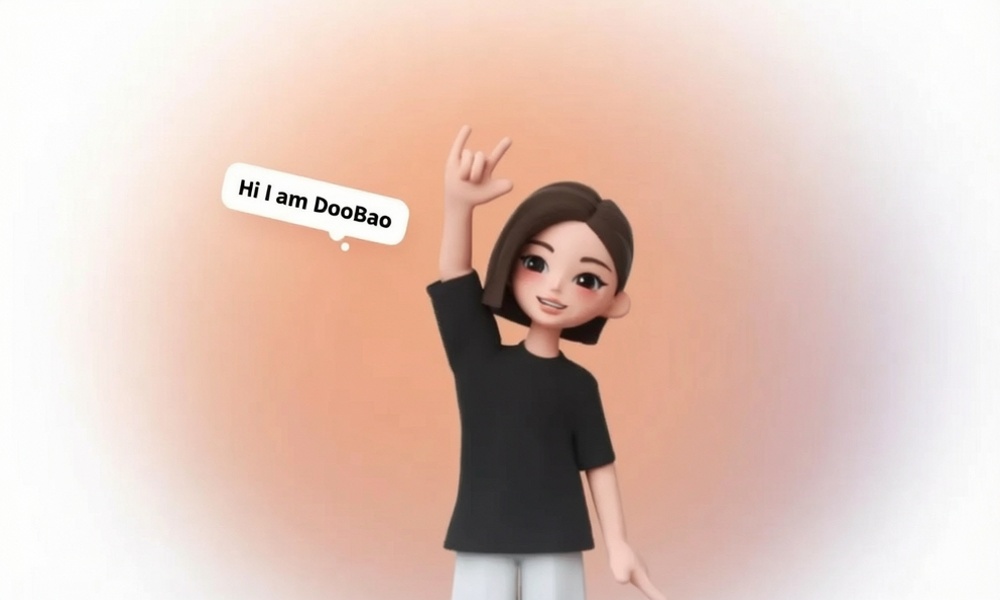

News dated September 29: Doubao’s personal assistant product may finally be on its way.
When Doubao launched its mobile assistant last year, it was already laying groundwork for the personal agent track. Many netizens back then assumed Doubao’s mobile assistant was merely “a large language model built into a phone,” capable of voice Q&A and screen content summarization at best.
In reality, its goal from the outset was to build an intelligent agent that can actually get things done for users, rather than just a chatbot that only holds conversations.
Back in April this year, Doubao kicked off internal testing for an exploratory product in the personal assistant space, under the project codename “Spell.”
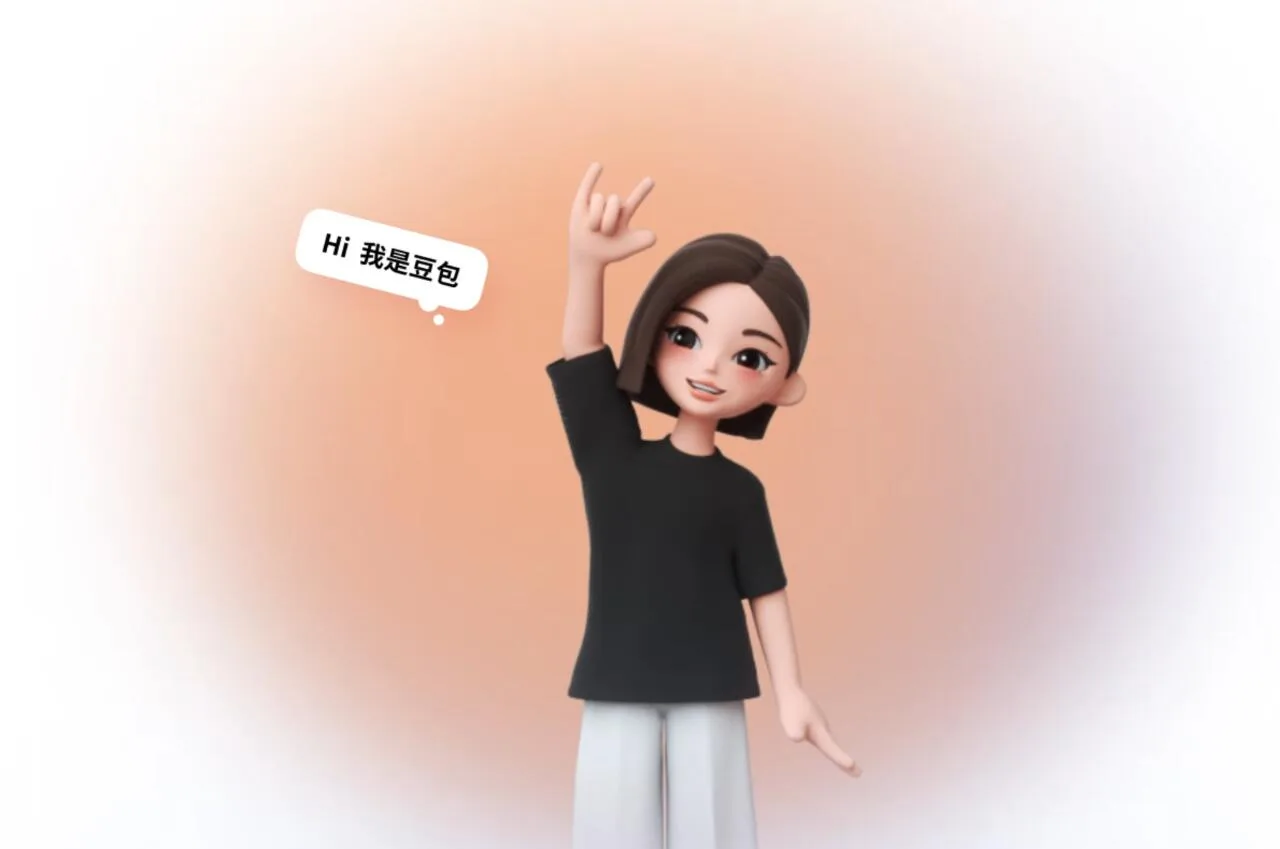
Image source: Doudou
The project was primarily led by the Doubao Mobile Assistant team. Judging by ByteDance’s usual approach, news of it would normally have been released after internal testing wrapped up. However, a string of events including the launch of the Doubao phone kept the Spell project from making its official public debut.
So why is it being unveiled all of a sudden now?
Xiaolei Bibi (ID: xiaoleibbb) believes it is because personal assistant products such as Muse and Instinct have exploded in popularity overseas over the past two months. Meta’s Muse, in particular, shot straight to the top of rankings upon release. It can not only chat with users but also manage emails, book flights, compare prices while online shopping, and even control computer operations.
This wave of hype has spurred major domestic tech firms into action.
Doubao has accelerated the rollout schedule for its personal agent capabilities. The original Spell project is no longer merely an internal research initiative. Instead, it will join forces with Doubao’s conversation team to become a formal user-facing product, set to launch to the public soon.
But Doubao already has a mobile assistant. Why build another standalone one?
Spell and this new Doubao assistant product essentially represent Doubao extending the personal agent capabilities built up on mobile phones into an independent app form.
Back in December 2025, the technical preview version of Doubao Mobile Assistant made its debut in partnership with ZTE, running on the Nubia M153 engineering prototype. At that stage, it was mainly for developers and tech enthusiasts to try out, serving as a showcase of technology. It supported cross-app automated operations, screen content reading, tracking logistics and ordering takeout. Many who tested it said this was what a true AI assistant should be.

Image source: Weibo
Then in September 2026, the consumer version of Doubao Mobile Assistant officially launched on the Nubia NaviX Ultra. Compared with the preview build, this version is far more polished, with greater emphasis on everyday usability and stability. It comes equipped with features such as a system-level AI key, local data search, and Feishu Minutes, making it easy for ordinary users to get started.
Spell builds upon the personal agent capabilities accumulated on mobile devices over these past several months, taking the next step from a system-native built-in assistant to a standalone application.
The mobile version boasts high permissions and a smooth experience, yet it has obvious drawbacks: it only works on specific device models and presents a high barrier to entry for users. A standalone app is different — theoretically, it can be installed on any smartphone.
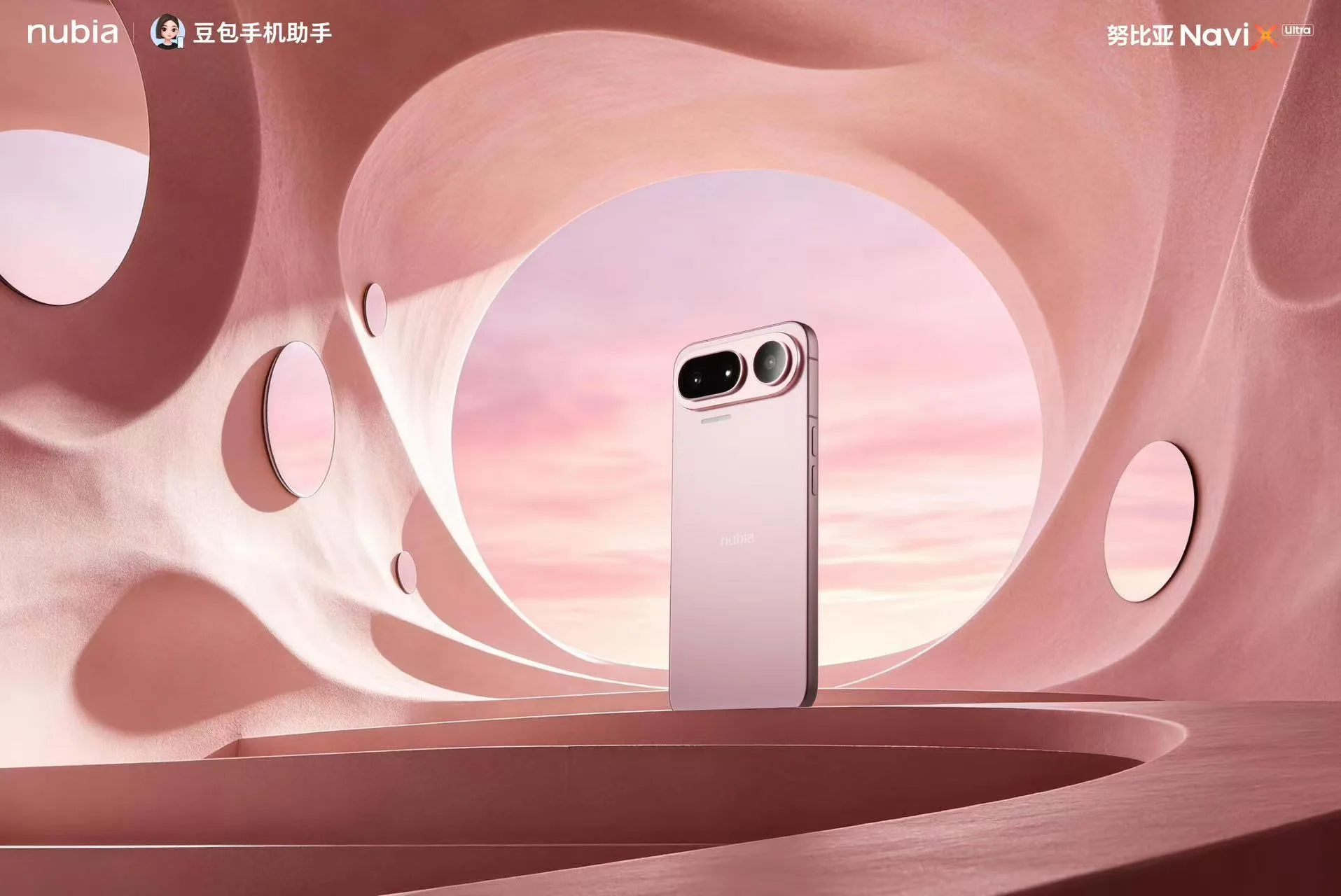
Image source: Nubia
Xiaolei Bibi (ID: xiaoleibbb) is quite optimistic about Doubao’s new personal assistant. For one thing, it is not starting from scratch. The mobile assistant has been refined for nearly a year. Its capabilities for system-level operations, compatibility with domestic apps, and understanding of user habits are all ready-made assets, giving it a far stronger foundation than newly launched startups.
Furthermore, ByteDance’s product development capabilities are obvious to all. Especially when it comes to user experience and localization, the company usually hits real user pain points. National apps such as WeChat, Alipay and Meituan naturally hold advantages in this regard.
Of course, it is still too early to tell whether this product will succeed. What is certain, however, is that a major Chinese tech firm has finally begun earnest development of a practical AI assistant that can get things done, instead of endlessly competing over larger model parameters and higher benchmark scores.
Based on the current timeline, this product is expected to launch to the public very soon.
On a final note: what does your ideal, truly useful personal AI assistant look like? Feel free to share your thoughts in the comments section.