
 雷科技





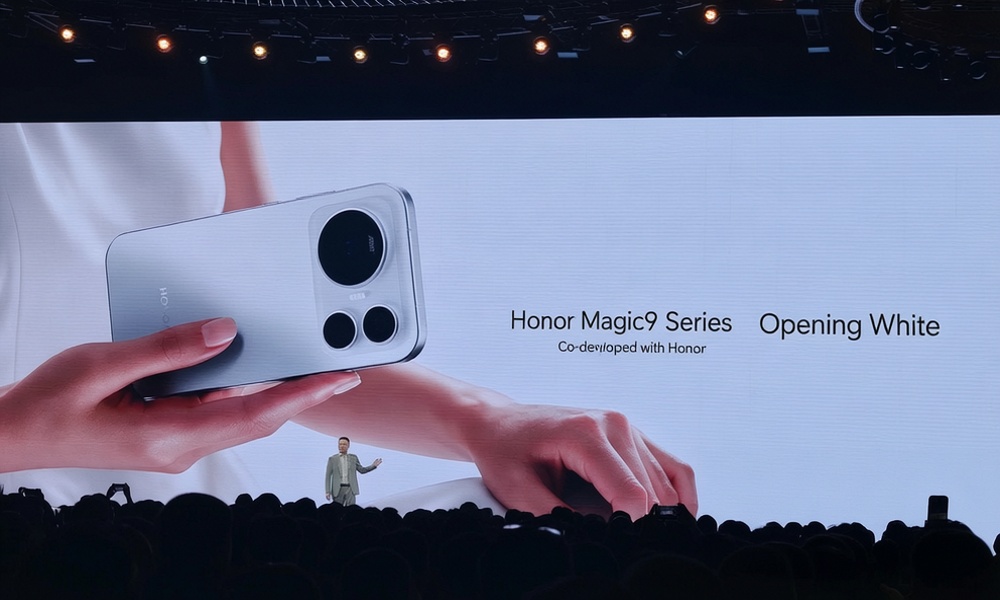

Earlier this evening, Honor held its new product launch event.
Wait—some of you might be wondering: “Xiao Lei, Xiao Lei, didn’t the pricing for the Honor Magic9 series already leak? Why is the launch happening only now?”
Don’t ask me—I’ve never seen a product strategy where pricing is announced before the actual devices go on sale.
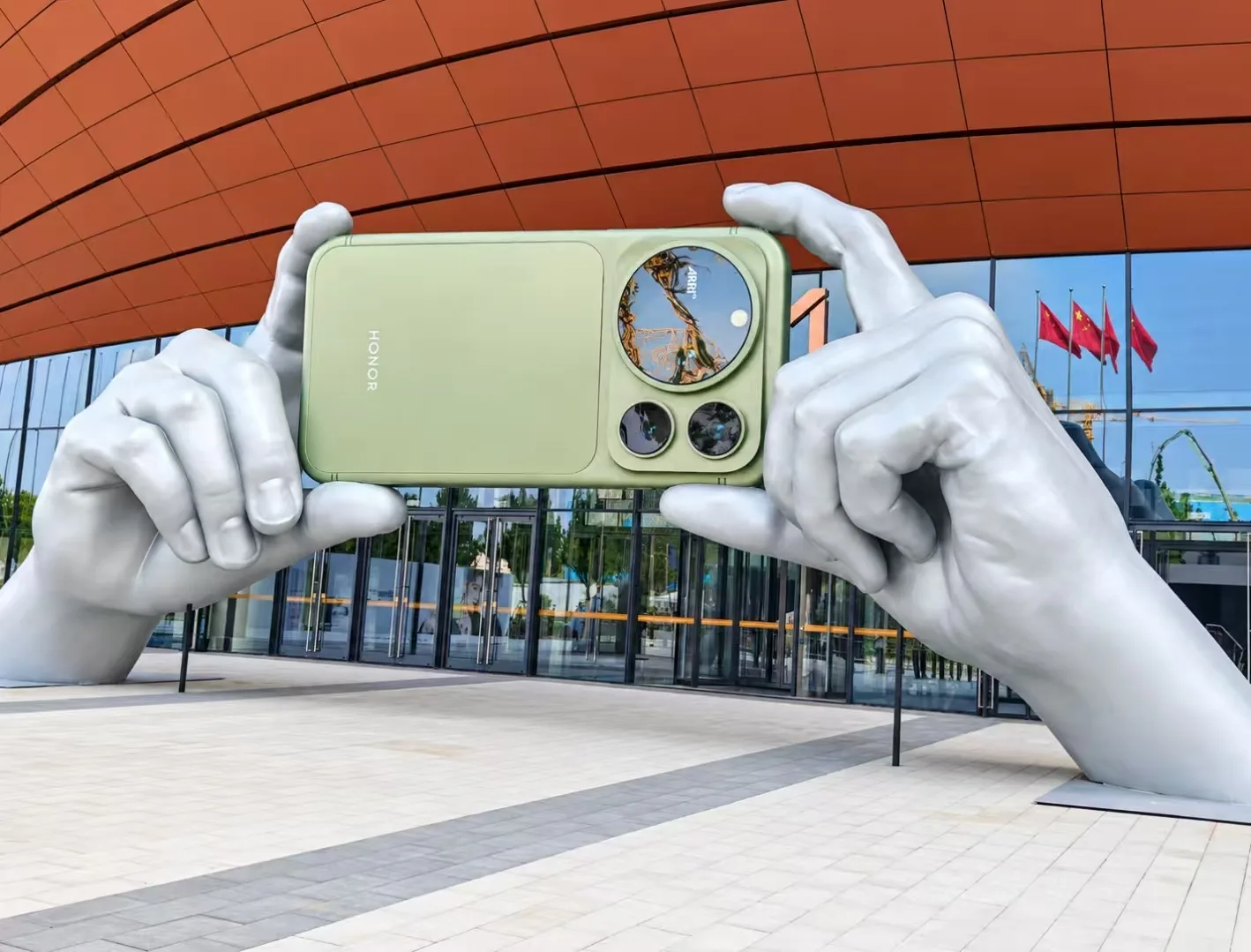
Back to the topic: Over the past few months of pre-launch teasers, Honor has already revealed numerous details about the Magic9 series—from its collaboration with ARRI on the Pro Max model, to the standard edition’s compact form factor and dual 200-MP cameras, all the way to the Ultra Edition’s massive 11,000 mAh Qinghai Lake battery. Each device features at least one easily memorable selling point.
(Images: LeiTech)
At the just-concluded Honor Magic9 series launch event, Honor unveiled three new smartphones in one go: the Magic9, Magic9 Ultra Edition, and Magic9 Pro Max—covering compact flagship, high-capacity-battery performance-focused, and professional imaging flagship segments, respectively.
Having received an official invitation from Honor, our team at LeiTech attended the launch event today. So let’s follow Xiao Lei’s lead and take a closer look at this generation’s Magic9 series!
Magic9 Pro Max: A Genuine Cinematic Vibe
As usual, we’ll start with the “Ultra” model.
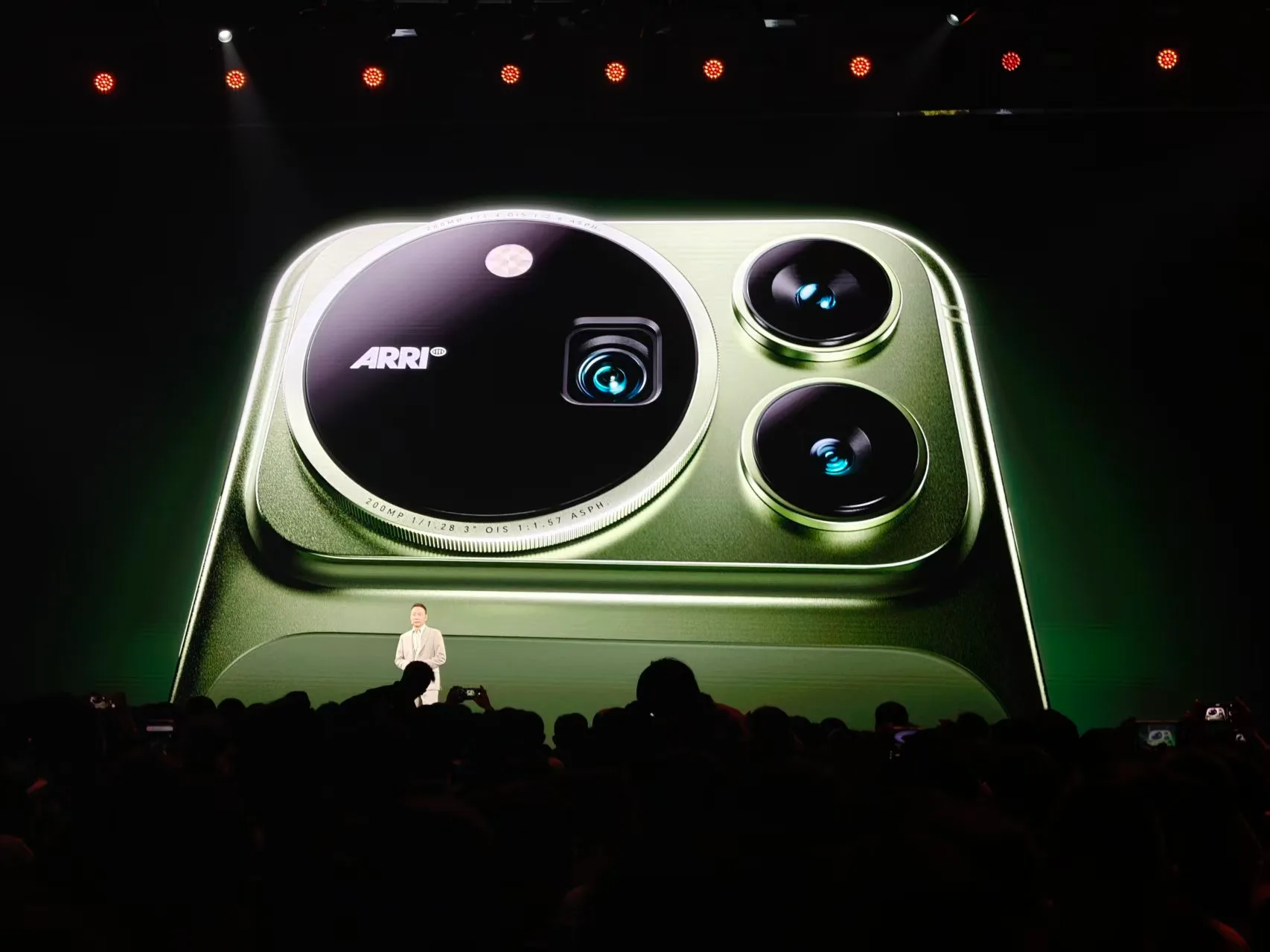
The Honor Magic9 Pro Max comes in three color options: Silver Salt, Moss Green, and Shadow Black—with Moss Green as the flagship variant. Its overall tone is a soft, earthy hue reminiscent of moss found on forest floors or stone surfaces.
(Images: LeiTech)
You’re probably already familiar with its design—Honor’s extensive pre-launch marketing this month made sure of that. Instead of continuing the large circular camera ring used on previous Magic-series models, the back adopts a triple-lens turret layout inspired by ARRI’s ARRIFLEX cinema cameras, with three lenses arranged around the central ARRI logo.
To be fair, amid the increasingly bold design experiments across the industry this year, Honor’s approach stands out visually. While some may draw comparisons to Apple’s design language, the execution undeniably evokes the aesthetic of classic film equipment.
And judging by that prominent camera module, it’s clear where Honor has focused its engineering efforts.
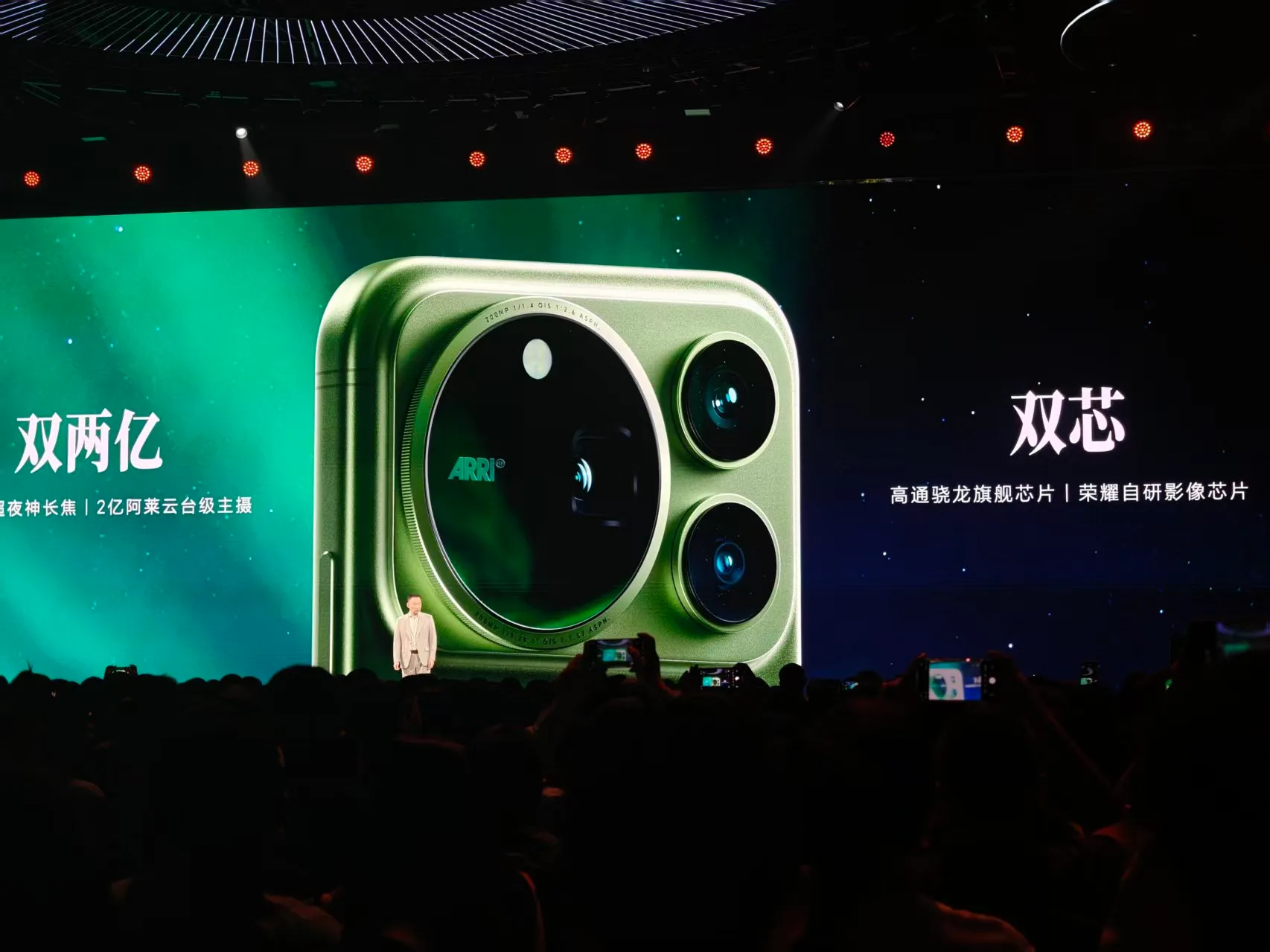
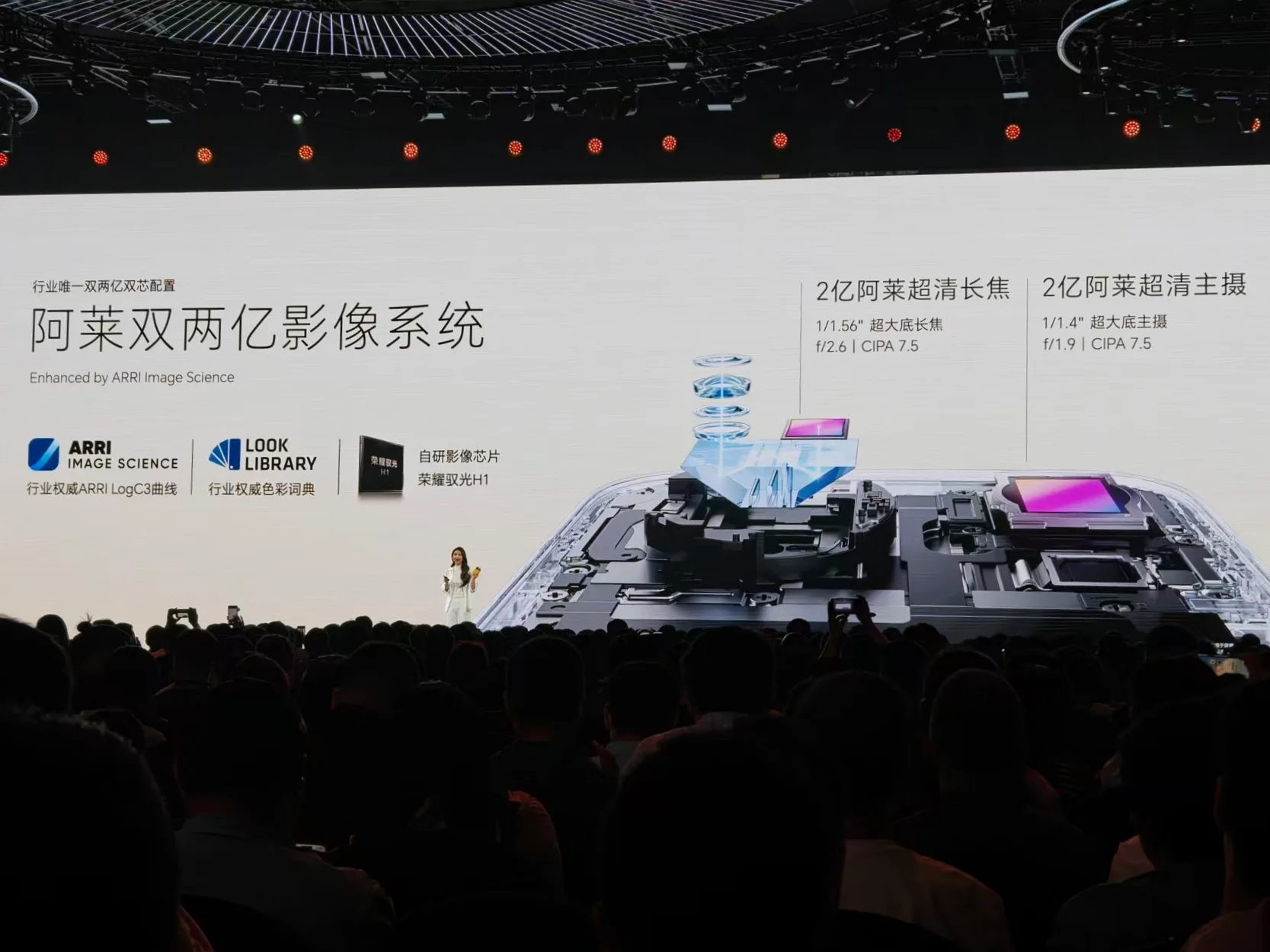
This time, the Honor Magic9 Pro Max features a 200-MP main sensor with a large 1/1.28-inch optical format and an f/1.57 aperture; its telephoto lens also delivers 200 MP resolution, using a 1/1.4-inch sensor.
That’s right—the now-ubiquitous dual 200-MP configuration. You’ll find it in OPPO’s and Xiaomi’s latest flagships too—but Honor’s implementation ranks among the very best. More importantly, this year’s crop of flagship phones clearly signals that ultra-high resolution is no longer reserved exclusively for telephoto lenses.
(Images: LeiTech)
Naturally, the most significant highlight this time is Honor’s imaging capabilities enhanced through its collaboration with ARRI.
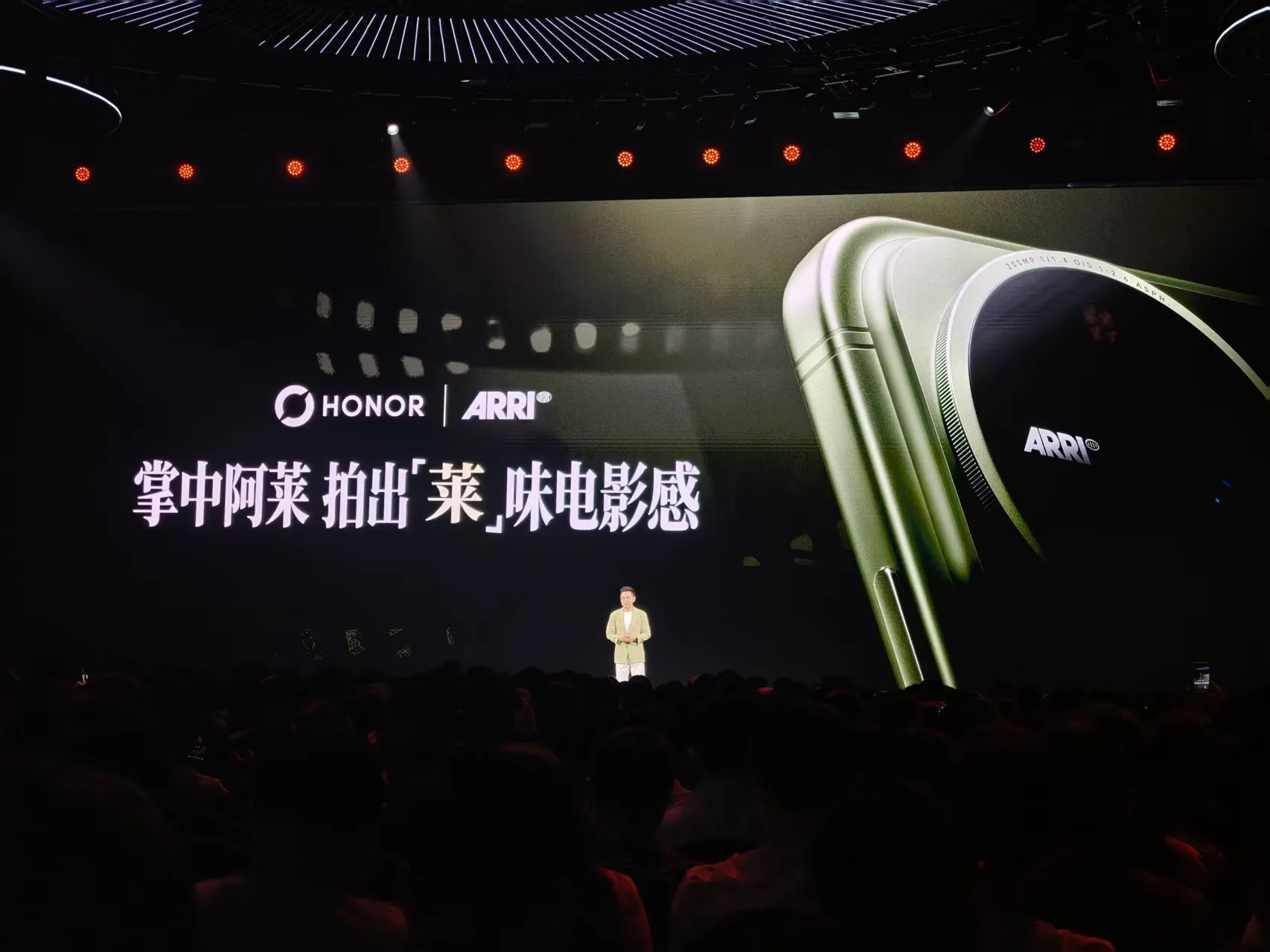
The Magic9 Pro Max introduces a full-fledged ARRI cinematic mode, supporting ARRI LogC3, ARRI Wide Gamut 3 (AWG3), and multiple ARRI Look profiles. For everyday users, these presets enable direct capture of authentic ARRI color grading; for advanced creators, LogC3 recording allows maximum flexibility in post-production color grading.
Honor and ARRI previously co-established the Film Industry Imaging Lab, integrating ARRI ALEXA cinema cameras into joint calibration processes. The ARRI cinematic mode featured on the Magic9 series is the tangible outcome of that collaboration.
(Images: LeiTech)
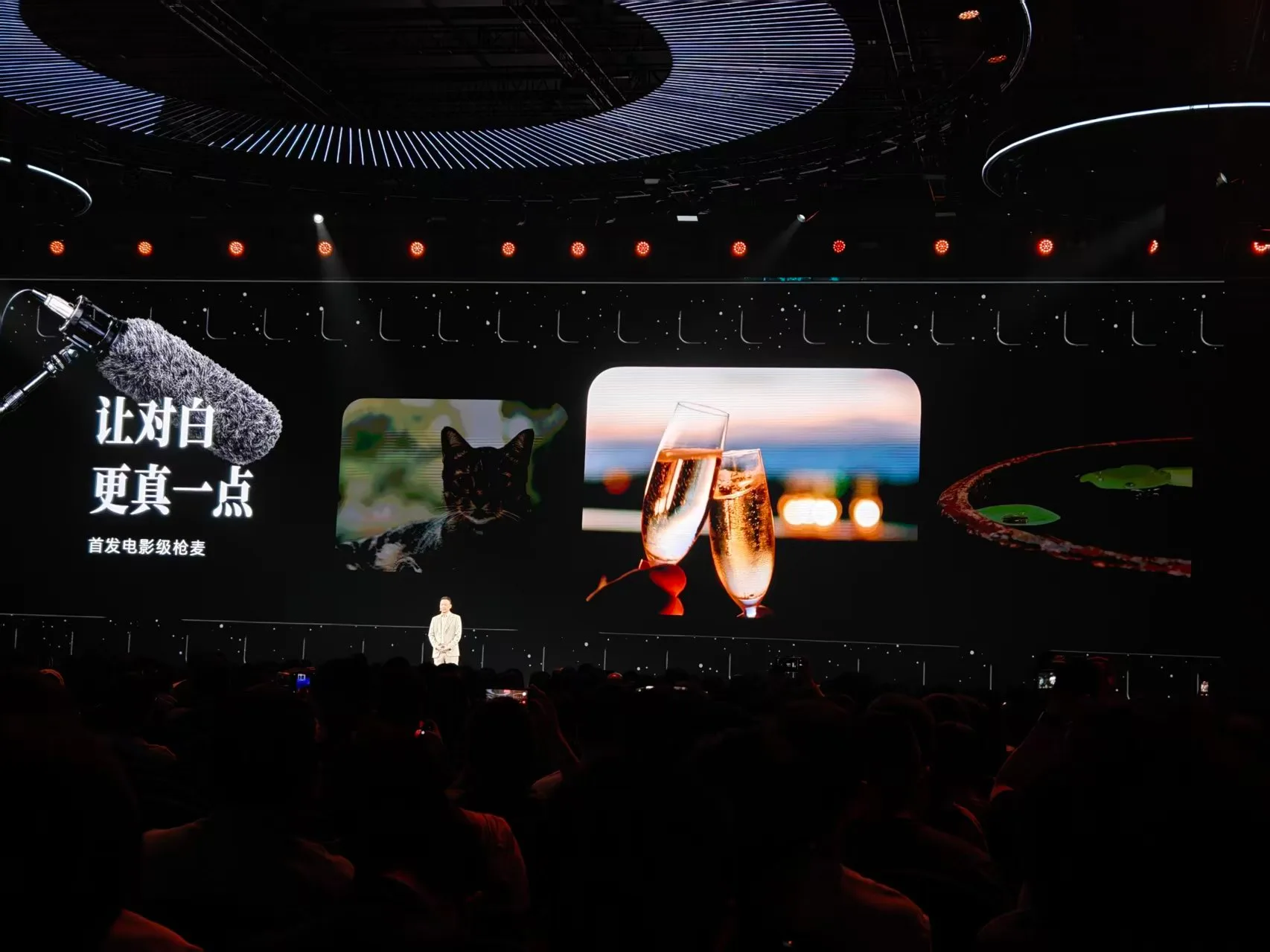
Beyond imaging, the Magic9 Pro Max debuts a cinema-grade shotgun microphone—a capability Honor even demonstrated live at the launch using pet footage to showcase its exceptional audio capture performance.
Honor also launched two dedicated telephoto lens attachments for the Magic9 series: the compact “Thumb Telephoto Lens,” extending up to 200 mm, and the astonishingly large 500 mm Honor Mega Cannon Telephoto Lens. When paired with the Professional Imaging Kit, the resulting setup bears a striking resemblance to a compact, handheld long-focus cine lens.
Well then—smartphone, telephoto lens, and shotgun mic are now all accounted for.
(Images: LeiTech)
Under the hood, the Magic9 Pro Max is powered by the Snapdragon 8 Gen 6 Ultimate Edition, featuring a CPU peak frequency exceeding 5 GHz, and augmented by Honor’s proprietary imaging NPU.
The battery capacity stands at 8,800 mAh, supporting 100 W wired and 80 W wireless fast charging.
The display is a 6.8-inch flat OLED panel, complemented by 3D facial recognition and ultrasonic 3D fingerprint sensing—essentially packing every cutting-edge feature Honor could fit into a flagship device.
In short, the Pro Max integrates virtually all of Honor’s top-tier technologies currently available for flagship smartphones.
Magic9 / Ultra Edition: Compact Form Factor, Massive Battery
Now that we’ve covered the Pro Max, let’s turn our attention to the other two models.
First up is the standard Magic9—a genuine compact flagship, and the first such offering in Honor’s mainstream flagship lineup.

(Images: LeiTech)
Yes, the Magic8 Pro Air doesn’t count—that was more of an iPhone Air-inspired experiment.
The Magic9 features a 6.37-inch flat OLED display. In today’s landscape—where flagship smartphones routinely push toward 6.7- or 6.8-inch screens—this size qualifies as genuinely compact. Combined with gently rounded corners, the device looks significantly sleeker than the Pro Max.
Here’s the key point: Don’t assume smaller dimensions mean compromises on battery or imaging specs.
It’s powered by the Snapdragon 8 Gen 5 Ultimate Edition, houses an 8,000 mAh Qinghai Lake battery, sports a 200-MP main camera, and features a 200-MP periscope telephoto lens with 3.5× optical zoom.
(Images: LeiTech)
Indeed, this year’s standard Magic9 also delivers dual 200-MP imaging.
Historically, the biggest challenge with compact flagships has been internal space constraints—forcing manufacturers to either downgrade battery capacity or compromise on telephoto lens specifications. This time, Honor appears to have solved the “compact but incomplete” dilemma. At least on paper, the Magic9’s specifications reflect commendable commitment to balanced excellence.
The front-facing camera upgrades to a 55-MP square 1:1 sensor—enabling flexible cropping for both portrait and landscape orientation without sacrificing resolution. This design offers greater compositional versatility compared to conventional horizontal sensors.
Additional features include a dedicated AI button, a physical shutter key, plus IP68, IP69, and IP69K dust/water resistance—leaving little out on the peripheral feature front.
Next is the Magic9 Ultra Edition, which essentially represents the evolution of Honor’s WIN series.

(Images: LeiTech)
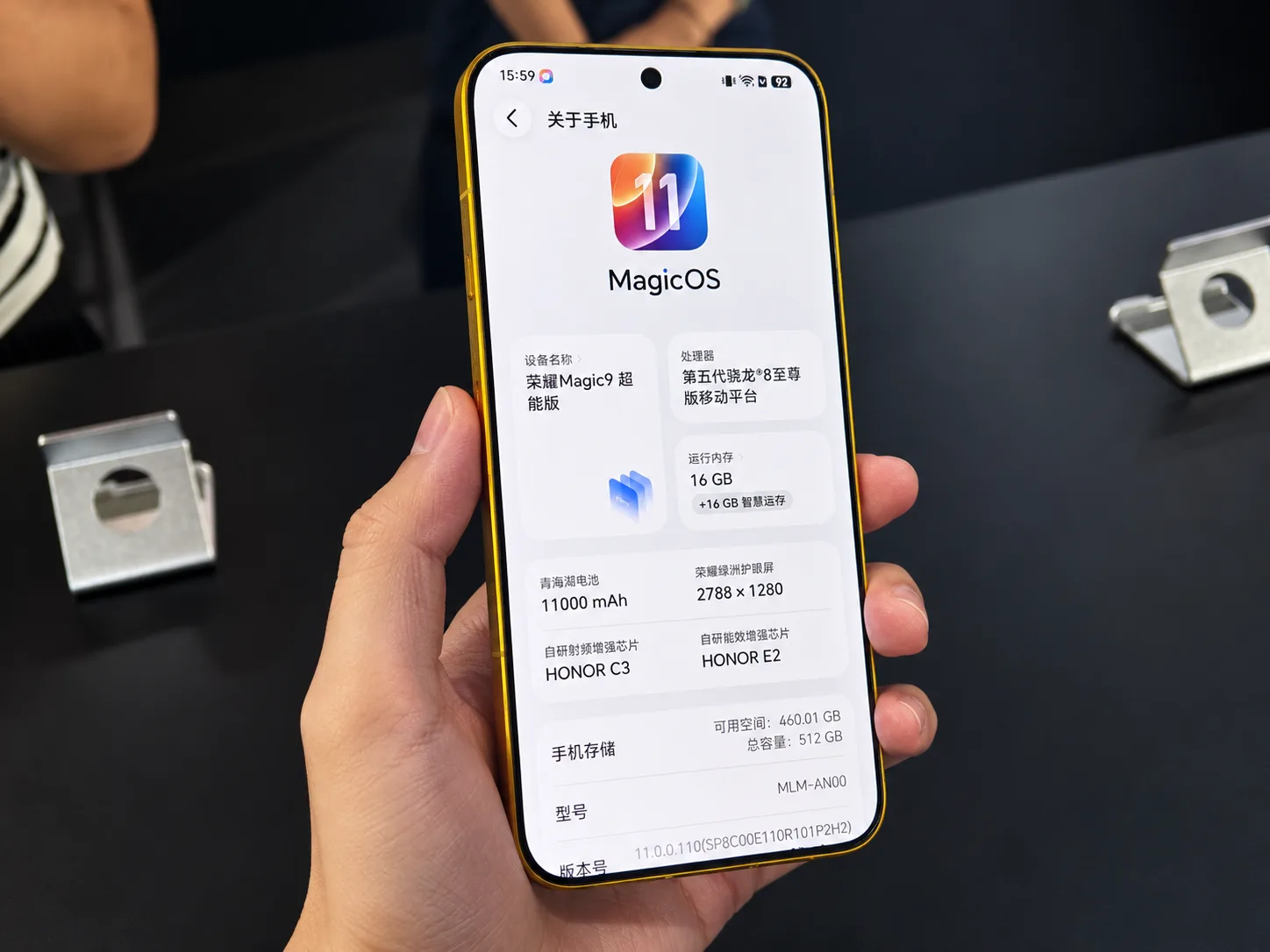
Its screen expands to 6.81 inches, and it shares the same Snapdragon 8 Gen 5 Ultimate Edition chipset. The headline feature, however, remains the much-hyped 11,000 mAh Qinghai Lake battery.
No typo—eleven thousand milliamp-hours.
This battery achieves an energy density of 1,000 Wh/L and incorporates 40% silicon—an industry-leading capacity among mass-produced smartphones, and likely the highest real-world endurance on the market.

(Images: LeiTech)
Inheriting the tradition of the WIN series, the Ultra Edition includes an active cooling fan. Honor even offers six years of unlimited free fan cleaning and maintenance service—an indication that smartphone makers continue pushing deeper into PC-like thermal management territory.
Imaging specs here are less aggressive than the other two models: the Magic9 Ultra Edition uses a 200-MP main sensor, a 50-MP telephoto lens, and a 12-MP ultra-wide-angle lens.
Given that the 11,000 mAh battery and active cooling fan already occupy substantial internal volume, cramming in two 200-MP sensors would inevitably result in a device approaching half a kilogram—clearly not ideal for daily use.
Immediately following the launch event, I seized the opportunity to get hands-on with all three models.
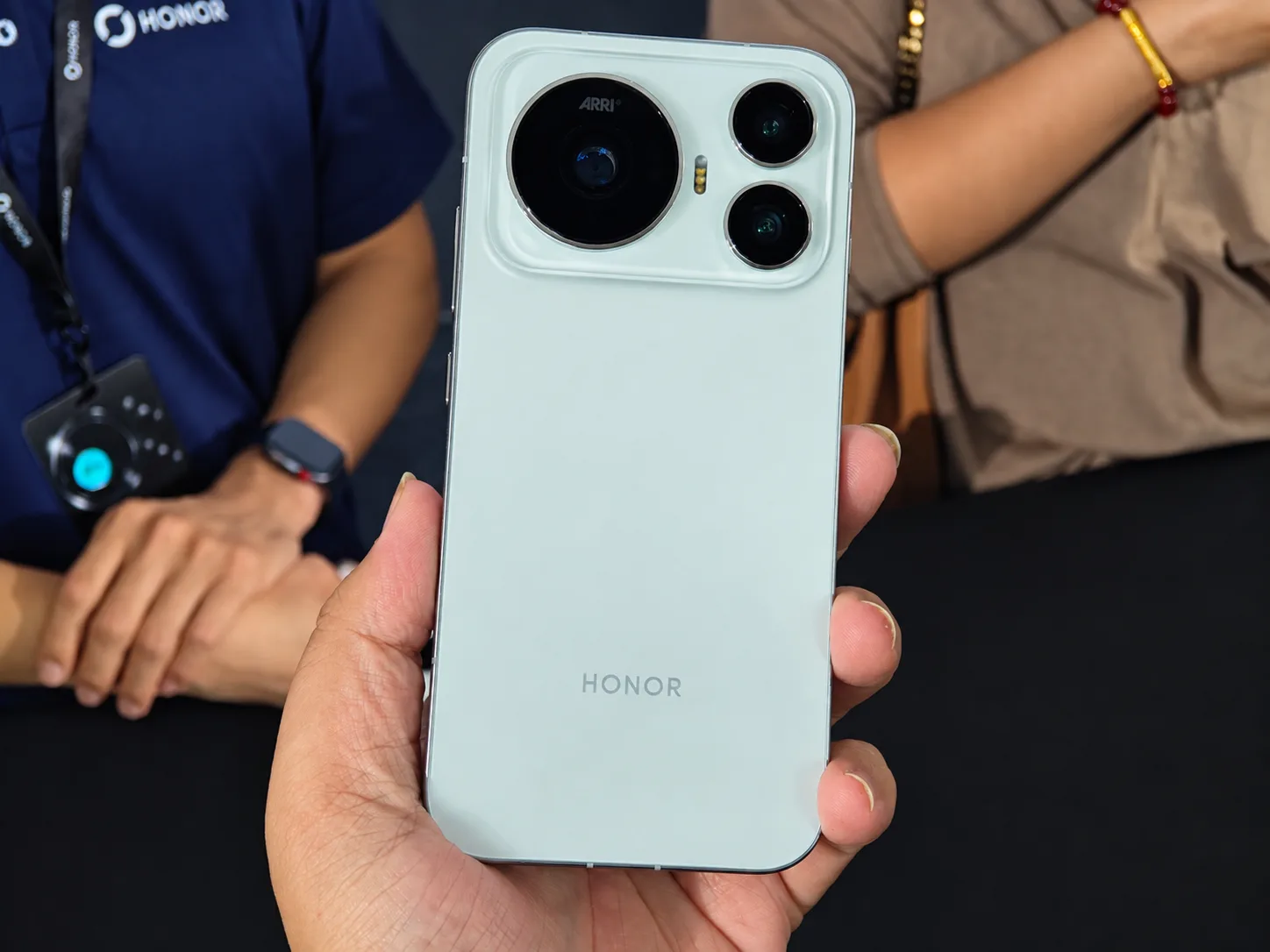
Starting with the Magic9: My first impression upon picking it up was how compact it feels—and despite housing a large-capacity battery, its thickness is far less than I anticipated.
(Images: LeiTech)
The overall color palette leans fresh and vibrant—but personally, I’m not particularly fond of yellow; white feels more refined and professional.
One thing to note: The Magic9’s side bezels feel slightly sharp, and the camera cover lacks refinement. On the demo unit I handled, the transition between the mid-frame and rear panel felt somewhat inconsistent. Overall build quality, frankly speaking, falls noticeably short of the Pro Max’s premium feel.
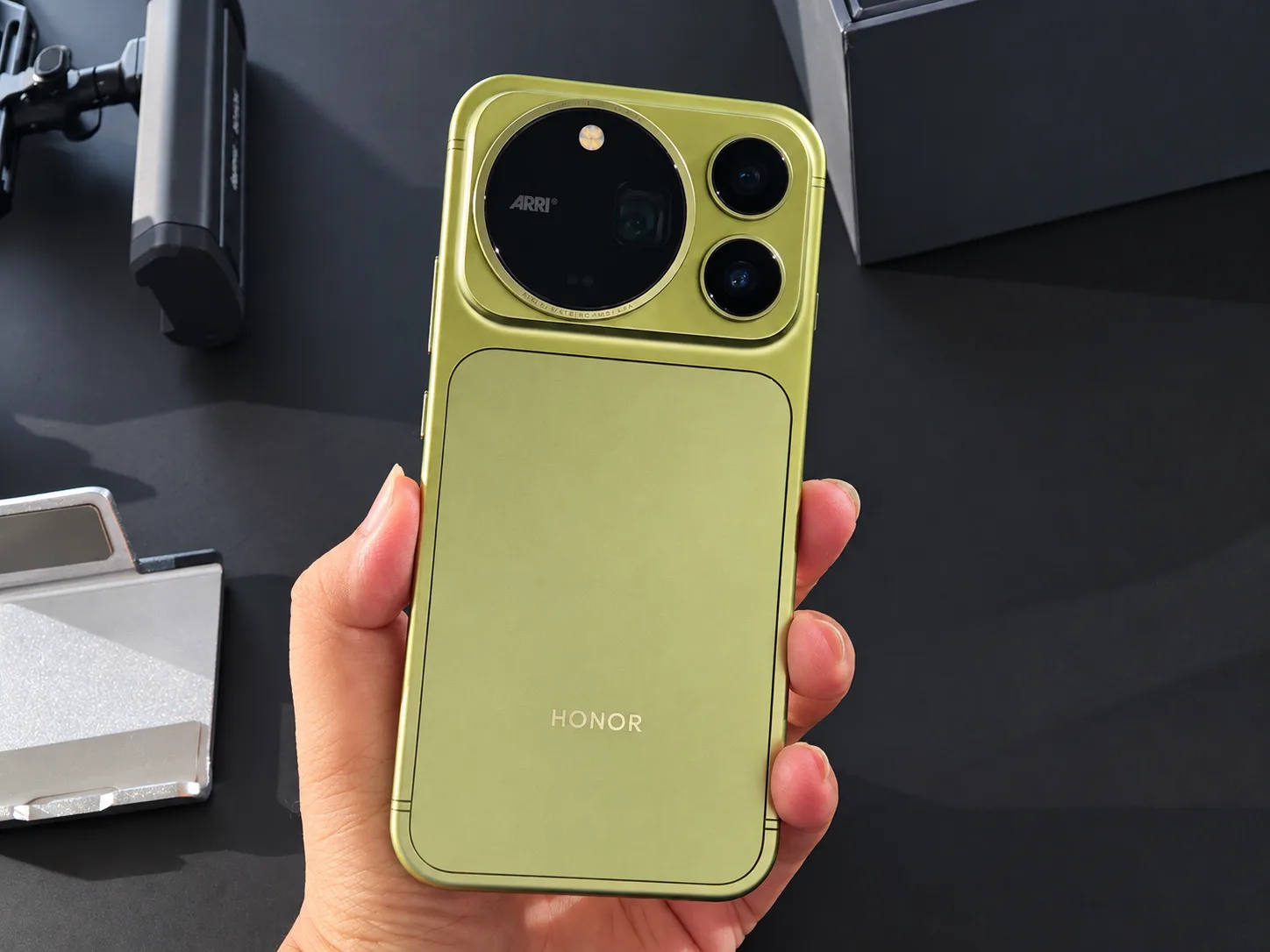
In contrast, the Pro Max delivers outstanding overall craftsmanship.
(Images: LeiTech)
I’ve been using the Silver Salt variant for quite some time, so nothing came as a surprise. But the matte metal frame, the distinct grain texture of the back panel, and the ARRI-inspired camera module—these elements combine beautifully. The subtle gradient effect on the Moss Green variant adds further visual appeal.
I also tested the new 500 mm Mega Cannon Telephoto Lens. Once mounted, the phone’s center of gravity shifts noticeably leftward, creating a pronounced weight imbalance. Holding it steady for extended shooting sessions won’t be comfortable—but the image quality is genuinely impressive. Paired with Honor’s 200-MP telephoto sensor, capturing birds in flight becomes entirely feasible.
Regarding the Ultra Edition—I mentally braced myself for handling what I expected to be a literal brick.
Surprisingly, it wasn’t nearly as heavy as anticipated—its weight aligns closely with the previous-generation Honor WIN series. Gamers who prefer two-handed usage should find it perfectly manageable.
(Images: LeiTech)
Of course, compact-device enthusiasts shouldn’t force themselves—this one clearly isn’t designed for them.
The rear heat-dissipation vents remain integrated within the camera module area. According to Honor, they’re coated with thermal gel. Unsurprisingly, the demo units showed no signs of heating during brief hands-on testing—and ambient noise at the venue masked any fan sound. Real-world thermal and acoustic performance will require thorough evaluation once review units become available.
Summary: Three Distinct Flagships
Finally, let’s address everyone’s most pressing question: pricing.
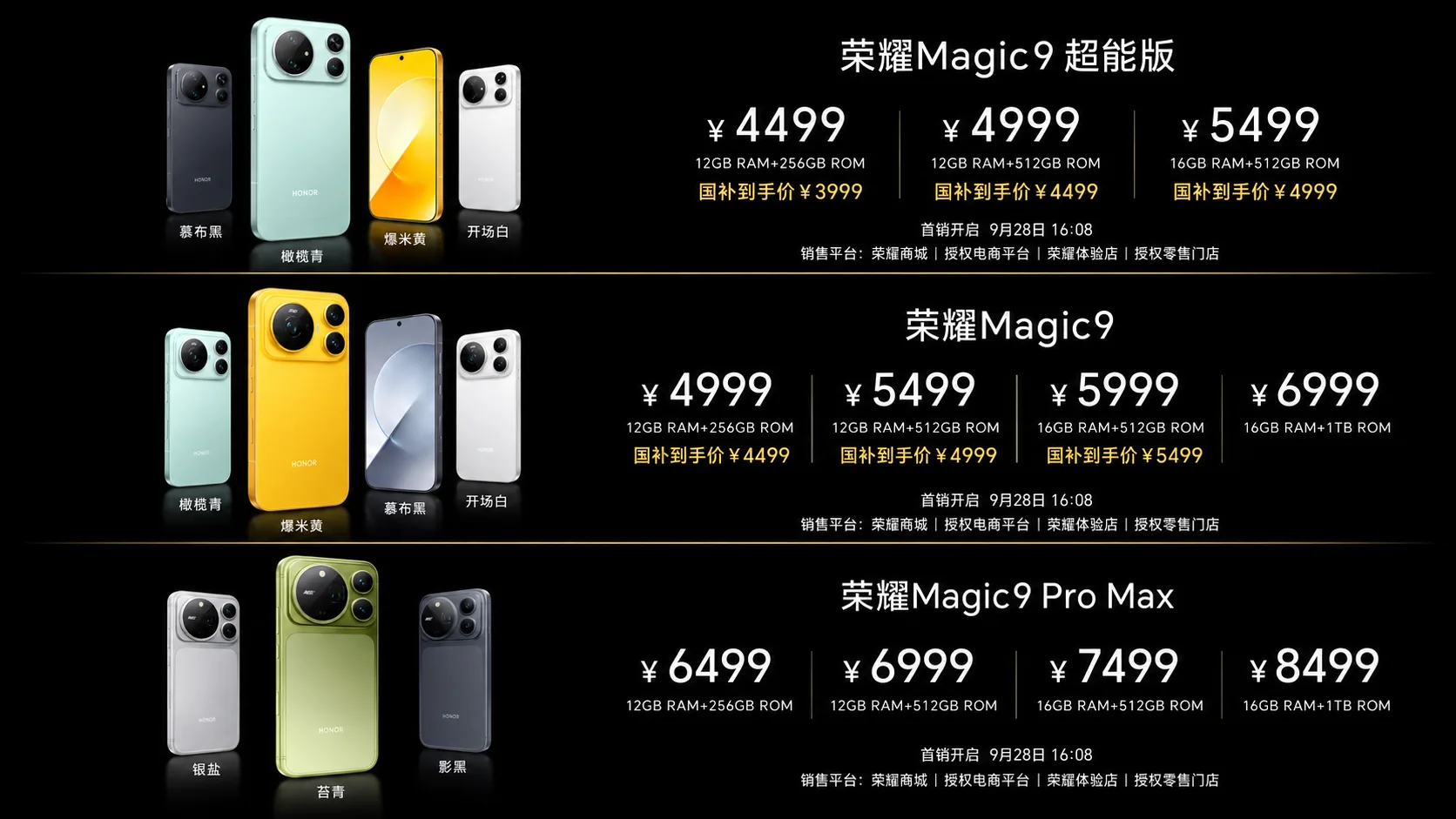
The Honor Magic9 starts at ¥4,999 (¥4,499 after China’s national subsidy); the Magic9 Ultra Edition starts at ¥4,499 (¥3,999 after subsidy); and the Magic9 Pro Max starts at ¥6,499—all configurations begin at 12 GB RAM + 256 GB storage, and go on sale immediately.
(Images: LeiTech)
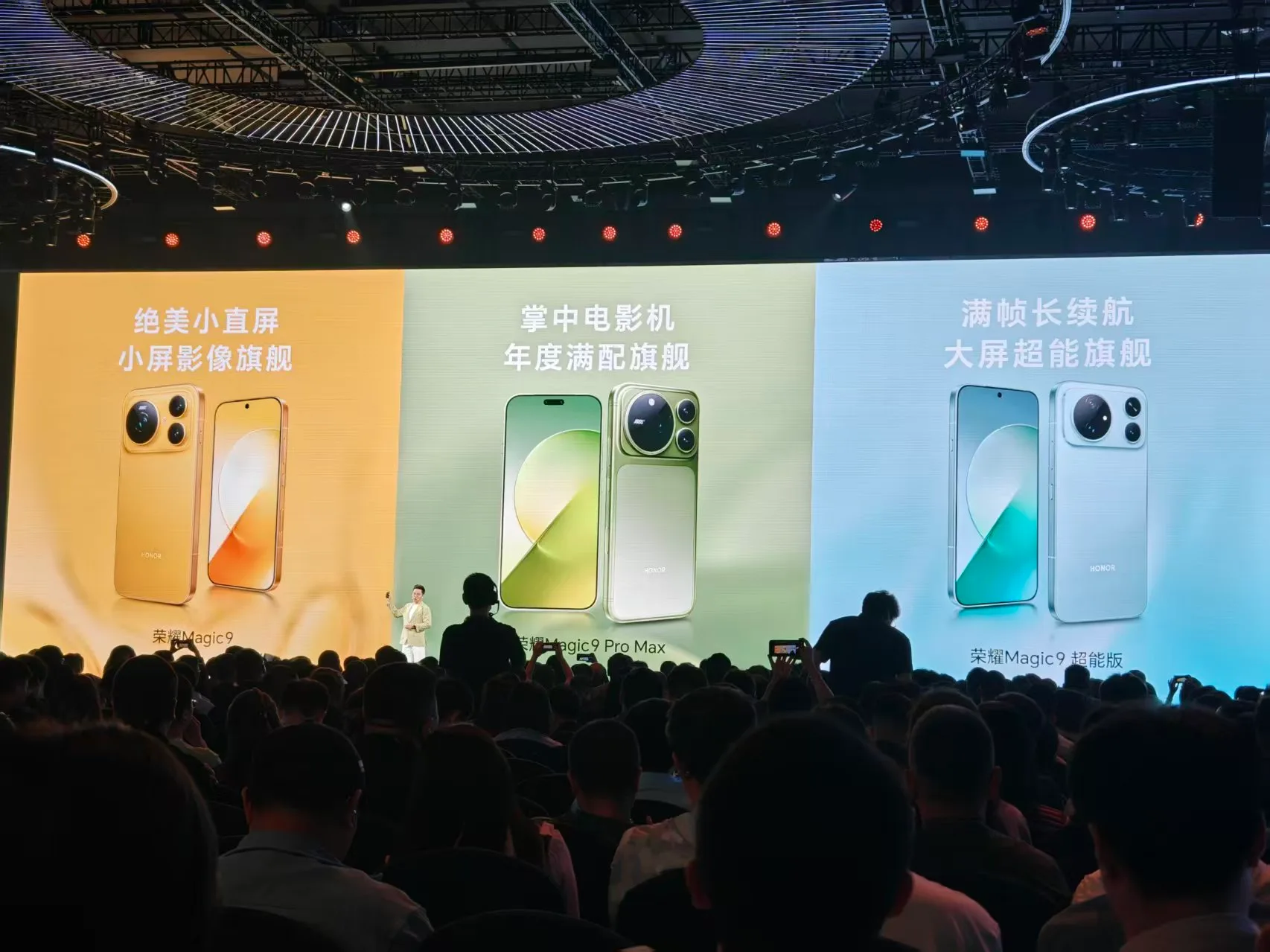
Turning back to the products themselves, the distinctions among the three Magic9 models are remarkably clear-cut.
The standard Magic9 deliberately avoids the traditional “Lite” positioning. Packing a 6.37-inch display, an 8,000 mAh battery, and dual 200-MP cameras into one device clearly signals Honor’s vision for compact flagships: exceptional ergonomics combined with uncompromised versatility.
If you share my preference for smaller smartphones, the Magic9 will almost certainly pique your interest.
(Images: LeiTech)
As for the Magic9 Ultra Edition, its 11,000 mAh battery, active cooling fan, and large display practically spell out its target audience. Frequent travelers, field workers, avid mobile gamers, or hotspot users will genuinely benefit from this extraordinary battery capacity—even if its imaging specs sit one tier below the other two models.
The Magic9 Pro Max defines its audience even more precisely.
Dual 200-MP sensors, ARRI cinematic mode, a 500 mm telephoto lens, cinema-grade shotgun mic, and the latest Snapdragon platform—it’s the most comprehensively equipped imaging flagship in the Magic9 series.
If your typical usage involves snapping photos and sharing them on social media, many of these advanced features may go underutilized. However, if you regularly shoot video, vlogs, concerts—or simply enjoy experimenting with smartphone cinematography—the Pro Max’s specialized hardware and accessories deliver tangible value.
Ultimately, choosing among these three depends entirely on your personal preferences and usage priorities.