
 雷科技





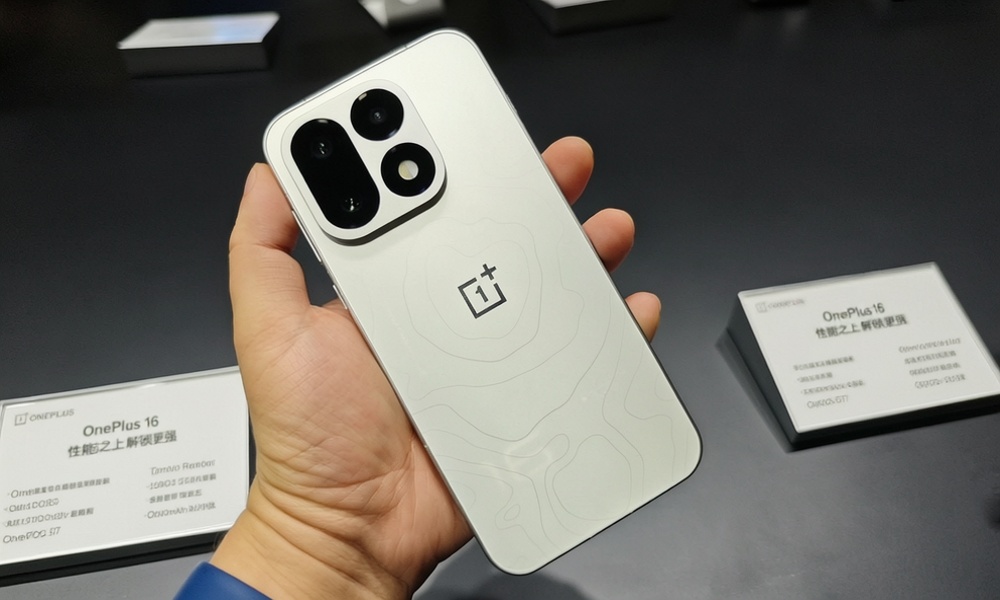

On September 28, Leitech was invited to the 2026 OnePlus Gaming Summit themed "Speed Across Generations". At the event, Liu Baoyou, General Manager of OnePlus China Brand, unveiled three core gaming upgrades for the OnePlus 16: a blazing-fast 185Hz high refresh rate, the all-new "Windrush Gaming Kernel", and the debut of the fully in-house developed "Triple Esports Chips".
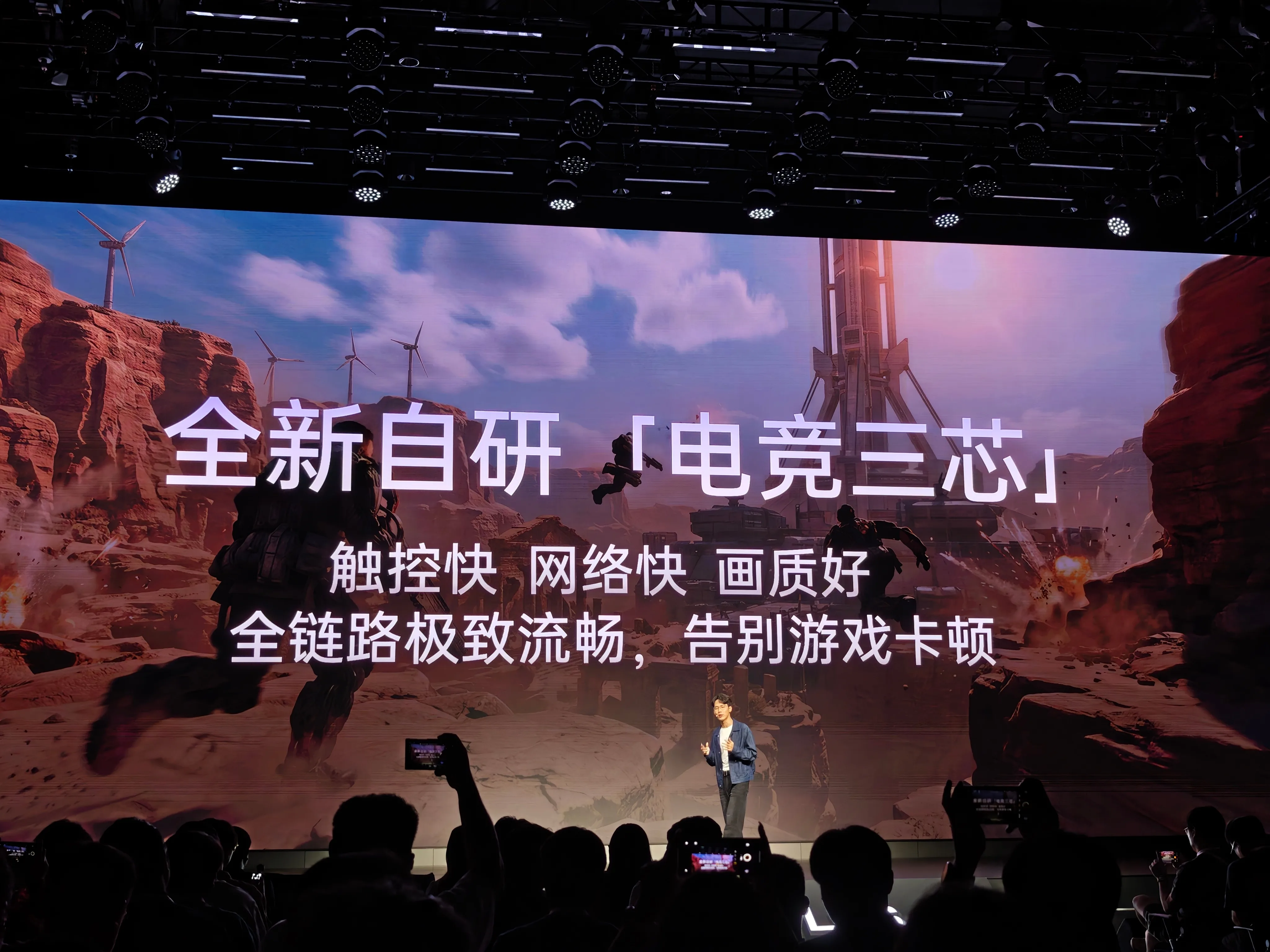
Image source: LeiTech
Held as a preview event ahead of the official launch of the OnePlus 16, the summit did not disappoint gamers. Its flagship upgrade is native support for a 185Hz refresh rate, 65Hz higher than the mainstream 120Hz standard. According to official in-game test data, display speed rises by 35%, touch latency drops by 11.1 milliseconds, and control responsiveness improves by 25%.
The numbers might sound abstract on paper. In practice, you get smoother performance when scoping in, turning the view and tracking targets — benefits that FPS players will immediately appreciate. To push gaming frames up to 185 FPS, OnePlus has put in substantial work, starting with a rebuilt "Windrush Gaming Kernel".
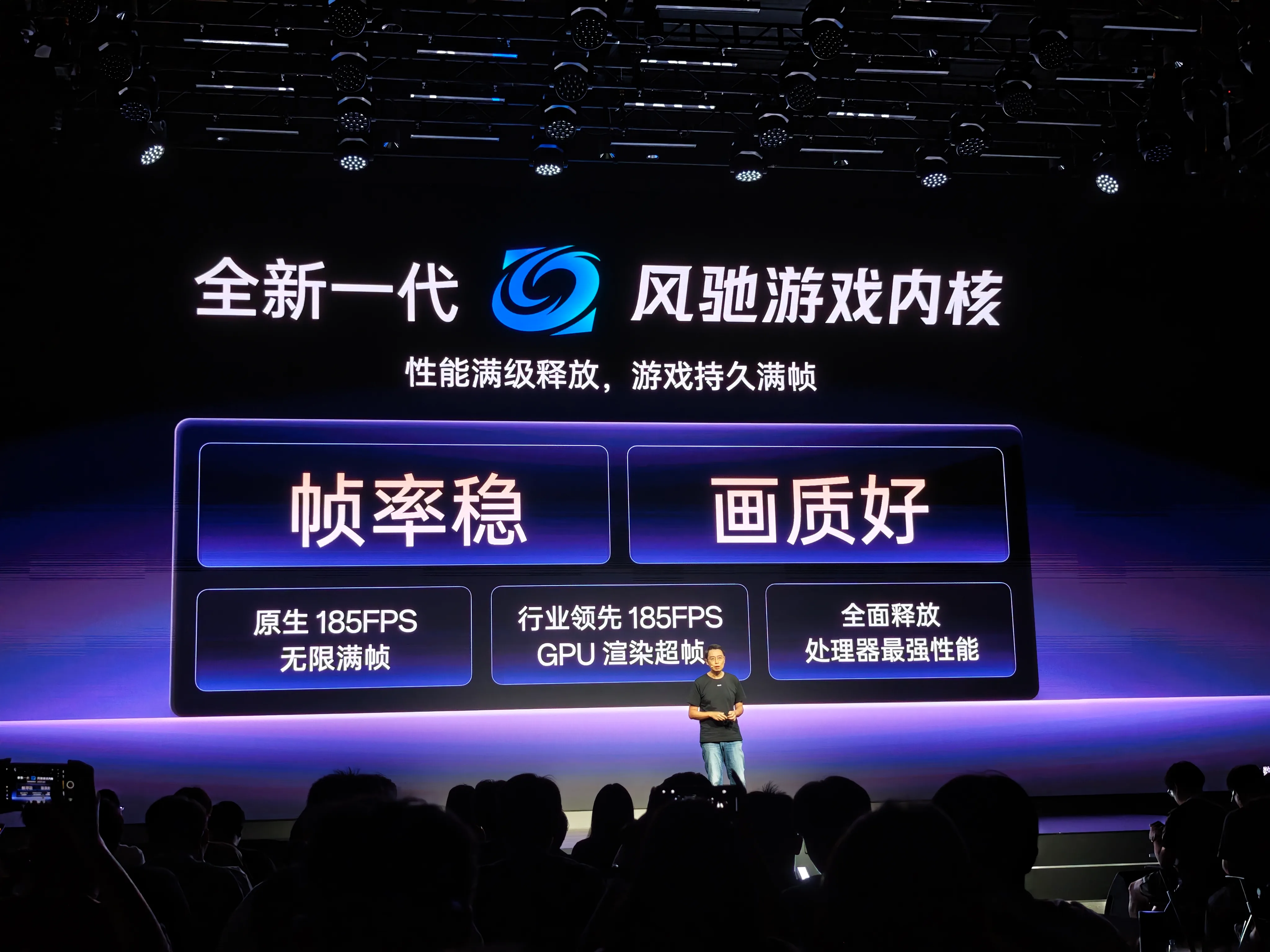
Image source: LeiTech
The new-generation solution enables unified scheduling between the SoC and DDR memory for the first time, with dedicated scheduling rules built for games. Under heavy-load scenarios such as team fights, dense visual effects and fast map traversal, system resources will be prioritized for the game. Meanwhile, OnePlus has deepened its cooperation with Qualcomm, embedding the Windrush Gaming Kernel deep into the chip foundation. It leverages the mobile Matrix Cores computing units of the Snapdragon 8 Gen 6 Super Ultimate Edition to support graphics computation and frame interpolation.
Yet these alone cannot fully deliver the complete 185FPS experience. OnePlus 16’s Super Display Chip P4 also plays a vital role. This chip mainly boosts dynamic clarity during fast-moving scenes and reduces motion blur when quickly swiveling the viewport, translating high frame rates into tangible visual advantages for players.
Beyond hardware and software upgrades on the phone itself, OnePlus has forged in-depth partnerships with games including Game for Peace, Arena Breakout, CrossFire: Future and Naruto Mobile. Targeted optimizations allow these titles to natively support the 185FPS mode on the OnePlus 16.
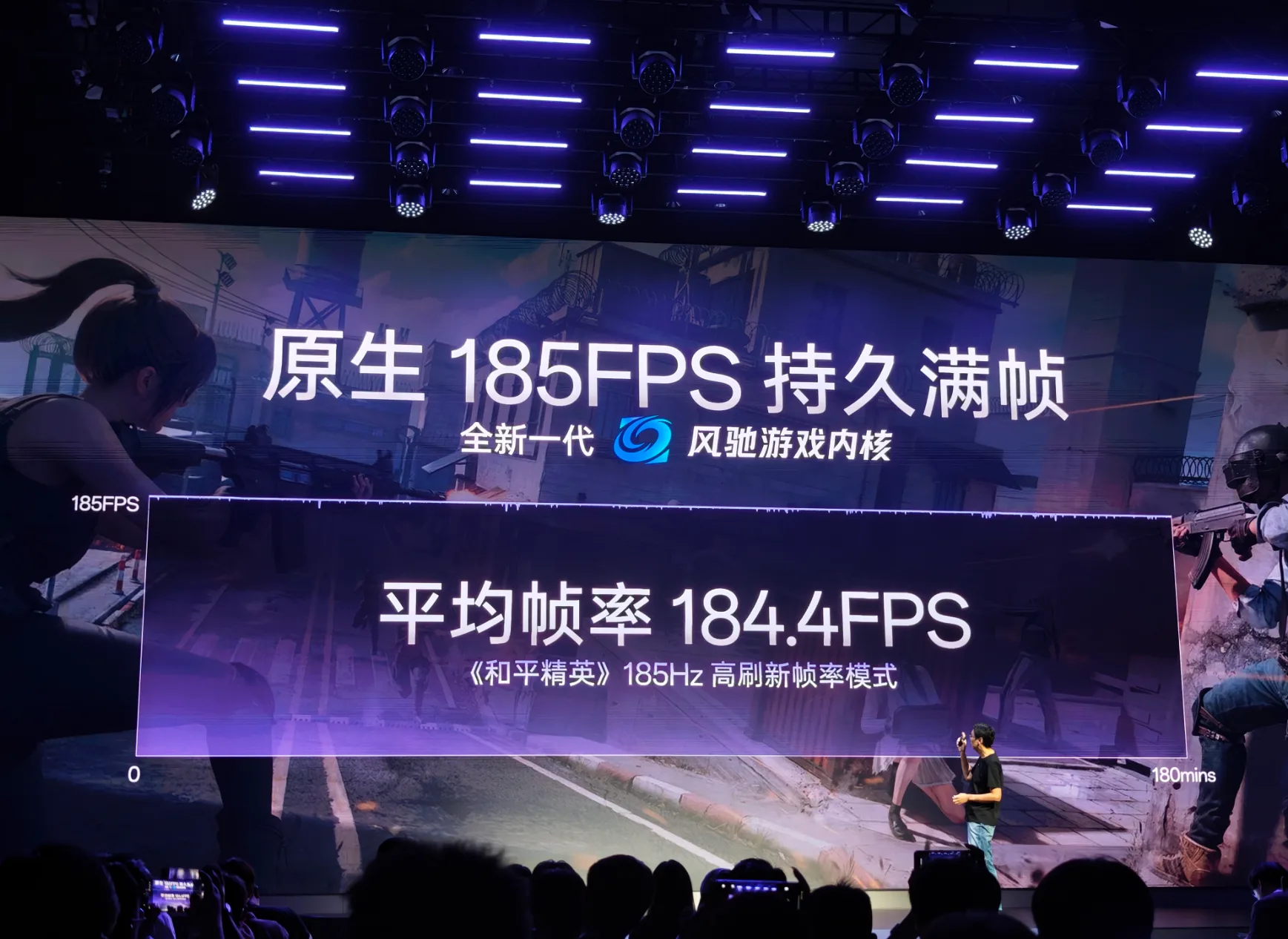
Image source: LeiTech
Does that mean other games won’t be supported? Not really. Thanks to deep collaboration with Qualcomm, the OnePlus 16 can tap into graphics computing capabilities such as Matrix Cores on the Snapdragon 8 Gen 6 Super Ultimate Edition. It delivers 185FPS frame interpolation with zero added latency for games without native adaptation, unlocking the full potential of its 185Hz screen across more titles.
Clearly, OnePlus has gone to great lengths to bring the complete 185FPS experience to gamers. Yet gaming performance is not all about frame rate. Network latency and touch feedback are also core factors shaping mobile gameplay.
To put it simply: even if you hit over 300FPS, severe network lag will still get you outplayed by opponents. That’s why the OnePlus 16 is equipped with the Esports Network Chip G3, built to deliver low gaming latency and stable connections under weak network conditions.
Just how stable is it? At the event venue, hundreds of people packed into a relatively small studio, with dozens of phones connected to the same Wi-Fi simultaneously. Even in such crowded conditions, the OnePlus 16 sometimes achieved single-digit gaming latency, mostly hovering in the teens and twenties of milliseconds. Judging from the on-site demo, the handset maintains fairly steady game latency amid network congestion.
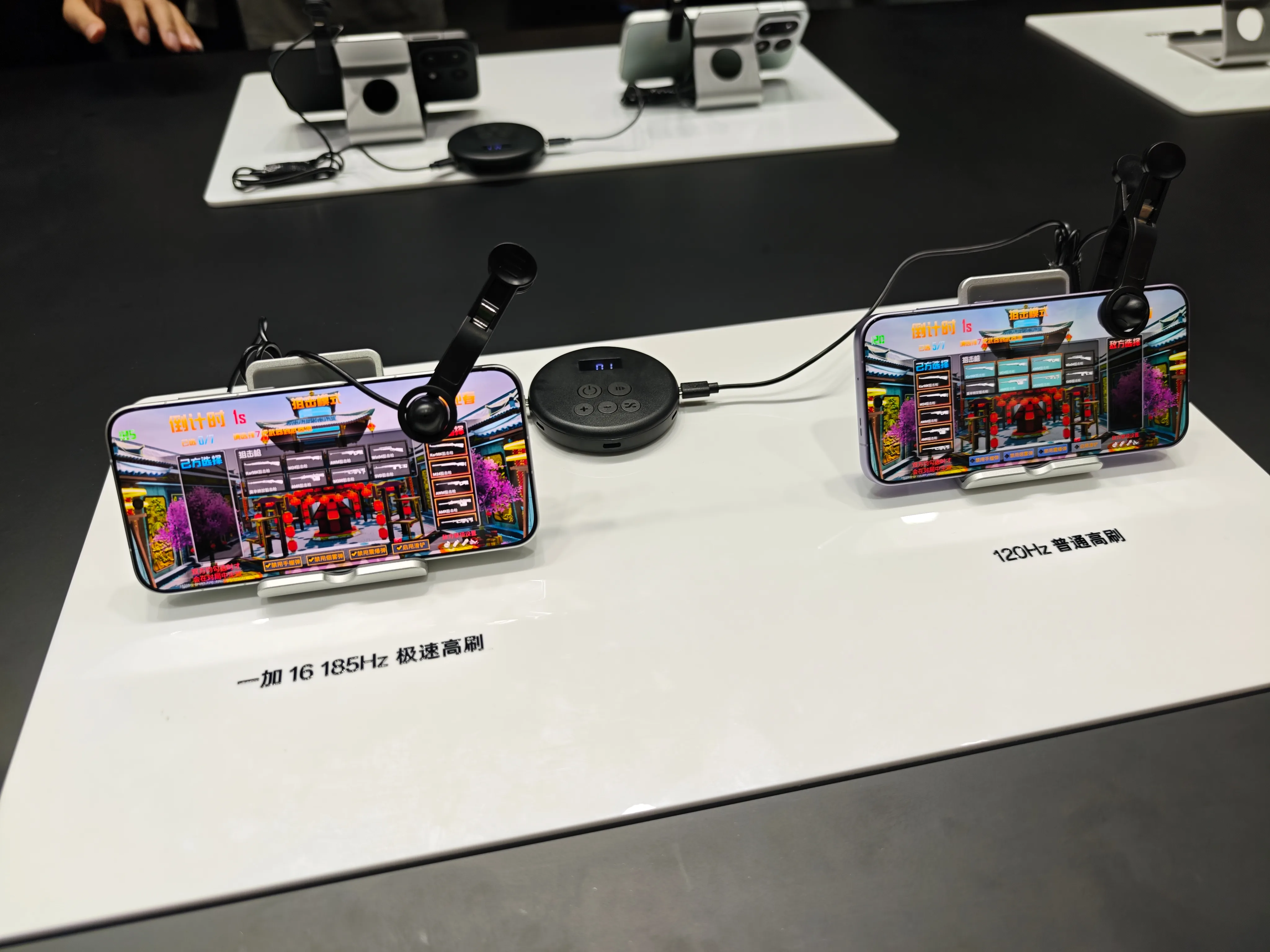
Image source: LeiTech
Besides that, OnePlus has also boosted the control experience for mobile gaming. The new Lingxi Touch Chip T3 supports a multi-touch sampling rate of up to 520Hz. It shortens the operation feedback chain through touch algorithms and dual touch-display synchronization technology.
Essentially, the OnePlus 16 delivers a major upgrade to on-screen controls. Leaving aside extra hardware such as shoulder triggers and game controllers, the screen remains the primary control interface for mobile gamers. Whether it is FPS titles like Game for Peace or action games such as Arknights: Endfield, how enjoyable the gameplay is directly hinges on responsive touch input.
Therefore, the upgrades on the OnePlus 16 largely target the real pain points of mobile gamers. No wonder some people have already dubbed it this year’s top gaming phone ahead of its official launch. Still, as OnePlus’s flagship model, the OnePlus 16 excels at more than just gaming. During the on-site hands-on session, I briefly tested camera and other features, and the overall performance looked very solid.
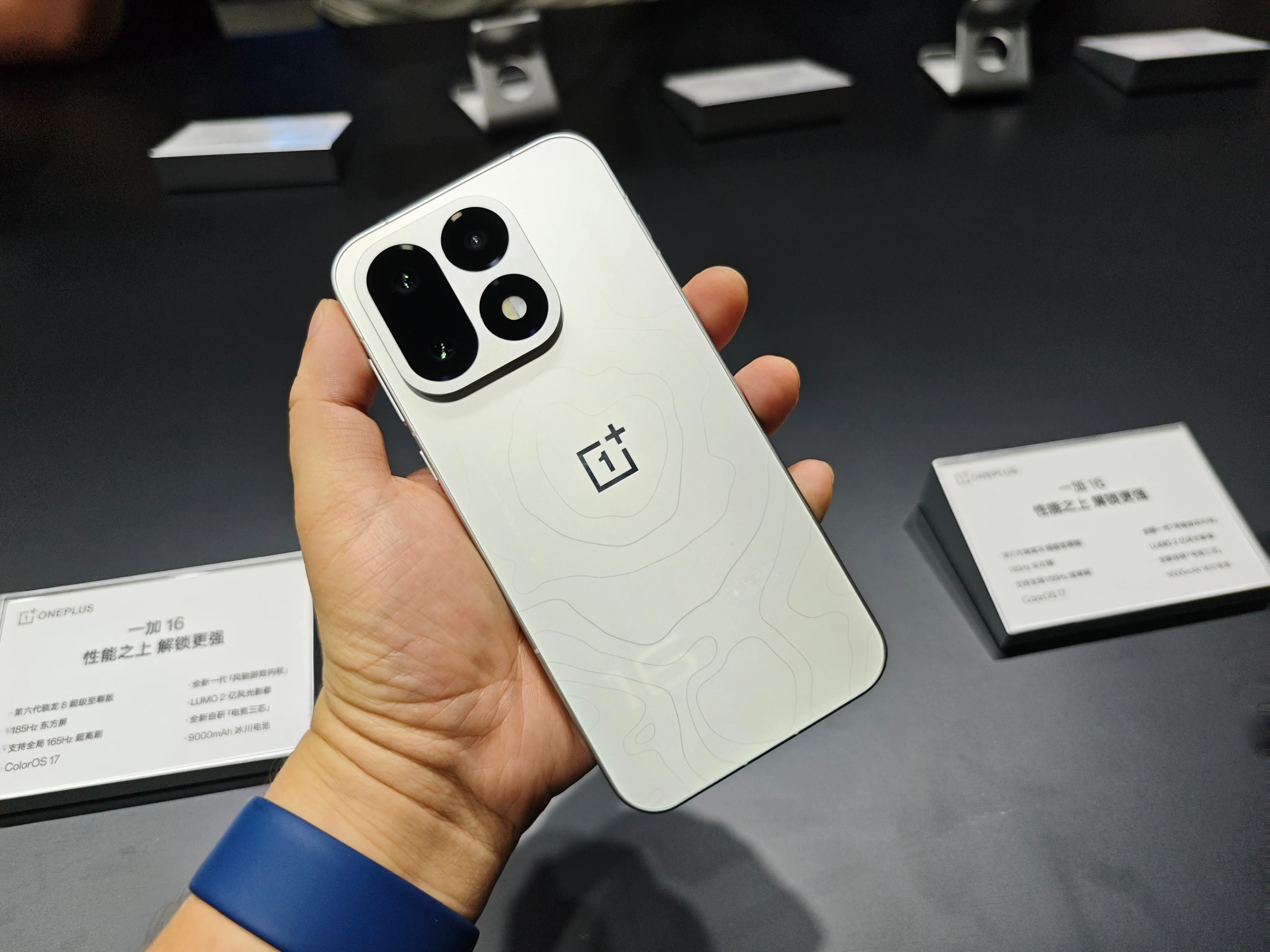
Image source: LeiTech
Well, the device is still under an embargo, so I cannot go into too many details. That said, OnePlus 16 has undoubtedly landed on a promising market track. Mobile gaming has boomed in recent years, and mainstream games demand higher frame rates and more responsive controls. Regular flagship phones struggle to fully meet the needs of hardcore gamers.
On the flip side, dedicated gaming phones leave users who also care about camera performance disappointed. It feels like a catch-22 situation. OnePlus has spotted this market gap. Building on the flagship-level design, build quality and camera experience, it adds esports capabilities to its flagship lineup, offering hardcore gamers a fresh alternative.
Moreover, the OnePlus 16’s full-stack optimization strategy is quite compelling. It offloads certain tasks originally handled by the SoC and system, assigning dedicated chips for display, network and touch to optimize each pipeline separately. Compared with simply cranking up the main processor’s raw power, this approach targets specific pain points in gaming experience more precisely.
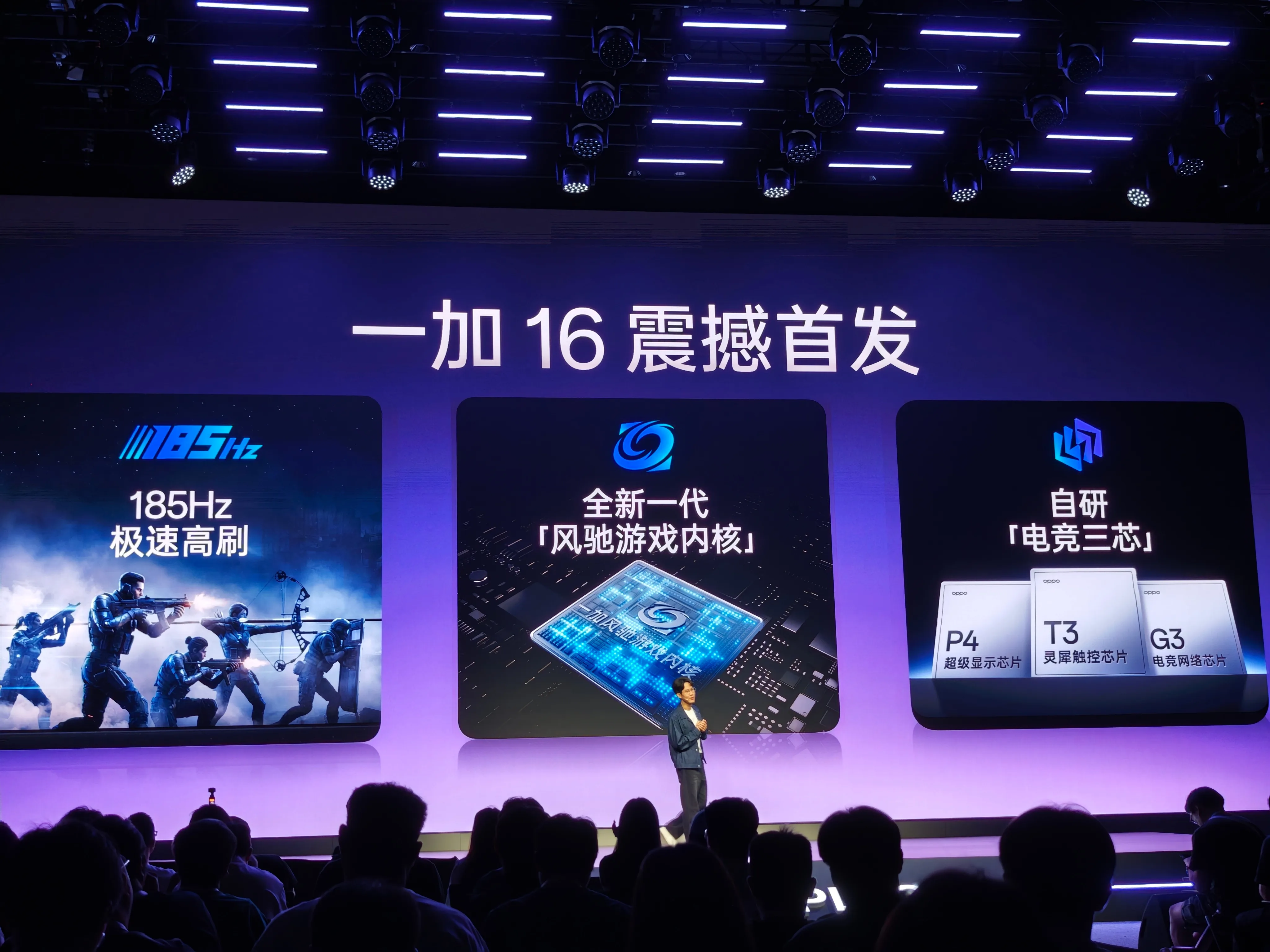
Image source: LeiTech
Furthermore, these dedicated chips carry ample room for iteration. Targeted upgrades can be rolled out in the future for different platforms and product positioning. Simply put, OnePlus has built its own underlying gaming technology foundation for smartphones. As long as this underlying capability keeps evolving, relatively consistent gaming performance can be maintained even when the SoC platform and product positioning change. This is where the value of self-developed chips lies.
Right now, the OnePlus 16 physical demo units are on display at offline OPPO stores. If you’re interested, you can drop by and play some games in person to feel what 185FPS gameplay is really like. The official launch of the new phone is scheduled for October 12. Leitech will bring you in-depth coverage then, so stay tuned.