
 雷科技





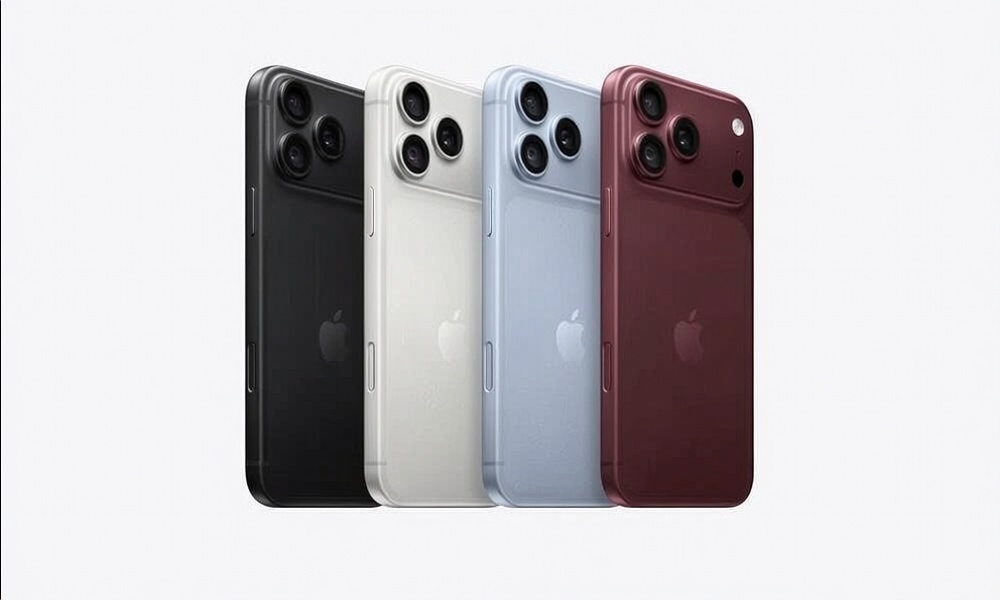

After the iPhone 18 Pro launch, criticism flooded social media. People complained Apple was scraping the bottom of the barrel with incremental upgrades, raising prices without major leaps forward, and slacking off while Android makers fought tooth and nail. To outsiders, it looked like Apple was heading for a sales meltdown.
So what actually happened?
News from September 28: Fresh 7-day domestic launch sales data tells a different story. The iPhone 18 Pro series moved nearly 1.3 million units in China, hitting 115% of the volume recorded by the iPhone 17 Pro over the same period last year.
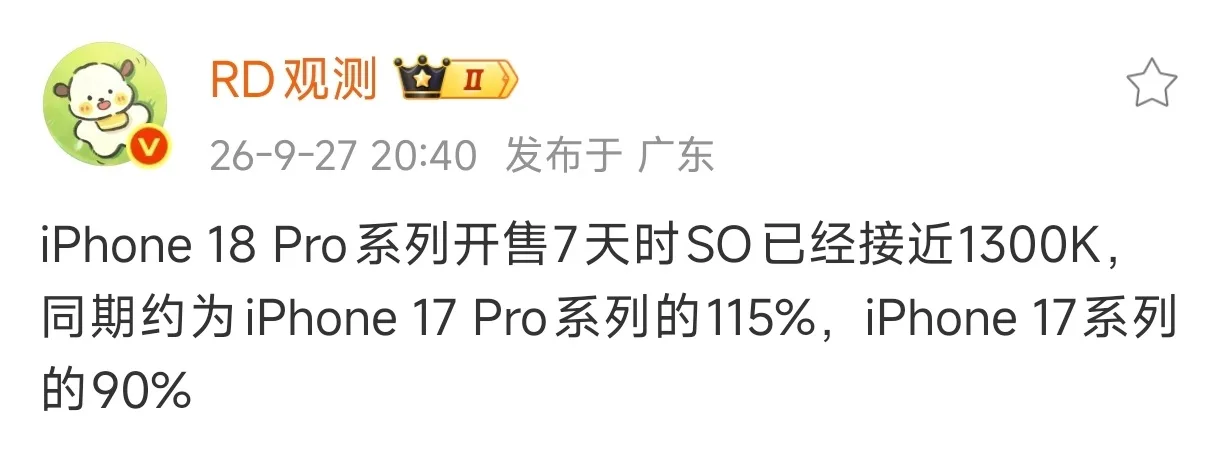
(Image source: Weibo)
Well, it’s the same old script. Roasted every year yet bought year after year; the louder the complaints, the steadier the sales.
Many argue this generation lacks innovation, pointing out there are no major design overhauls and unimpressive specs on paper.
But in the view of Xiaolei Bibi (ID: xiaoleibbb), the iPhone 18 Pro acts more like the complete, refined version of the iPhone 17 Pro.
What was the most widely criticized flaw of last year’s iPhone 17 Pro? Poor thermal performance. The phone would throttle and drop frames within two minutes of heavy gaming, and it got too hot to hold after just a short outdoor video shoot in summer.
This model fully beefs up its cooling system. The VC vapor chamber has grown substantially. Paired with the 2nm A20 Pro chip, power consumption is tightly controlled.
Don’t dismiss cooling as a trivial spec. You may barely notice it while scrolling social media or watching videos, but the gap becomes obvious under heavy loads: playing graphically intensive games, shooting 4K video for extended periods and other demanding tasks.
No overheating, no throttling, sustained performance. This kind of real-world experience upgrade is far more practical than extra numbers on a spec sheet.
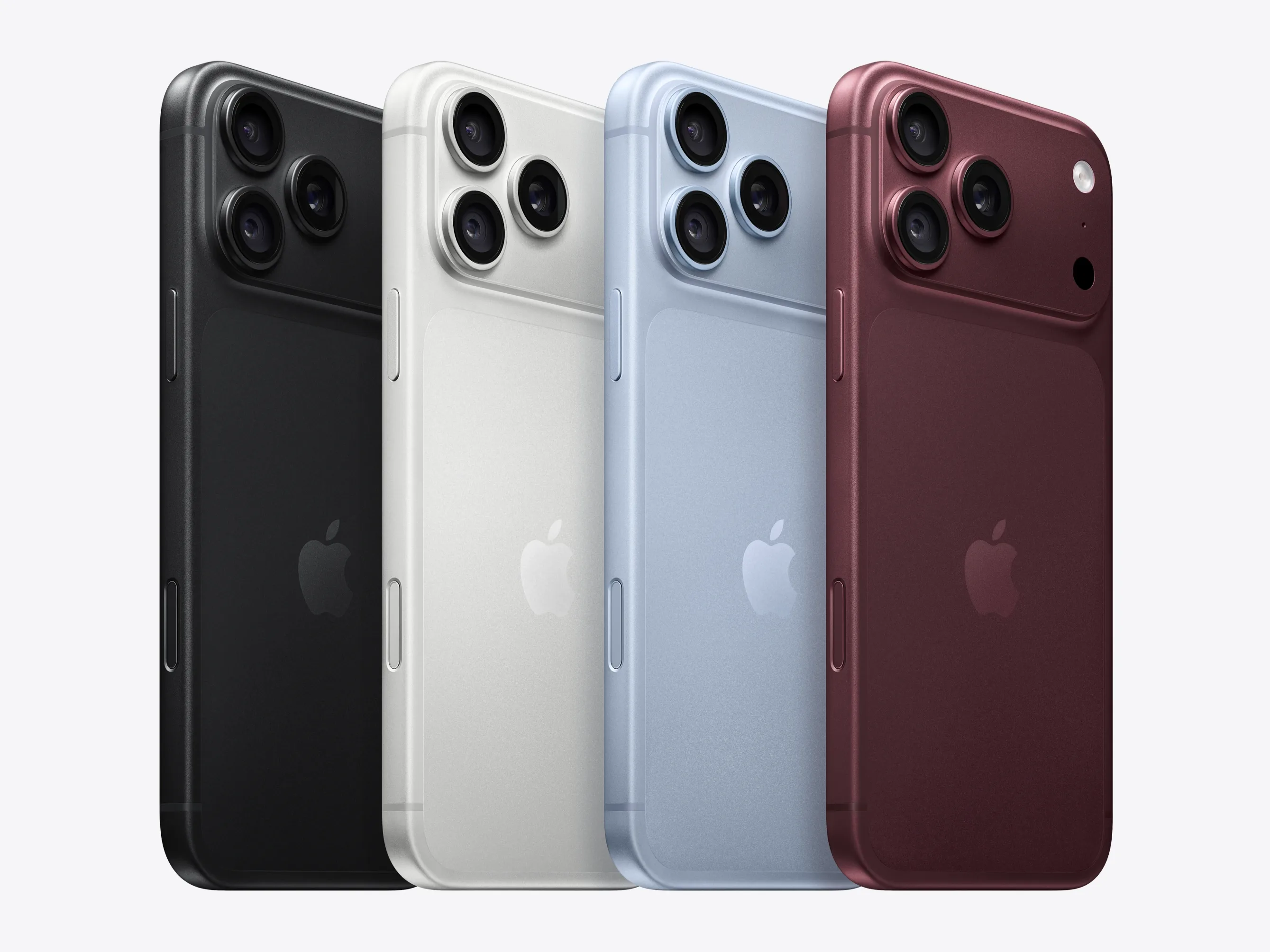
(Image source: Apple’s official website)
The camera and battery life are another typical case: seemingly unchanged on paper, yet much better in real use.
The pixel count of the camera stays the same, but the sensor and computational photography algorithms have received quiet upgrades. Especially for low-light telephoto shots, the success rate has improved by more than one level compared with the prior model. Battery life brings more tangible gains; Apple claims it lasts two hours longer than the last generation.
In Xiaolei’s opinion, Apple’s upgrades for the Pro lineup are no longer about cramming in impressive specs for show. Instead, the company focuses on fixing weak points from the previous model. You may not notice at first glance, yet the comfort kicks in once you start using it.
Now let’s talk about the most hotly debated price hike.
The 256GB and 512GB versions cost only 1,000 yuan more than their predecessors. I joined in the complaints right after the launch.
But after checking the recent memory market and pricing of new Android flagships, it suddenly made sense to me.
Prices of memory and flash storage have soared this year. Several newly released Android flagships have raised prices far more aggressively than Apple for the same storage configurations.
To be honest, Apple has long been famous for its steep storage markup, and I have often criticized this in the past. Still, against the backdrop of industry-wide price increases, a 1,000-yuan rise makes its price adjustment look comparatively reasonable this time around.
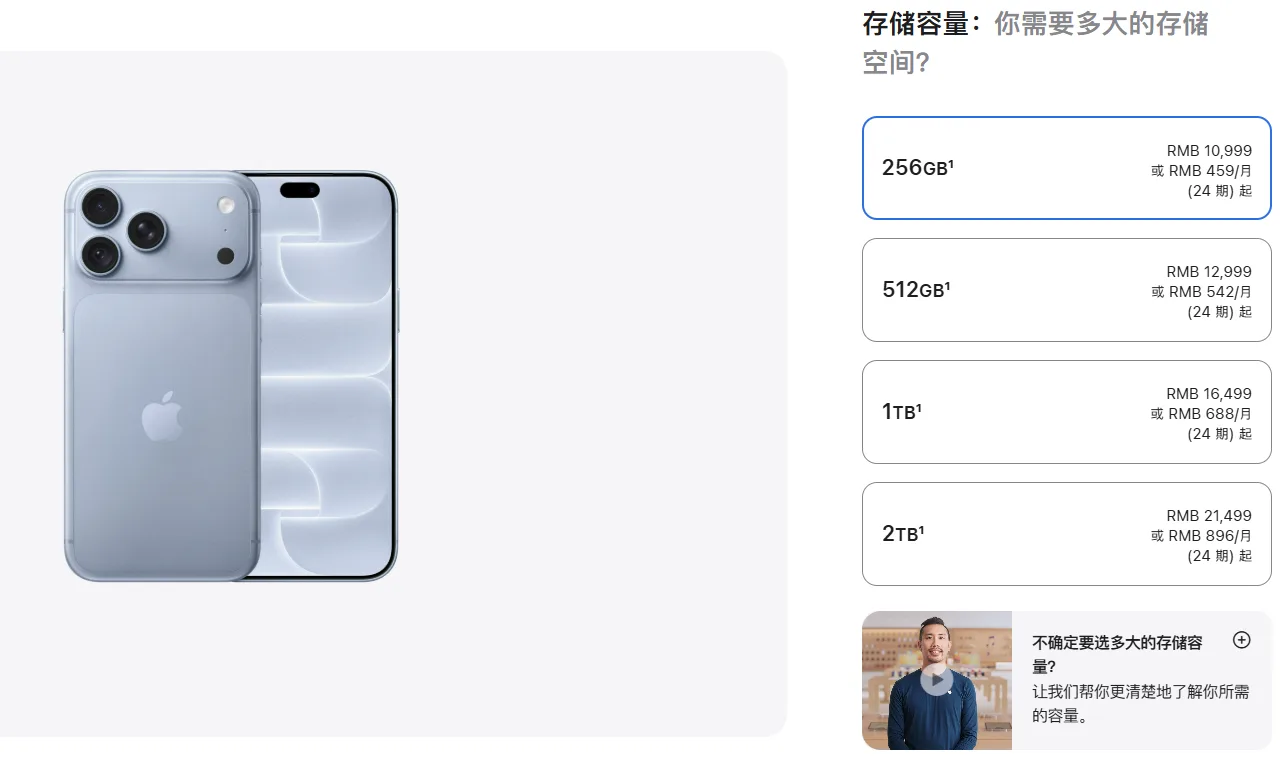
(Image source: Apple’s official website)
The 512GB model in particular becomes a more worthwhile pick for users who shoot lots of videos and store massive photo libraries.
That does not mean Apple is cheap. But in comparison, this price bump feels far less unreasonable and even carries a hint of cost-performance value. It sounds counterintuitive, yet that is the reality.
Some also ask: If Apple only delivers minor upgrades and still sells so well, are Apple fans simply overpaying blindly? That is not the case.
Bear in mind not everyone upgrades their phone every year. Most people debating specs and incremental changes online are tech enthusiasts, who may replace their devices annually.
The vast majority of ordinary users keep their phones for two to four years before getting a new one.
Take people still holding onto iPhone 14 or even iPhone 13 as an example. What would it feel like to switch to the iPhone 18 Pro? The chip performance doubles, with all-round improvements to the camera, battery life and display, plus new features such as the slimmed-down Dynamic Island. For these users, this is no trivial incremental tweak — it is a leap forward.
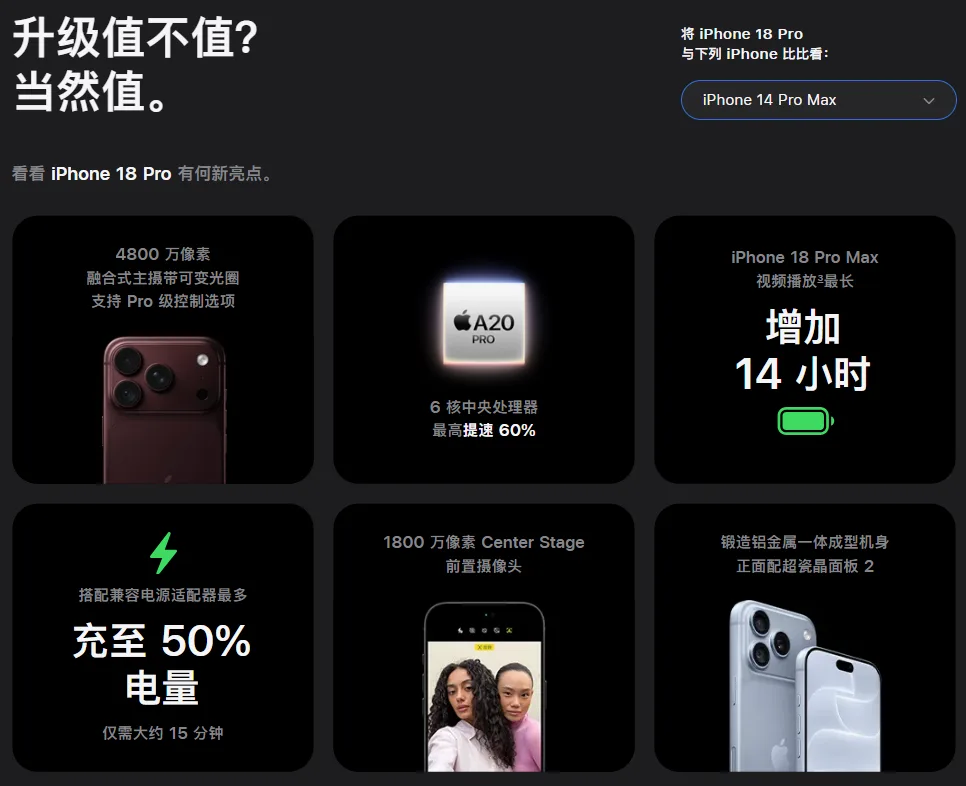
(Image source: Apple’s official website)
That explains it. Every time a new iPhone hits the market, you see floods of complaints online while long queues form outside physical stores.
From my observation, this is not double standards. The people who vent online and those who place orders are not always the same crowd. Or to put it another way: the critics are long-term fans expecting bigger upgrades, while the buyers are ordinary consumers who value overall real-world experience.
The market never lies, and sales figures tell the whole story.
The iPhone 18 Pro outperforming its predecessor in sales boils down to solid product strength. Even with incremental upgrades and a price hike, as long as the core user experience stays reliable and the phone is worth buying for most upgraders, sales will remain strong.
I’m really curious about how the iPhone Duo will perform once it goes on sale. We’ll wait and see whether netizens will do the same thing: complain nonstop and still place their orders anyway.
Here’s a question for you: Is the iPhone 18 Pro worth buying this year? Are you a complainer or a buyer? Leave your thoughts in the comments.