
 雷科技





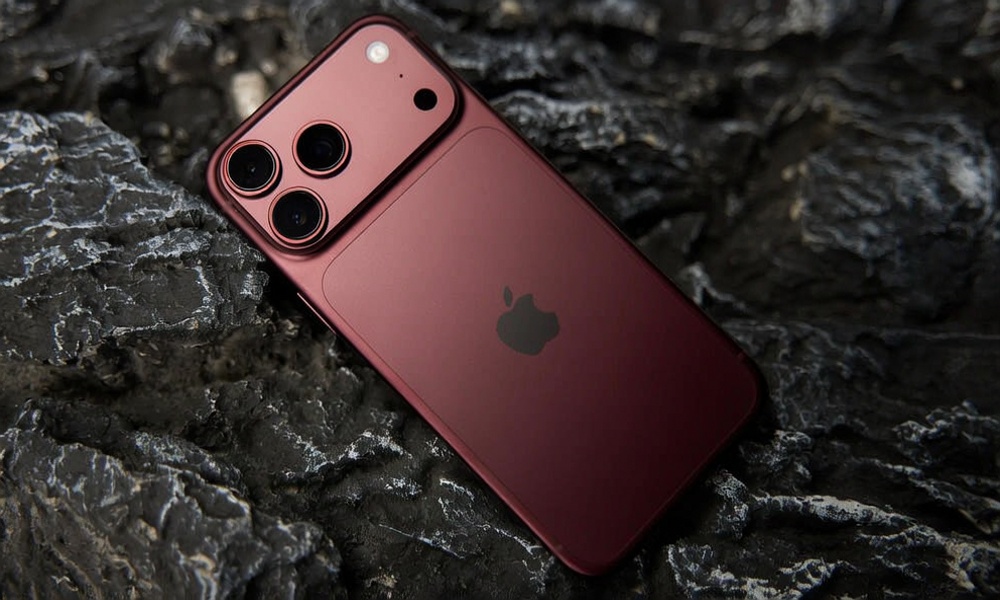

The iPhone 18 series went on sale officially on September 18, and Leitech got our hands on the iPhone 18 Pro Max right away.
Compared with the radical overhaul of the iPhone 17 Pro Max last year, Apple has obviously taken a much more conservative approach this year. After watching the keynote, I struggled to find a compelling reason to upgrade. But specs are just numbers; you can only judge a phone’s real-world performance once you’ve used it yourself. After a full day of hands-on testing, I’ve formed some new opinions about this iPhone 18 Pro Max.
So how does this flagship that starts at over 1,000 yuan perform this year? Let’s cut straight to the review.
Minor exterior tweaks, major internal upgrades
The iPhone 18 Pro Max is far less dramatic than the heavily upgraded iPhone 17 series from last year. Apple just rolled out the aluminum unibody chassis and the brand-new horizontal camera Deco on the iPhone 17 Pro Max, so it was never going to scrap the whole design only one year later.
The camera Deco still features a horizontally extended raised platform, with no obvious changes to the placement and layout of the three lenses. This design sparked fierce debate when it first launched last year, especially the two-tone finish created by the rear glass and aluminum frame. Some loved its bold identity, while others found the look jarring.
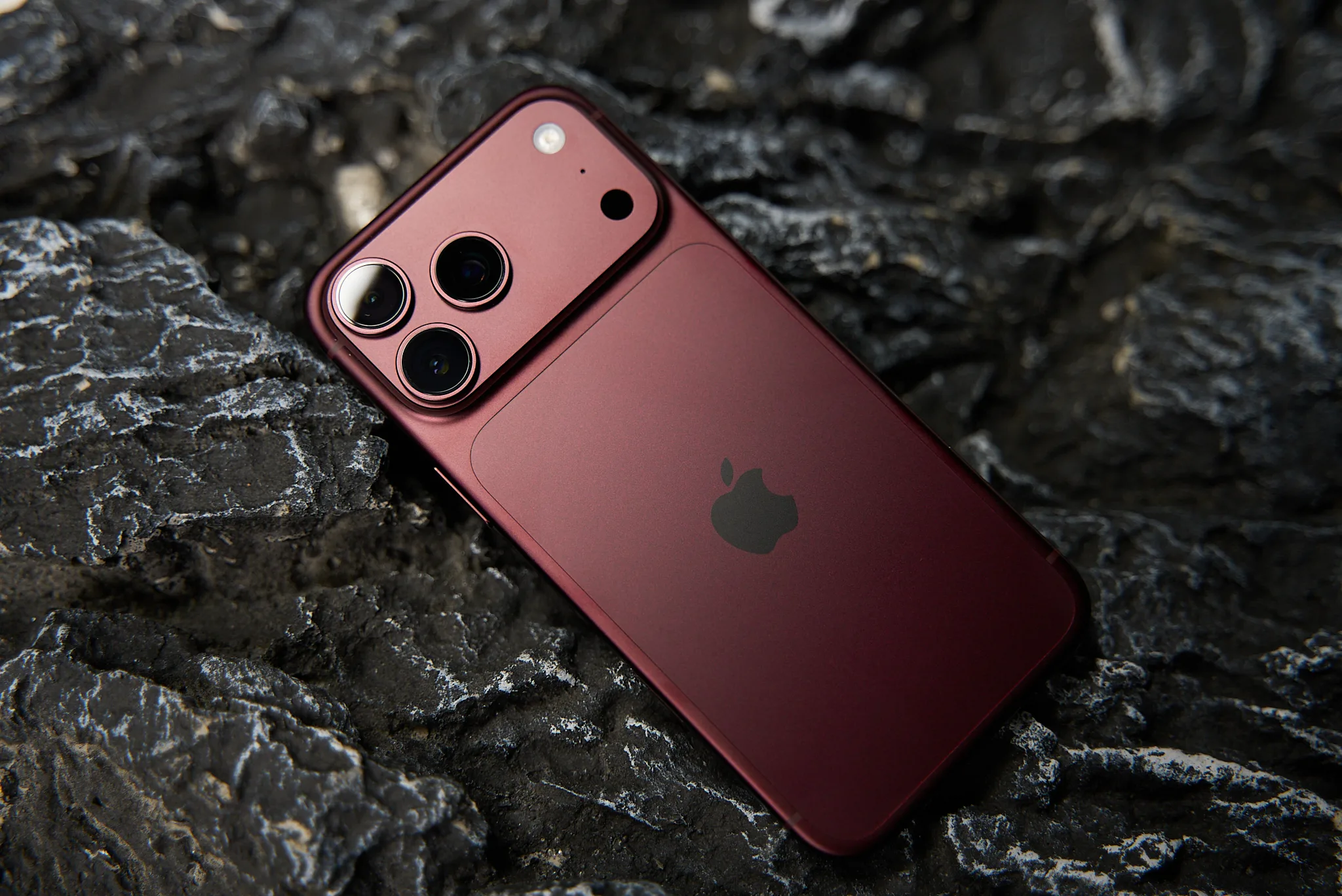
Our review unit comes in the brand-new Burgundy Red. Compared with last year’s eye-catching Star Orange, this new shade is much more understated. Indoors or in dim light, it leans toward a deep purplish red; the red hue only pops out fully under direct sunlight or bright lighting.
In my opinion, the biggest win for this Burgundy Red finish is that the two-tone split on the back looks far less disjointed, creating a much more cohesive visual design.
(Photography Credit: LeiTech)
From a personal aesthetic perspective, I’m quite fond of this color. It is not as ostentatious as a bold bright red, yet it boasts strong recognizability as one of this year’s new signature colors. During our recent visit to the Apple Store at Guangzhou Tianhuan, we found that the Burgundy Red version is indeed the most popular choice among scalpers and early adopters. It at last solves the dilemma of “splashing out over ten thousand yuan on a new iPhone without others realizing you’ve upgraded”.
There are likewise few updates on the front side. The phone still features a 6.9-inch screen with impeccable overall display quality, with the only obvious upgrade being a more compact Dynamic Island. Still, users who have grown accustomed to the past few generations of iPhones will find this minor tweak hardly refreshing at all.
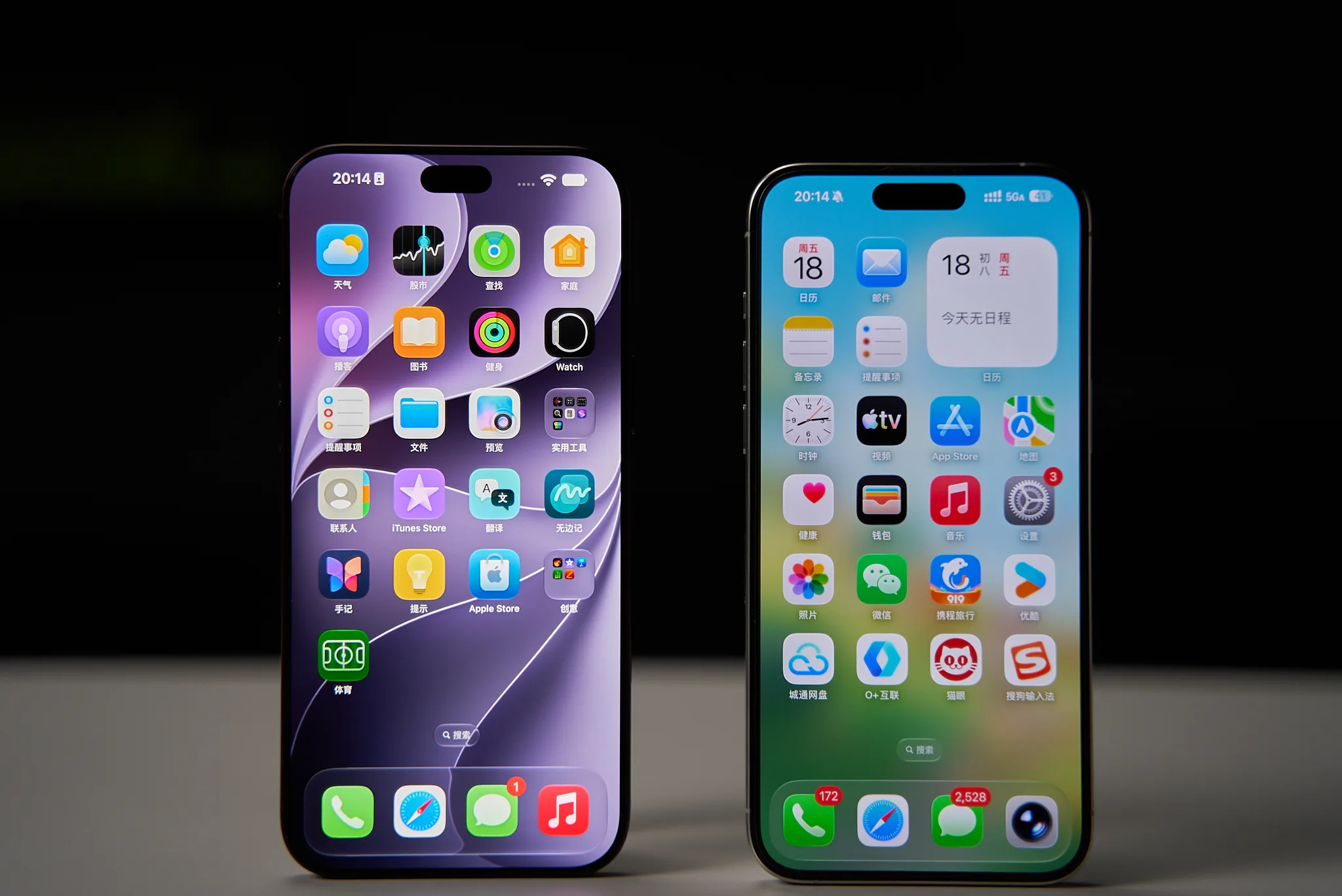
(Photography Credit: LeiTech; left: iPhone 18 Pro Max, right: iPhone 16 Pro Max)
So when it comes to looks, the iPhone 18 Pro Max is little more than a minor refresh over its predecessor. Place the two side by side, and you can barely tell them apart at a quick glance. Unsurprisingly, it fails to create a strong urge for iPhone 17 series owners to upgrade.
While the exterior stays largely unchanged, Apple has poured nearly all its upgrades into internal hardware this year. The A20 Pro debuts on a 2nm process node; the Vapor Chamber (VC) cooling plate gets an even larger surface area, bringing further improvements to battery life and charging speeds. Most importantly, the main camera finally gains a variable aperture. For the first time ever, the native camera app unlocks manual control over professional parameters including aperture, shutter speed and white balance.
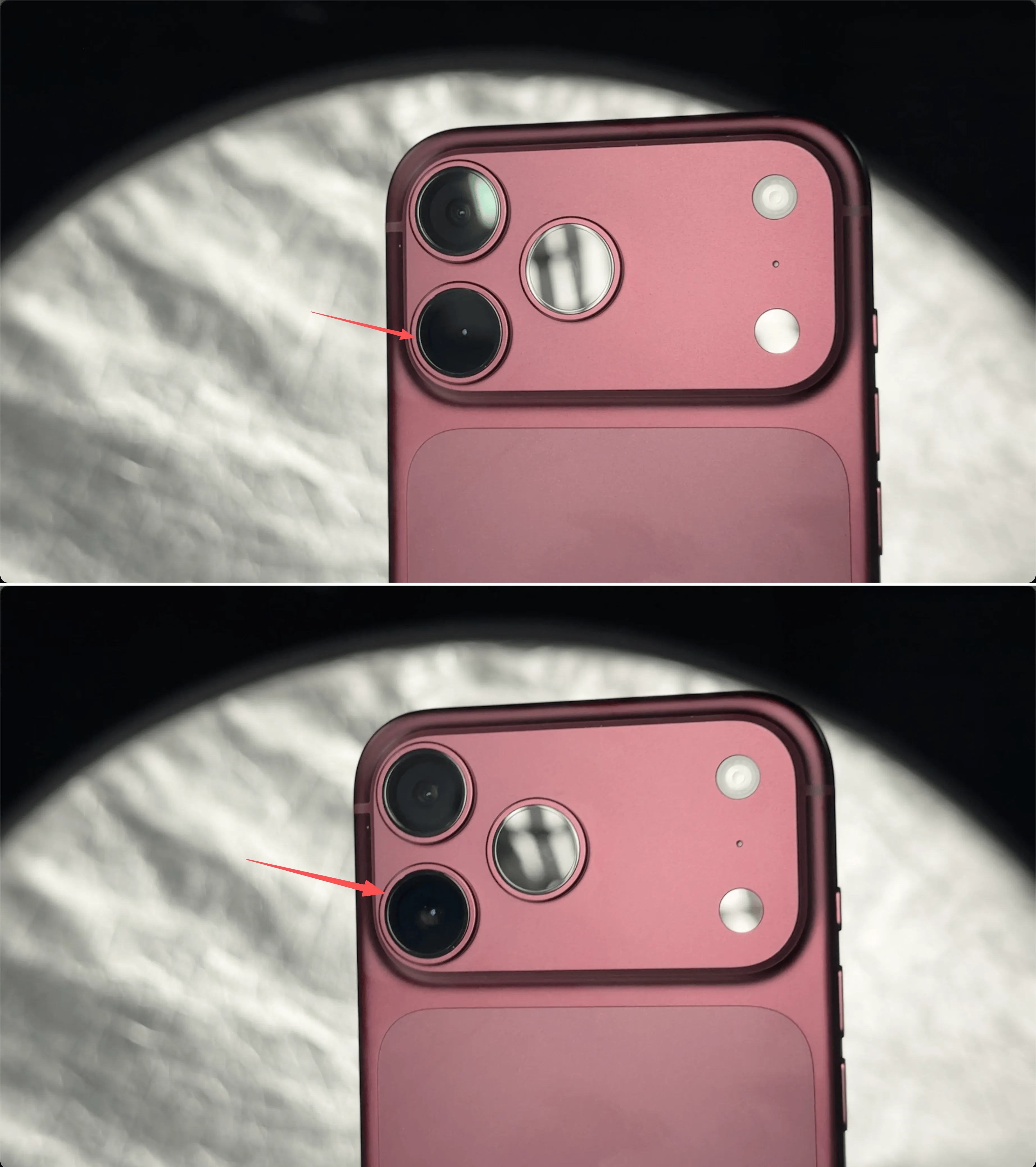
(Photography Credit: LeiTech; top: smallest aperture, bottom: largest aperture)
Let’s focus on the variable aperture first. This is hardly new tech in the smartphone industry. Huawei, Samsung and Xiaomi have all launched phones with this feature, and their shooting results are quite impressive. Apple has long stuck with a fixed aperture, relying heavily on multi-frame synthesis, HDR and Night Mode to adapt to different shooting scenarios. This software-focused solution has proven reliably consistent over the years.
Yet as main camera sensors keep growing larger, the drawbacks of a fixed wide aperture have become increasingly obvious. The biggest daily pain point is depth of field. A wide aperture delivers beautiful natural background blur for single portraits or still-life shots. But when shooting group photos, close-up product shots or documents, the overly shallow depth of field often leaves the foreground sharp while the background turns blurry. This physical limitation can hardly be fixed by software algorithms alone. On the iPhone 18 Pro Max, we can stop down the aperture to f/2.8 or even f/4.0 to achieve a much wider depth of field.
On the flip side, opening the aperture fully to f/1.48 at night maximizes light intake.
After half a day of hands-on testing, I can say Apple’s variable aperture won’t blow you away with an instant massive leap in image quality. Instead, it adds a brand-new professional capability the iPhone never had before. Casual users who only tap the shutter may not notice much difference. But for creators who shoot photos, videos and content seriously with an iPhone, this main camera opens up far more creative possibilities.
Telephoto hits flagship standards; does the variable aperture hold it back?
Consistency has always been the biggest strength of iPhone photography. You do not need any photography knowledge, nor tweak shutter speed, white balance or exposure settings. Just pull out the phone and tap the shutter, and you will almost always get a decent shot. This design philosophy has turned the iPhone into an incredibly reliable recording tool, which explains why so many regular users and even professional creators rely on iPhones for video work year after year.
On the downside, Apple has never catered well to enthusiast pro users. While it gradually unlocked professional formats including ProRAW, ProRes and Log, and repeatedly marketed the iPhone as a viable tool for real filmmaking, Apple has long kept basic manual parameter controls locked down. If you want to adjust shutter speed, ISO or white balance, you have to turn to third-party camera apps or external professional gear.
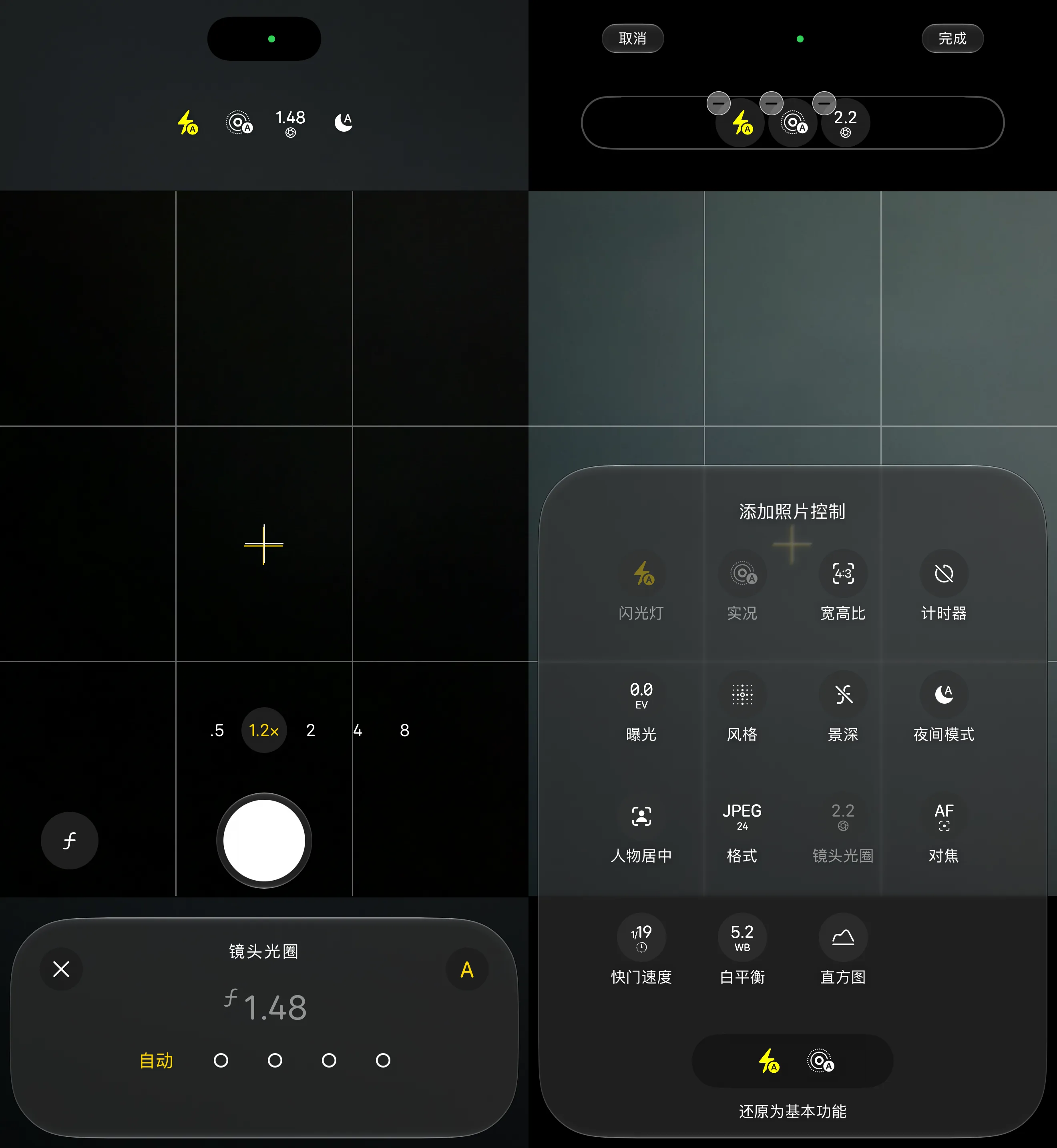
(Graphic Credit: LeiTech)
This year, Apple’s long-standing approach has finally changed. Users can now adjust the lens aperture, shutter speed and white balance, alongside viewing a live histogram. Paired with the variable aperture, the iPhone finally adopts a shooting workflow much closer to that of professional cameras.
Enough of the theory. Let’s move on to real-world testing, starting with the most immediate visual impression.
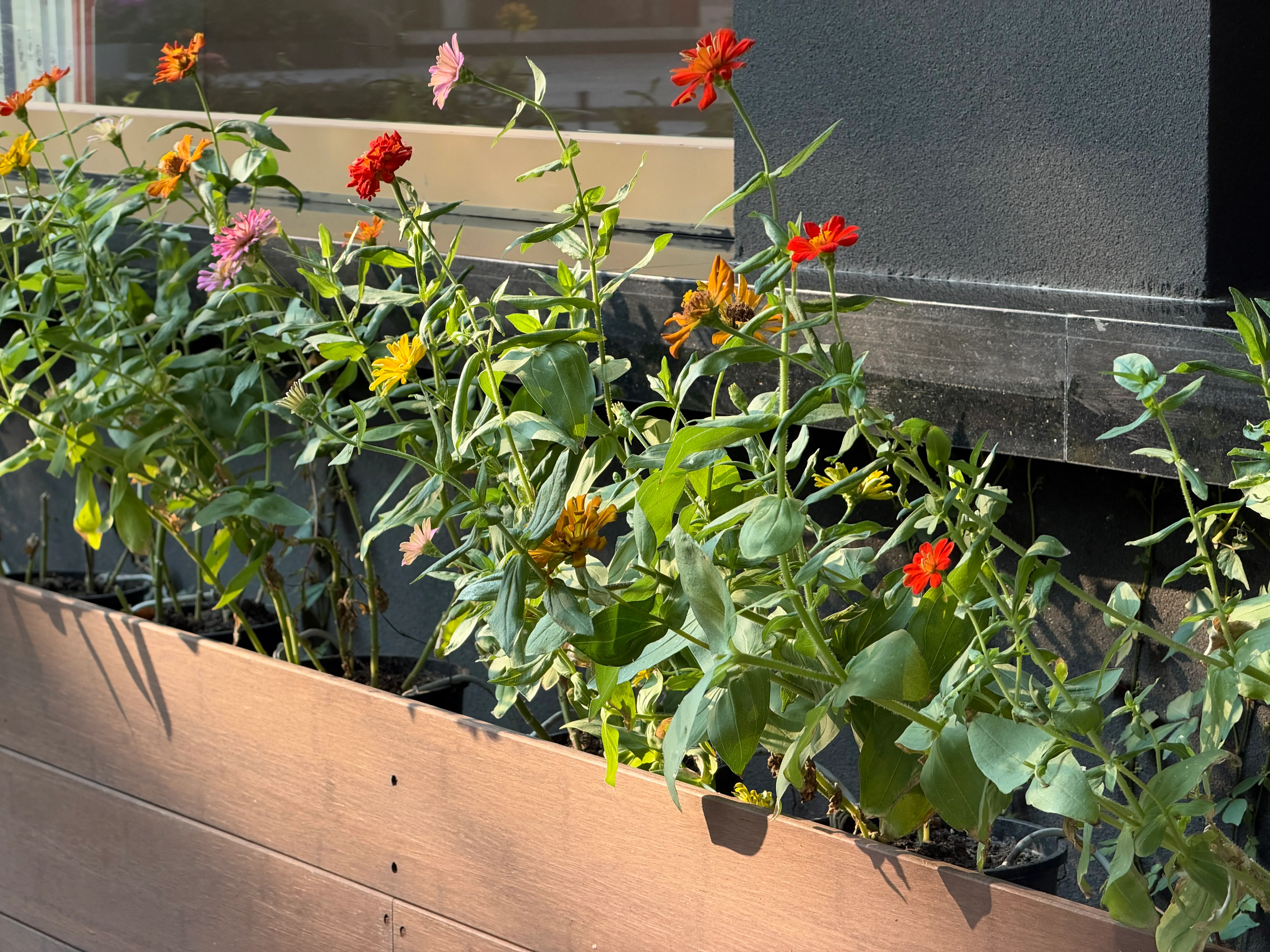
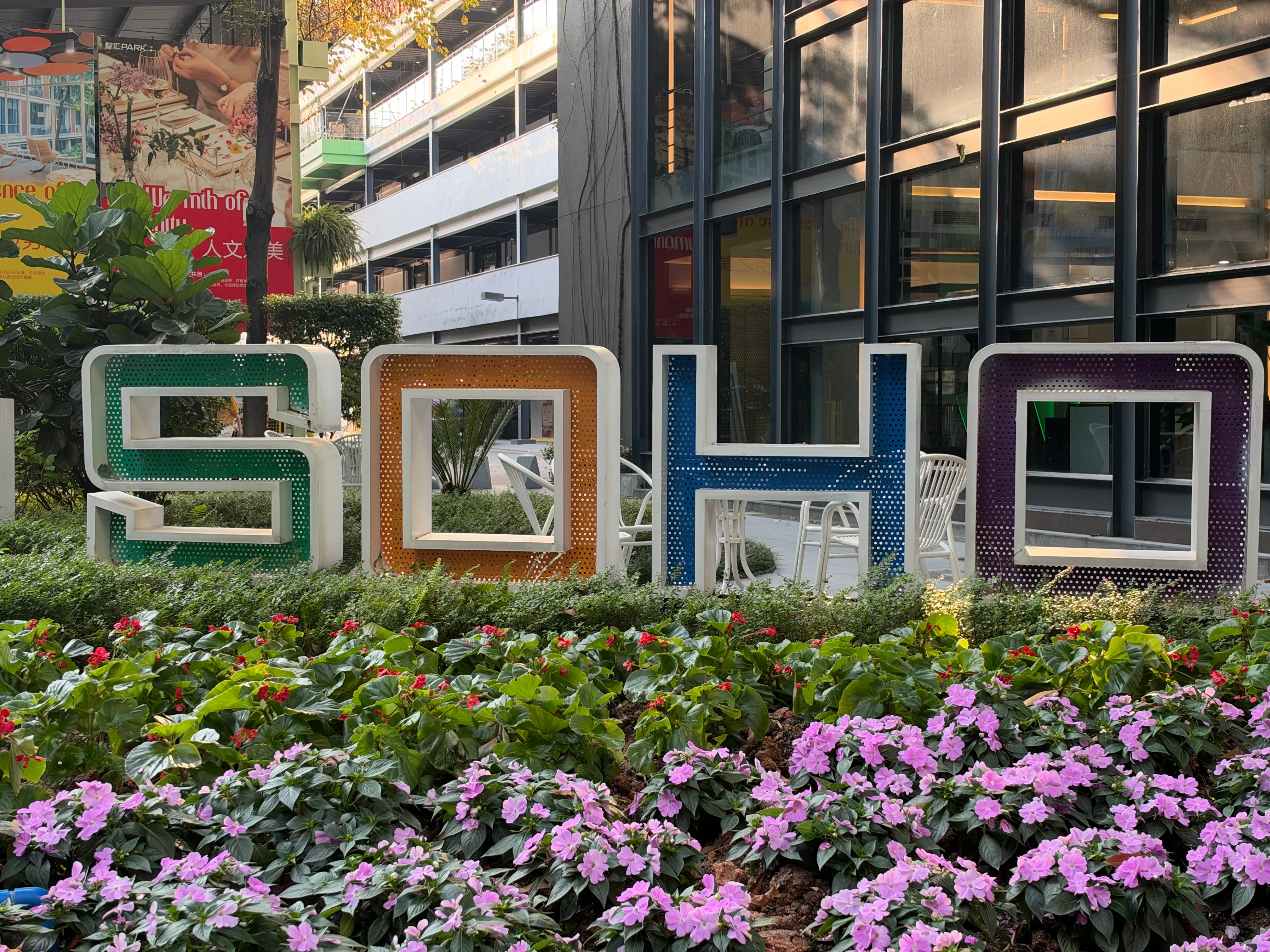
(Photography Credit: LeiTech)
Looking at daylight samples, the iPhone 18 Pro Max retains Apple’s familiar signature look. It does not artificially crank up overall brightness, and color saturation remains restrained. The tonal relationship between the white walls, black window frames and surrounding foliage is well preserved. Most notably, the wall highlights do not get blown out while lifting shadows, and the dark areas inside the windows are not boosted harshly to a washed-out grey.
Many current smartphones produce eye-catching photos at first glance: deeper blue skies, greener leaves and brighter shadows. Yet after prolonged viewing, these shots tend to look generic. The iPhone 18 Pro Max exercises far more restraint here, delivering tones much closer to what the human eye perceives on site.
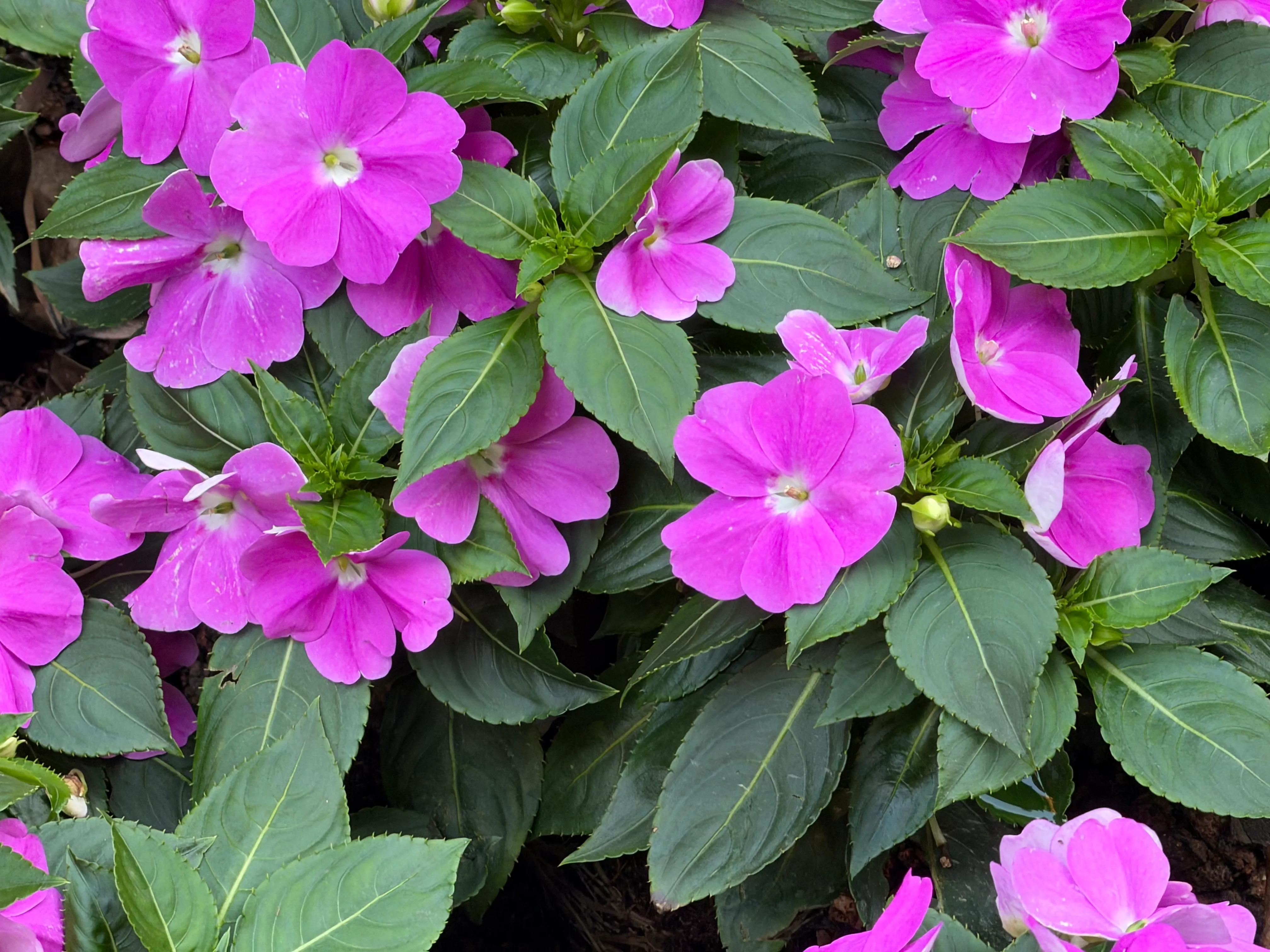
(Photography Credit: LeiTech)
When shooting prone-to-clipping hues like pinkish purple, the iPhone 18 Pro Max avoids artificially boosting saturation on flower petals, and keeps the foliage from turning overly vivid green. Upon close inspection, you can see natural color gradients on the petals, with fine surface textures on the leaves well preserved.
Naturally, this style has a downside: photos may look a little washed-out at first glance. If you prefer the bright, crisp, highly saturated SOOC (Straight Out of Camera) shots from Chinese flagship phones, you might not take to iPhone’s default camera tuning.
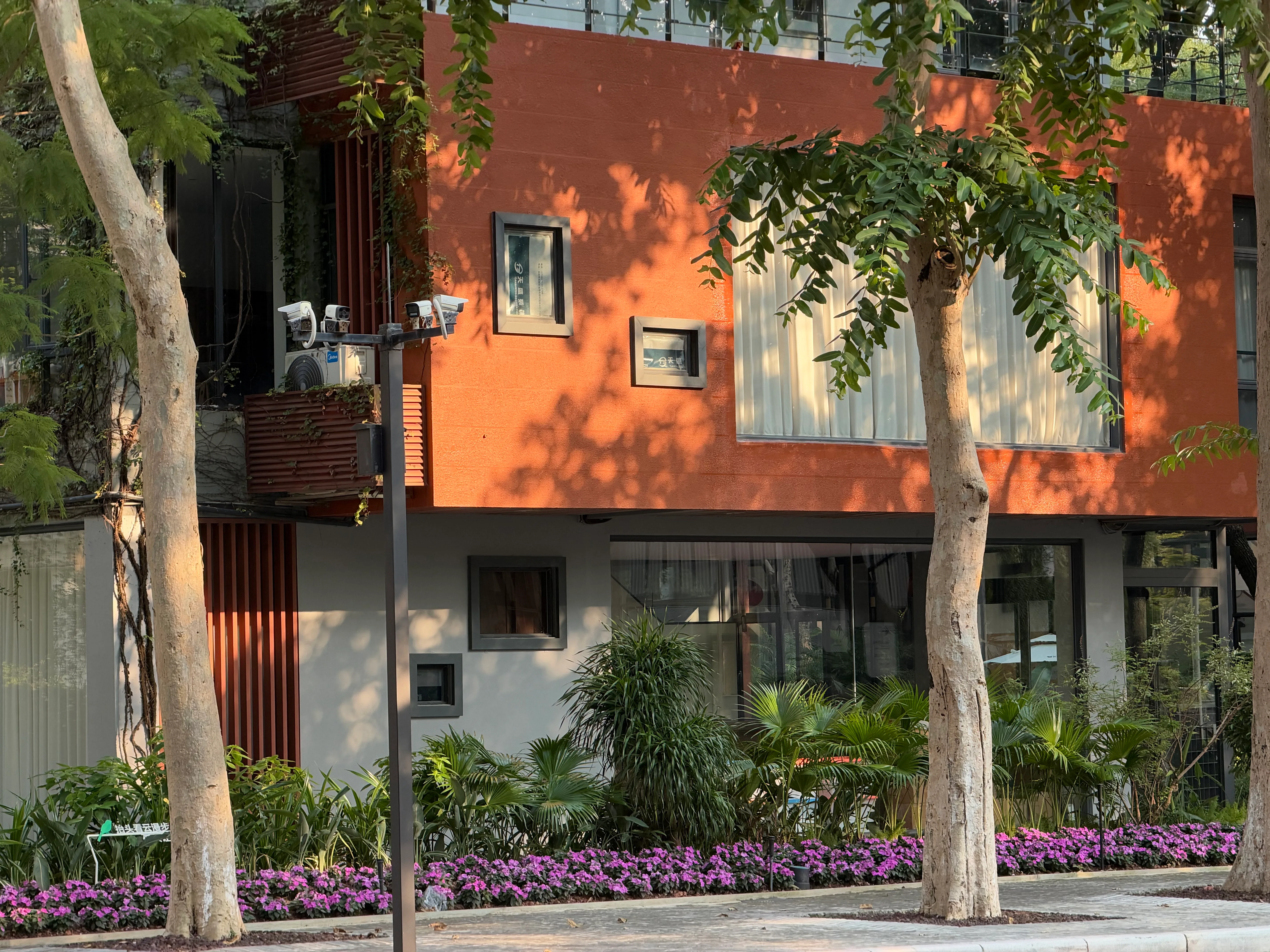
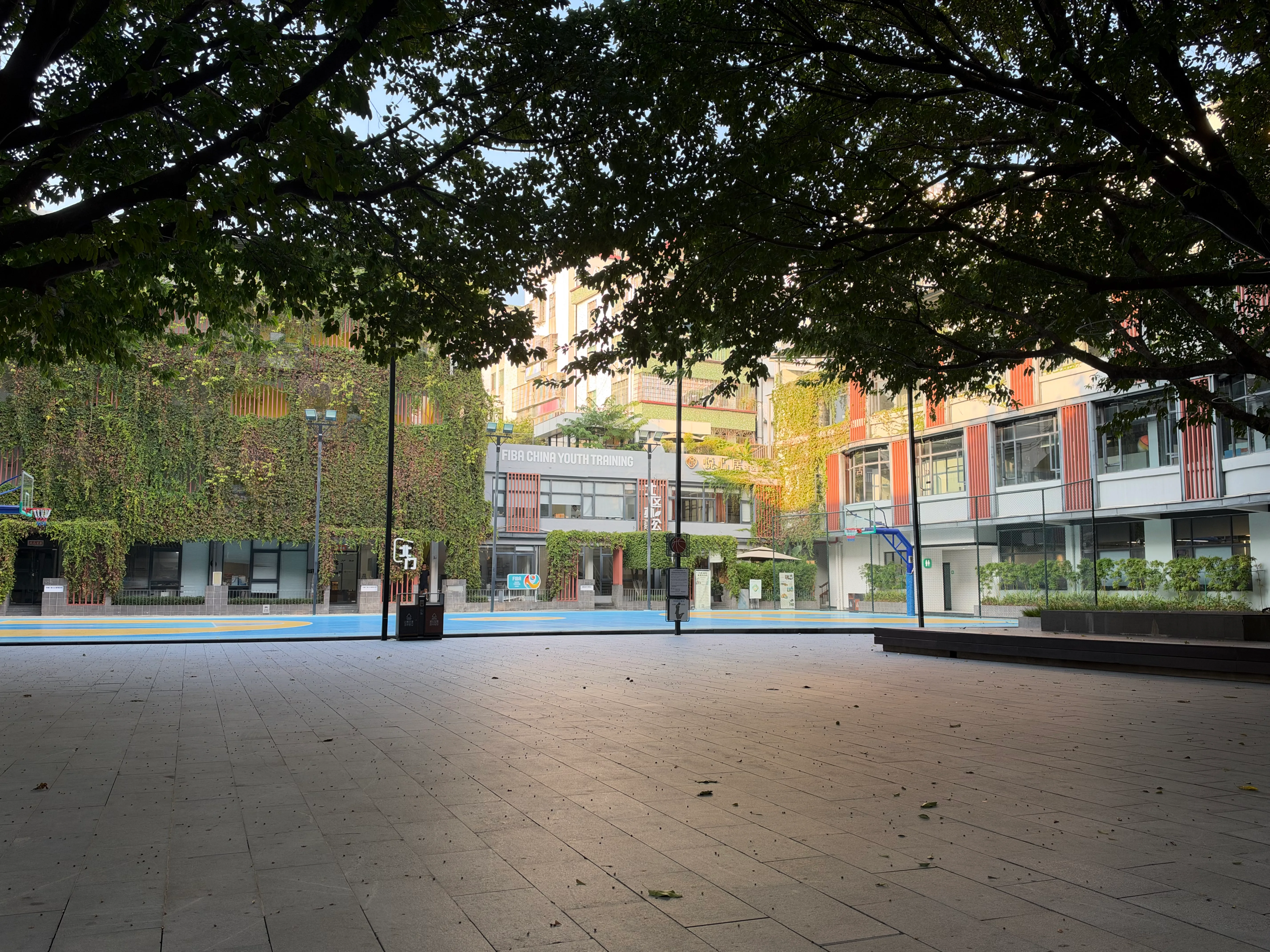
(Photography Credit: LeiTech)
In these high-contrast scenes, distinct tonal layers are preserved between the brightness of the wall, tree shadows and foreground tree trunks, without light and shadow being flattened artificially by the HDR algorithm. The iPhone 18 Pro Max does not crush shadows completely to preserve highlights on the sky and walls, nor does it over-brighten shadows and make the whole photo look over-processed with heavy HDR effects.
To be honest, leaving highlights completely untamed can sometimes hurt the overall photo quality—and that seems to be Apple’s photographic philosophy.
The telephoto performance remains equally consistent.
Two building shots taken at the same scene clearly show that when switching from native 4x zoom to 8x zoom, fine details including window frames and wall textures stay intact. The overall image tone does not shift abruptly after lens switching. Architectural scenes full of straight lines and regular textures are a tough test for camera resolving power. When we zoom in, window frame edges stay clean with no obvious smudging artifacts.
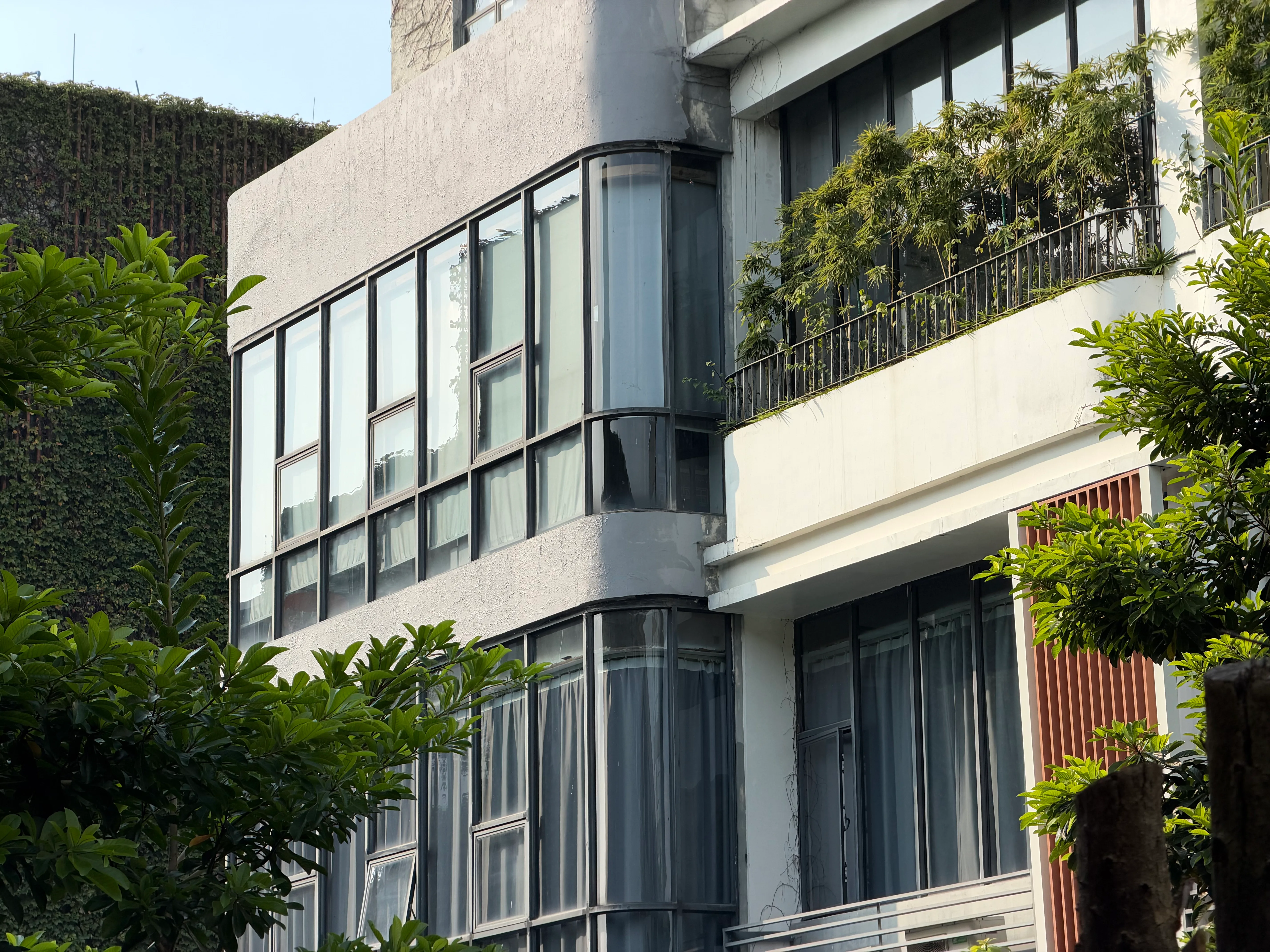
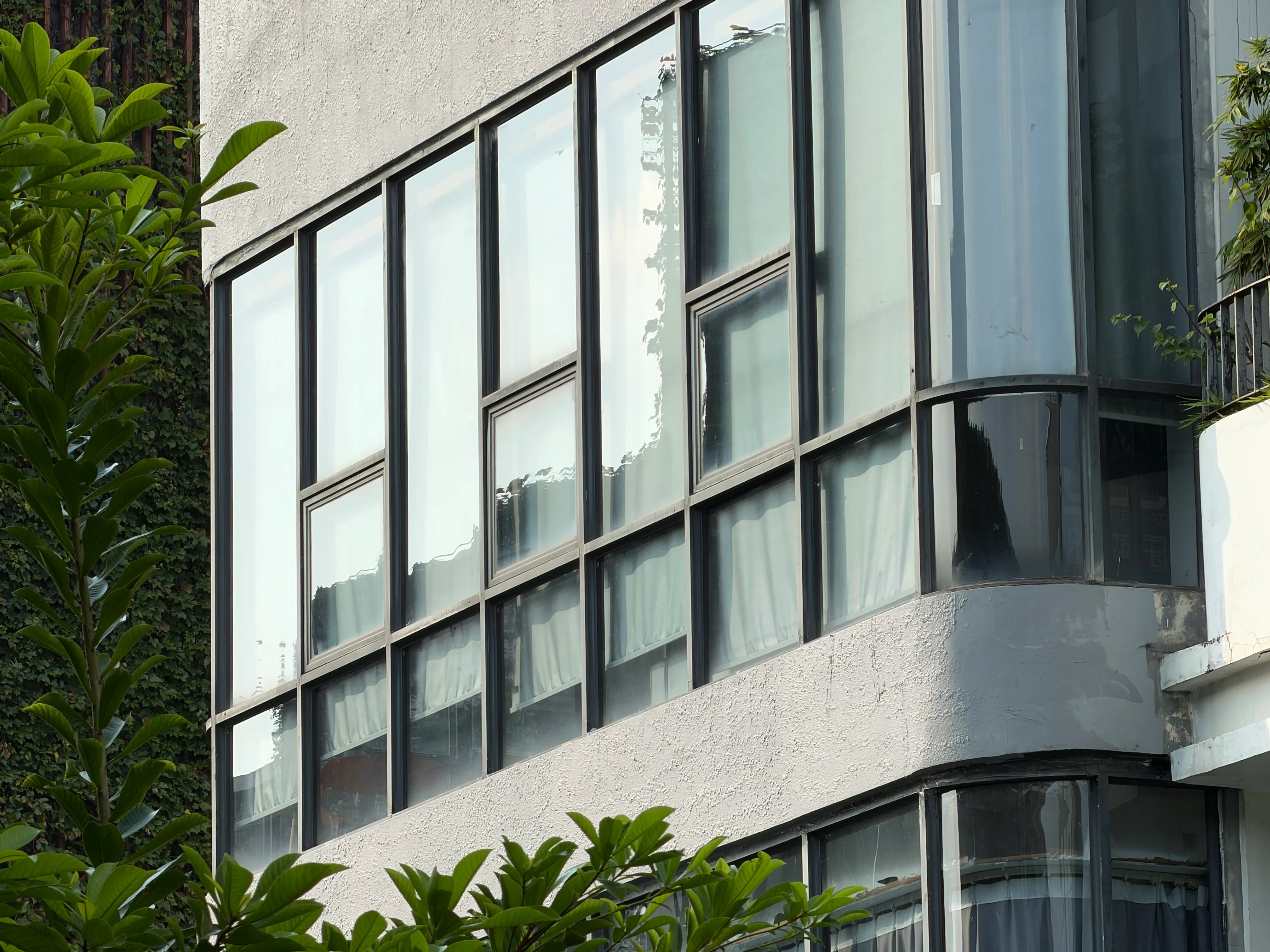
(Photography Credit: LeiTech)
Admittedly, when judged purely on hardware specs, the telephoto lens on the iPhone 18 Pro Max no longer stands out against this year’s top Android imaging flagships. Many Chinese flagship phones now come with a 200MP periscope telephoto lens, so they naturally deliver better resolving power at longer zoom ranges.Where Apple’s camera system truly shines, however, is consistency. When switching from the main camera to the telephoto lens, exposure, white balance and color tone remain nearly unchanged. This consistency is one major reason why iPhone has long maintained an edge over Android devices for video recording.
(Photography Credit: LeiTech)
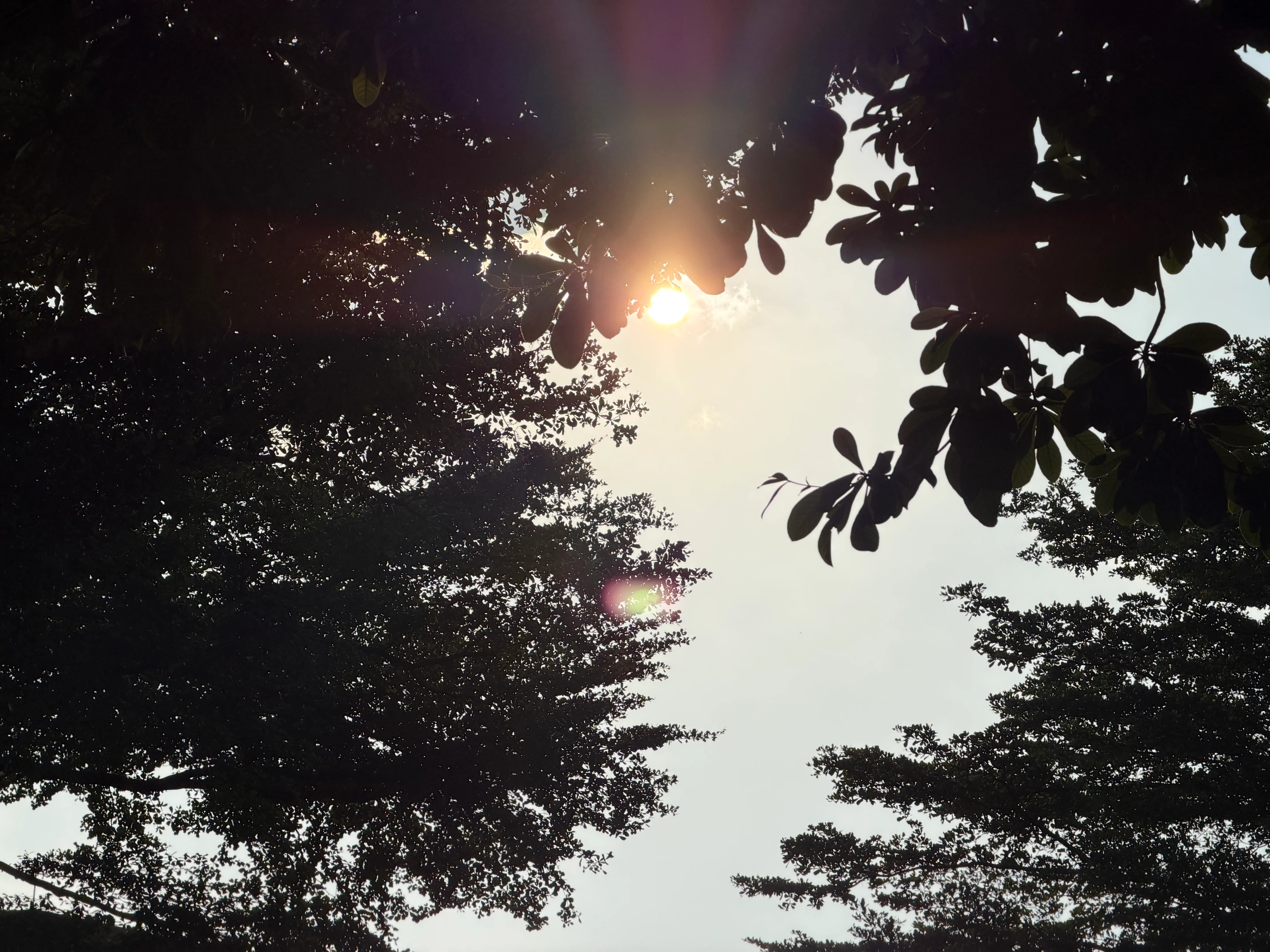
But issues surfaced once I tested it in some extreme shooting conditions. Take backlit scenes as an example: when direct sunlight hits the frame, a prominent purple-green flare appears. Heavy haze also forms around the sun, and stray light washes over tree foliage that should otherwise appear nearly black.
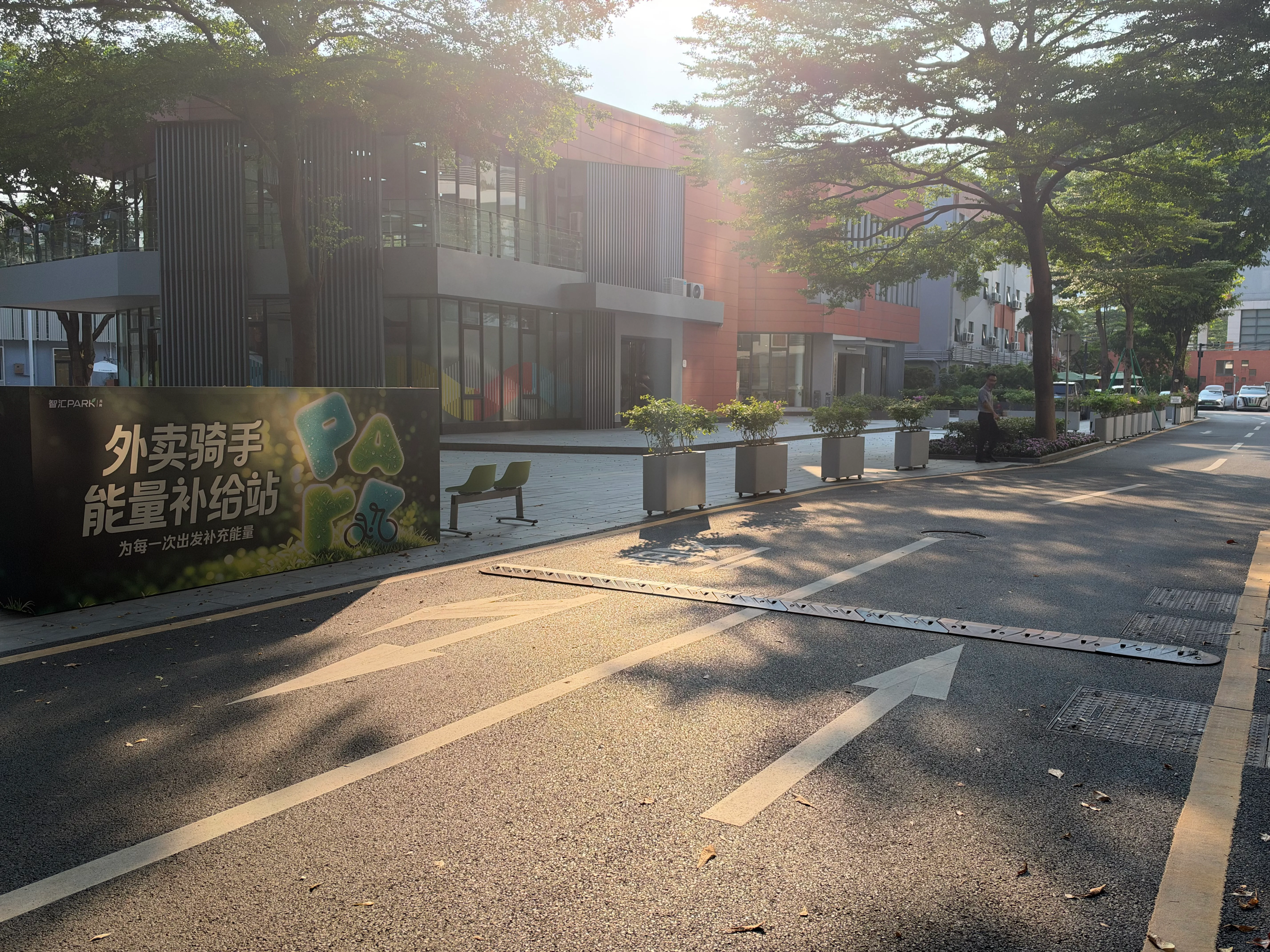
One shot shows an even worse case. Even with the sun positioned at the edge of the frame, the whole image is shrouded in a white haze. Buildings, trees and even the road surface are affected, leading to a sharp drop in image quality. This is more than a minor flaw. Hopefully Apple can fix it via a future OTA update.
(Photography Credit: LeiTech)
To be honest, this result caught me off guard. Lens flare is certainly not a new issue exclusive to the iPhone 18 Pro Max. In fact, lens ghosting when shooting light sources at night has long been a recurring flaw across past iPhone generations.
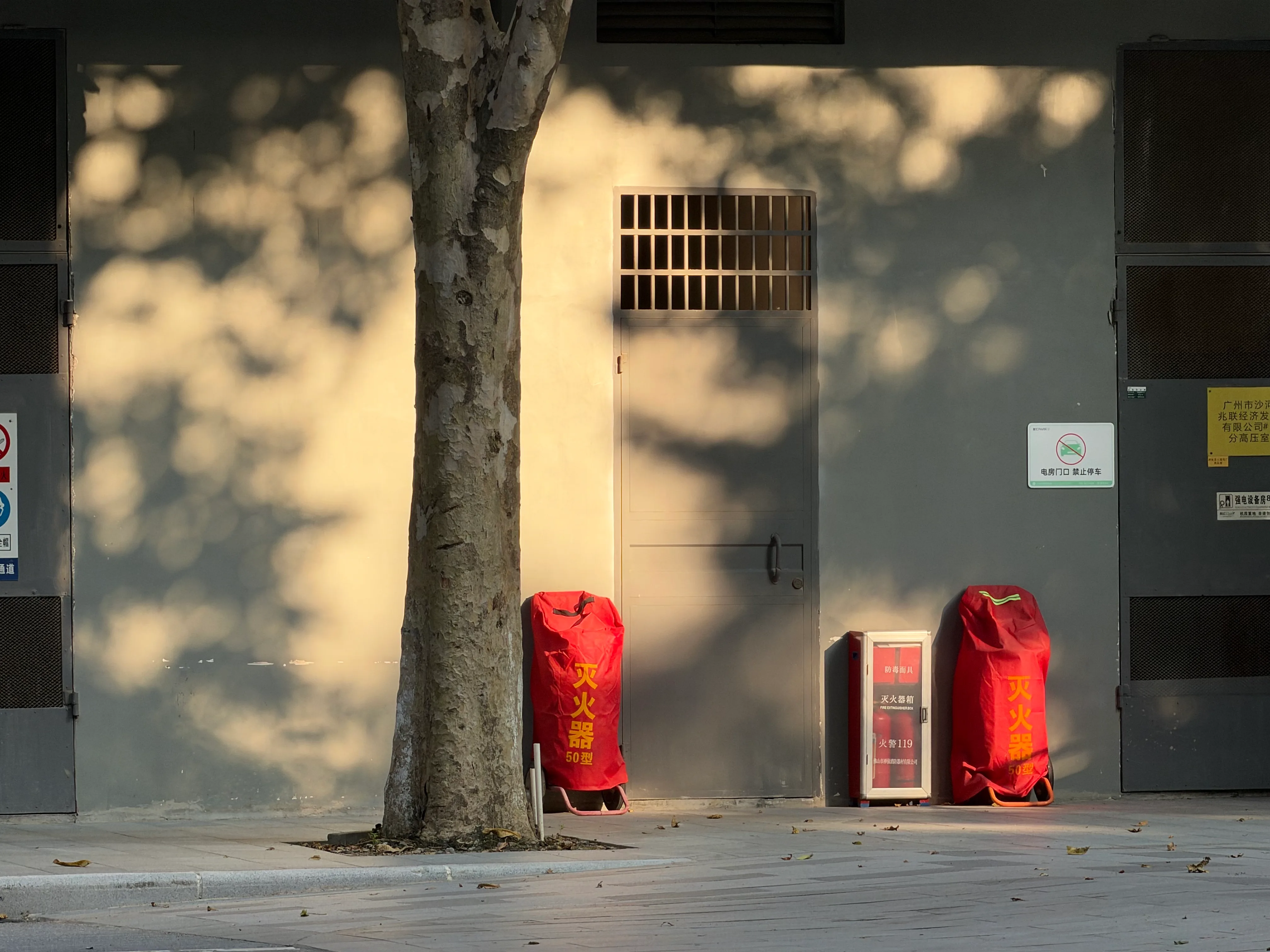
That said, this year’s main camera features a variable aperture, making the internal optical structure far more complex. Yet based on our test shots, anti-flare performance under harsh backlighting has seen no improvement; in some scenarios, the problem has grown significantly worse.
(Photography Credit: LeiTech)
I cannot conclude for certain that the issue stems directly from the variable aperture itself. Lens flare and ghosting are also affected by lens structure, anti-reflective coatings, light incidence angles, and the specific aperture setting in use. That said, one thing is clear: the iPhone 18 Pro Max fails to meet my expectations when shooting under harsh backlighting.
That being said, I only spent one afternoon taking test shots, so I cannot draw definitive conclusions about the entire camera system. Judging from our current samples, however, this camera setup does not earn a high score. The variable aperture does bring new creative shooting options, yet plenty of refinement is still needed.
Its backlight performance, in particular, is far from satisfactory and even a letdown this time around.
I will not go into excessive detail on routine upgrades such as performance and battery life. The iPhone 18 Pro Max is equipped with the brand-new A20 Pro chip alongside an upgraded cooling system. The previous-generation A19 Pro still delivers more than enough power for today’s use cases, so the A20 Pro will undoubtedly have no performance shortcomings for most users. Unfortunately, I only had the device for a very short time and was unable to run heavy-load stress tests. Leike Tech will release a dedicated performance review later on.
As for battery life, the iPhone 18 Pro Max comes with a larger battery capacity this year. Paired with the reasonably power-efficient A20 Pro chip, its overall runtime should be longer. There are also incremental upgrades to charging, display, and wireless connectivity, yet the overall improvements are modest — far less noticeable than the 249g body weight.
Conclusion: This year’s Pro finally lives up to its name
To wrap up this review following Leike Tech’s standard format, let’s go over the iPhone 18 Pro Max in brief.
Pros:
1.Solid build quality; the premium finish that defines iPhones remains intact.
2.The native camera app unlocks more features, greatly expanding creative potential.
3.The variable aperture brings new shooting possibilities.
4.The telephoto lens delivers usable quality even after cropping, with consistent color reproduction.
Cons:
1.The bare unit weighs 249 grams — a genuine half-pound brick.
2.It suffers from noticeable heat buildup under load.
3.The variable aperture fails to deliver reliable performance.
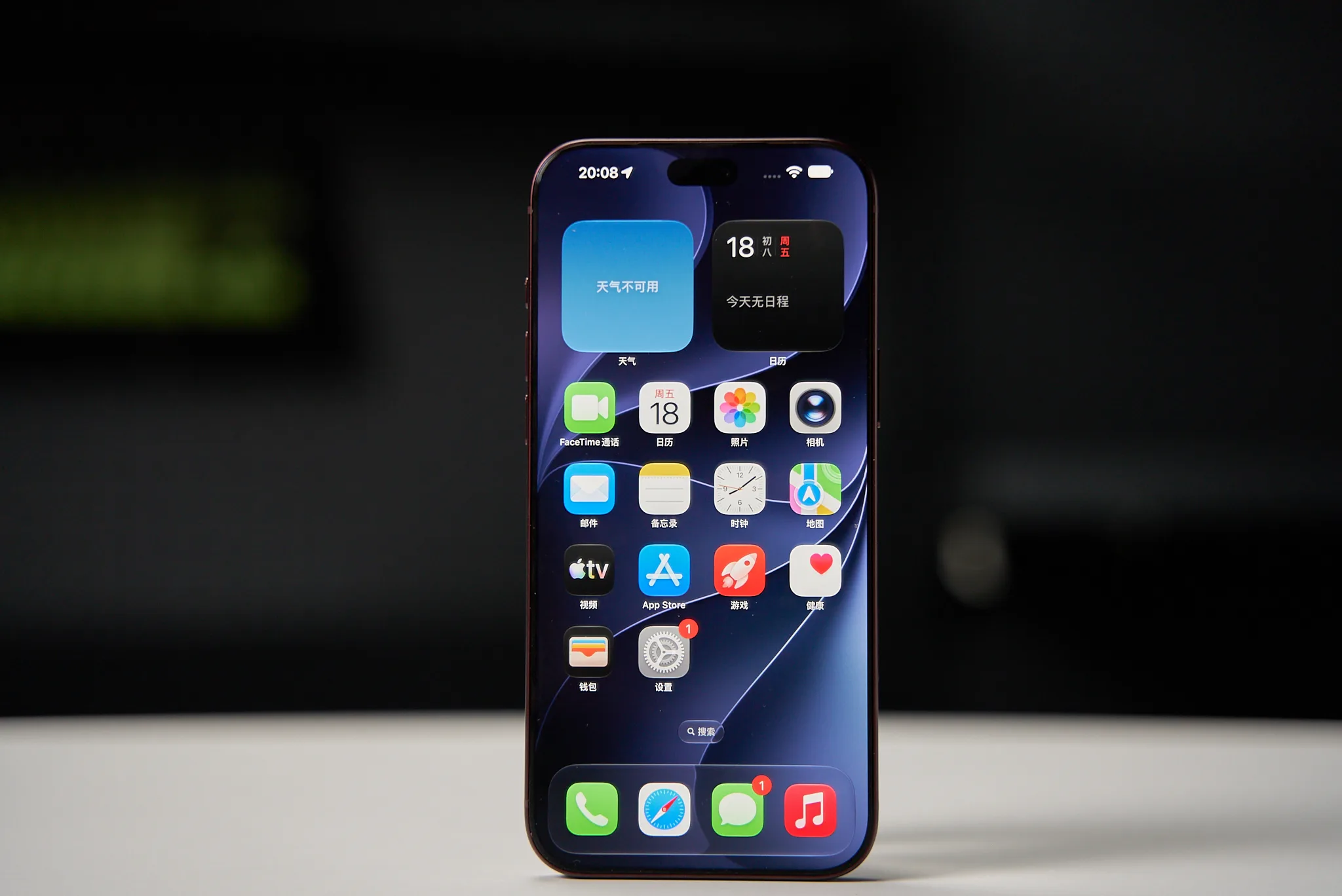
After this hands-on trial, I have to admit the iPhone 18 Pro Max brings far fewer surprises than the iPhone 17 series. That does not make it a bad phone by any means. It is still a polished flagship device. Compared with last year’s 17 Pro Max, however, tangible upgrades are quite limited.
If you are currently using an iPhone 17 Pro Max, I would not recommend rushing to upgrade just for the A20 Pro chip or variable aperture. The 17 Pro Max still holds flagship-level performance, battery life and camera quality. This year’s improvements are mostly just icing on the cake, with no substantial performance gap between the two generations.
(Photography Credit: LeiTech)
If you are still holding onto an iPhone 15 Pro Max or an even older model, this upgrade is well worth considering. After three generations of upgrades, the cumulative improvements in performance, battery life, camera system and body design are substantial enough to justify a new purchase.
That said, the iPhone 18 Pro series has also hit a new price high.
The starting price of the 256GB mainland China version of the iPhone 18 Pro Max stands at 10,999 yuan, while the 1TB variant costs as much as 16,499 yuan. During our recent store visit at the Apple Store in Tianhuan Plaza, Guangzhou, Leike Tech noticed a striking shift: the 1TB model, long the favorite among scalpers, has fallen out of favor this year. Instead, the 512GB version with a more approachable price has become the most sought-after option.
No product can be judged without factoring in price. With a starting price of 10,999 yuan, this remains a flagship device targeted at a small group of consumers. I recommend you figure out your real needs before splashing out over ten thousand yuan on a new phone.
The iPhone 18 Pro Max is still an excellent iPhone. Even so, being the latest model is no longer a strong enough reason to buy it.