 雷科技





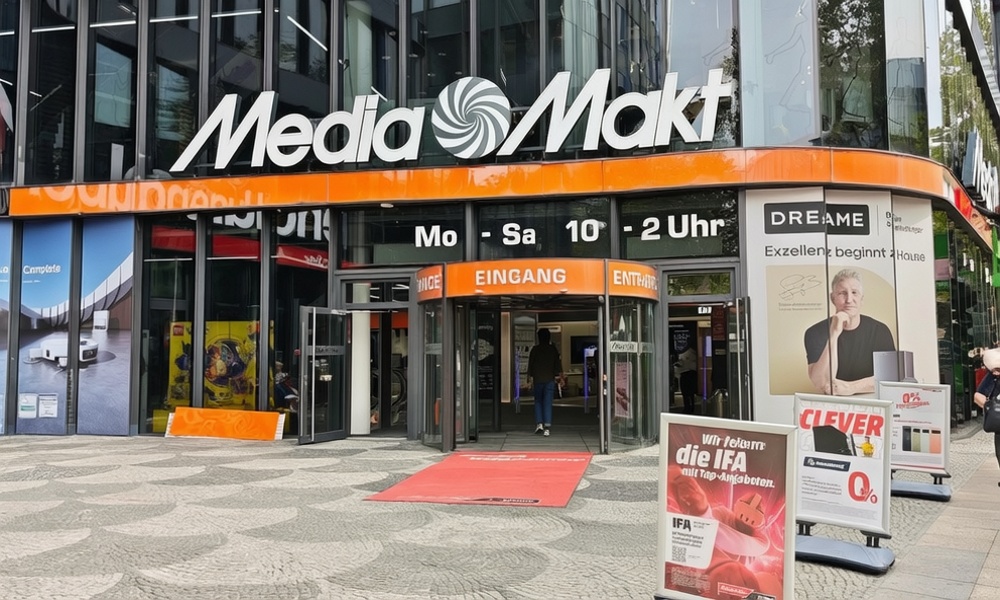

Recently, Xiao Lei—part of LeiTech’s on-site reporting team for IFA—completed coverage assignments at the Berlin Exhibition Center and then conducted an in-depth field survey across Berlin’s offline retail districts.
While covering IFA, LeiTech (ID: leitech) noted a distinct sense of strolling through the “Berlin edition” of AWE (Appliance & Consumer Electronics Expo Shanghai). Everywhere one looked, Chinese brands dominated. Official statistics show that Chinese brands accounted for nearly 50% of all exhibitors at this year’s IFA. Brands including TCL, Hisense, Haier, Midea, and Dreame occupied most major outdoor billboards near the venue entrance and surrounding areas—and their booths consistently ranked among the most popular across the entire exhibition floor.
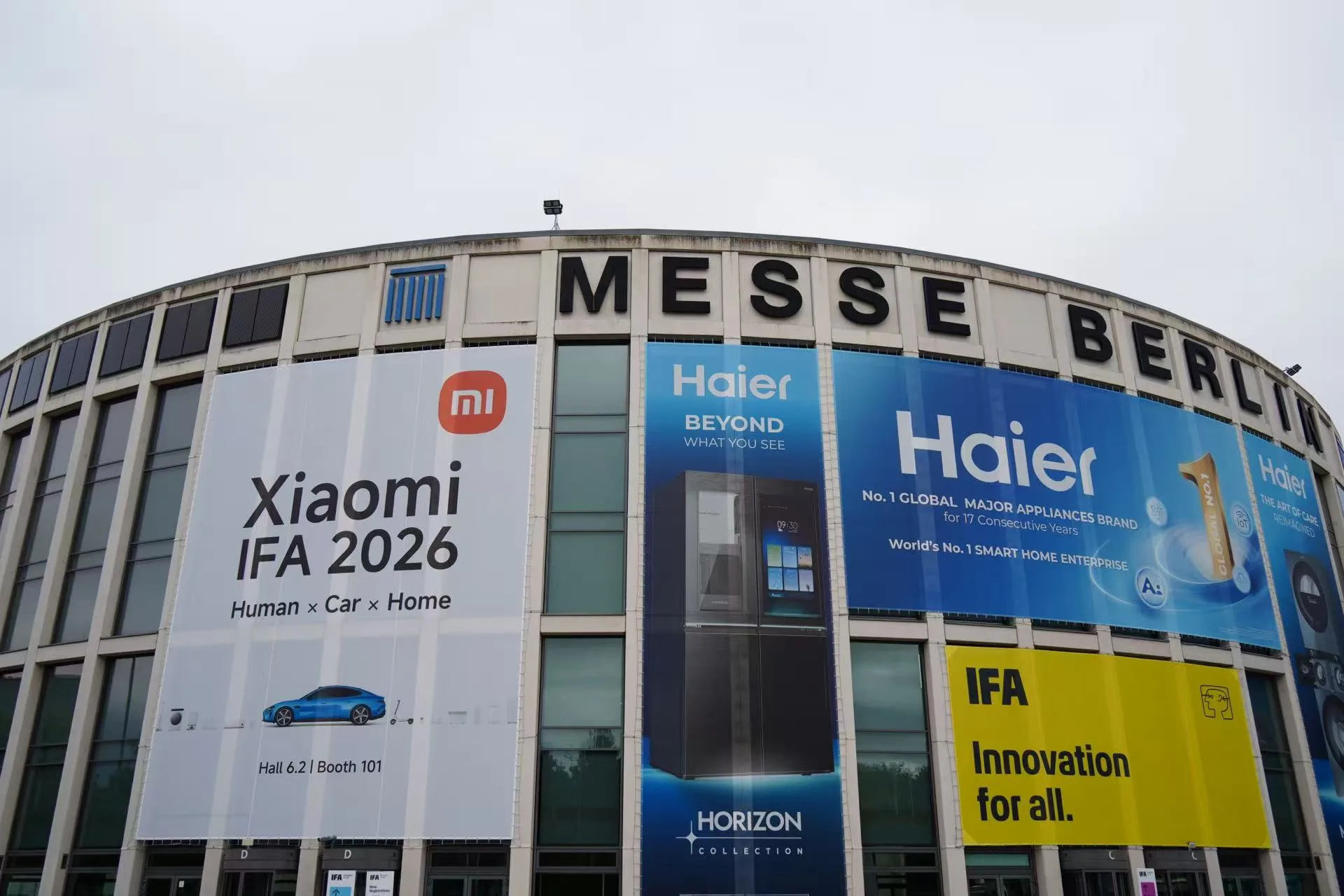
Image source: LeiTech
The exhibition was vibrant—but brick-and-mortar stores remain one of consumers’ most critical everyday shopping channels. So how are Chinese brands performing offline? Xiao Lei visited two MediaMarkt stores in Berlin: one near Bikini Berlin shopping mall and another at Alexanderplatz.
MediaMarkt is one of Europe’s largest consumer electronics retail chains. JD.com recently announced a takeover bid for its parent company CECONOMY—making it fair to call MediaMarkt the “European version of JD Mall.” It stocks virtually every household appliance and consumer electronics product Europeans use daily, offering a true one-stop shopping experience. After touring both stores, Xiao Lei’s strongest impression was this: Chinese brands’ presence in Europe has genuinely intensified—not only at IFA, but more broadly. In fact, IFA’s strong showing is merely a microcosm of Chinese brands’ growing dominance across the European market.
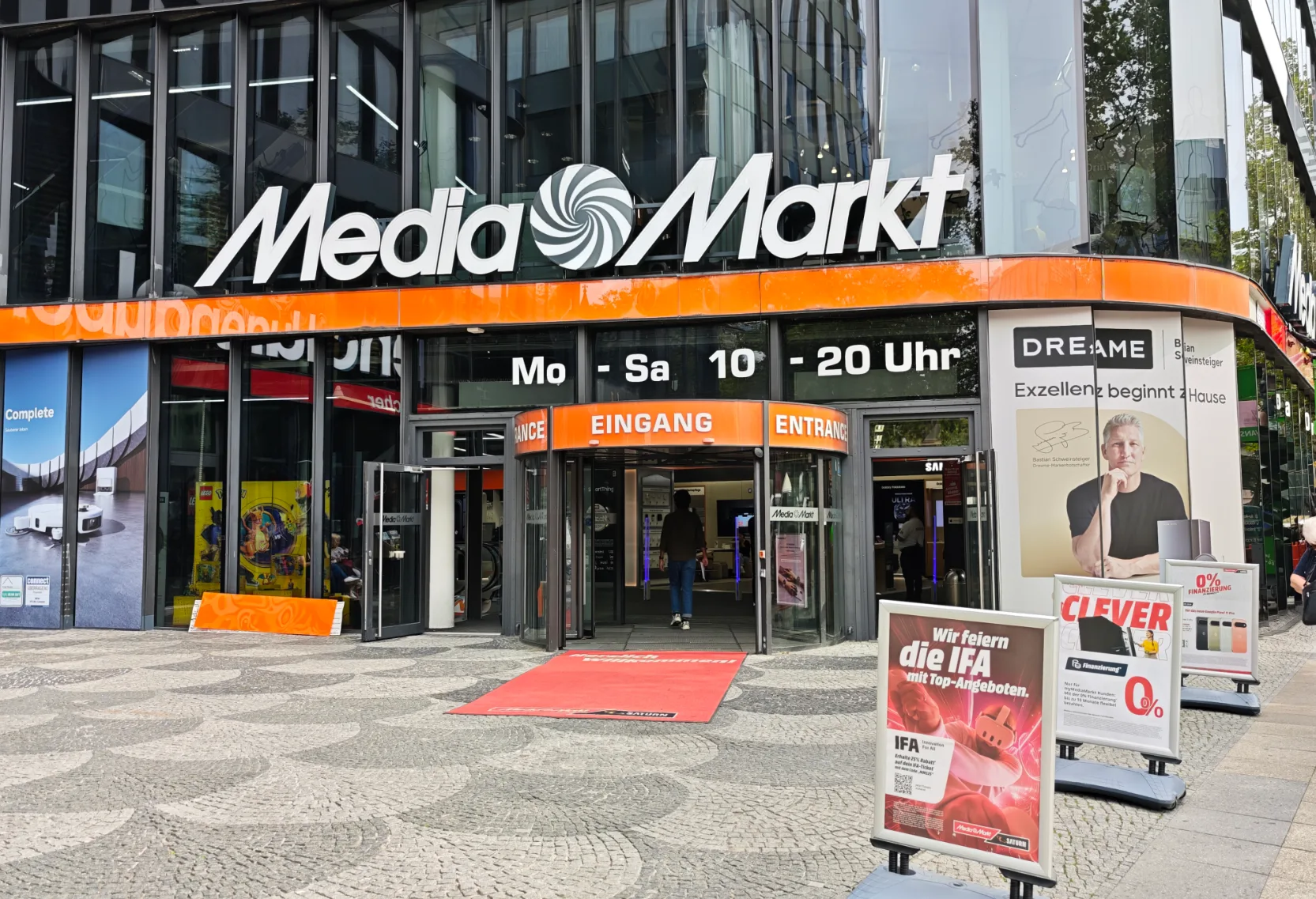
Image source: LeiTech
MediaMarkt: A Pivotal Move in JD’s European Omnichannel Retail Strategy
Before entering the store, Xiao Lei noticed ongoing renovations at MediaMarkt’s main entrance: workers were replacing the brand’s signature orange LED strips with solid red ones—a likely prelude to adopting JD’s iconic “JD Red.” Of course, this remains purely Xiao Lei’s speculation.
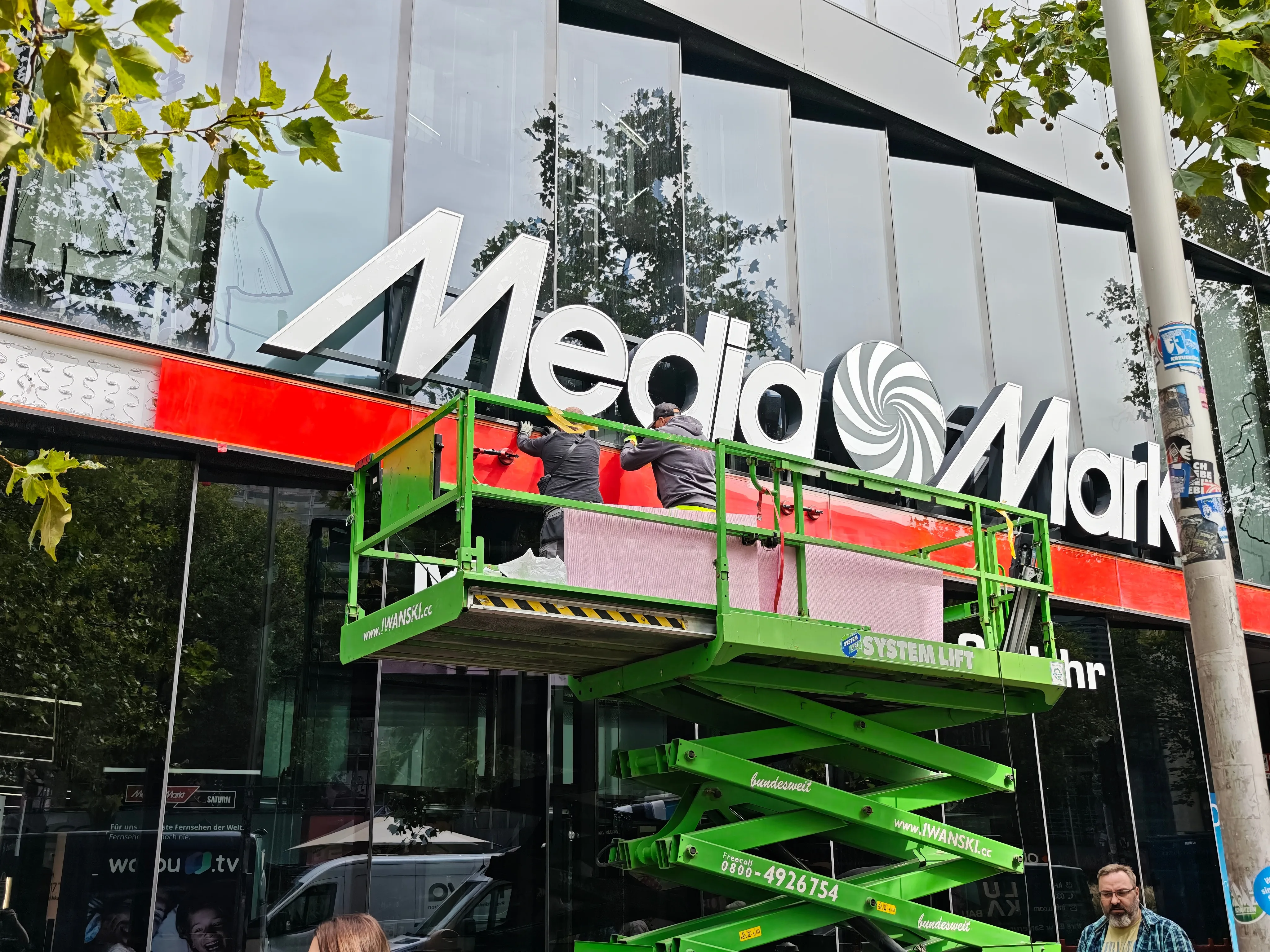
Image source: LeiTech
Indeed, JD has been making substantial moves in Europe lately. Its newly launched JoyBuy platform replicates JD’s domestic logistics speed, offering same-day delivery to major cities within its service area—and next-day delivery to most other regions. Looks like CEO Richard Liu wants European customers to “enjoy fine bran” (i.e., top-tier convenience) just as they do in China.
During IFA, Xiao Lei needed to buy a card reader urgently but lacked time to visit MediaMarkt in person—so he placed an order via JoyBuy instead. He placed the order shortly after 9 a.m., and before returning to his hotel that evening, he’d already received a call from the courier. While not quite as fast as JD’s domestic service, this was lightning-fast by European standards.
Strong online performance alone isn’t enough. JD has long operated an integrated omnichannel retail model domestically—and now aims to replicate it globally. If JD’s acquisition of CECONOMY proceeds smoothly, it will instantly gain access to a physical retail network spanning 11 countries and comprising over 1,000 stores. Combined with JD’s existing e-commerce platforms and warehousing/logistics infrastructure, JD is poised to become Europeans’ go-to destination for purchasing home appliances and digital gadgets—just as it has done successfully in China.
Domestic Smartphones Dominate: Xiaomi, Honor, ZTE, and Motorola Gain Strong Traction
Alright—let’s pivot back to MediaMarkt. Upon entering, Xiao Lei’s first impression was one of familiarity: Over 80% of smartphones showcased on the ground-floor display tables were familiar models—new releases from Samsung, Apple, Xiaomi, ZTE, Honor, and Lenovo Motorola. Chinese brands collectively accounted for more than half of all displayed devices.
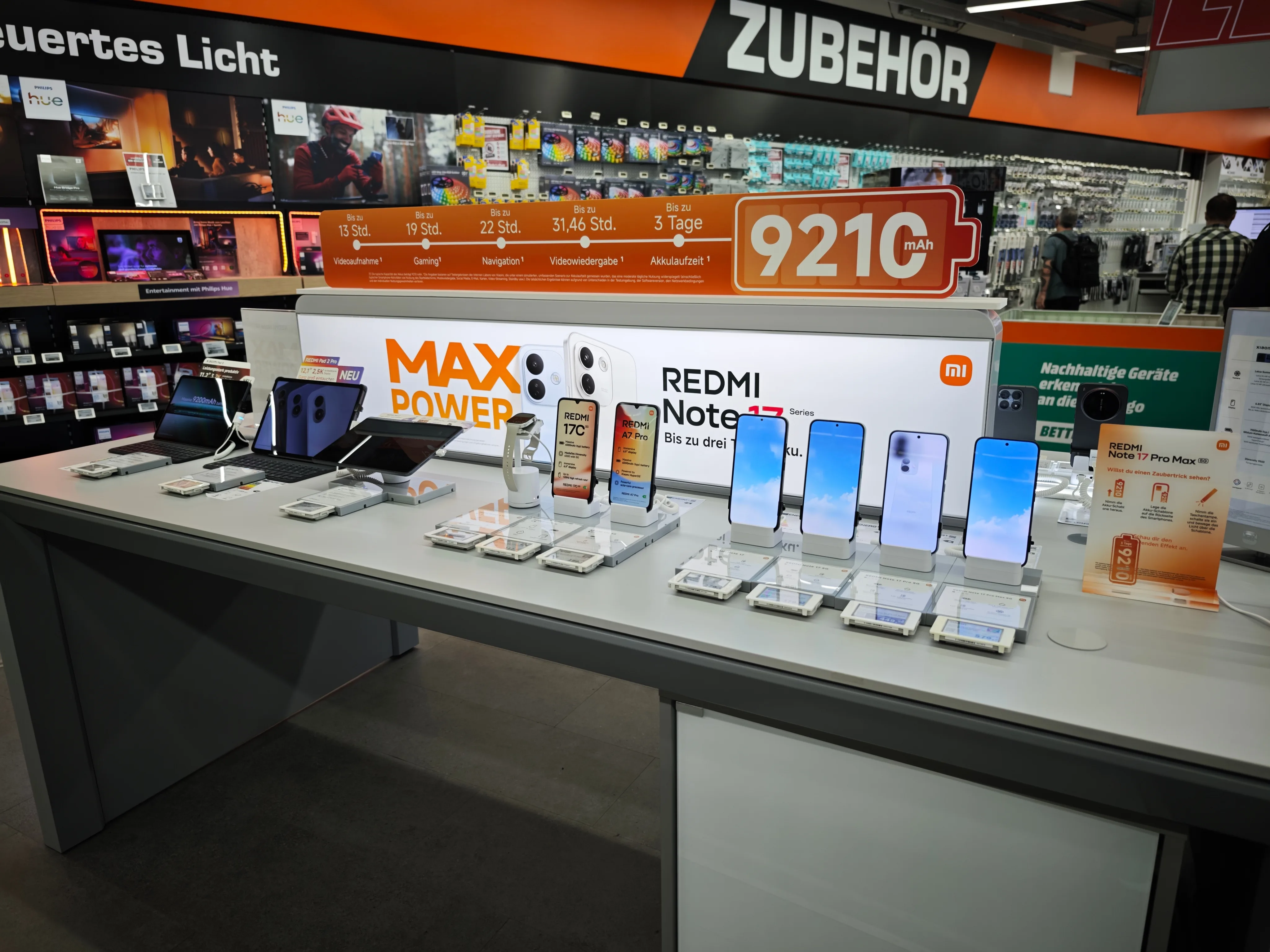
Image source: LeiTech
Perhaps due to recent steep smartphone price hikes, Xiao Lei observed that MediaMarkt’s primary promotional focus fell on the Xiaomi 17T and Redmi Note 17 series. Their local pricing would allow buyers in China to afford flagship models like the Xiaomi 17 Ultra or Xiaomi 17—suggesting that, one year on, Europe’s smartphone market appears even more fiercely competitive.
Given high prices, foot traffic around the smartphone counter remained light—only one customer was trying out the Xiaomi 17T. Interestingly, while Xiao Lei was photographing his Xiaomi 15 Ultra inside MediaMarkt, a passerby approached and asked, “Is your phone an OPPO?”—sparking a brief chat. That question reminded Xiao Lei that OPPO has been absent from the European market for some time. Although OPPO is currently re-entering Europe, its smartphones remain conspicuously missing from large offline electronics retailers like MediaMarkt.
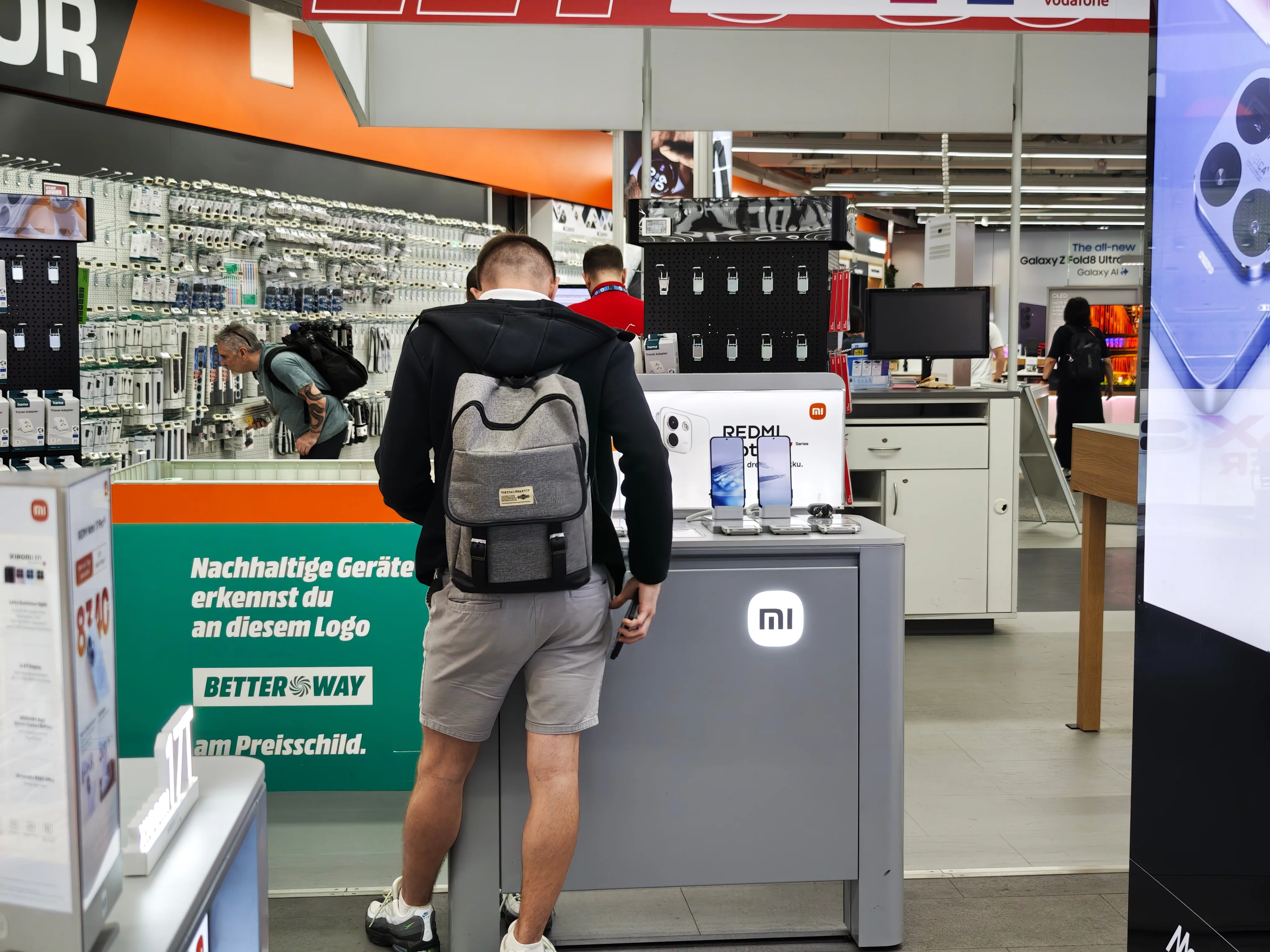
Image source: LeiTech
Still, OPPO retains a modest user base in Europe, and its local marketing efforts have proven effective—though actually experiencing OPPO devices remains challenging for most consumers. Reviewing recent European smartphone market performance, Counterpoint data shows Honor, Xiaomi, and Lenovo Motorola all delivered strong results in Q1 2026; Omdia even reported Honor’s Q1 2026 year-on-year growth exceeding 60%.
However, rising memory costs clearly impact Chinese smartphone brands more acutely. Q2 data looks less optimistic—and upcoming quarters may bring even fiercer competition for these Chinese vendors across Europe.
Smart and Driven: Chinese Brands Dominate the Smart Cleaning Segment
On the second floor, Xiao Lei’s first sight was a prominent Hisense advertisement—an unsurprising find. He’d previously seen bold Hisense ads repeatedly at the IFA venue and on outdoor bus stops across Berlin. As an official FIFA World Cup Top Partner, Hisense’s extensive offline advertising across Germany qualifies as standard operating procedure—not mere “lavish spending,” but rather a sustained, localized branding strategy. Through sports marketing, outdoor ads, and other initiatives, Hisense has methodically cultivated deep consumer awareness and affinity over years—culminating in today’s globally recognized brand stature.
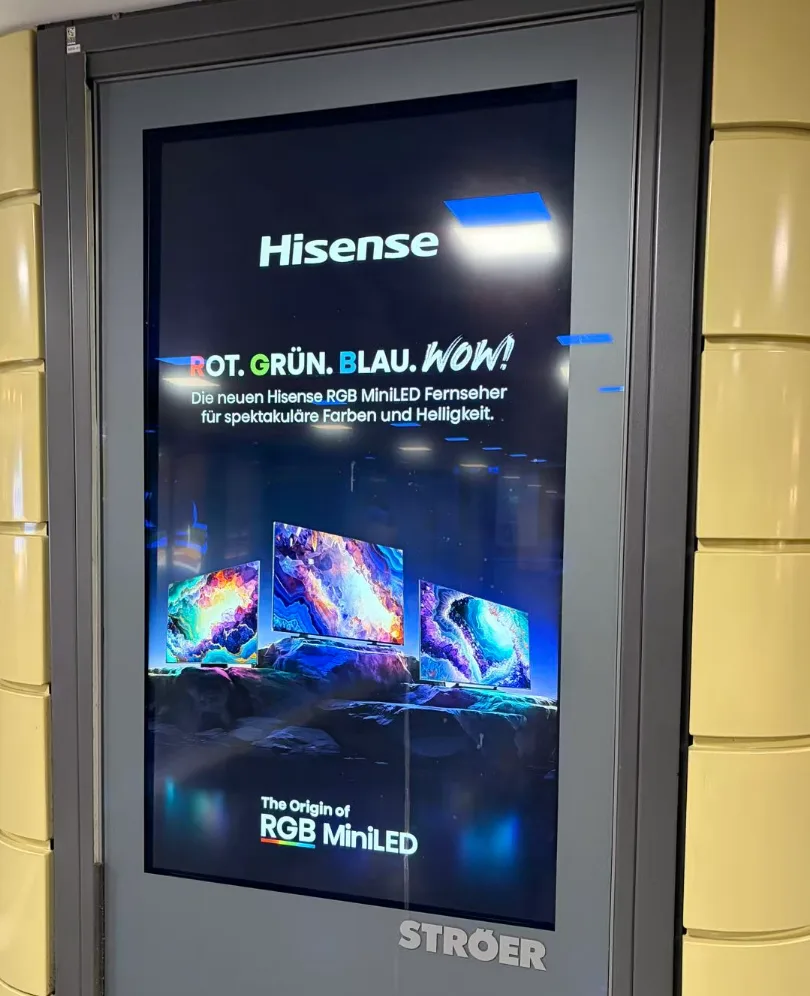
Image source: LeiTech
Chinese brands’ presence intensifies further upstairs: Dreame and Lefant advertisements flank the corridor on either side—giving Xiao Lei a literal “red-carpet welcome.” This section sells small and medium-sized appliances and personal care products—categories where Chinese brands have achieved absolute leadership.
Lefant is a longtime partner of LeiTech. Judging by its prime placement at this mall, Lefant secured the coveted central spot. At this year’s IFA, Lefant’s booth also drew considerable crowds. When Xiao Lei stopped by, he overheard numerous foreign visitors comparing Lefant directly with Dyson and other premium brands.
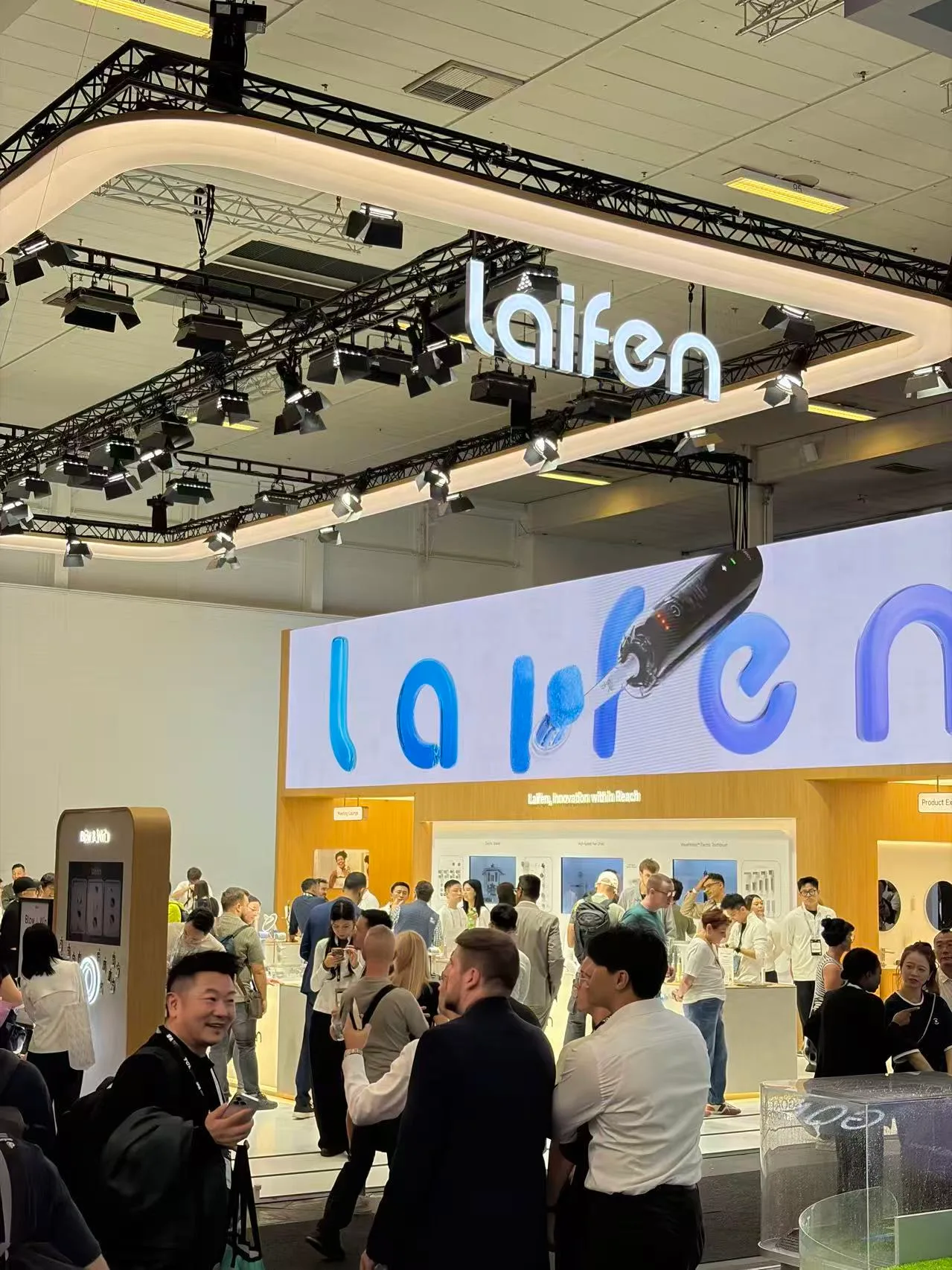
Image source: LeiTech
The biggest surprise came in the smart cleaning zone: Xiao Lei knew Chinese smart-cleaning brands were strong—but hadn’t anticipated *this* level of dominance. Scanning the shelves, nine out of ten robotic vacuum cleaners were from Chinese brands—or brands controlled by Chinese enterprises. Across the entire smart cleaning section, Chinese brands held roughly 80% market share, while overseas brands accounted for just 20%. Finding a fully independent foreign brand proved difficult: many seemingly unfamiliar international names ultimately trace back to Chinese ownership—for instance, U.S.-based SharkNinja was acquired by JS Global Lifestyle back in 2017, whose actual controlling shareholder is Wang Xuning, founder of Joyoung.
The top three brands dominating the smart cleaning sales section were Dreame, Roborock, and Ecovacs (Tineco)—collectively dubbed the “Big Three.” According to IDC’s 2025 report, Chinese brands occupy all five spots in the global TOP5. Thus, MediaMarkt’s current landscape comes as no surprise: in this category, Chinese brands have truly reached “unrivaled mastery.”
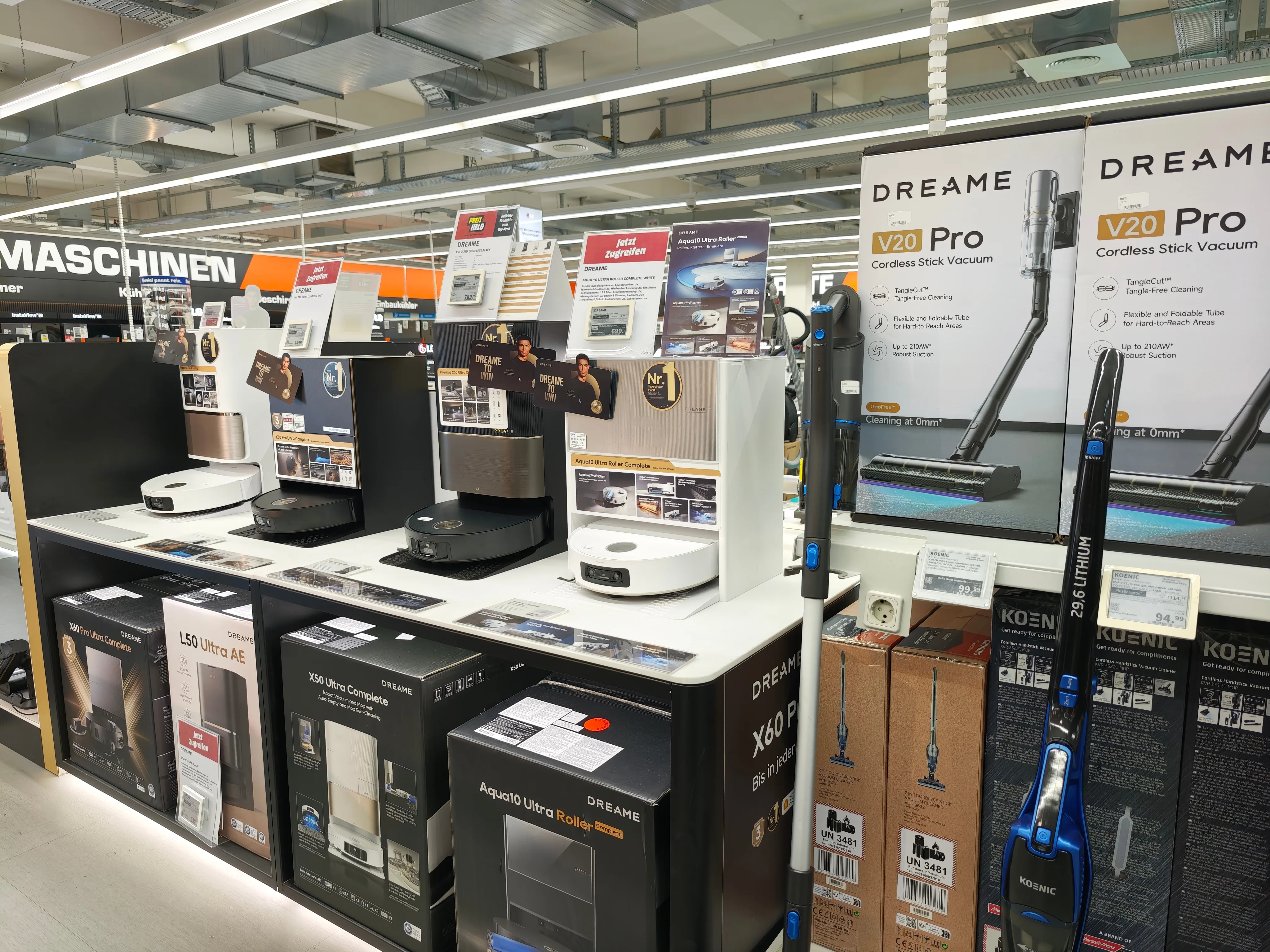
Image source: LeiTech
How did Chinese smart-cleaning brands achieve this? The answer lies squarely in product excellence: smarter intelligence, superior cleaning performance, and greater flexibility. LeiTech covered this in depth during its IFA smart-cleaning industry reporting.
For example, Roborock’s G-Rover employs a hybrid “wheel + leg” design enabling threshold crossing and stair navigation—solving multi-level cleaning challenges common in Western duplex homes. Similarly, Dreame’s Cyber X uses a modular track-based solution. Compared to last year’s prototypes, climbing-capable cleaning robots showcased at this year’s IFA demonstrate markedly improved maturity—and most are now nearing mass production. In just one year, these innovations evolved from demos into tangible products—highlighting astonishing R&D velocity.
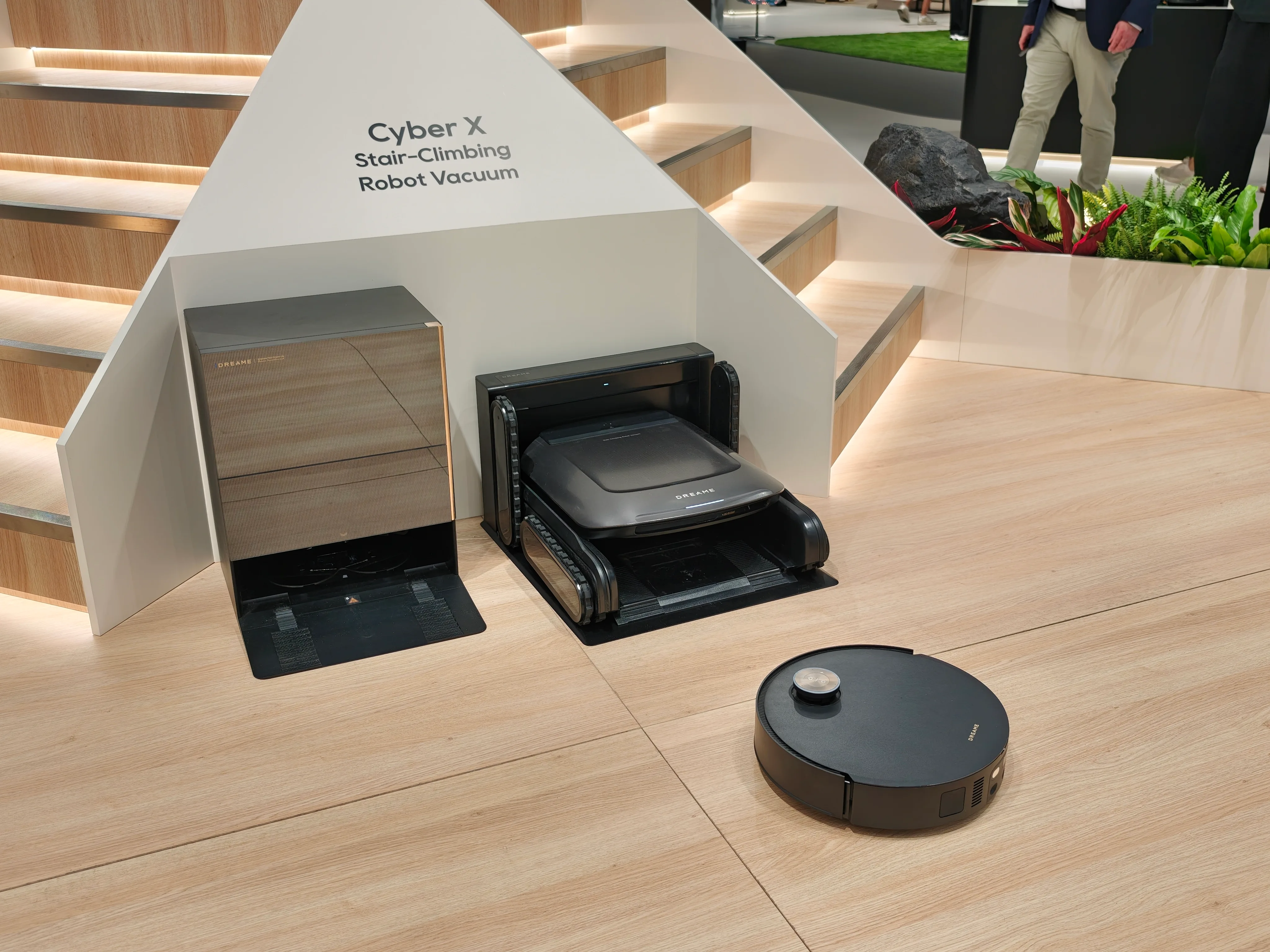
Image source: LeiTech
Moreover, in obstacle avoidance algorithms, cleaning efficacy, and autonomy, the “Big Three”—Dreame, Ecovacs, and Roborock—maintain clear technological leadership. Innovations such as steam mopping, corner-cleaning mechanical arms, and object-pickup arms further expand product applicability and elevate user experience.
Fierce domestic competition has accelerated hardware iteration cycles for Chinese smart-cleaning devices—even faster than app updates. This relentless pace explains how, after a decade of development, Chinese brands have overtaken iRobot to claim dominant market share.
Notably, brands like Dreame, Roborock, and Ecovacs often perform *better* overseas than domestically, thanks to region-specific product optimizations. For instance, since many Western households own dogs and other pets, these brands strengthen anti-tangling features; and because hardwood floors are sensitive to moisture, they refine mopping functions to minimize water residue.
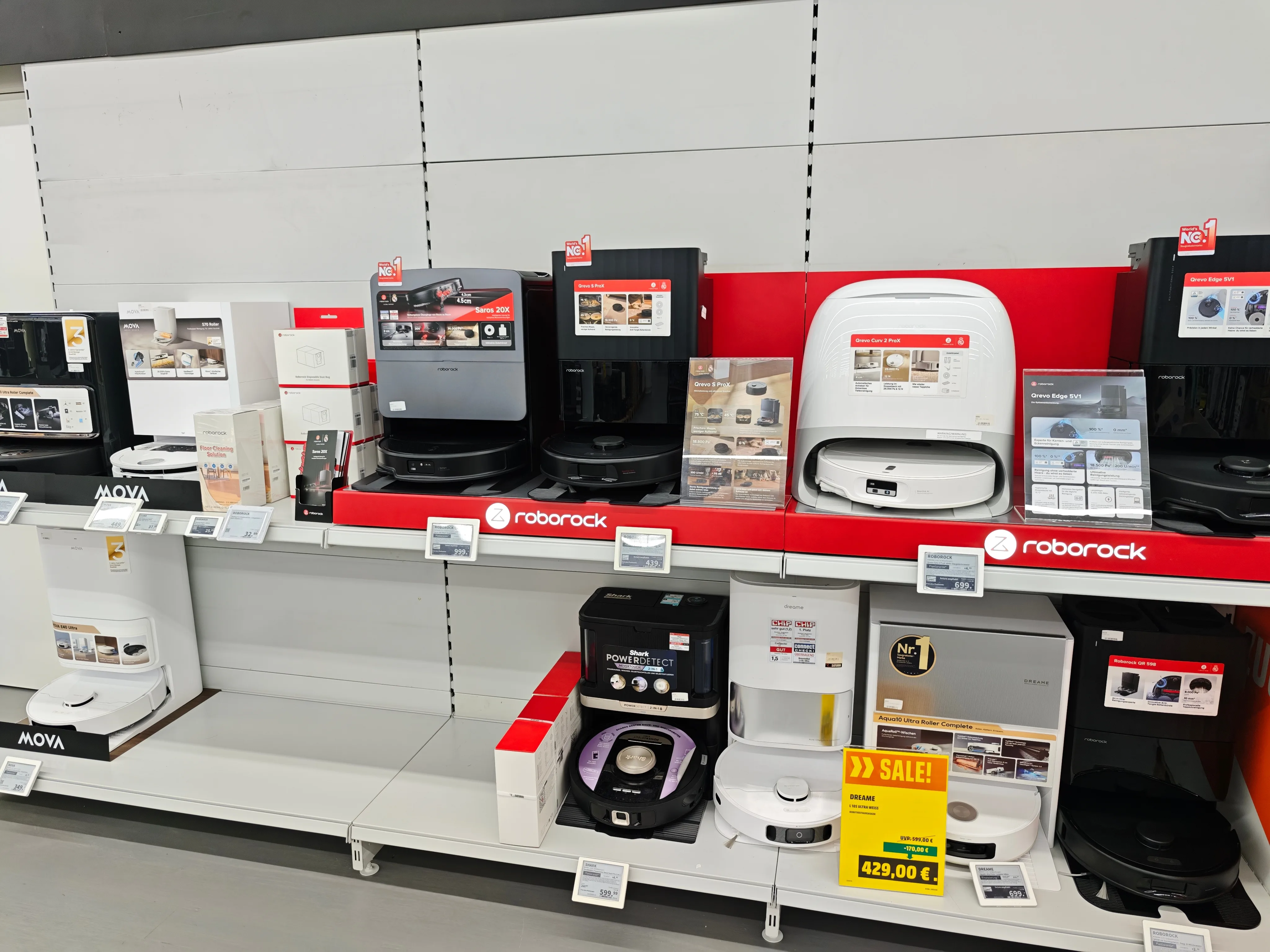
Image source: LeiTech
Xiao Lei browsed YouTube and other international tech media outlets and found that many foreign reviewers echoed similar observations: Chinese manufacturers sometimes excel at localization—even surpassing Western peers. Furthermore, their responsiveness to user feedback is exceptionally rapid—something few Western OEMs match. Put plainly, Chinese companies combine exceptional intelligence with extraordinary diligence. For example, Xiao Lei noticed that many Berlin malls close as early as 8 p.m.—and if you’re dining at a mall restaurant, servers begin urging you to finish your meal by 7:30 p.m. so they can clock out on time.
From Panasonic to Hisense: German TV Market Has Sailed Past Countless Obstacles
In the TV section, Chinese brands maintain strong visibility—though not yet full “domination.” Both TCL and Hisense command sizable dedicated exhibition zones, standing alongside Samsung and LG. Samsung occupies the undisputed center stage—a testament to its high brand recognition and popularity across Western markets.
Beyond securing elevator ad space, Hisense erected a large-scale showcase in one MediaMarkt’s core display area—simulating a living room environment complete with refrigerators and air conditioners beside the TV. Though still under construction, signage indicated plans to highlight Hisense’s AI-powered smart ecosystem—a key pillar of Hisense’s messaging at this year’s IFA: “Companion Living.”
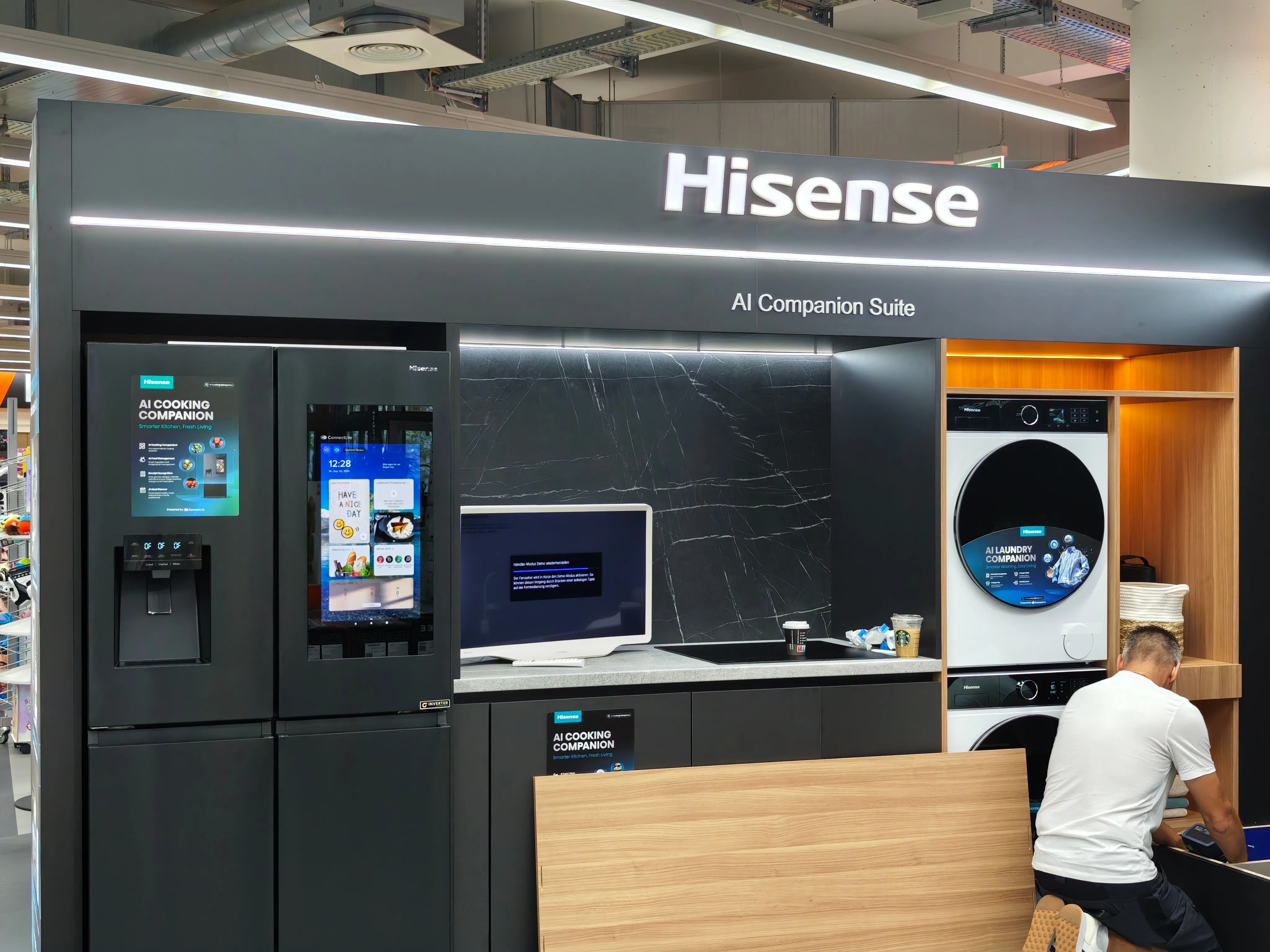
Image source: LeiTech
On-site, the TV market has entered an intensely competitive phase, with the “Big Four” brands—Samsung, LG, TCL, and Hisense—concentrated in MediaMarkt’s core zone vying for shopper attention. Unlike most appliances, TVs place paramount importance on “offline experience,” as audiovisual quality must be judged firsthand—prompting brands to consistently deploy flagship models in-store to attract and retain customers.
In addition to showcasing TVs, Samsung installed a standalone “Dialogue Booth” in the aisle—featuring a large screen displaying a life-sized AI avatar. Xiao Lei tried it out and discovered it’s Samsung’s AI-powered in-store shopping assistant, designed specifically for its home appliance lineup. If shoppers are unsure which TV to choose, they can simply ask the AI, which recommends options based on budget, living room dimensions, viewing preferences, and other criteria.
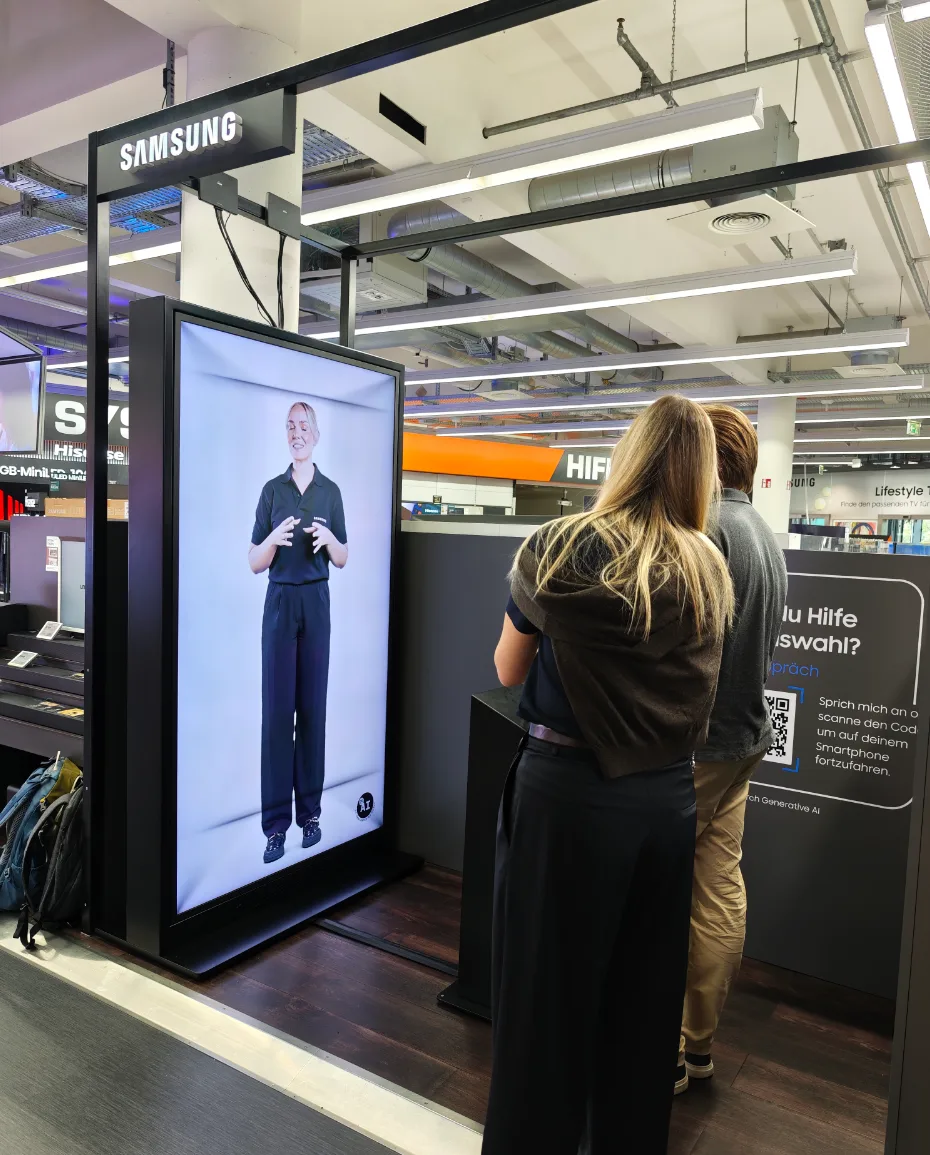
Image source: LeiTech
Admittedly, this is an intriguing experiment—but Xiao Lei remains skeptical. The reason is simple: foot traffic in physical stores is already scarce, making every potential lead extremely valuable. When customers express purchase intent or curiosity, brands should deploy human staff immediately to engage, nurture, and convert—not defer to AI avatars. Technology assistance makes sense only when staff are genuinely overwhelmed—but Xiao Lei observed no such bottleneck, either in Chinese or Berlin malls.
From a product perspective, MiniLED has emerged as the most popular category. Hisense and TCL naturally dominate here—but even OLED-focused Samsung and LG showcased numerous MiniLED models. Price tags revealed a pronounced advantage for Hisense and TCL: comparable-size models delivering equivalent or even superior visual quality—including higher peak brightness—were significantly cheaper. Numerous overseas tech reviewers praise Hisense and TCL flagships highly, rating them on par with foreign competitors costing two to three times more.
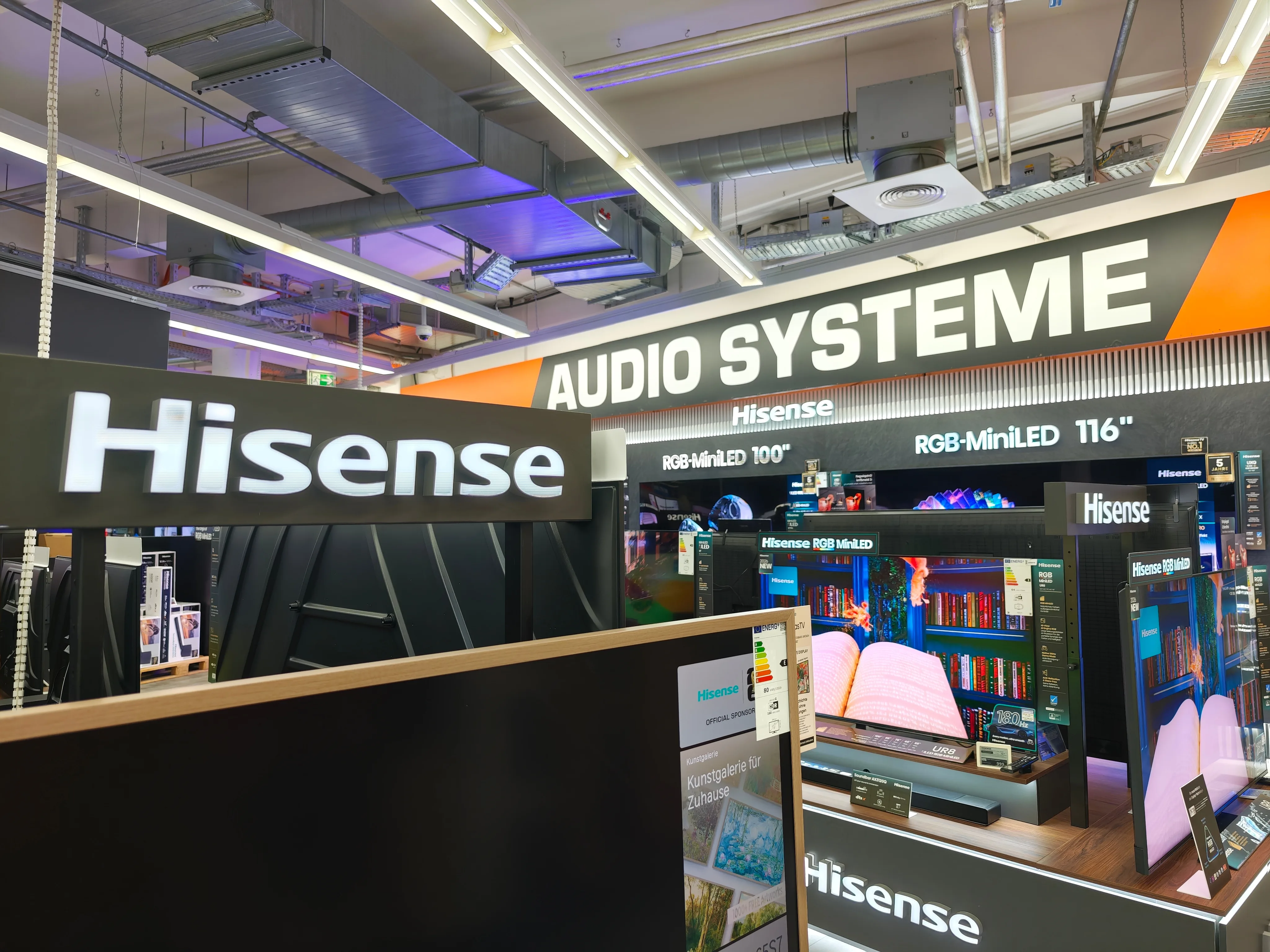
Image source: LeiTech
While wandering the aisles, Xiao Lei spotted an elderly couple shopping for a new bedroom TV to replace their 10-year-old Panasonic set. They remarked that many once-familiar brands had vanished from the store—including Panasonic itself—while unfamiliar names like Hisense and TCL now appeared everywhere.
Ten years ago, Panasonic was still a powerhouse in Germany’s TV market. According to a German Federal Cartel Office (anti-trust authority) investigation report from that era, Panasonic ranked second in German market share—behind only Samsung and ahead of Sony and Vestel—with zero presence for Chinese brands.
Yet sluggish transformation and high manufacturing costs caused Panasonic’s market share to plummet over the past decade. In February this year, it formed a strategic partnership with Skyworth, outsourcing all hardware R&D and manufacturing to Skyworth while retaining only technical support responsibilities. Meanwhile, Sony chose to collaborate with TCL, exiting finished-product manufacturing entirely; Vestel pivoted toward low-cost ODM services and brand licensing—but faced mounting pressure from Chinese brands, prompting its financial restructuring application in June. Notably, Vestel’s smart TV platform ultimately partnered with Hisense’s VIDAA OS—raising questions about whether it might later adopt V AIOS (the overseas version of JUOS).
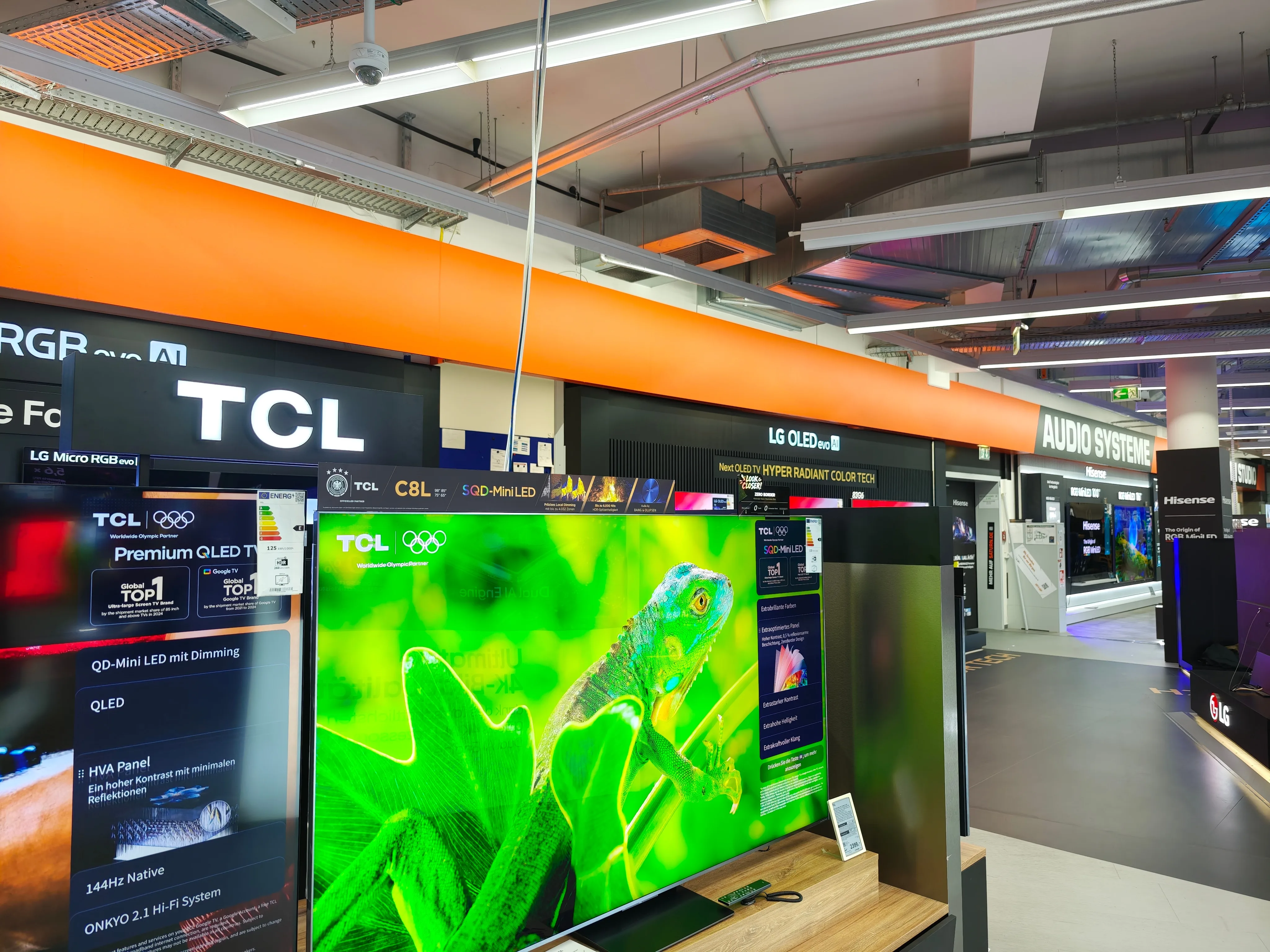
Image source: LeiTech
Ten years ago, Japan, Korea, and Europe ruled Germany’s TV market;today, Japanese brands have largely withdrawn, European players cling on precariously—and the entire battlefield is now contested almost exclusively between Chinese and Korean brands. Truly, they’ve sailed past countless obstacles.
This dynamic holds true at IFA too—where Chinese and Korean brands dominate head-to-head, and legacy names like Metz have largely been acquired by Chinese firms. As the TV industry transitions into an era led by RGB MiniLED, SQD-Mini LED, and microLED technologies, Western and Japanese manufacturers have effectively ceded technological leadership—especially after Chinese vendors drove MiniLED pricing down to the ¥1,000 RMB range, bringing LED technology perilously close to obsolescence.
In this context, Western TV brands lacking advanced production lines face only two options: First, procure panels wholesale from leading suppliers like TCL CSOT, BOE, Samsung Display, and LG Display—explaining why panel giants like CSOT and BOE are accelerating overseas expansion (BOE even hosted its inaugural Innovation Partner Conference—IPC—abroad for the first time during this year’s IFA). Second, pursue outright acquisition—leveraging established distribution networks and brand equity to secure stable returns under Chinese ownership.
After “Occupying Shelves,” Chinese Brands Must Now “Capture Minds”
As Xiao Lei exited the MediaMarkt at Alexanderplatz, Berlin’s sky had darkened. TCL and Hisense ads glowed more vividly on street-side billboards—and glancing back at the store entrance, one could easily get the impression that Chinese brands have already “conquered” Europe’s home appliance market—not just arriving as brands, but bringing along channel partners like JD.com and AliExpress.
IFA’s traffic distribution and MediaMarkt’s product mix confirm that Chinese brands now sit firmly at the head of Europe’s market table—particularly in smart cleaning, where they’ve become de facto rule- and standard-setters. In many ways, the TV market mirrors Europe’s broader home appliance industry: once proud bastions of Siemens and Bosch. Yet Chinese brands, armed with world-class manufacturing capabilities, supply chain advantages, and innovation ecosystems, rapidly eclipsed local incumbents. So Xiao Lei poses two questions:
1. When will Chinese TV brands achieve the same absolute market dominance as their smart-cleaning counterparts?
2. How much longer can European appliance brands survive outside the cleaning and TV segments?
We invite readers to join the discussion in the comments below.
Many still perceive Chinese brands as competing solely on low cost—a serious misconception. Today’s Chinese brands no longer rely on value-for-money alone. Proprietary R&D, vertically integrated supply chains, localization strategies, comprehensive after-sales service systems, and robust industrial ecosystems have all become core competitive advantages.
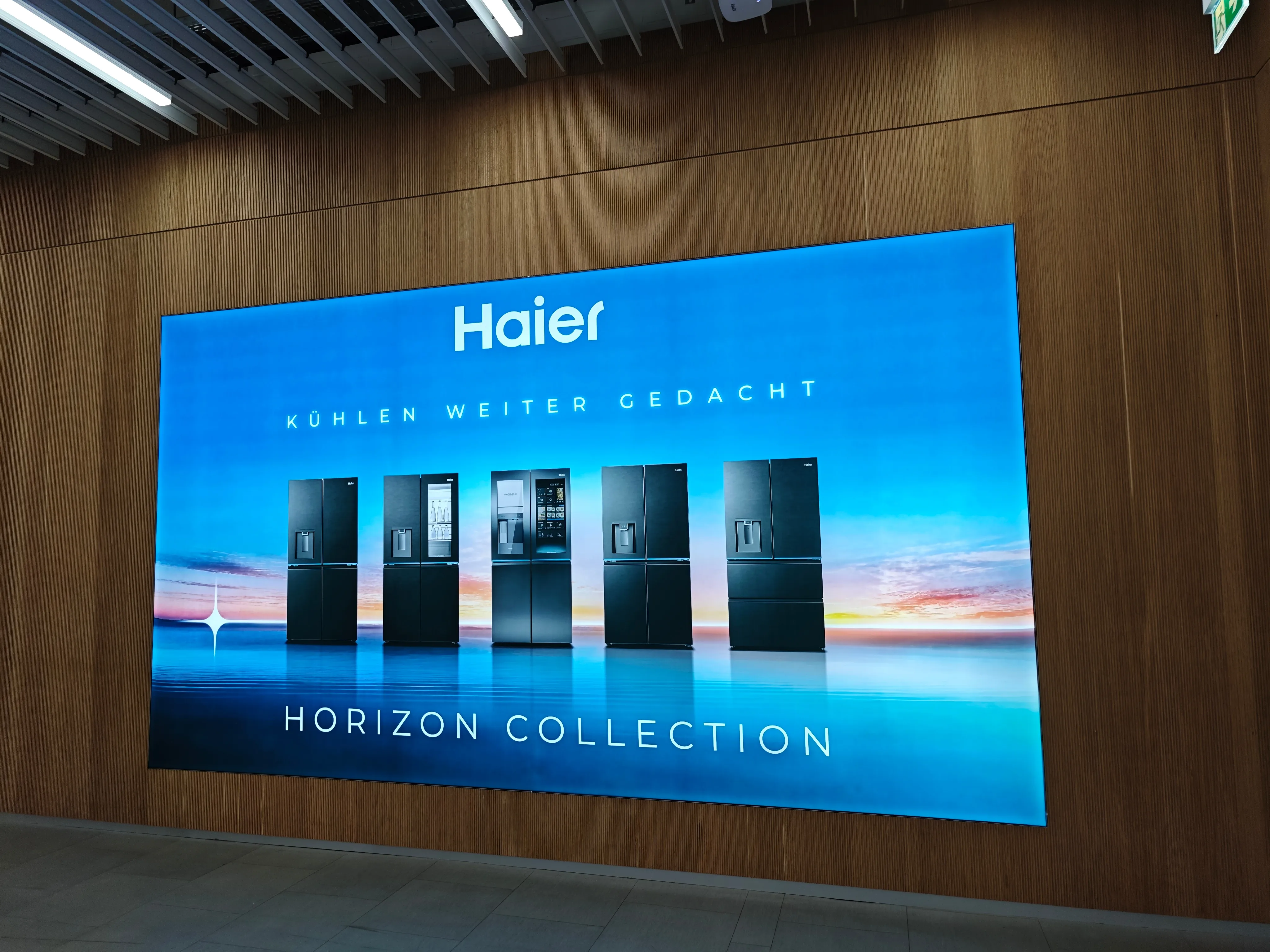
Image source: LeiTech
Yet the “Chinese products = cheap” stereotype persists—not only among European consumers, but also domestically in China. For Chinese brands, overcoming this entrenched perception remains their toughest challenge. Conversations with European consumers—especially older demographics—revealed that while Samsung and Panasonic remain familiar, Hisense and TCL are still largely unknown. Even when Chinese products offer superior functionality, quality, and pricing, final purchase decisions remain heavily influenced by after-sales support and brand trust.
Thus, strengthening brand building remains a critical priority for Chinese brands moving forward. Product excellence matters—but cultivating brand equity is a long-term endeavor. This is precisely where Chinese brands must focus their overseas expansion: aggressively competing with legacy global brands for advertising space, prime retail locations, and key IFA resources—transforming “Hisense” and “TCL” from unfamiliar names in German consumers’ minds into instinctive choices the next time they shop for a new TV or appliance.