 雷科技





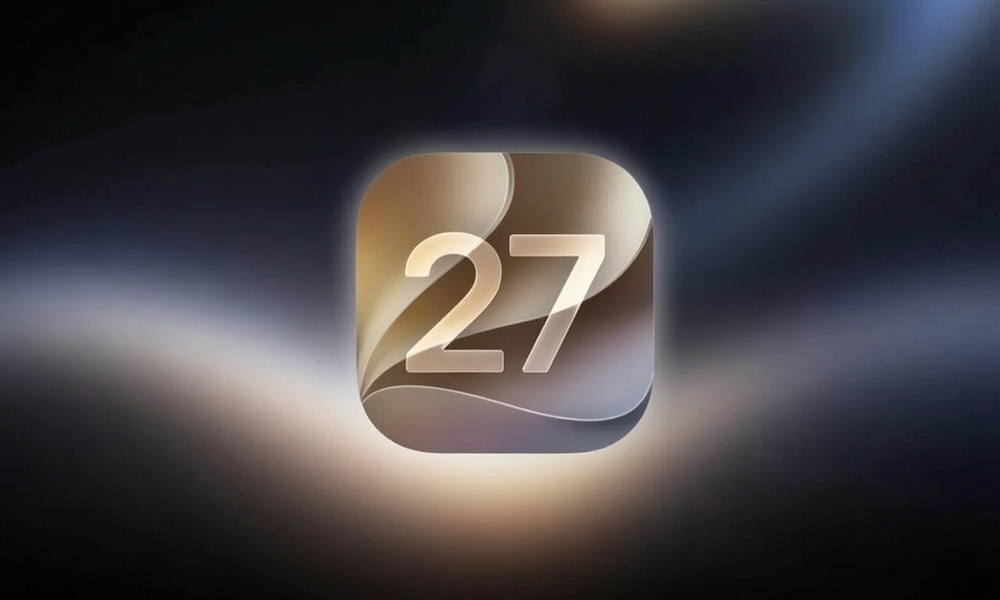

News for September 15: Apple officially rolled out the stable release of iOS 27 today.
Notably, one feature is bound to delight all users of mainland China iPhones — the long-awaited adjusted-holiday alarm clock has finally arrived.
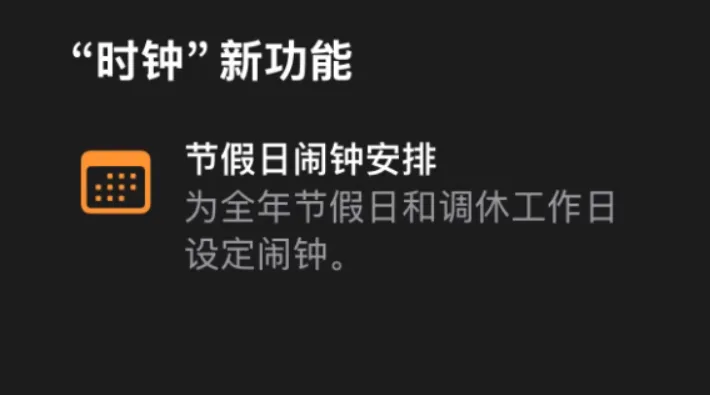
Image source: Weibo
This is a feature Android phones had a decade ago, yet Apple only got around to adding it in 2026.
Jokes aside, it’s actually pretty handy — tailor-made for Chinese office workers.
Anyone who’s used an iPhone knows how infuriating the old alarm system was. You could only set alarms to ring Monday through Friday. Whenever there was a holiday workday adjustment, it was a nightmare.
You had to remember to turn off the alarm before holidays, then turn it back on for make-up workdays. Miss either step, and you’d either get woken up on your day off, or oversleep and get fined for being late on a compensatory workday.
iOS 27 adds a new repeat option in the Clock app: Workdays (including adjusted holidays). The system is natively synced with China’s official public holiday and compensatory work calendar. Simply put, the alarm rings on official workdays and automatically silences on official holidays.
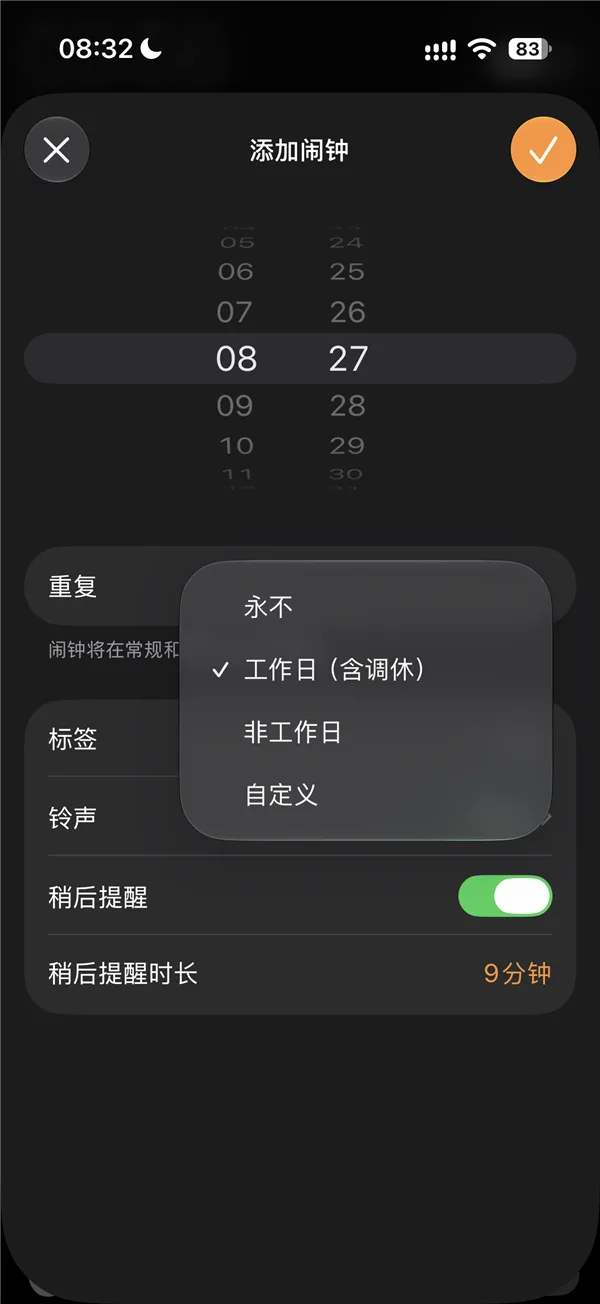
Image source: Weibo
Apple also explicitly stated that this feature is a local adaptation specifically developed to address the adjusted holiday schedule for Chinese users.
Still, there’s something odd about that statement. Does that mean China is the only place with compensatory workdays? Sigh, there’s a long story behind it.
For now, the feature is exclusive to mainland China models. The option only appears when your region is set to Chinese Mainland, and it works for standard alarms only.
Now that we’ve covered this down-to-earth feature, let’s move on to other highlights of iOS 27.
According to Apple, iOS 27 features a revamped underlying scheduling mechanism, delivering an even smoother system experience. Cold app launch speeds are boosted by up to 30%, photo loading is 70% faster, and AirDrop transfer efficiency sees an 80% improvement.
My daily driver is an iPhone Air. Right after updating, the first thing I noticed was how snappy it feels.
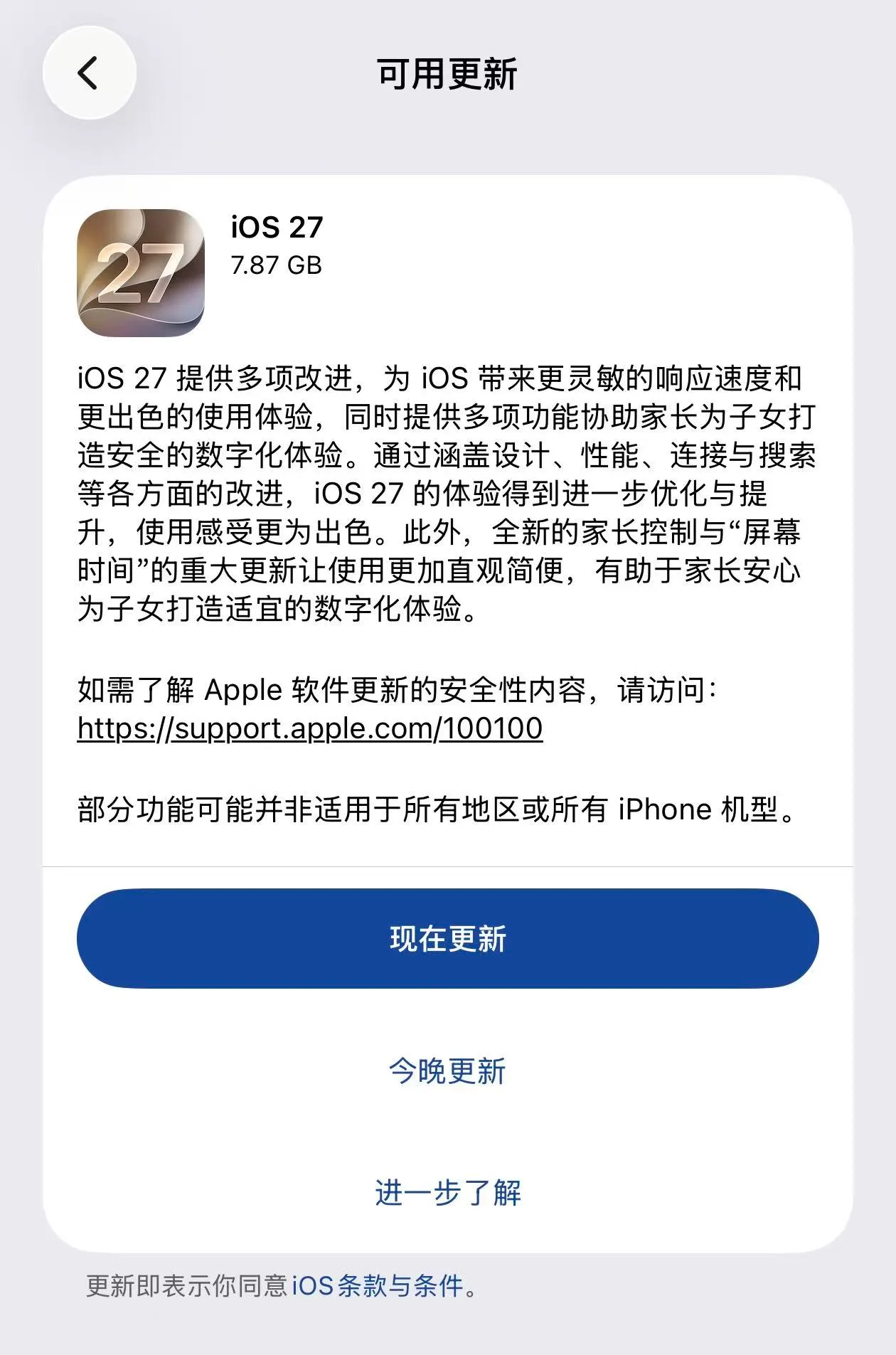
Image source: Weibo
Especially when browsing old photos in the Photos app. Previously, loading the original image required a spinning loading indicator, but now it pops up almost instantly. Scrolling through apps and switching between background tasks also feels noticeably smoother, and app reloading in the background has improved significantly. The upgrade should be even more pronounced for iPhone 14 and older devices.
The most striking visual change comes from the upgraded Liquid Glass effect. A new global transparency slider has been added, letting users adjust how translucent the frosted glass look is. Icon contrast has also been refined, delivering an overall more polished aesthetic compared with iOS 26.
Beyond these features, iOS 27 packs several nice little touches.
First, alarm volume and ringer volume can finally be adjusted independently. Before, turning up your ringer would also raise your alarm volume. Now separated, you can keep the ringer loud so you don’t miss calls while setting a quieter alarm tone.
Second, the camera interface supports a customizable toolbar. You can drag frequently used features such as filters, aspect ratios and Night Mode to convenient positions instead of digging through menus every time.
Third, lock screen clock styles are customizable. You can pick different font weights and thicknesses, opening up more creative combinations with different wallpapers.
Now that we’ve covered the positives, let’s talk about the letdown.
One of the flagship features of iOS 27 — the revamped Siri AI and the full suite of Apple Intelligence capabilities — remains unavailable for mainland China iPhone users.
Image source: Weibo
Honestly, I think it’s quite a letdown. I just hope Apple can push this forward quickly and not keep us waiting too long.
Now for the question everyone cares about most: should you upgrade?
From Xiaolei Bibi (ID: xiaoleibbb), here’s my take. If you’re currently running the official iOS 26 release, upgrading is recommended. For mainland China users, the holiday-adjustment alarm alone makes it worthwhile. Coupled with performance gains and various refinements, this is a positive overall update.
However, if you own older devices like the iPhone 11 or iPhone 12, it’s better to wait a couple of days. Check for battery drain and weird bugs before deciding to install the update.
Speaking of which, is a compensatory-workday alarm technically difficult to implement? Android brands in China built this ages ago, yet Apple only got around to it now.
This sends a clear signal: the Chinese market is growing increasingly important to Apple.
So, have you updated to iOS 27? How’s your experience? Feel free to share your thoughts in the comments.