
 雷科技
雷科技






On September 4, IFA 2026 officially opened in Berlin, Germany. As one of the world’s top three consumer electronics trade shows, this year’s IFA attracted over 1,900 exhibitors from 49 countries and regions, with the theme “The Future is Now”—the future has already arrived. LeiTech (ID: LeiTech) deployed its “LeiTech IFA26 Reporting Team” to Berlin for on-the-ground, multi-dimensional, and first-hand coverage of IFA 2026.
In previous years, IFA’s spotlight typically fell on home appliances and consumer electronics. This year, however, an unexpected category emerged as a dark horse: ergonomic office chairs—a segment that has surged in popularity across China’s domestic market, where nearly every editor at LeiTech owns one. Notably, many ergonomic chair brands exhibiting at this year’s IFA hail from China—including numerous companies based in Shenzhen. Having disrupted the previous generation of office chairs in the Chinese market, these brands are now accelerating their global expansion by showcasing at IFA in Europe.
LiberNovo: A Chair That “Moves Itself”
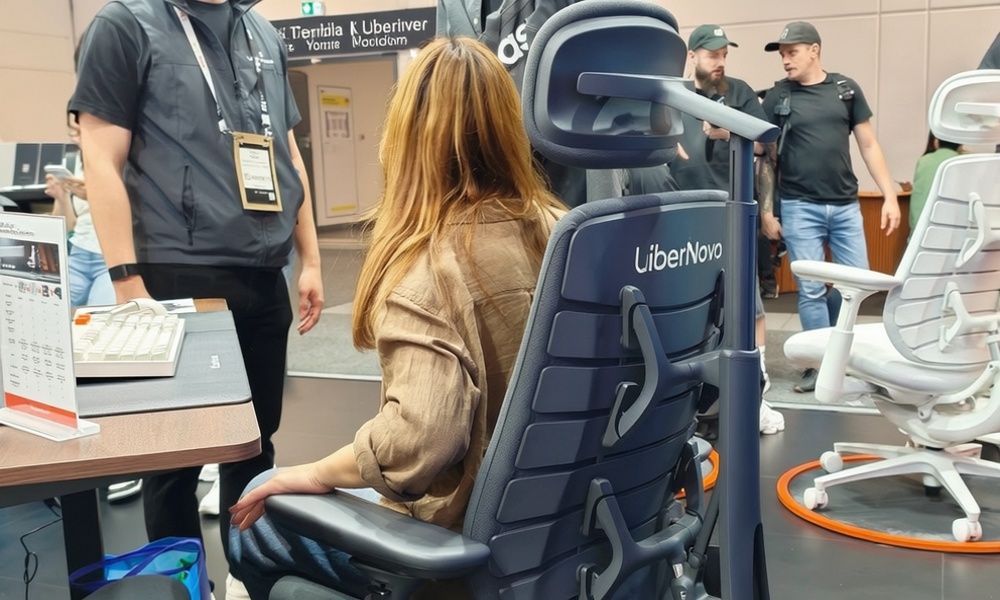
LiberNovo’s booth was the liveliest among all chair-related exhibits at IFA—foreign visitors queued up for hands-on trials, and many attendees were so comfortable they simply refused to get up, slipping into what could only be described as “playful lounging mode.” We spoke informally with several recently seated visitors on-site, and their feedback was remarkably consistent: “excellent support” and “exceptional comfort.”
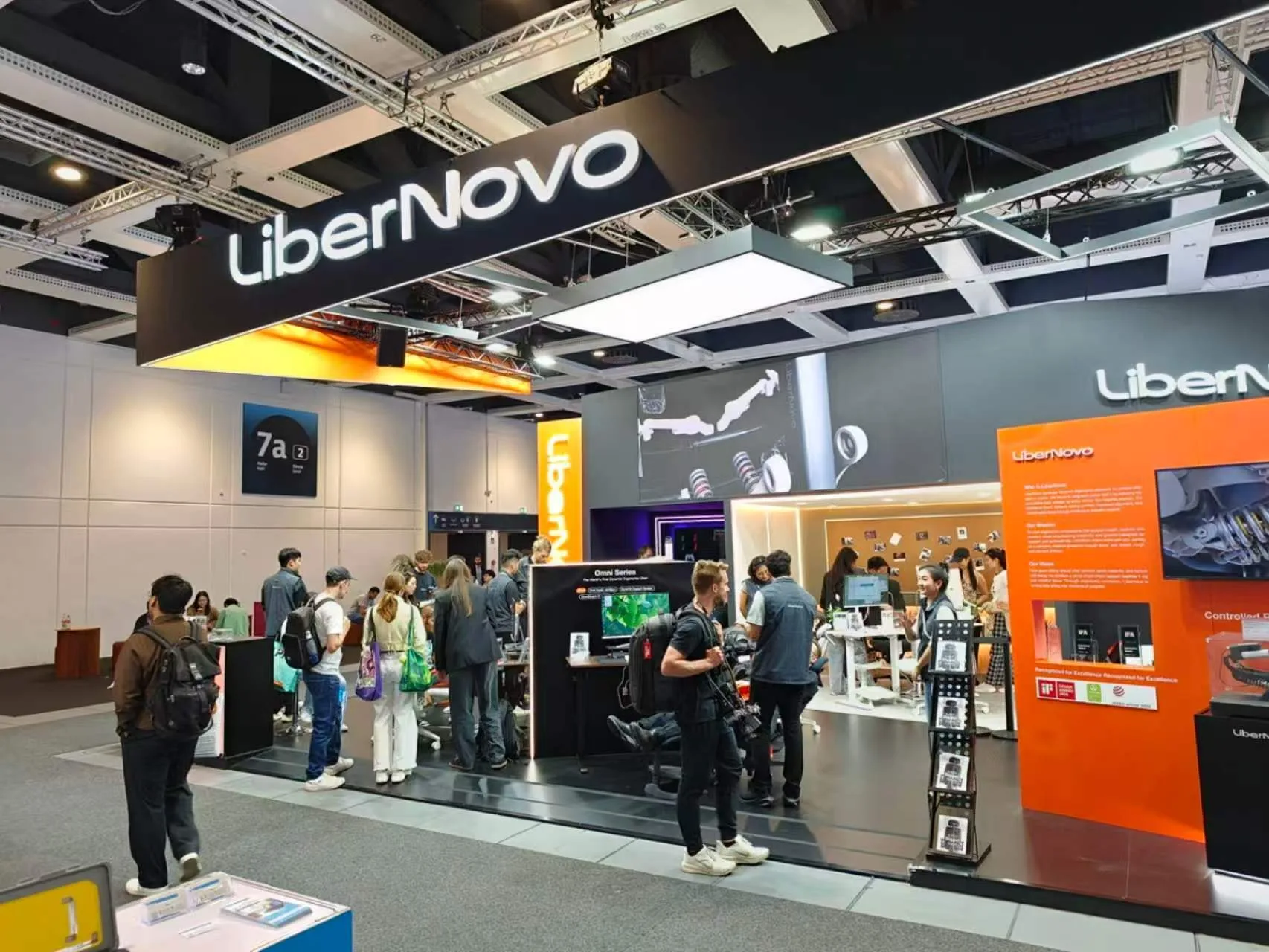
(Photograph source: LeiTech IFA Reporting Team)
LiberNovo’s product definition reflects bold ambition: dynamic human-machine ergonomic chairs. Why “human-machine”? Because the chairs integrate batteries and motors. Unlike traditional ergonomic chairs—which offer static support once the user sits down—LiberNovo’s chairs actively respond to users’ body movements. The backrest angle and support points automatically adjust in real time with changes in posture, delivering a recline range of 105° to 160°.
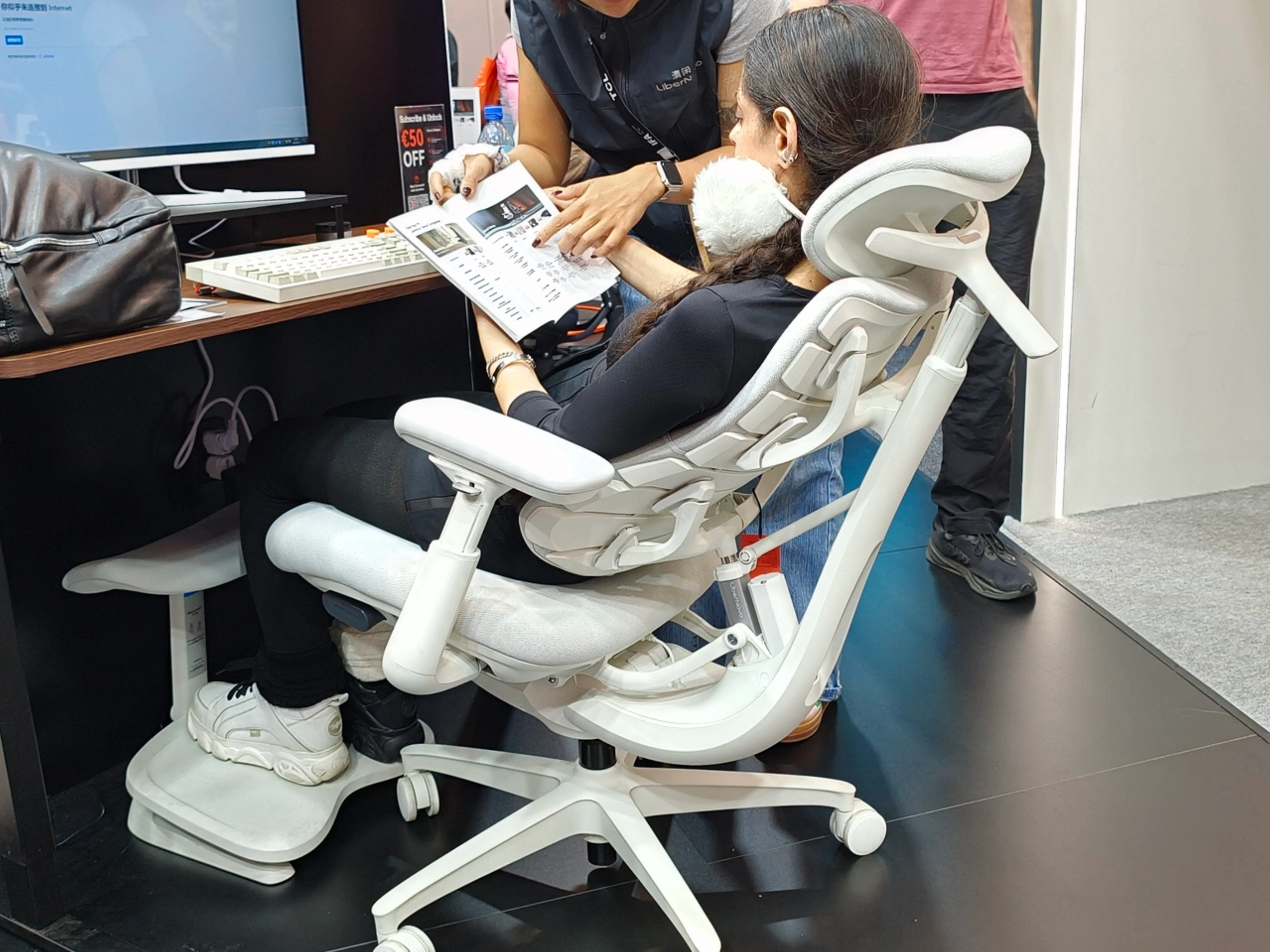
(Photograph source: LeiTech IFA Reporting Team)
In plain terms, this is a chair that “moves itself”—and it’s precisely this unique selling proposition that enabled LiberNovo to raise over $10 million in overseas crowdfunding campaigns.
This year at IFA, LiberNovo spotlighted its Maxis series, specifically engineered for larger-framed users. According to Yan Le, Founder and CEO of LiberNovo, after launching its ergonomic chairs internationally, the company received significant user feedback requesting dedicated solutions for heavier individuals. It’s common knowledge that larger body types are more prevalent across Europe and North America—and during our IFA site visits in Berlin, Xiao Lei noticed everything from furniture and subway seating to fast-food packaging appearing noticeably “larger.”
LiberNovo’s Maxis series goes far beyond simple proportional scaling of standard chairs; it incorporates practical load-bearing considerations. Through innovations such as its proprietary segmented recline system and reinforced weight-bearing base, LiberNovo ensures that larger users can sit, feel confident sitting, sit comfortably for extended periods, adopt diverse postures, and truly relax.One tall, broad-shouldered tester on-site remarked that he previously felt insecure reclining on other chairs—but with this model, he could lean back fully, even stretching out or napping without hesitation.
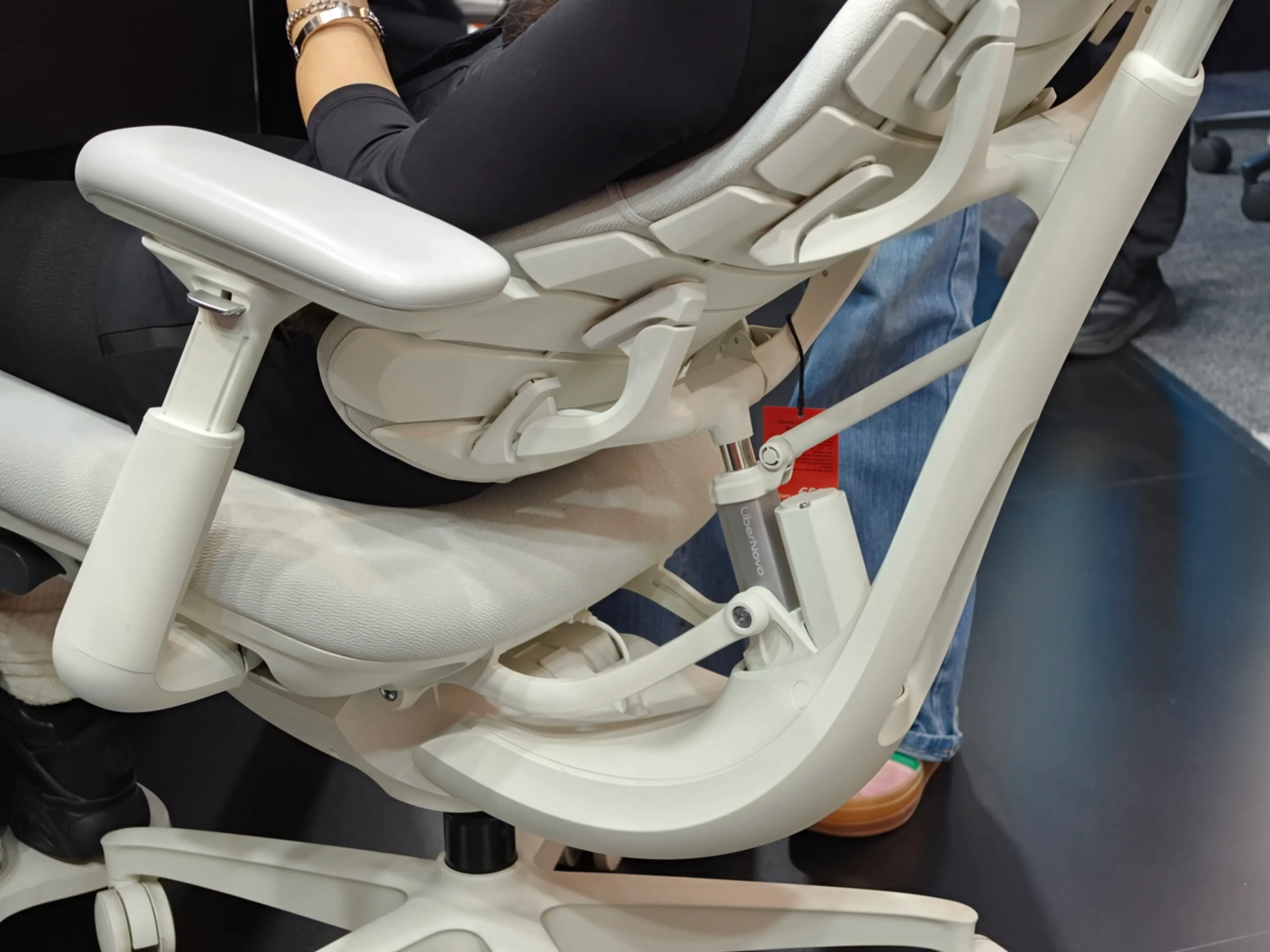
(Photograph source: LeiTech IFA Reporting Team)
From inception, LiberNovo targeted international markets, branding itself globally as LiberNovo. Earlier this year at CES, LeiTech covered LiberNovo’s debut—where overseas users praised it as “even more comfortable than the Herman Miller chairs provided by their employers.” LiberNovo has since grown rapidly, launching new variants including the Maxis Pro for heavy-duty long-term sitters and models equipped with a seat cushion ventilation system. Its product line has expanded from office use to gaming, with reports indicating that leading Chinese tech firms—including ByteDance and DJI—are equipping employees with LiberNovo chairs. Alongside continuous product iteration, LiberNovo is strengthening its offline service infrastructure, having recently opened its first flagship store in Shenzhen.
Notably, LiberNovo earned two prestigious awards at this year’s IFA—the IFA Innovation Award Honorable Mention and the Gadget Flow IFA Best Product Award. The former is conferred by IFA itself, recognizing exhibits demonstrating technological breakthroughs and innovation; the latter is awarded by Gadget Flow, a prominent platform dedicated to discovering cutting-edge tech hardware and design products.
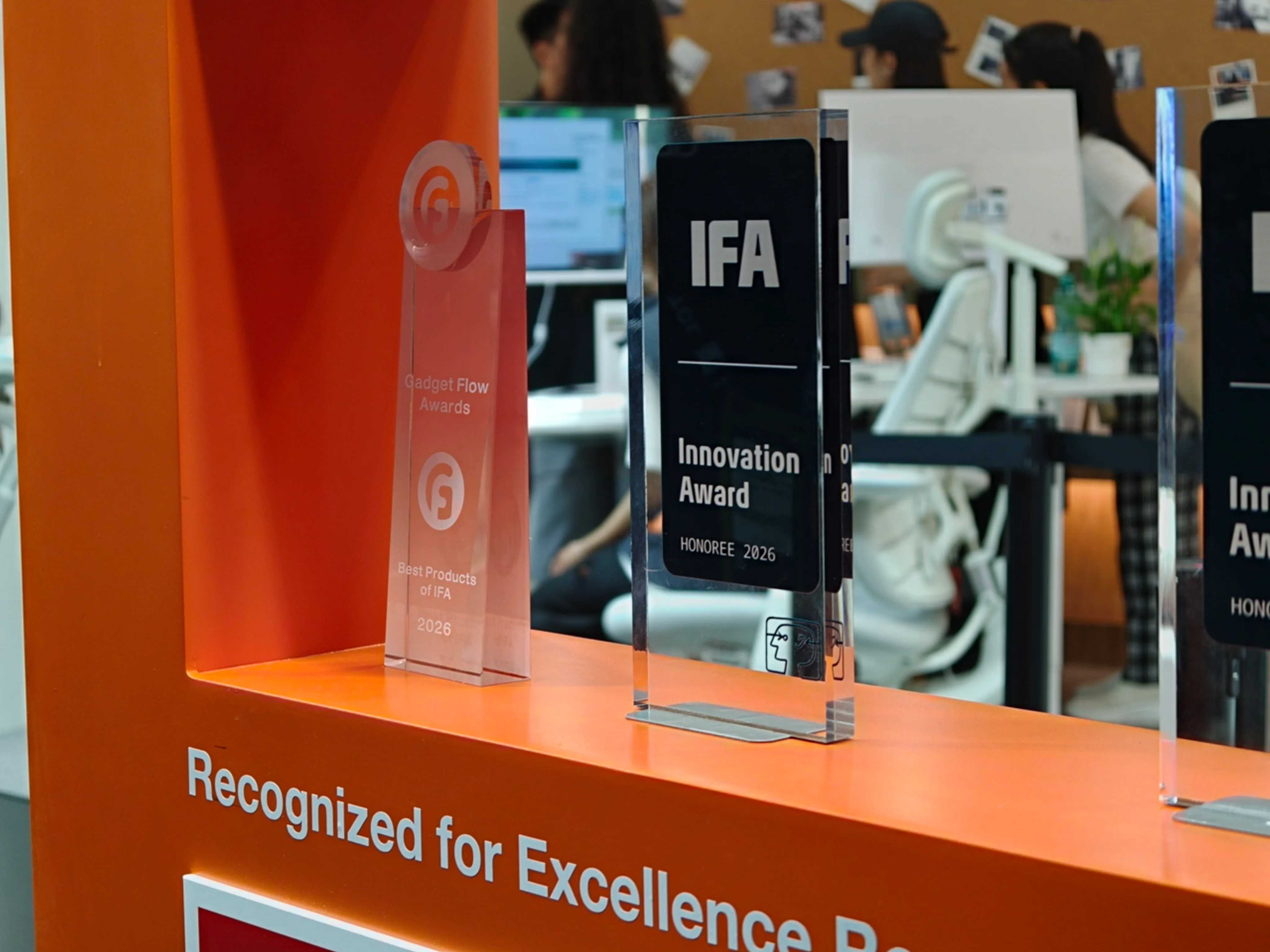
(Photograph source: LeiTech IFA Reporting Team)
In LeiTech’s view, LiberNovo exemplifies a new paradigm for Chinese ergonomic chairs entering global markets—not competing solely on conventional metrics like upholstery materials, mesh quality, or lumbar support angles, but redefining ergonomic seating through innovative technologies to solve persistent, unmet user pain points.
ARBREST: Designed for Active Sitting
ARBREST is a newcomer to IFA’s ergonomic chair section, debuting its first product, COVE—the global premiere of which also secured an IFA 2026 Innovation Award.
ARBREST positions COVE as “an ergonomic chair designed for active sitting.” What is active sitting? Simply put, rather than locking users into a fixed posture, the chair dynamically adapts to the body’s natural fluctuations throughout the day, providing responsive support whenever needed.
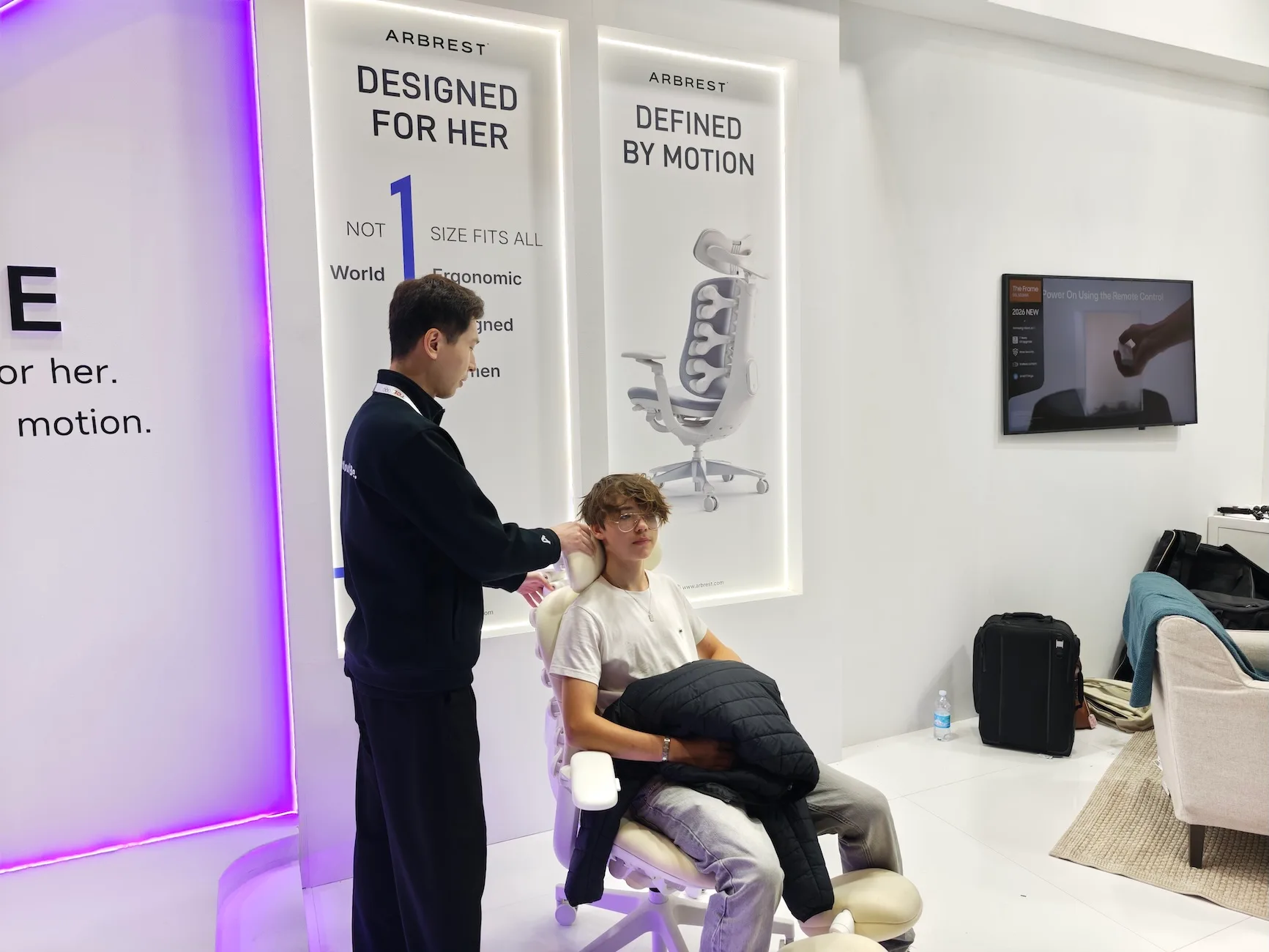
(Photograph source: LeiTech IFA Reporting Team)
At the LeiTech booth, we observed that COVE features a strikingly technical aesthetic—the structural elements of its backrest resemble human spinal vertebrae, conveying immediate visual assurance of support. We learned that seat height, seat depth, lumbar support position, armrests, headrest, and footrest are all finely adjustable—fully embodying ARBREST’s core philosophy: “one size does not fit all.”
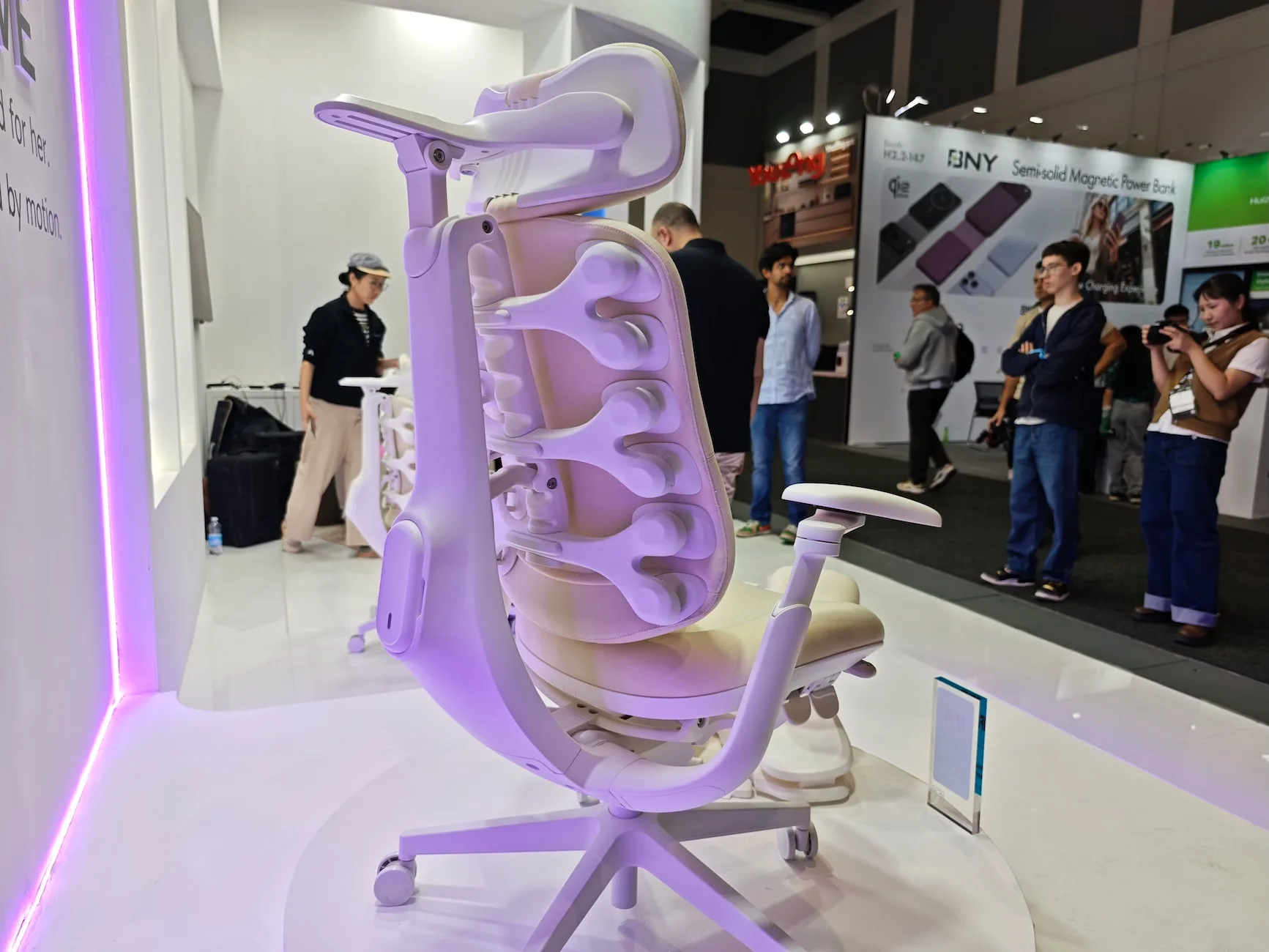
(Photograph source: LeiTech IFA Reporting Team)
ARBREST repeatedly emphasizes one demographic in its marketing: women. Traditional ergonomic chairs are predominantly designed around male anthropometrics, leaving many female users with unsupported, “floating” lower backs—leading to heightened fatigue over time. COVE directly addresses this long-overlooked fit issue.
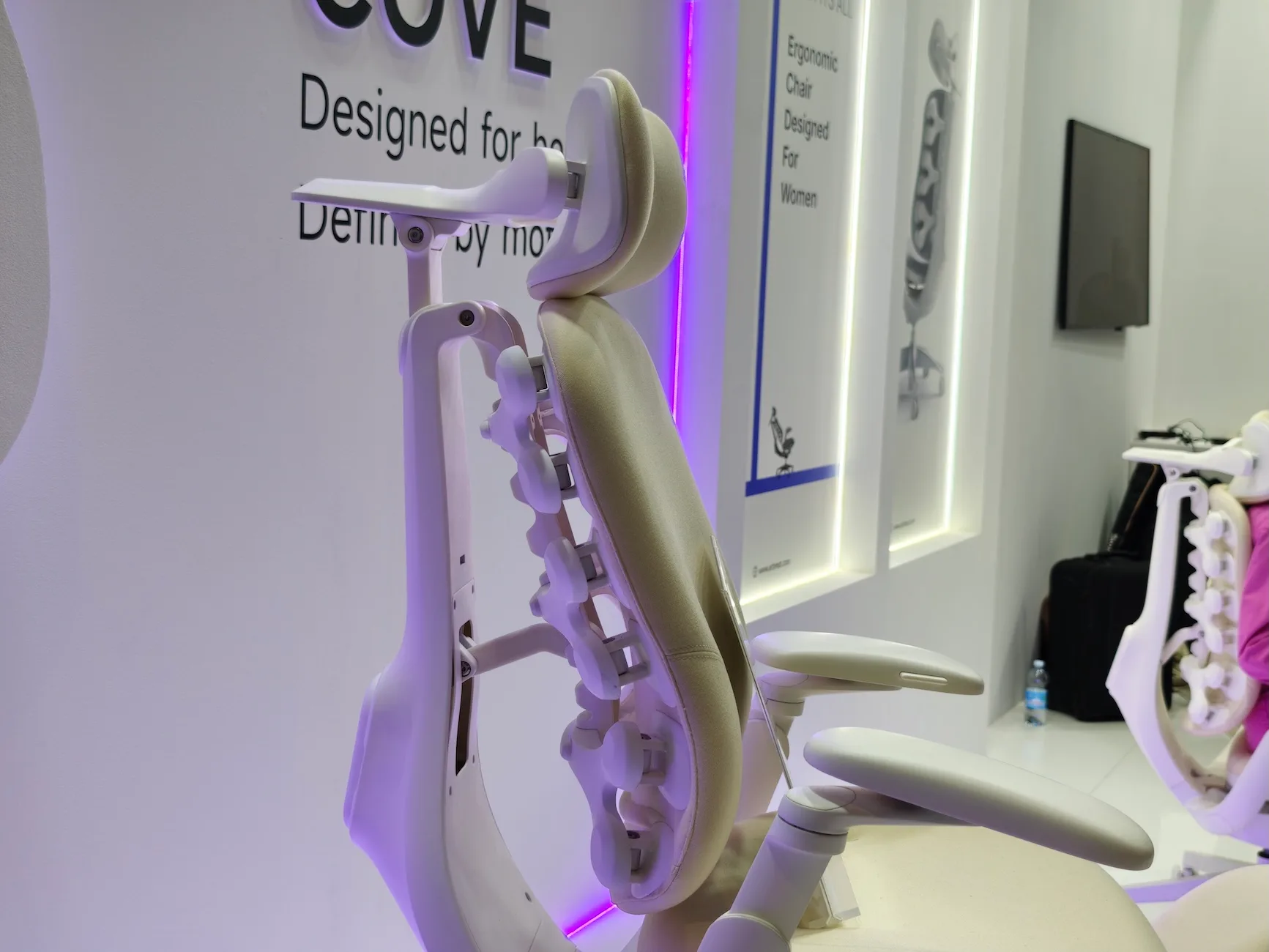
(Photograph source: LeiTech IFA Reporting Team)
Moreover, LeiTech noted that ARBREST employs strategies typical of modern direct-to-consumer brands: prior to launch, it recruited 70 participants to test COVE in real-world living and working environments for 30 consecutive days—using the collected data to refine the final product. This mirrors Xiaomi’s user co-creation ethos. COVE will soon launch its Kickstarter crowdfunding campaign, backed by commitments including free U.S. shipping, a 5-year frame warranty, and a 2-year electronic components warranty.
ANDASEAT: Traditional Gaming Chairs Turn Up the Color Game
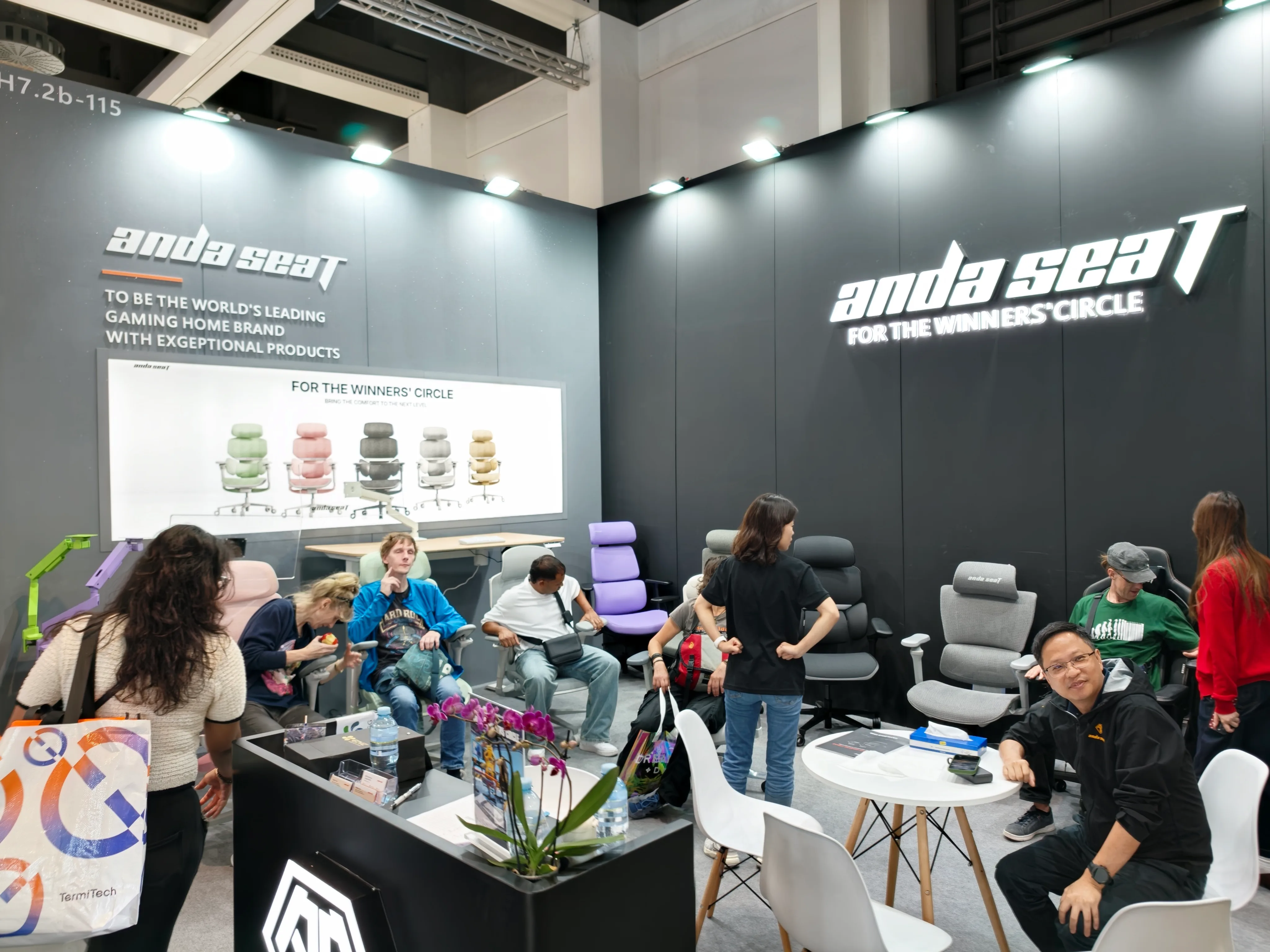
Compared to the previous two brands, ANDASEAT’s booth felt notably more “traditional.” Our walkthrough yielded an immediate impression: products skew toward entry-level, with primary appeal centered on fresh colorways. Features like motorized adjustment—now commonplace—were rarely seen across its display.
(Photograph source: LeiTech IFA Reporting Team)
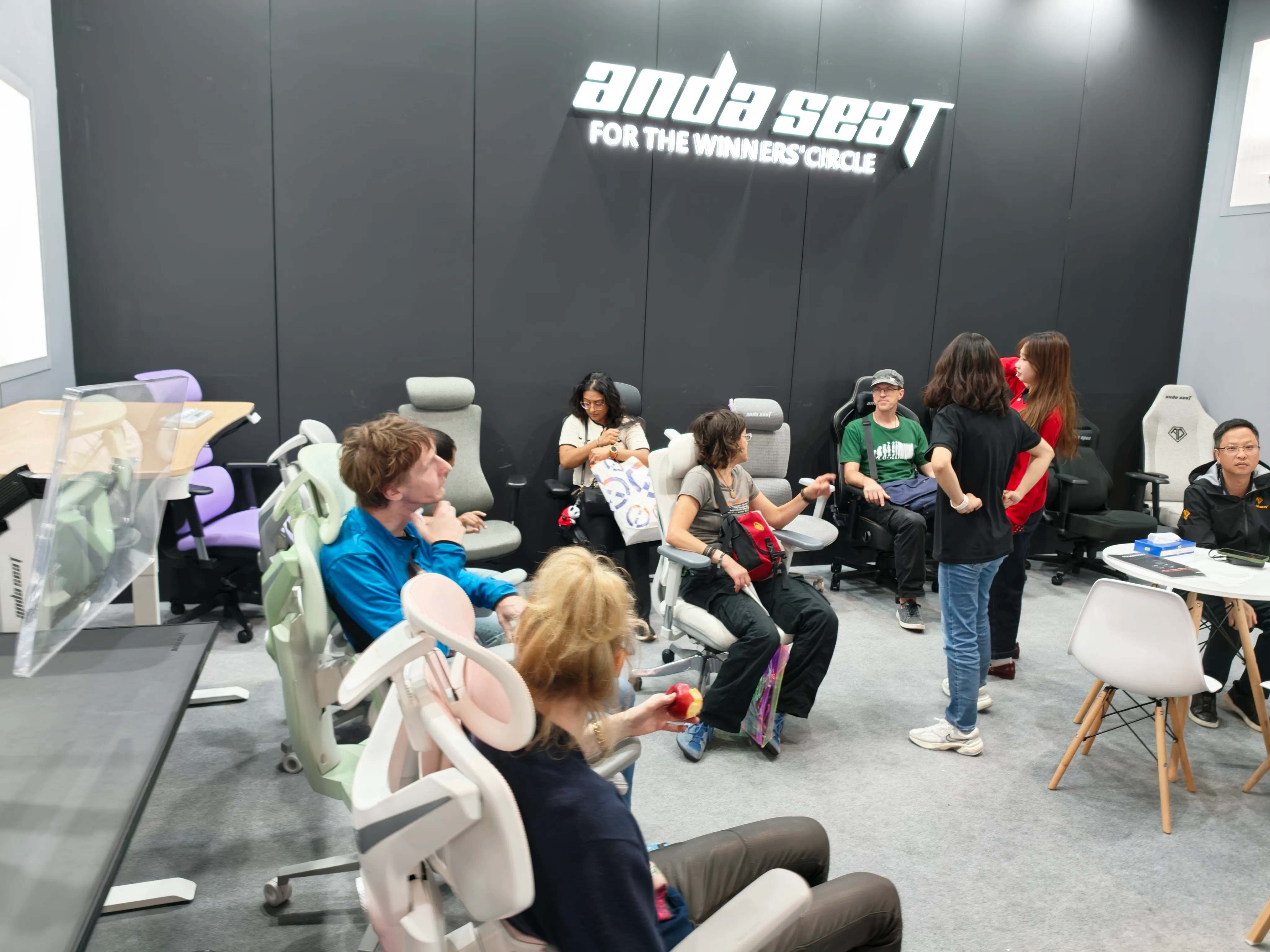
Indeed, ANDASEAT is a veteran in the gaming chair arena, enjoying strong recognition both within esports circles and among gamers. Its portfolio spans multiple series—from entry-level to flagship models. The gaming chair category experienced a surge in popularity earlier this decade, propelled by game streaming and esports events. Yet product form factors have remained largely unchanged: race-car-inspired silhouettes, plush enveloping comfort, flashy color schemes, and increasingly diverse collaborations.
(Photograph source: LeiTech IFA Reporting Team)
The challenge lies here: given gaming chairs’ user profile, aesthetics and “faith-based appeal” remain paramount purchase drivers—so manufacturers naturally prioritize color palettes and brand collabs. Yet when neighboring booths showcase dynamic support systems, motorized adjustments, and smart integrations, how compelling is “just looking cool” alone? That remains an open question.
BestQi: A Brand Portfolio Targeting Users’ Full 24-Hour Day
Among Chinese chair manufacturers exhibiting at IFA, BestQi brought one of the most expansive presences. Founded in 2020 and headquartered in Shenzhen—with an additional office in Minneapolis, USA—the company claims to serve over 60 million users worldwide, holds more than 850 patents, and has earned over 500 Amazon Best Seller badges.
Most striking is BestQi’s diversified brand portfolio:
HUANUO (Huanuo), focusing on intelligent ergonomic office and gaming solutions;
Perlegear, specializing in home AV mounting solutions;
Silonn, developing smart home appliances;
Amada, designing smart home furniture;
ErgoAV and AVF—mounting brands respectively targeting the U.S. professional and European markets.
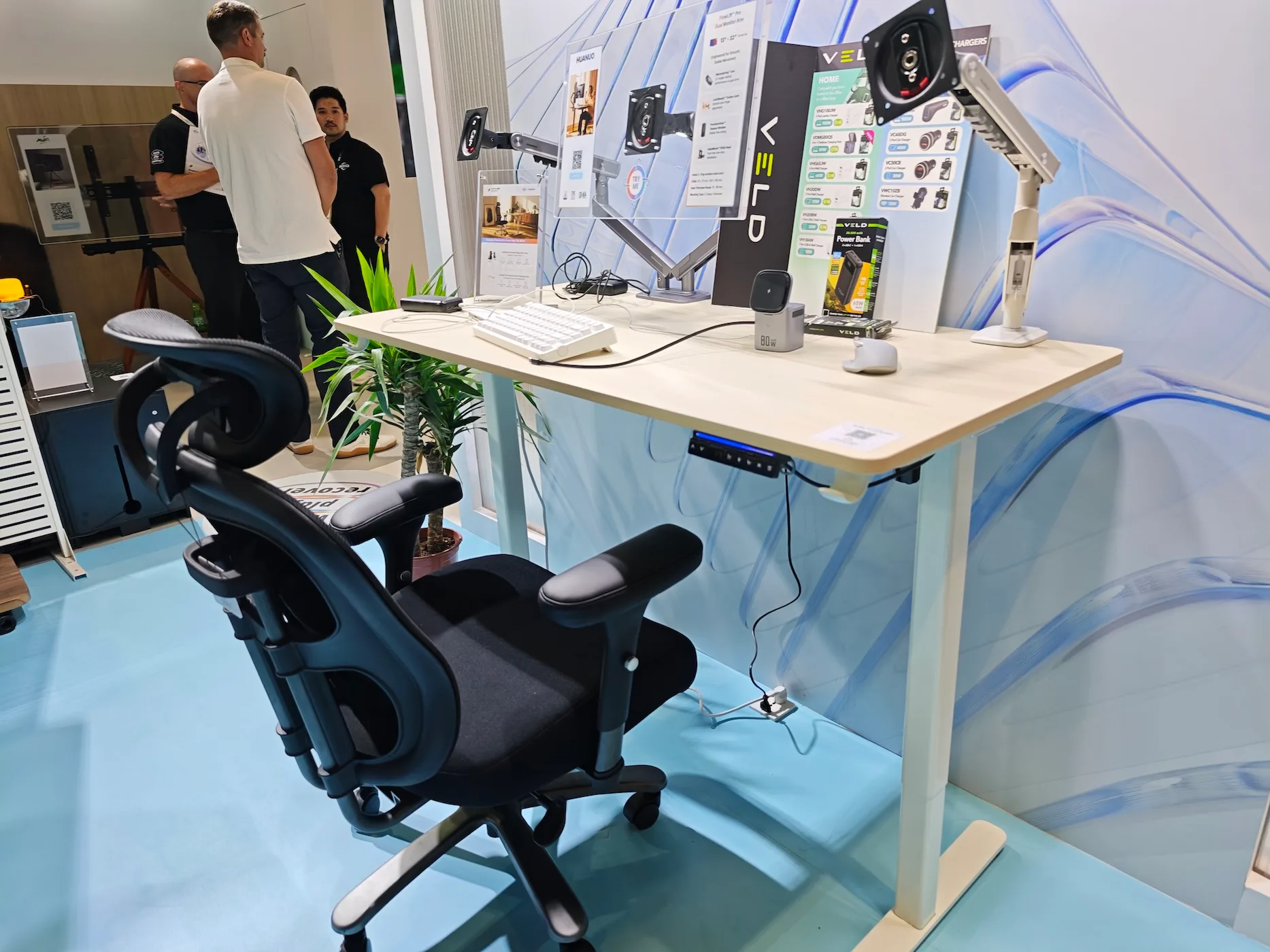
The widely recognized Huanuo monitor mounts and Huanuo ergonomic chairs are, in fact, both products under BestQi’s umbrella.
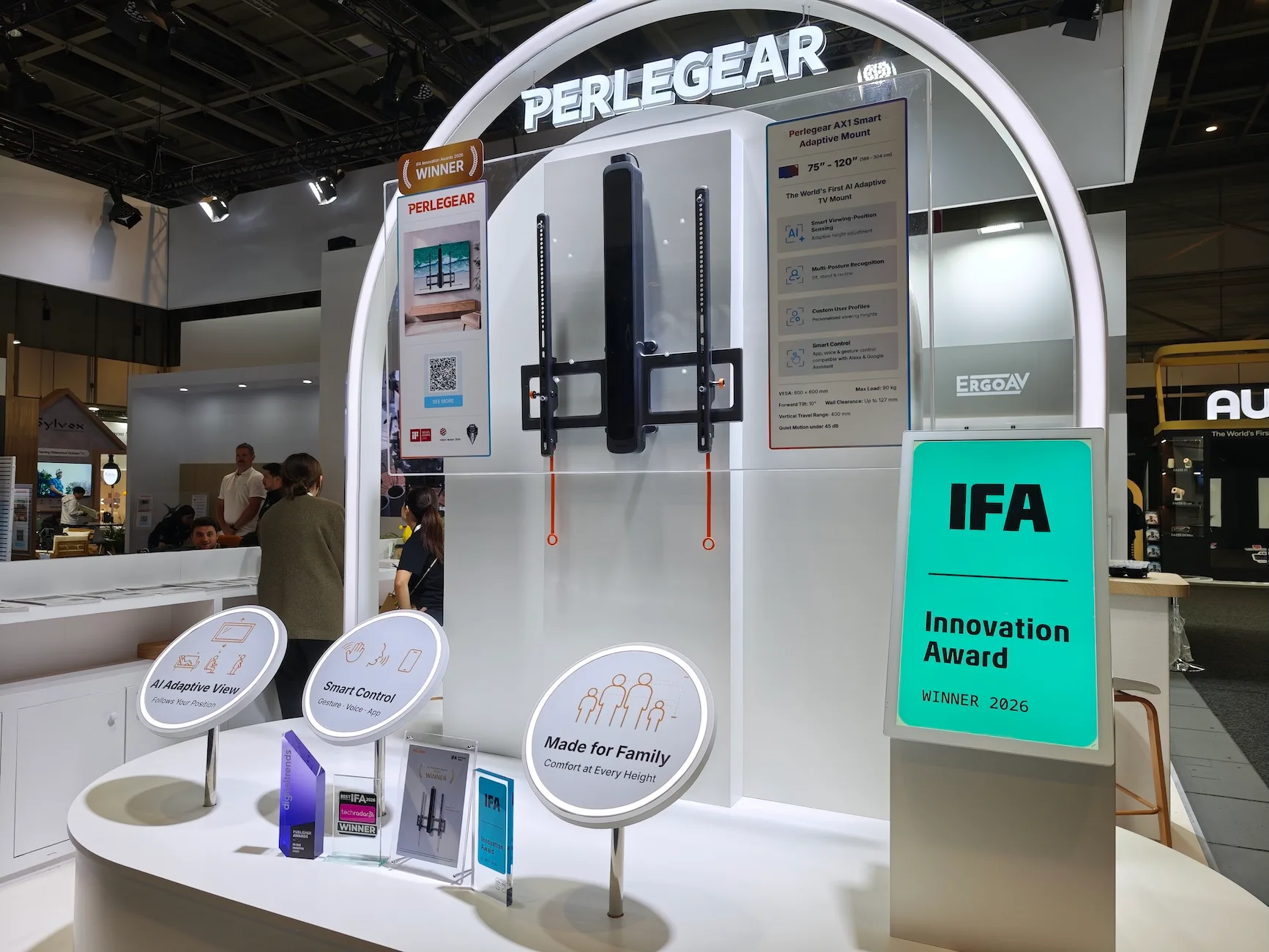
(Photograph source: LeiTech IFA Reporting Team)
This year, BestQi didn’t bring just one chair—it introduced an entire philosophy of “sitting,” branded SmartErgo 3×8: dividing the 24-hour day into three 8-hour segments—work, entertainment, and recovery. An intriguing concept, indeed.
Aligned with this framework, BestQi’s exhibition ranged from office chairs featuring 6D-adjustable armrests and AI-powered electric height-adjustable desks, all the way to zero-gravity electric recliners, smart mattresses, and four-motor bed frames. Chairs represent only one piece of the puzzle—BestQi aims to provide holistic physical support across your work, play, and sleep routines.
(Photograph source: LeiTech IFA Reporting Team)
Lumi Legend: The Unassuming Specialist from AV Mounts
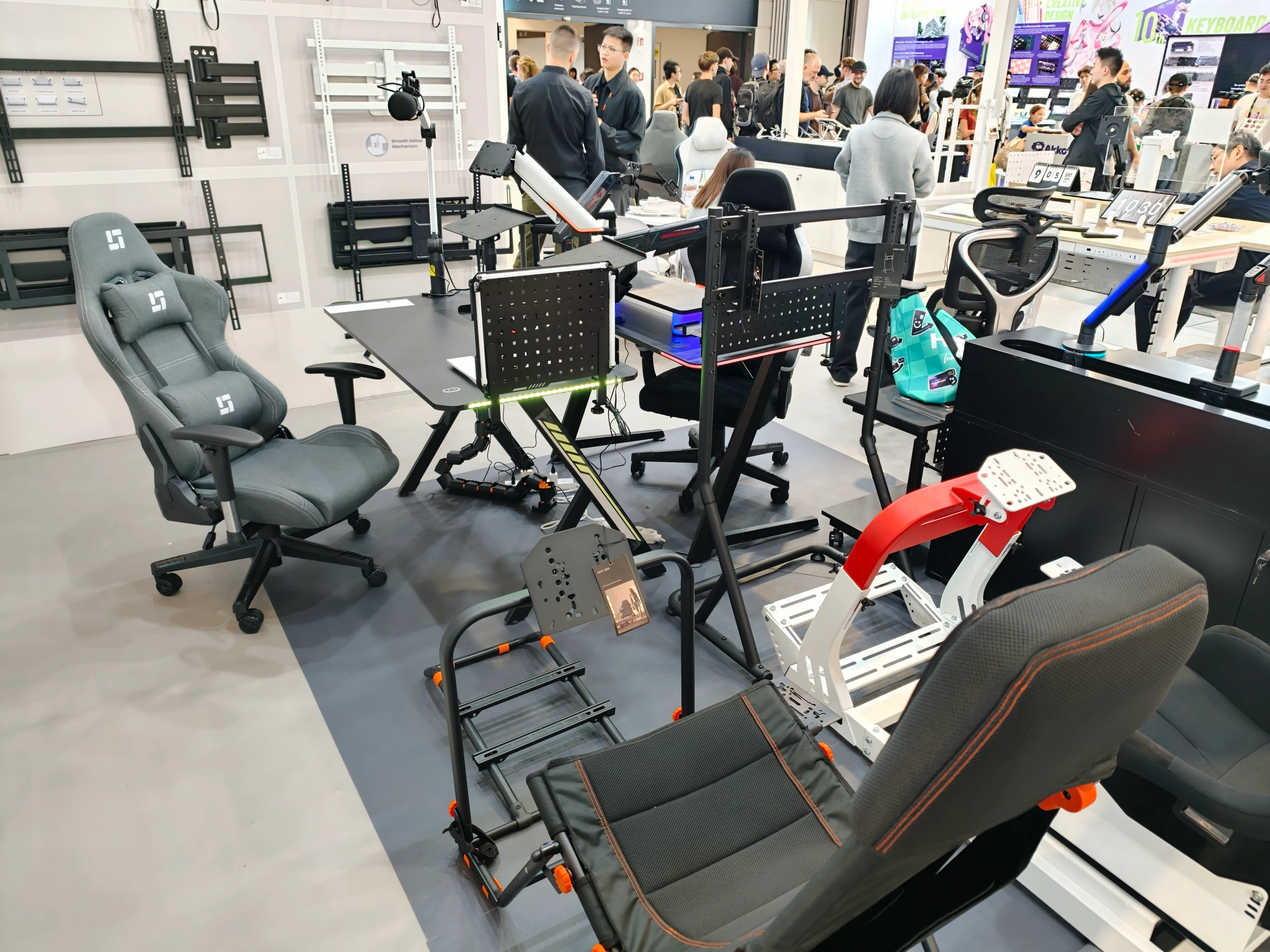
Lumi Legend Group is a company many may not recognize by name—but chances are high you’ve used one of its products. Founded in Ningbo in 2005, the group initially specialized in AV mounting solutions: TV wall mounts, monitor stands, and similar items. These products have enjoyed sustained success in overseas markets for years—making Lumi Legend a textbook example of a quietly prosperous Chinese export enterprise.
After two decades of growth, Lumi Legend Group now comprises multiple subsidiaries: Lumi Legend, handling mounts and ergonomic products; Ergovida, focused on incubating ergonomic brands; Solent, dedicated to gaming desks and chairs; plus several others spanning audio and industrial design—covering the full “support ecosystem” from TV walls to office desks.
(Photograph source: LeiTech IFA Reporting Team)
For Lumi Legend, expanding from mounts to ergonomic chairs represents a natural evolution. The underlying competencies are shared: deep expertise in ergonomics, mastery of overseas distribution channels, and meeting Western consumers’ exacting standards for “simple installation and reliable quality.” By bringing ergonomic products to IFA, Lumi Legend has a clear objective—to signal to European and global markets that it excels in ergonomic chair design and manufacturing as well.
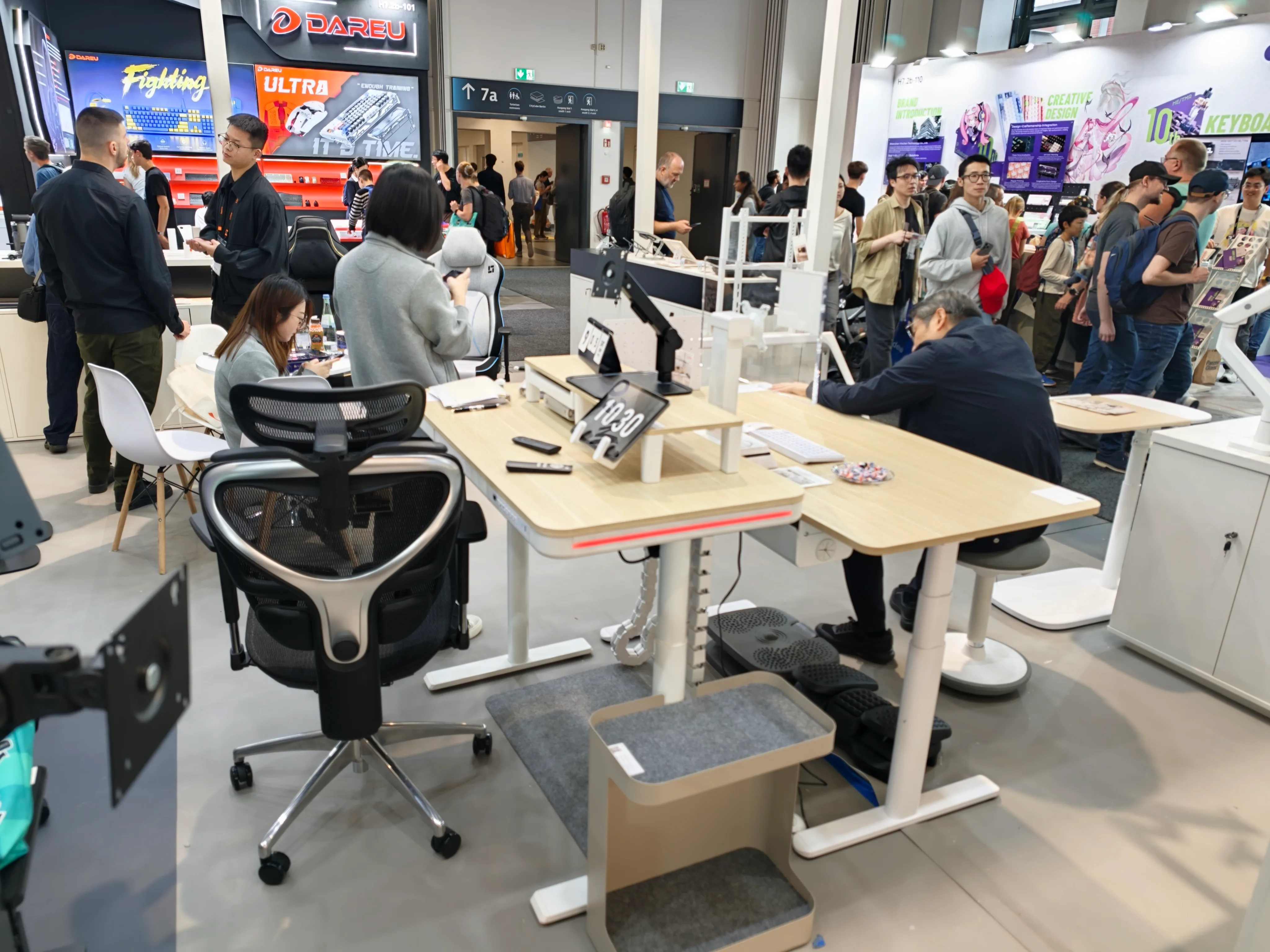
At IFA, Lumi Legend occupied a modest footprint—but made a substantial impact. Its on-site office setup felt authentically realistic: desk, screen, and chair assembled together, evoking the atmosphere of an actual compact workstation. Beyond ergonomic chairs, Lumi Legend showcased monitor arms and TV mounts—fitting seamlessly with its heritage in support solutions.
(Photograph source: LeiTech IFA Reporting Team)
ProtoArc: Selling Chairs—and an Entire Office Lifestyle
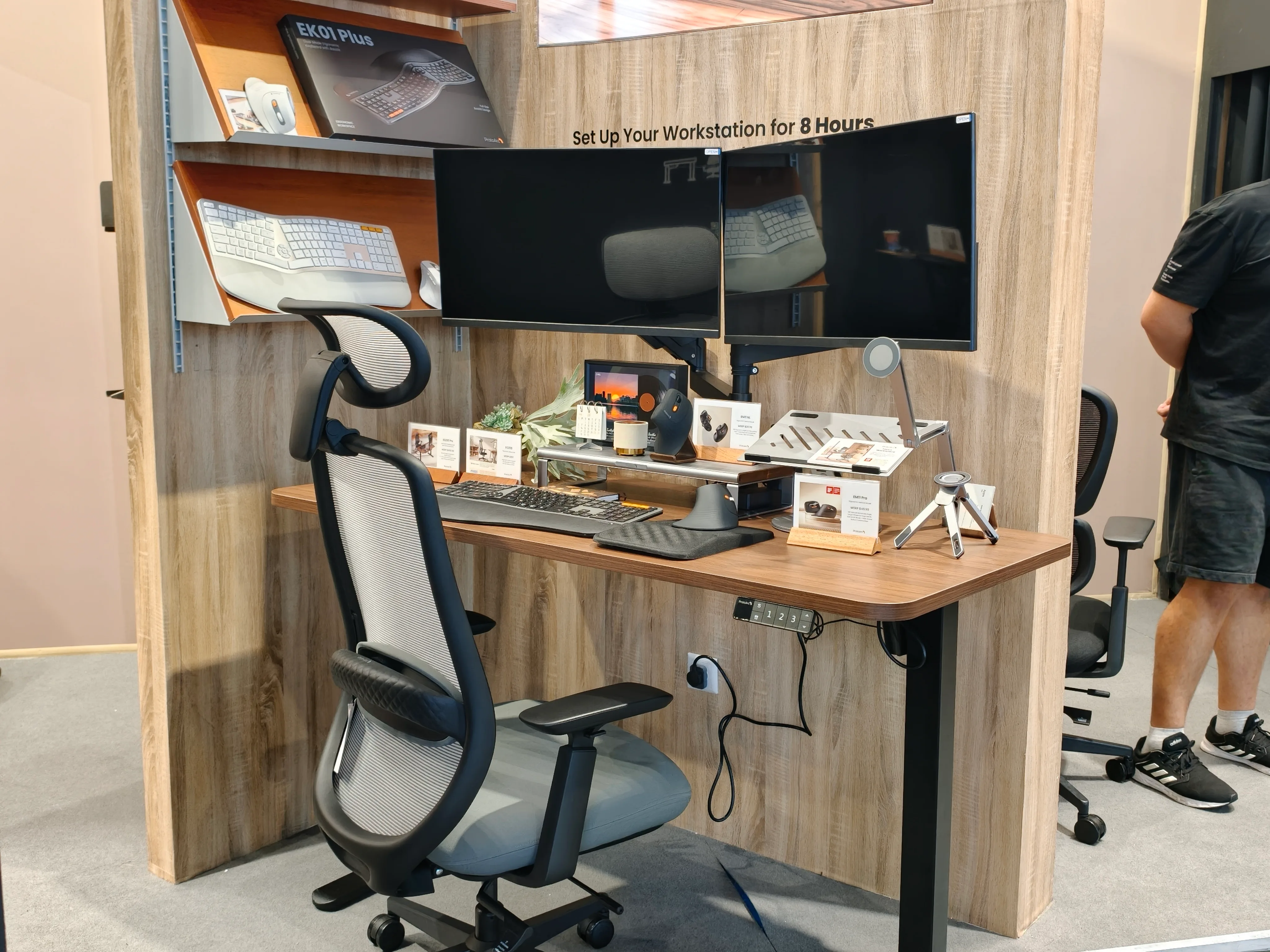
ProtoArc’s booth delivered an exceptionally information-rich experience. It transcended the narrow confines of ergonomic chairs, presenting a complete workplace solution: height-adjustable desks, monitor arms, ergonomic chairs—and even a stationary bike desk enabling simultaneous cycling and working. A corner of the booth featured coffee makers and travel accessories.
Don’t mistake this for a general merchandise store. The coffee maker is from Maestri House—a lifestyle brand under ProtoArc’s own umbrella. Founded in 2021, ProtoArc began with desktop peripherals such as keyboards and mice, then expanded into monitor arms, height-adjustable desks, and ergonomic chairs. Today, it has brought its entire “office lifestyle” vision to IFA.
(Photograph source: LeiTech IFA Reporting Team)
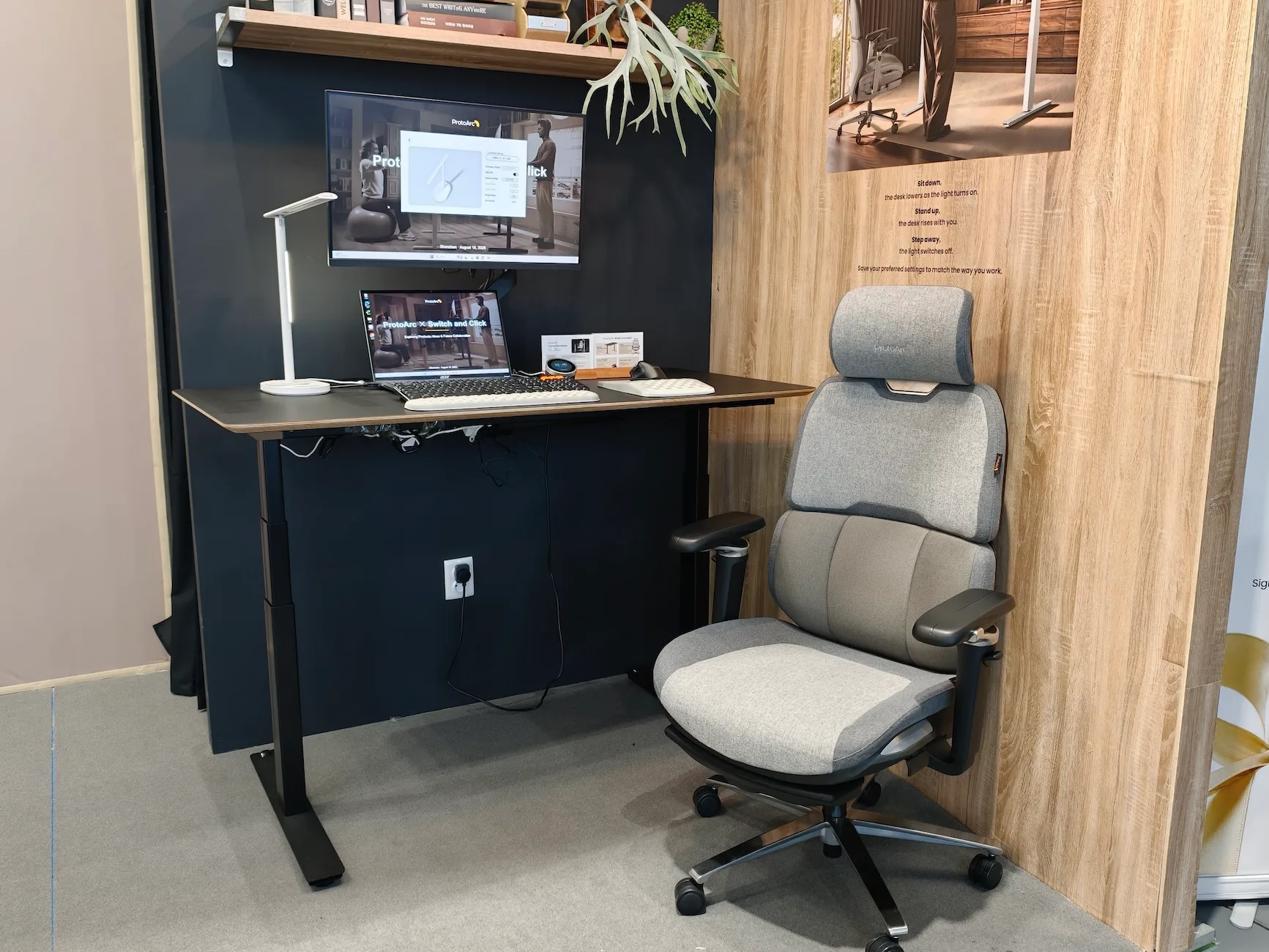
ProtoArc demonstrated an integrated smart office space solution: when a user sits down, sensors embedded in the chair trigger a cascade of automated responses—lumbar support activates, the height-adjustable desk lowers to a pre-set seated height, and task lighting adjusts to optimal brightness. When the user stands, the desk rises automatically and ambient lighting dims. All devices interconnect via Bluetooth—precisely the ecosystem narrative ProtoArc wants to tell: the chair is no longer a standalone piece of furniture or device, but a pivotal node within a broader intelligent office ecosystem.
(Photograph source: LeiTech IFA Reporting Team)
In our assessment, this “ecosystem-driven” approach likely signals one key direction for the future evolution of ergonomic chairs—and ProtoArc appears to be charting early success. Its booth also prioritized interactive engagement: scanning a QR code to complete a brief survey earned visitors a small gift, while those opting for deeper interaction could apply to join ProtoArc’s user research panel—gaining early access to beta testing for unreleased products, effectively cultivating a community of core advocates.
Chinese Chairs Go Global—Offline Presence Becomes the Critical Differentiator
After touring the ergonomic chair exhibition zone, it became evident: this section had become a de facto Chinese manufacturer stronghold. We sensed a powerful, collective drive among domestic ergonomic brands to go global and sell their products worldwide—an ambition easily understood, as international expansion is a natural progression for most mature Chinese brands.
First, consider the domestic market environment. Over recent years, the Chinese ergonomic chair market has undergone brutal internal competition—prices collapsed from thousands to hundreds of RMB, with successive rounds of price wars saturating market capacity. In contrast, overseas, a premium ergonomic chair from a reputable international brand routinely sells for several thousand to tens of thousands of dollars—amplifying the cost-performance advantage of Chinese chairs manyfold. Going global is thus a rational strategy to capture incremental market growth.
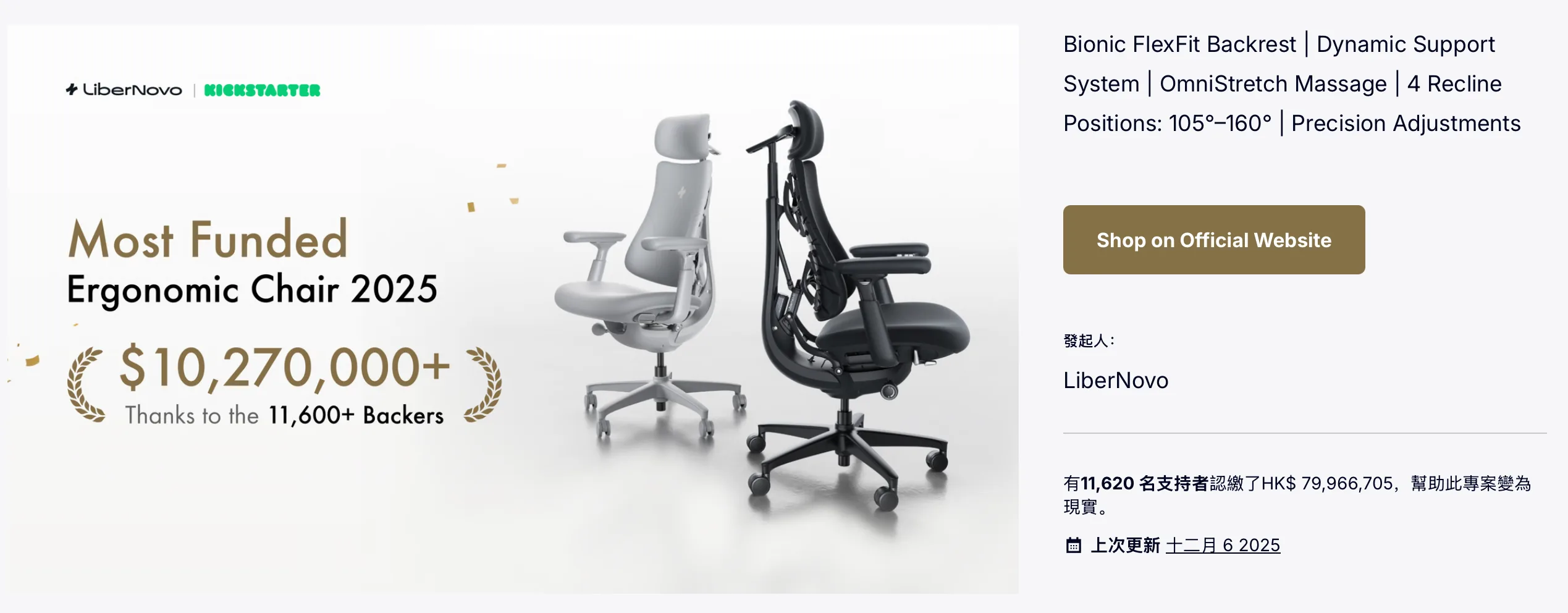
Second, supporting infrastructure for international expansion has matured significantly. Platforms including Amazon, AliExpress, Temu, Shopee, independent e-commerce sites, overseas warehouses, and crowdfunding services collectively enable large-format items like chairs to reach global customers smoothly. LiberNovo’s multimillion-dollar overseas crowdfunding success and ARBREST’s strategic debut on Kickstarter exemplify how brands leverage this robust ecosystem. Where Chinese chairs once reached global markets exclusively via OEM partnerships, today’s brands connect directly with end consumers.
(Photograph source: Kickstarter)
Additionally, the rising global trend of remote work presents massive new growth potential. Remote work has become mainstream in overseas workplaces, prompting consumers in Europe and North America to treat office chairs with the same seriousness as household furniture—and making them receptive to innovative features like smart controls and dynamic adjustment. For Chinese manufacturers, IFA is more than a sales venue—it’s a vital opportunity to engage European and global distributors and partners. Compared to fiercely contested categories like home appliances and smartphones, ergonomic chairs remain relatively underrepresented at IFA—offering first-movers a distinct competitive edge.
Yet while all these brands share the goal of internationalization, their specific approaches differ: LiberNovo pushes the frontier of “dynamic” technologies; BestQi and ProtoArc compete on integrated scenarios and ecosystems; Lumi Legend relies on supply chain excellence and channel strength; and some legacy brands remain focused on color schemes and aesthetics. Looking ahead, we anticipate rapid global growth for certain Chinese chair brands—some potentially emerging as globally recognized names—while others may fall victim to intensifying competition.
One final point deserves emphasis: unlike smartphones or headphones, chairs possess uniquely long sales cycles. Specifically, ergonomic chairs are bulky, expensive to ship, require in-person trial, and demand high levels of consumer trust in the brand. This means the first brands to establish robust overseas distribution networks and cultivate strong reputations will gain decisive first-mover advantages. For Chinese chair brands, therefore, face-to-face trade shows like IFA carry outsized strategic importance.
For everyday consumers, this intense competition—both domestic and international—is unequivocally positive. Fierce rivalry drives Chinese manufacturers to deliver superior technology and refined design to global users.
From September 4–8, the world’s largest home appliance and consumer electronics trade show—IFA 2026—is taking place in Berlin.
As the “most influential new media outlet covering IFA” acclaimed globally for its AI-focused reporting, LeiTech dispatched its largest and highest-caliber reporting team to date to Berlin. Deploying a “2+N” model—two live hosts plus multiple on-site editors and backend editors—LeiTech is delivering comprehensive, immersive, and real-time coverage of IFA 2026. Key focus areas include AI Agent integration with home appliances and hardware, robotics applications in home environments, emerging trends in digital life across people, vehicles, and homes, and Chinese brands’ global stage presence.
The LeiTech IFA 2026 Reporting Team is currently conducting intensive on-the-ground reporting in Berlin—stay tuned!