
 雷科技
雷科技




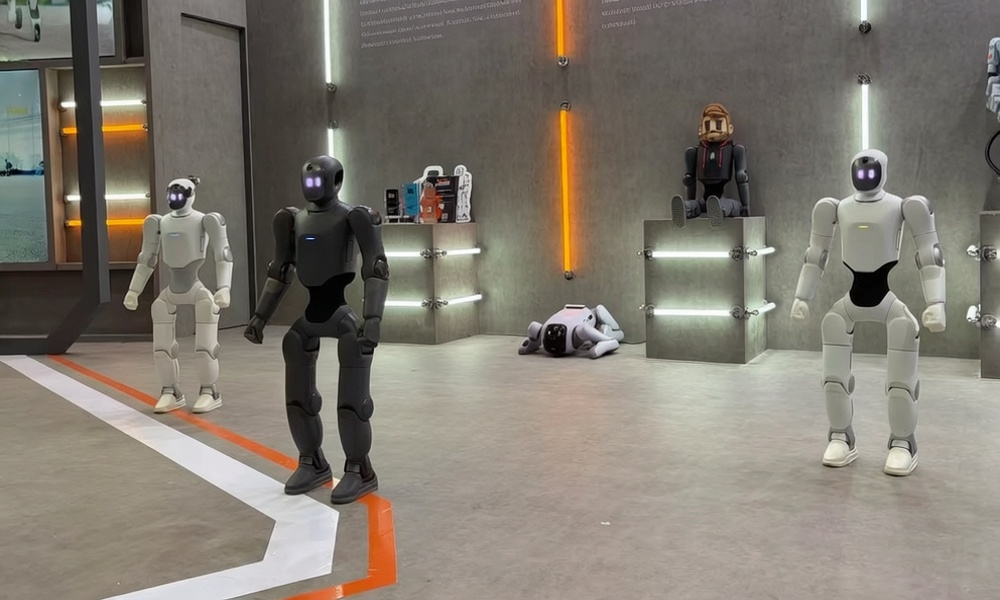


September 8 marked the final day of IFA2026 in Berlin, Germany. As one of the world’s three premier consumer electronics trade shows, this year’s IFA—open since September 4—has drawn over 1,900 exhibitors from 49 countries and regions, with an estimated attendance of more than 220,000 visitors globally. LeiTech (ID: Leitech) deployed its “LeiTech IFA26 Reporting Team” to Berlin for intensive on-site coverage, delivering real-time, multidimensional, and first-hand reporting on IFA2026.
This year’s IFA saw notable shifts among exhibitors. Historically dominated by home appliances, the show welcomed Xiaomi’s debut appearance—and its largest-ever booth covering over 3,000 square meters—featuring more than 400 products across its “Human x Car x Home” ecosystem. Prominent outdoor advertising spaces previously occupied by brands like Dreame, Haier, Midea, and TCL now prominently feature Xiaomi’s “Human x Car x Home” campaign.
Beyond brand changes, robotics emerged as a major new category of exhibitors. The IFA Next innovation zone (Hall H25) was almost entirely dedicated to robotics companies—including Unitree, Zhiyuan, Qiyuan, Magic Atom, Xuanji Dynamics, and others—where various robots and quadruped robots roamed freely. Booths featuring “boxing demonstrations” consistently drew large crowds. IFA even hosted a special event titled “Robots on the Runway” on Day 2 of the show (September 5—the peak-attendance day), showcasing humanoid robots strutting down the catwalk. Last year, Hall H25 hosted around 260 exhibitors; this year, that number grew to approximately 300—with Chinese brands constituting the majority.
A robotics industry insider told LeiTech (ID: leitech) that only three Chinese robotics companies attended IFA last year: Zhiyuan, Unitree, and Magic Atom. This year, dozens participated. “Familiar brands and familiar faces were everywhere—it felt like the European chapter of the World Robot Conference (WRC). Many brands tried to register for IFA right up until the deadline, causing venue overflow. Some robotics companies had to abandon plans for standalone booths, opting instead to share space with other exhibitors—or defer participation to next year.”
Why are robotics companies so aggressively pursuing IFA in 2026? LeiTech identifies three key reasons:
First, overseas markets offer concrete robotics application scenarios. Robotics has moved beyond flashy demos—like boxing, running, or dancing—into tangible, scenario-driven deployment. Europe’s labor shortages, for instance, create strong demand for applications such as “robots in factories,” “robotic parcel sorting,” and “robot-assisted eldercare.”
Second, IFA’s strong “home” orientation aligns perfectly with the trend of robots entering households. Many widely adopted home appliances—including TVs and robotic vacuum cleaners—followed a similar path to mass adoption: concept showcases at CES → physical product debuts at IFA → distribution and consumer adoption through retail channels. Robots are now actively targeting household integration and will eventually become a new category of home appliance. Even the broader home appliance industry’s exploration of “fully autonomous household chores” relies heavily on humanoid robots. Consequently, more robotics companies are targeting domestic use cases—for example, Qiyuan aims to deliver users’ “first personal robot,” Magic Atom demonstrated robotic laundry folding, and numerous robots in Hall H25 were positioned as family pets or companions for children.
Third, global expansion strategies benefit from greater resilience in European markets. While many robotics brands have previously appeared at CES, the U.S. market remains uncertain due to trade tensions. In contrast, Europe offers a more open and resilient environment—prompting numerous robotics brands to prioritize it for international expansion.
So what exactly did this wave of Chinese robotics brands bring to IFA? Here’s LeiTech’s roundup.
Unitree Dominates Traffic with Boxing & Performances—Foreign Visitors Flock to Watch
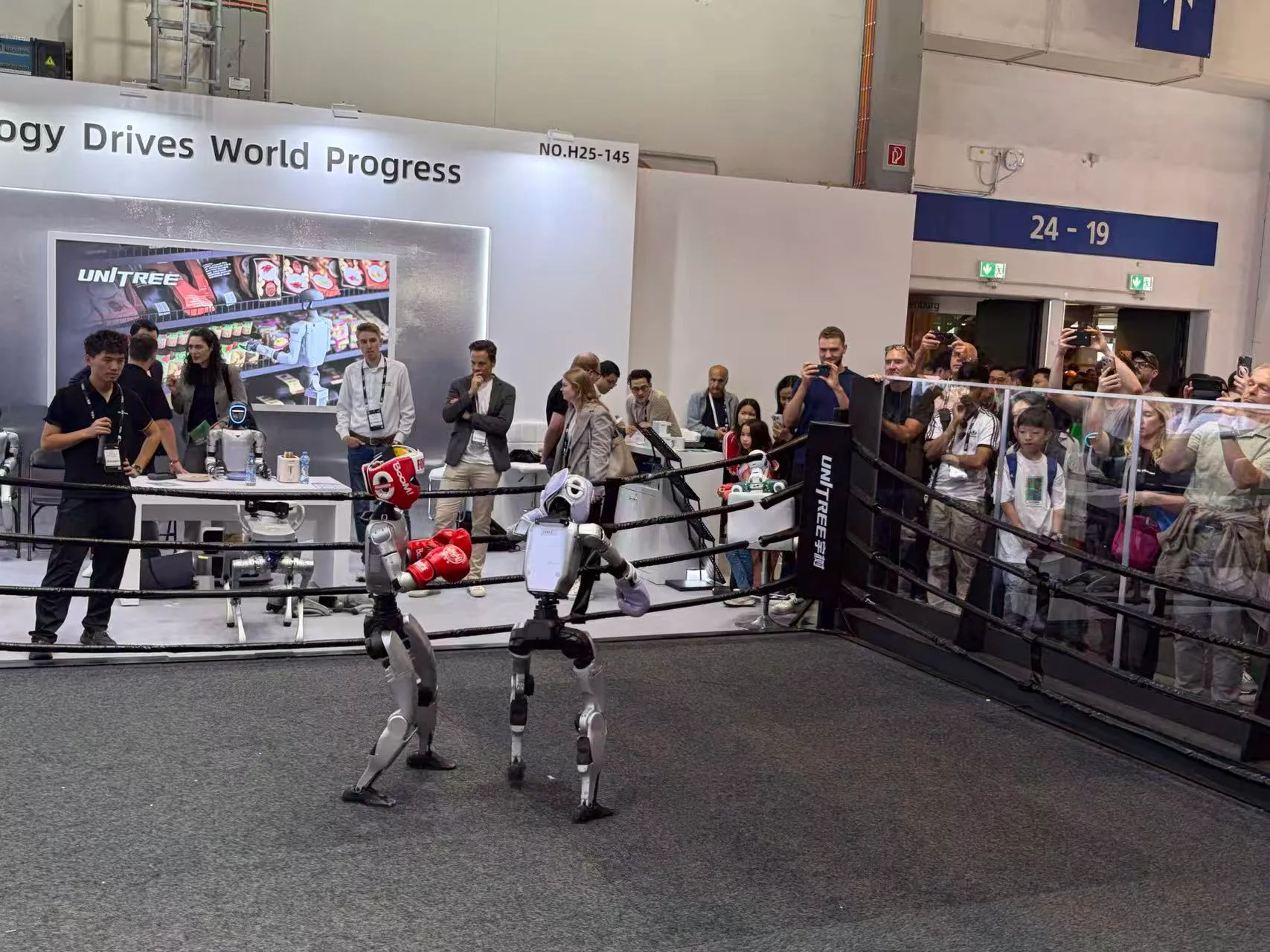
At Unitree’s booth, we saw the familiar boxing ring—and several robots sparring. Frankly, such performances have become commonplace at domestic events and exhibitions. Yet overseas, these displays remain highly popular: crowds gathered around the ring all day long, filming and spectating with genuine curiosity.
(Photograph source: LeiTech IFA Reporting Team)
These robots are typically operated remotely by staff—still far from fully autonomous systems as commonly imagined. For mainstream consumers, truly household-ready robots must possess robust Agent capabilities enabling independent decision-making.
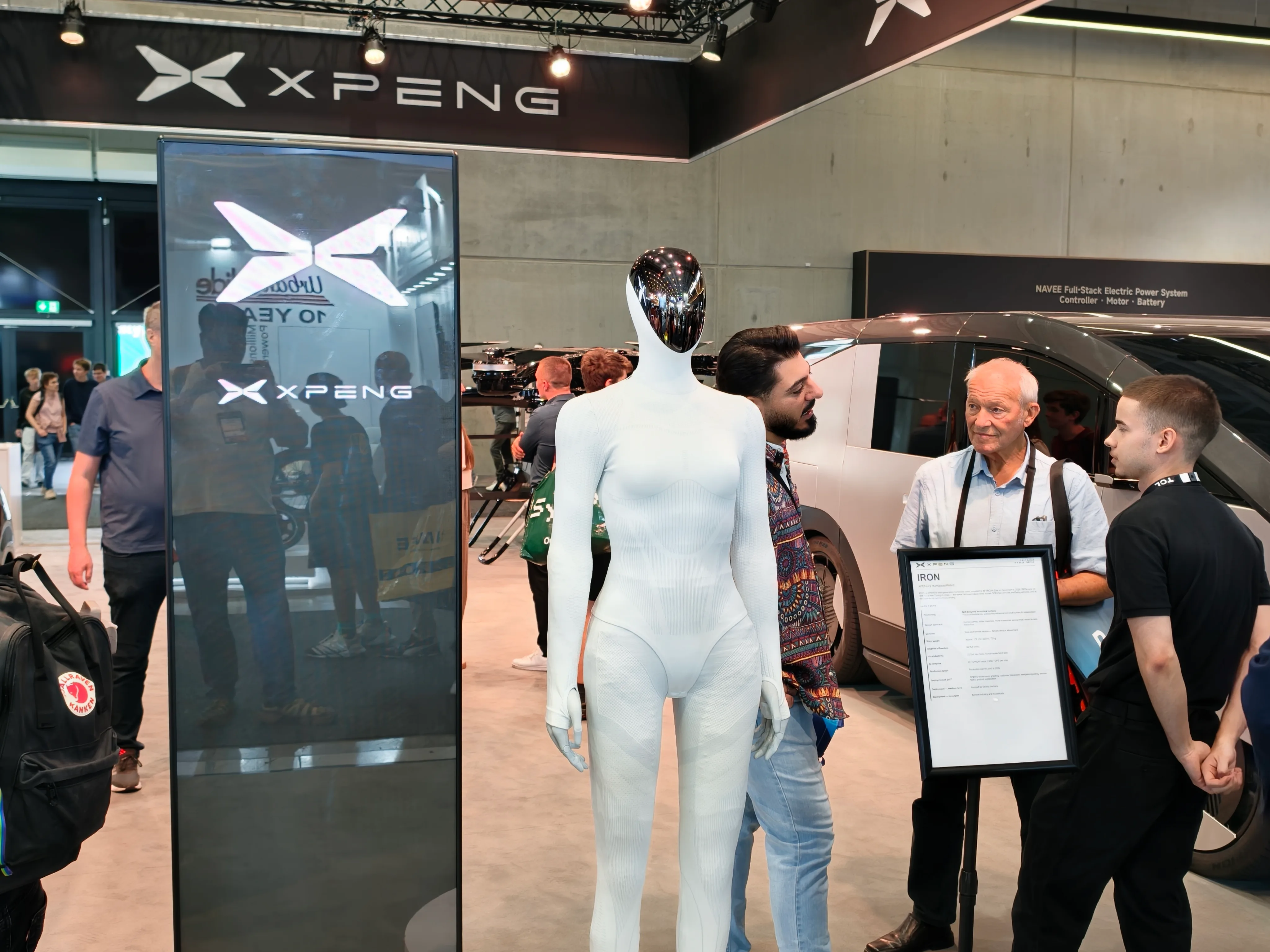
Hence, He Xiaopeng emphasized on Weibo that his team is building robots designed to operate without remote controllers. At XPeng’s booth, we saw the IRON humanoid robot—a highly anthropomorphic platform equipped with powerful computing capabilities, supporting continuous dialogue, stable bipedal locomotion, and complex environmental interaction. Currently, XPeng IRON targets B2B applications, including roles as in-store sales assistants, tour guides, and inspection agents across XPeng’s offline retail network. However, IRON is scheduled for mass production by year-end and may soon enter homes to provide emotional companionship and other functions.
(Photograph source: LeiTech IFA Reporting Team)
Qiyuan Advances Iteratively—Aiming to Be “Your First Personal Robot”
Qiyuan’s debut at IFA showcased compelling technology and product philosophy.
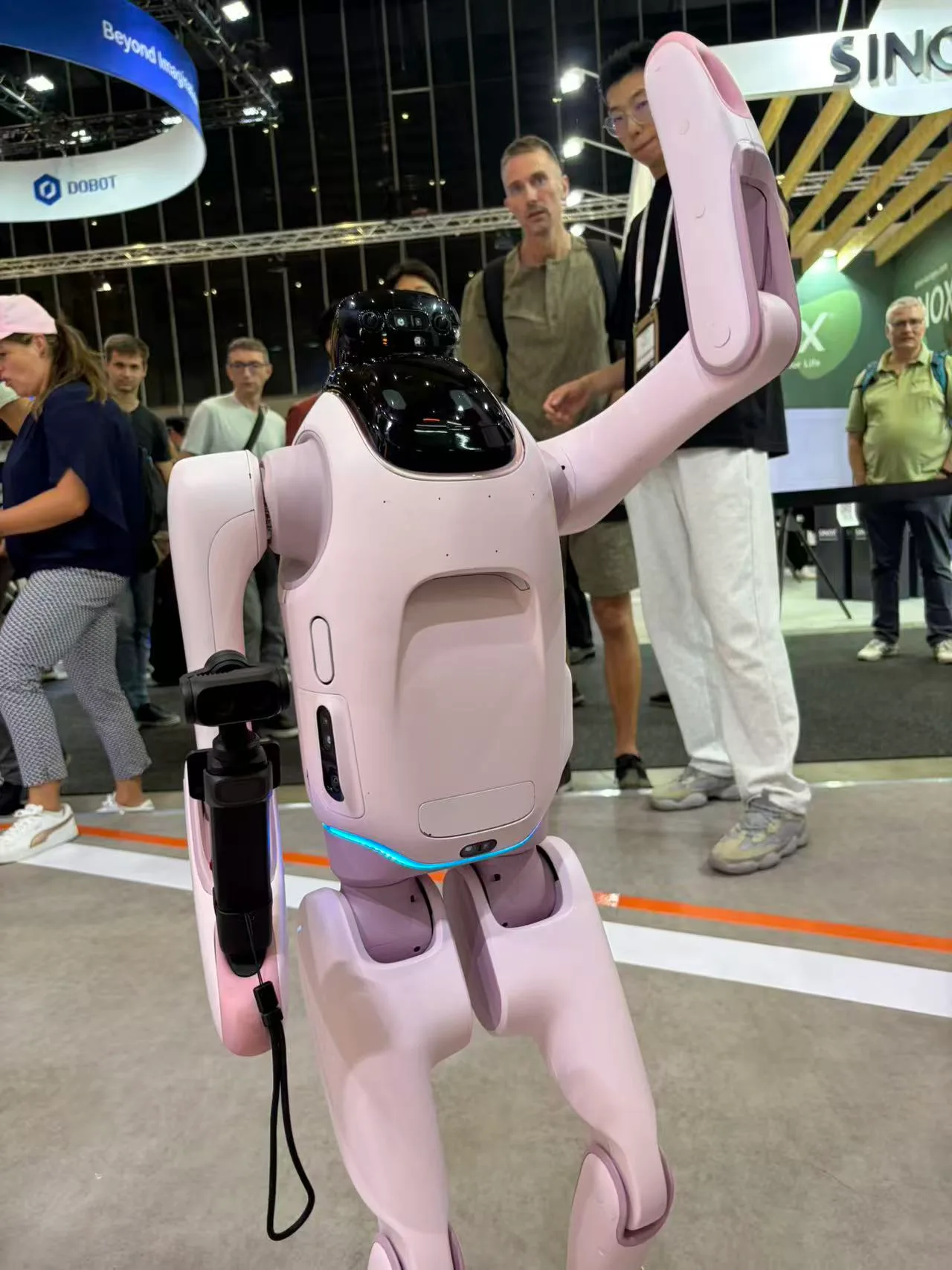
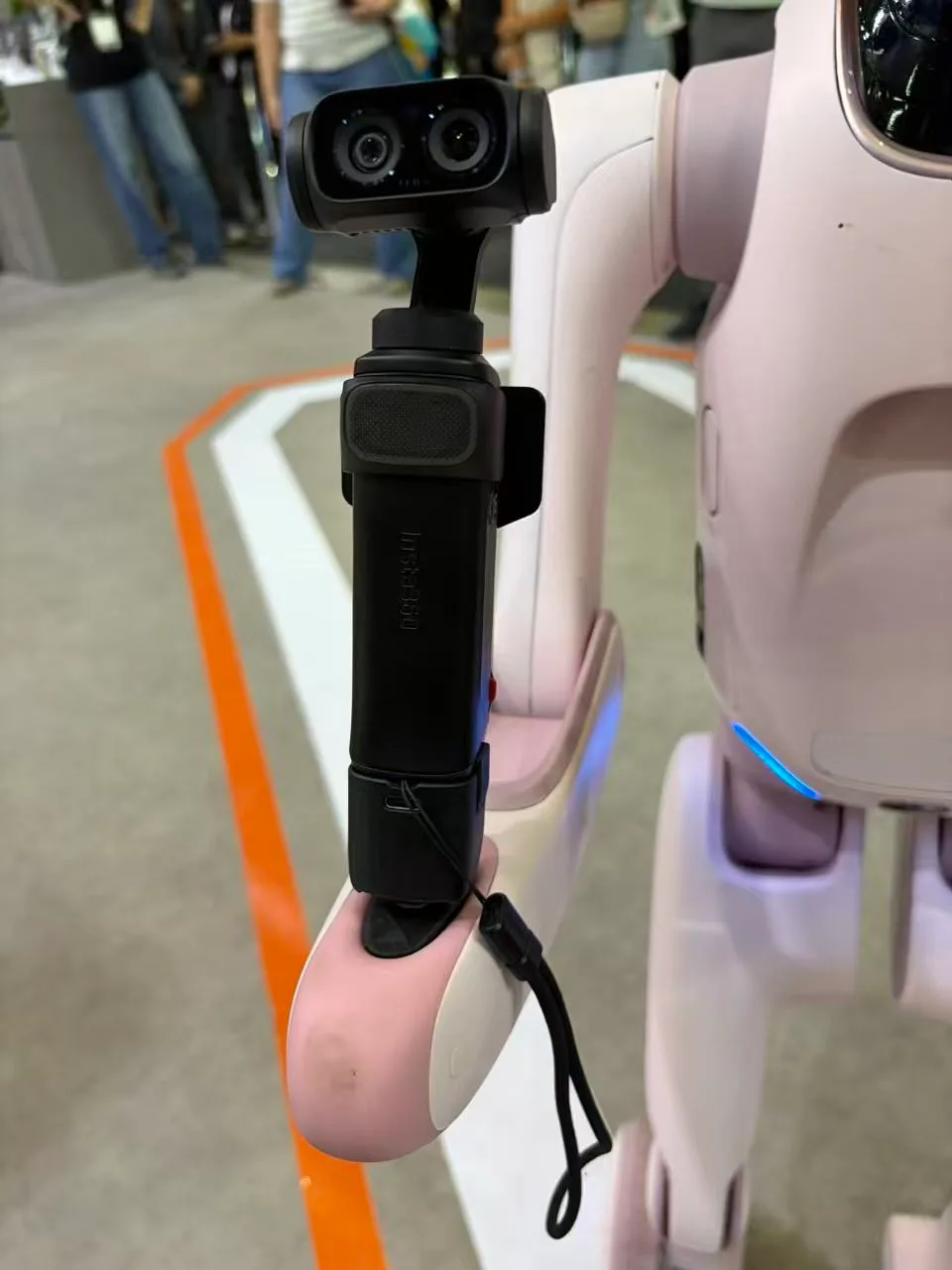
First, it collaborated with Insta360 to develop a robot explicitly designed for photography. Its dual arms are precisely sized to grip Insta360 handheld cameras—enabling human-like tracking shots and automated camera movements. For instance, users can simply command it to execute a Hitchcock dolly zoom. Beyond holding cameras, it can also carry other photography gear—including Insta360 selfie sticks and panoramic cameras.
(Photograph source: LeiTech IFA Reporting Team)
In essence, this robot transforms into a professional photographer—capturing angles and executing techniques beyond most users’ abilities. Unlike “Robot Phone”-style devices, it operates independently without human assistance and offers flexible, drone-like “god’s-eye view” perspectives—not fixed viewpoints.
While Qiyuan’s photography robot still delivers an imperfect user experience today, its future potential is substantial. Imagine deploying it in professional film and TV production: it would dramatically boost efficiency and reduce costs. And if its price becomes accessible, it could be invaluable to everyday users—enabling them to capture high-quality photos outdoors without hiring professionals or relying on friends and family with limited skills. From this perspective, photography robots are ideal candidates for household assistants.
(Photograph source: LeiTech IFA Reporting Team)
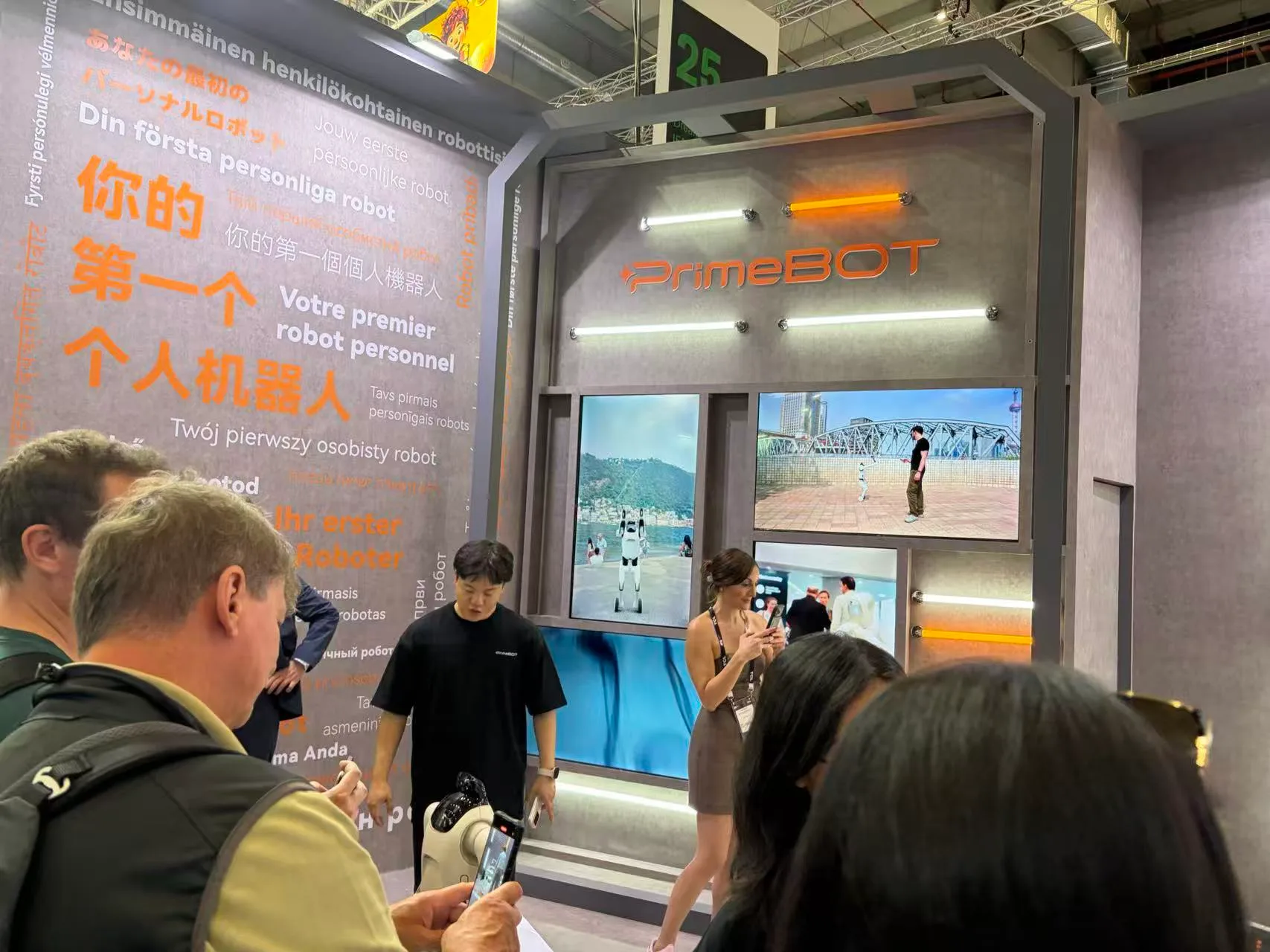
Second, focusing squarely on the “entering homes” use case, Qiyuan introduced the concept of “your first personal robot.” This signals Qiyuan’s acute awareness of the untapped potential in personal and household robotics markets. Successful household integration hinges on solving real-life problems for users. Daily challenges vary widely—from household chores to conversation and companionship—and Qiyuan’s showcased photography robot qualifies just as much as any other. Today, “household robot” remains loosely defined, and user preferences will continue evolving through ongoing market exploration and brand innovation.
(Photograph source: LeiTech IFA Reporting Team)
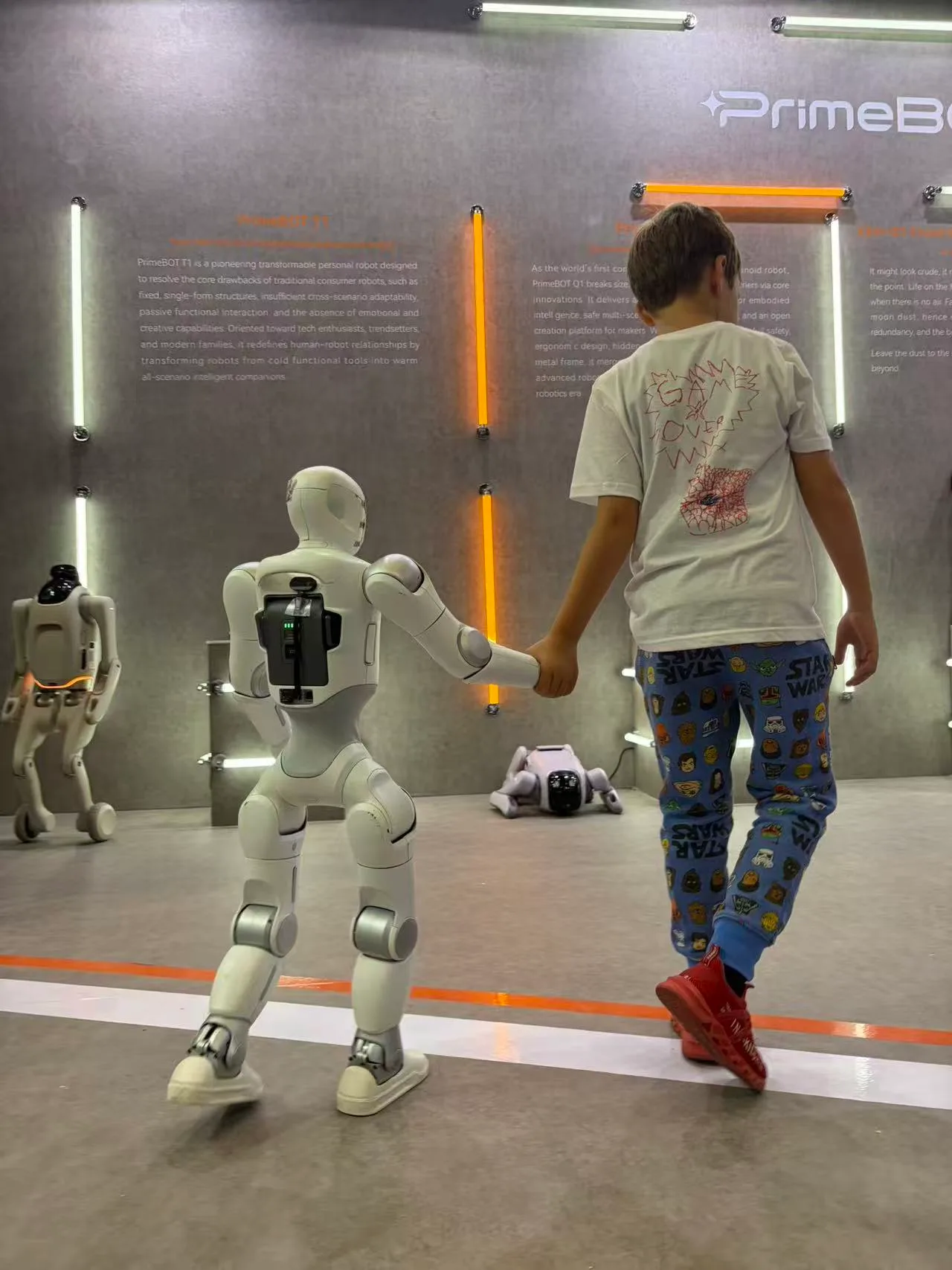
Additionally, Qiyuan’s robot features a proprietary technology called “compliant force control,” enabling it to sense and respond to user-applied traction forces. Users can easily guide it while walking, turning, or reversing—because the robot interprets directional force cues rather than requiring manual remote operation (as with some less-responsive models). This capability significantly enhances adaptability for household use, allowing effortless repositioning—unlike robots requiring physical relocation.
(Photograph source: LeiTech IFA Reporting Team)
Hangmo Unveils the World’s First Vision-Based AI-Powered Exoskeleton—A Practical “Robot” That Perceives Its Environment
Robotics globalization doesn’t mean only humanoid robots going abroad—exoskeletons represent another significant frontier. LeiTech has covered this topic separately; reply “IFA” on LeiTech to access our dedicated report.
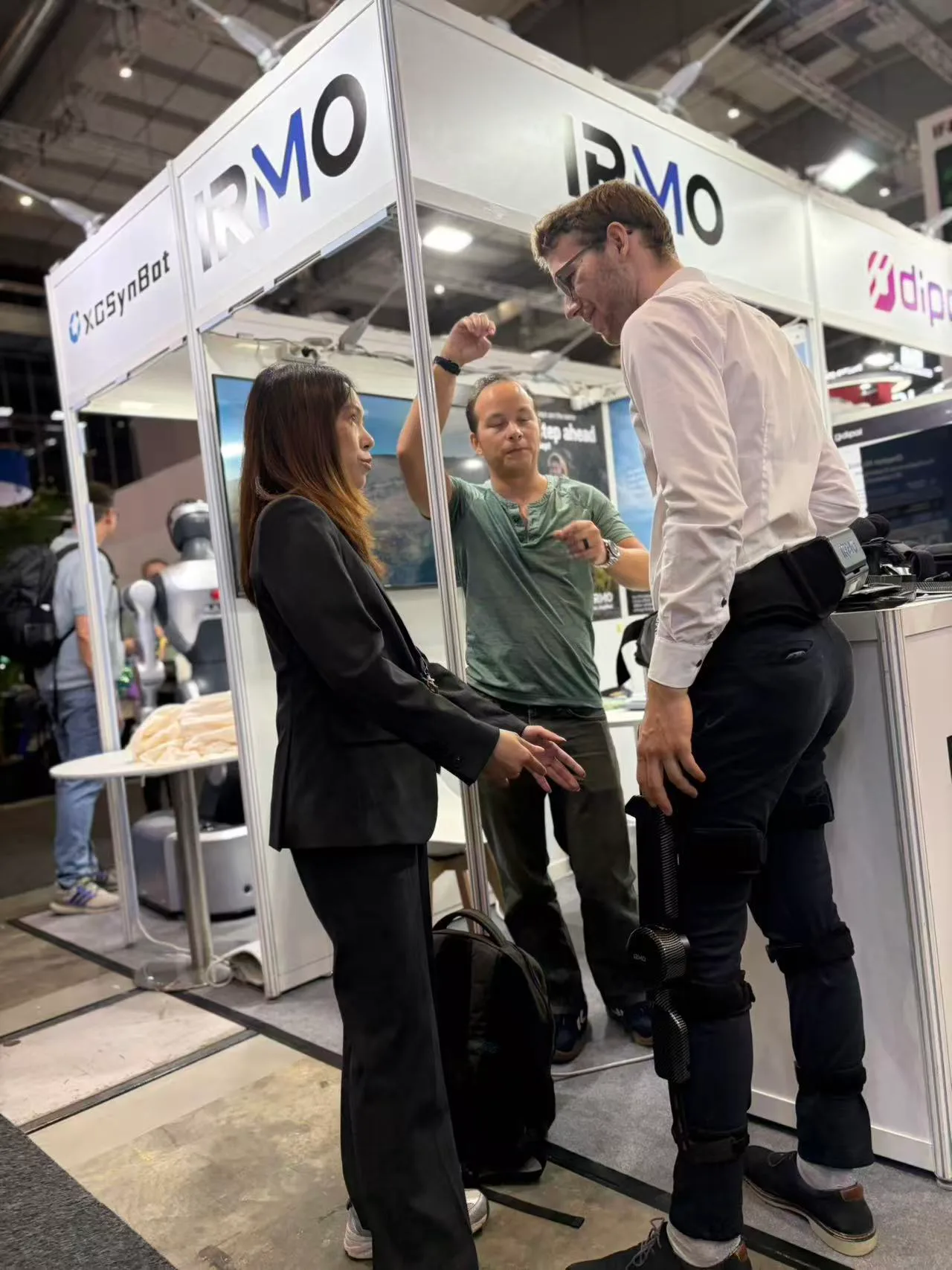
Take Hangmo as an example: while most manufacturers crowded Hall H25 showcasing humanoid platforms, Hangmo debuted its IRMO M1 Ultra—the world’s first AI vision-enabled exoskeleton. Though not a conventional robot, it falls within the embodied intelligence domain. Leveraging intelligent power compensation and compliant joint coordination, it delivers up to 45% knee-joint assistance during uphill/downhill movement, heavy-load carrying, and long-distance walking—reducing motion impact by up to 60%. The core function of exoskeletons is augmenting human mobility—making them essentially a “power-up” that makes walking easier at home.
(Photograph source: LeiTech IFA Reporting Team)
Xiaomi’s Humanoid Robot Makes Overseas Debut—The Era of “Human x Car x Home 2.0” Begins
This marks Xiaomi’s inaugural participation in IFA, with a 3,300+ square-meter booth displaying over 380 products—including the CyberOne humanoid robot’s overseas premiere. According to official disclosures, its on-site interactions are powered by large language models, utilizing a hierarchical “brain + cerebellum” control architecture: the brain handles decision-making, while the cerebellum executes motor commands.
CyberOne has already entered factory settings domestically, achieving a 98% success rate in assembly-line operations. Although currently categorized as a B2B robot, its capabilities translate seamlessly to household applications.
First, its built-in large model enables natural conversational interaction, and its non-threatening appearance positions it well for emotional companionship tasks. Second, proven industrial performance demonstrates exceptional dexterity in its hands—meaning, with appropriate guidance and upgrades, it can readily handle domestic chores.
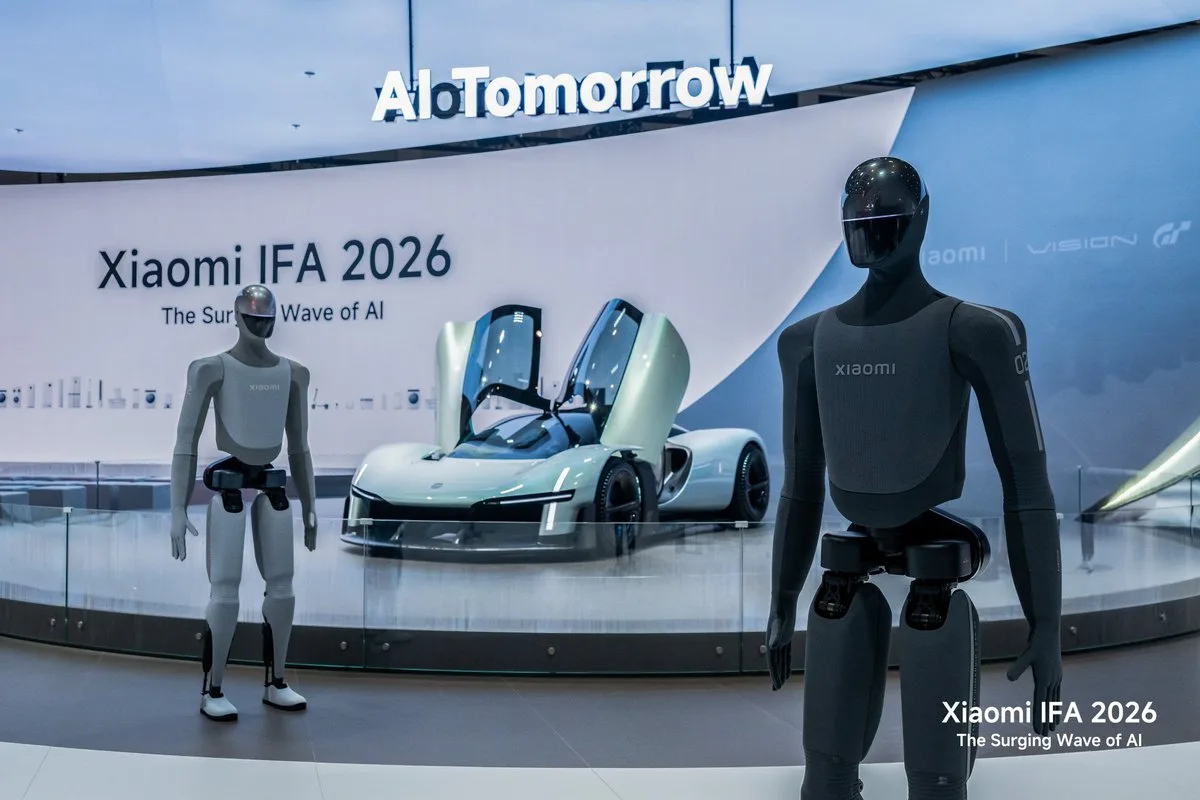
(Photograph source: Xiaomi)
Xiaomi pioneered the “Human x Car x Home” concept. Historically, “human” referred primarily to end-users and personal devices like smartphones and smart bands. In the upcoming “Human x Car x Home 2.0” era, “human” encompasses both users served by consumer electronics—and humanoid robots integrated into home and automotive ecosystems.
Zhiyuan: Compact Size Enhances Approachability—Greater Peace of Mind When Brought Home
This year, Zhiyuan brought a comprehensive lineup to IFA—including the FarSight A3, Lingxi X2, Sprite G2, OmniHand dexterous manipulator, cleaning robot C5, and D-series quadrupeds.
Among these, the Lingxi X2 series particularly caught our attention. Significantly smaller than life-size, X2 emphasizes approachability and human-robot interaction—evidenced by numerous children engaging with it onsite.
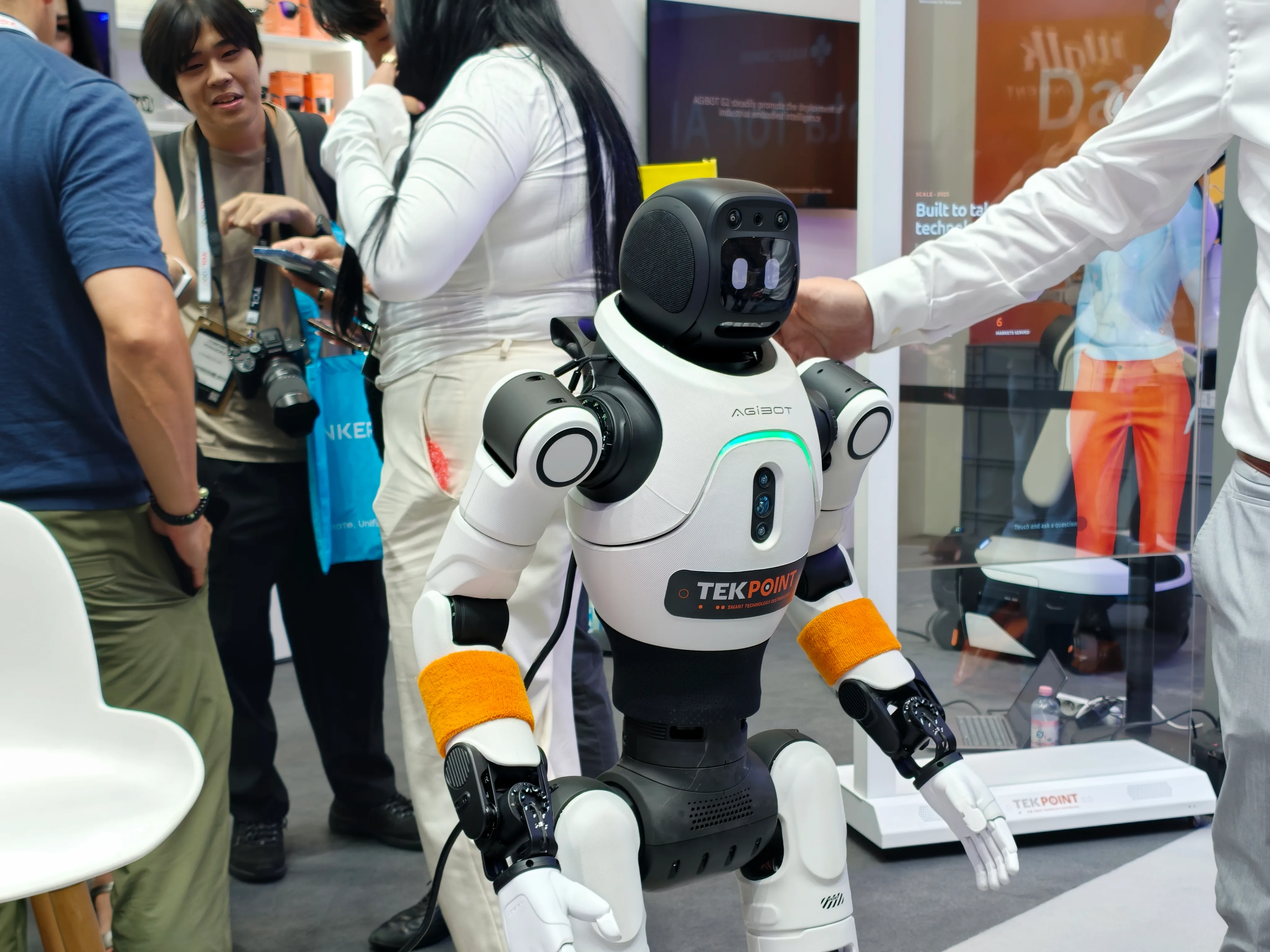
(Photograph source: LeiTech IFA Reporting Team)
This highlights an important insight: household robots must consider not only adult users but also children. A true family robot must be embraced by every member. Appropriately scaling down dimensions and enhancing visual appeal will likely rank among future design priorities for home-integrated robots.
Magic Atom: Working in Factories Today—Handling Household Chores Tomorrow
Magic Atom ranks among the earliest Chinese robotics brands to attend IFA. This year, it mounted an expansive presence—showcasing a full robotics portfolio and unveiling three new hardware platforms: the flagship high-dynamic full-scale humanoid MagicBot X1, the industrial wheeled humanoid MagicBot D1, and the lightweight industrial quadruped MagicDog T1.
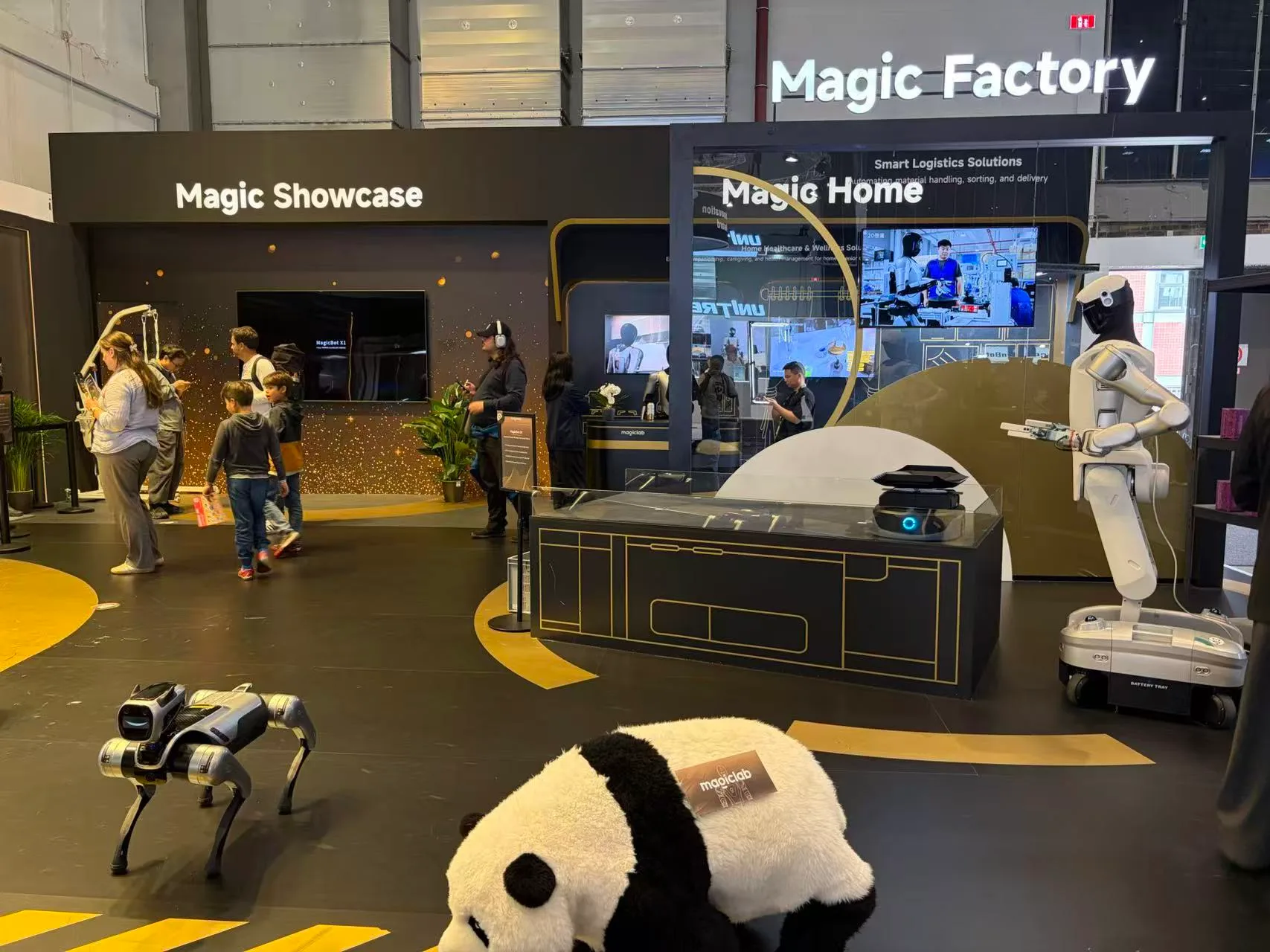
(Photograph source: LeiTech IFA Reporting Team)
MagicBot X1 explores the physical limits of humanoid platforms. Constructed from aerospace-grade aluminum alloy and titanium, its knee joints deliver ≥350N·m peak torque and 450N·m maximum torque. Its dual hot-swappable battery system enables 7×24-hour continuous operation. Onsite, Magic Atom screened a real-world video of X1 performing a stepping dunk—impressive indeed. LeiTech eagerly anticipates witnessing live demonstrations in the future.
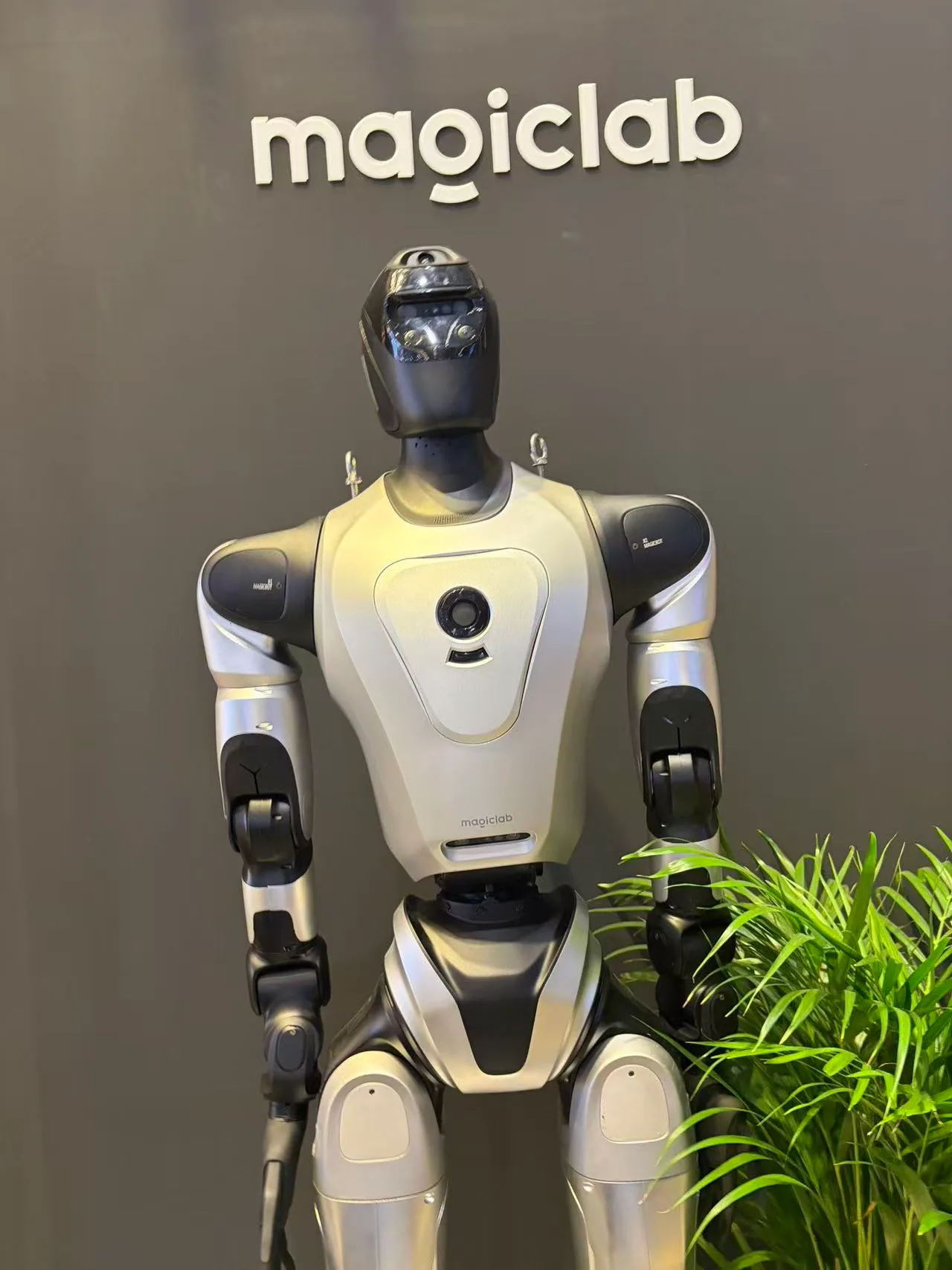
(Photograph source: LeiTech IFA Reporting Team)
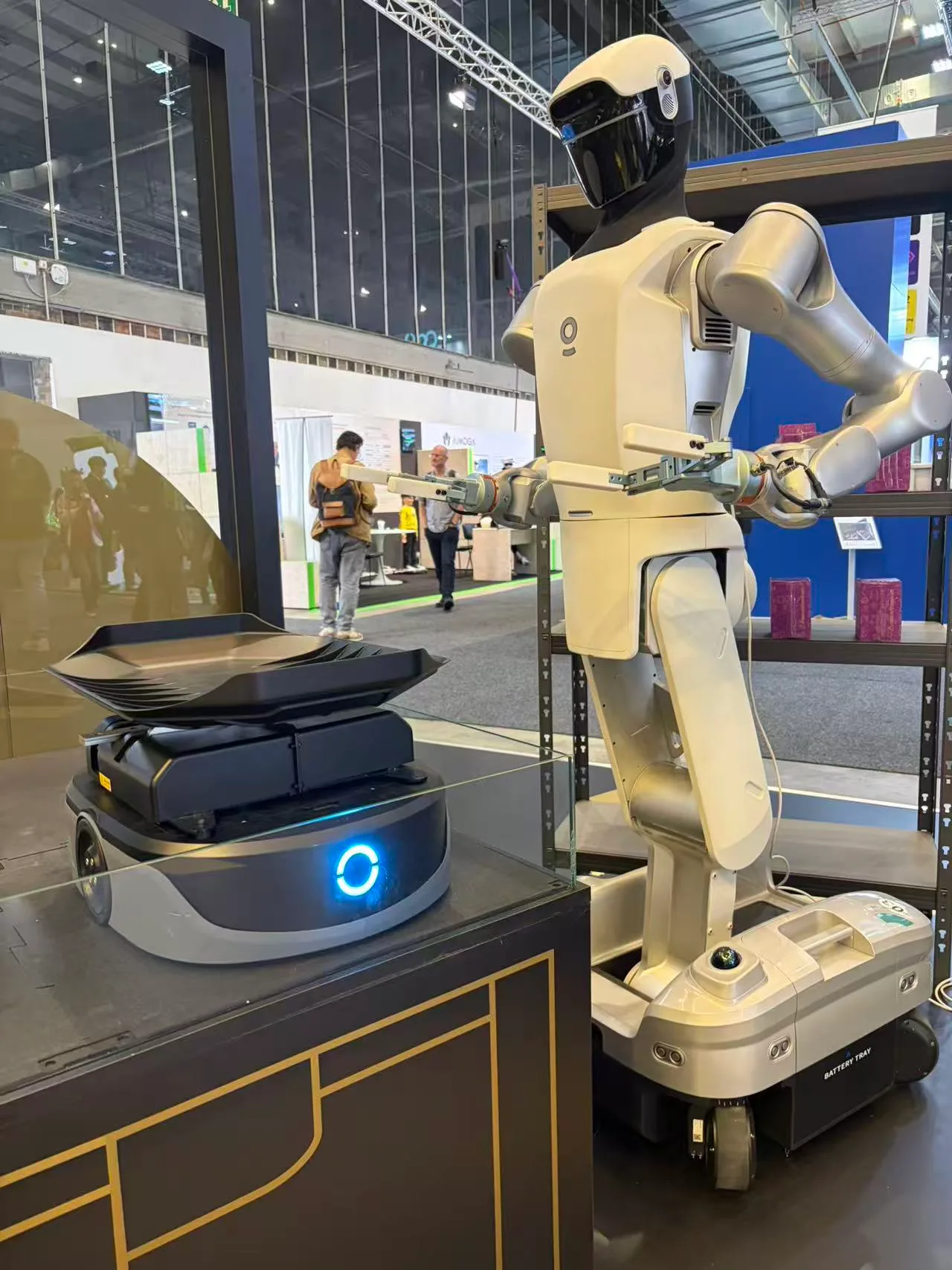
MagicBot D1 serves as Magic Atom’s primary mass-production model, operating across heights ranging from 80 cm to 230 cm. Its omnidirectional mobile base and biomimetic waist-and-leg structure enable seamless retrieval and placement of objects at varying elevations.
(Photograph source: LeiTech IFA Reporting Team)
Magic Atom’s onsite staff told LeiTech that MagicBot D1 supports autonomous end-effector switching between grippers and dexterous hands. During precision tasks, it autonomously switches to the dexterous hand; for higher-force operations like tool handling or object grasping, it rapidly switches to the gripper.
As for MagicDog T1, it features a lightweight 19 kg chassis with sustained payload capacity up to 15 kg—deployable in factories, campuses, and power grid inspection scenarios.
For robotics, the “brain” often matters more than dexterous hands or grippers. Magic Atom’s debut embodied intelligence large model—Magic-VLA K02—employs a hierarchical dual-system architecture, claiming 92% overall accuracy in complex, long-horizon tasks.
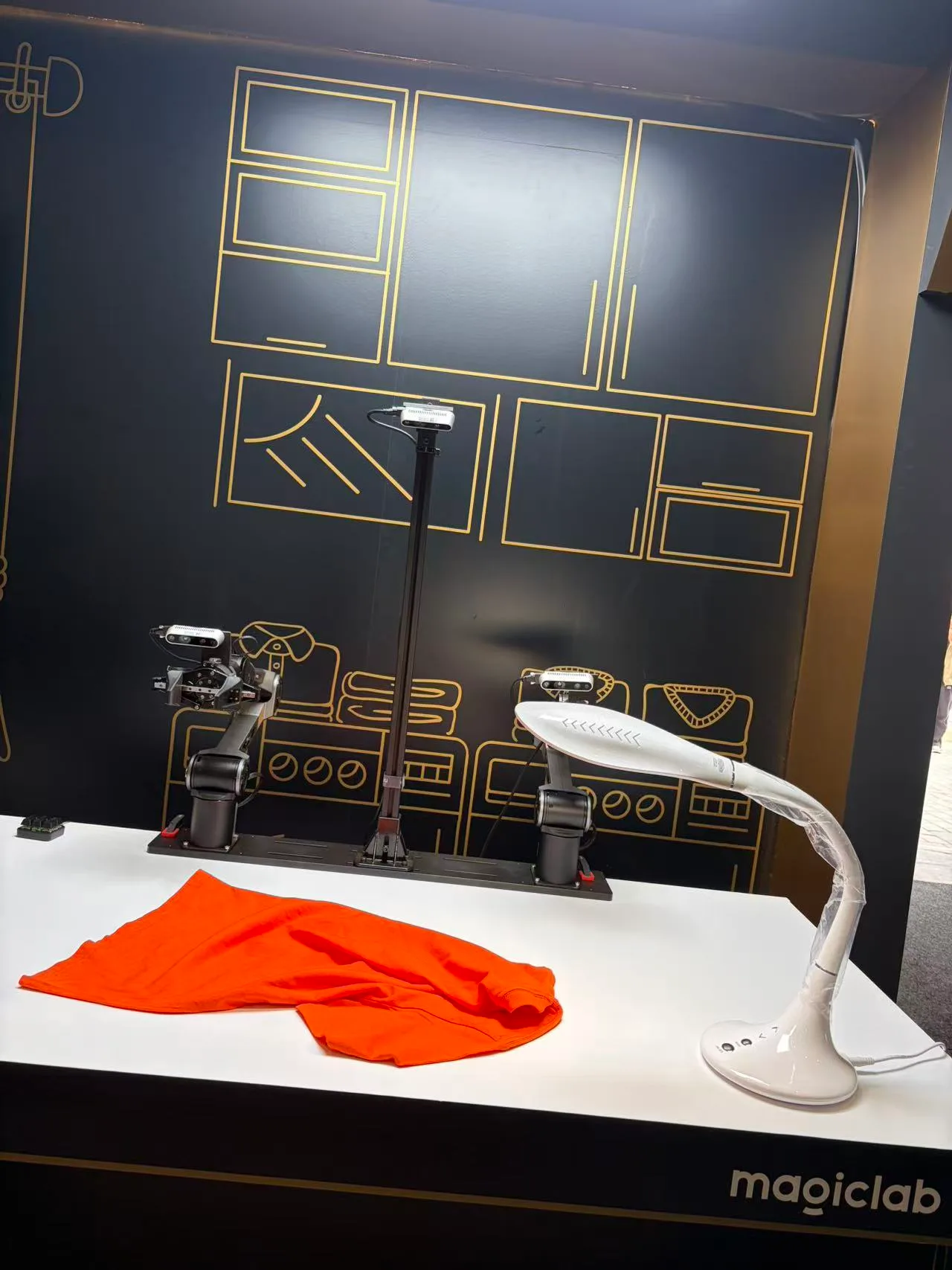
Magic Atom demonstrated an arm equipped with Magic-VLA K02 autonomously folding clothes. It boasts strong real-time visual recognition and precise trajectory-and-force adjustment.
Magic Atom staff candidly noted that folding irregularly shaped garments isn’t as simple as it appears: clothing is inherently deformable, posing significant perception and manipulation challenges. Each time users present a garment, its configuration differs—requiring the large model to dynamically calculate optimal grasp points. Moreover, if users interrupt the folding process mid-task, the robot doesn’t halt—it recalculates and resumes folding. This ability to replan after random interruptions signifies Magic Atom’s transition from “pre-scripted execution” to “autonomous decision-making.”
(Photograph source: LeiTech IFA Reporting Team)
Regarding generalization capability, staff revealed that the robot initially learned to fold T-shirts, then autonomously extended its skill to polo shirts—and will soon master bedsheet folding. Watching this, our immediate thought was household applicability: many homes own washing machines and dryers, yet folding remains a manual chore. An automated folding-and-storing robot would represent a giant leap toward zero-housework living—at least fully automating clothing care and organization.
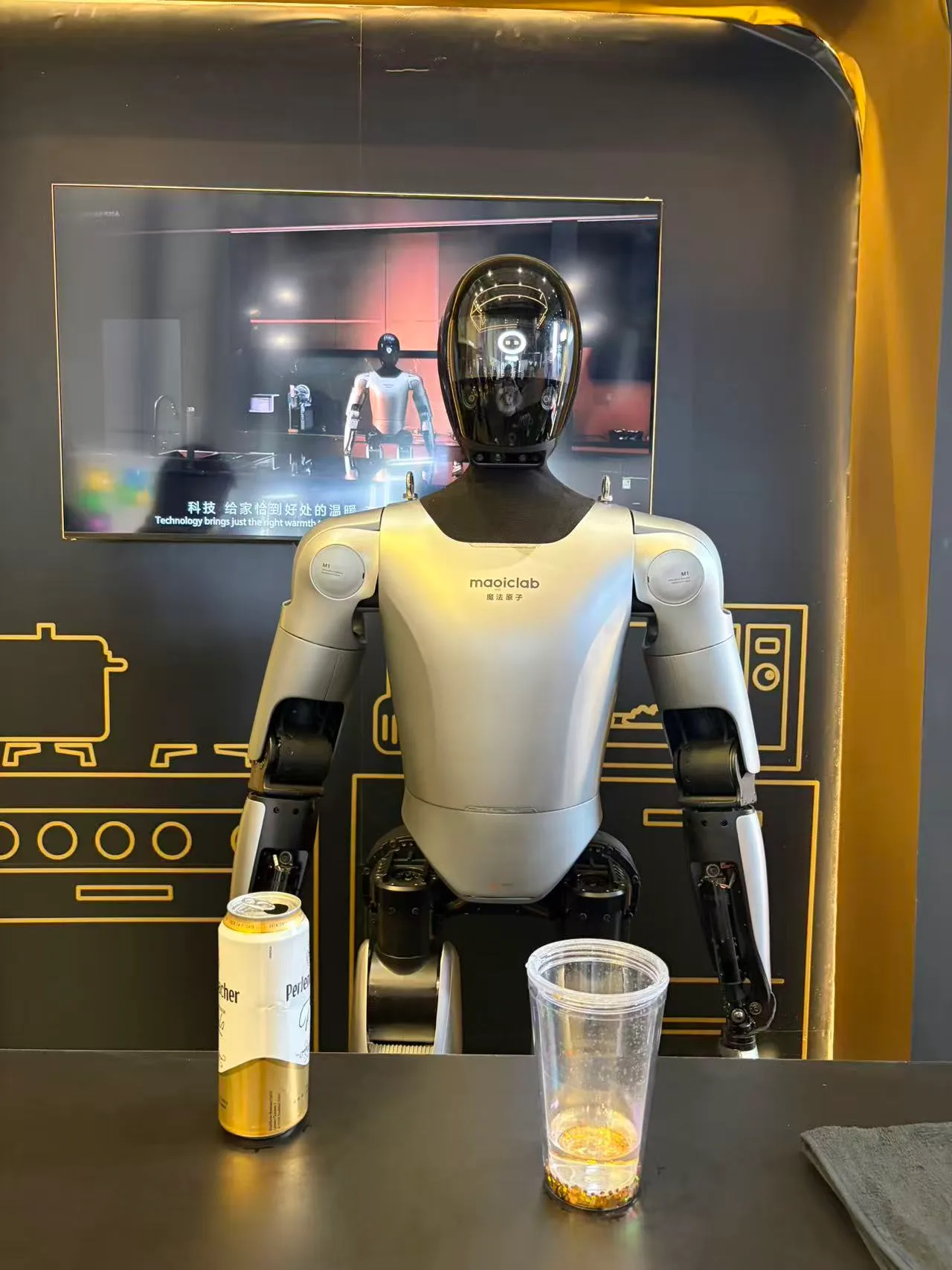
We also observed a humanoid robot pouring beer automatically—an application perfectly aligned with expectations for household robots.
(Photograph source: LeiTech IFA Reporting Team)
On practical deployment, Magic Atom staff confirmed its focus spans two core domains: home and industrial applications. Industrial deployments target B2B clients—such as flexible material handling and logistics order sorting. Given Europe’s labor shortages, Magic Atom views the region as a critical commercial robotics market. It has already signed over 50 overseas distributors and established deep partnerships with leading German, Italian, and Spanish industrial automation integrators—completing pre-sales and after-sales team deployments.
Moreover, Magic Atom appeared at the AliExpress booth as one of the first signatories to AliExpress’ “Brand+” Super Brand Global Expansion Program. Leveraging AliExpress’ global e-commerce network and overseas fulfillment model, Magic Atom can significantly expand its sales footprint and retail distribution channels. As Alibaba Group’s cross-border retail platform, AliExpress offers channel capabilities unmatched by robotics firms—accelerating Magic Atom’s market entry.
Xuanji Dynamics: Rugged Robots Built for Dirty, Dangerous, and Demanding Jobs
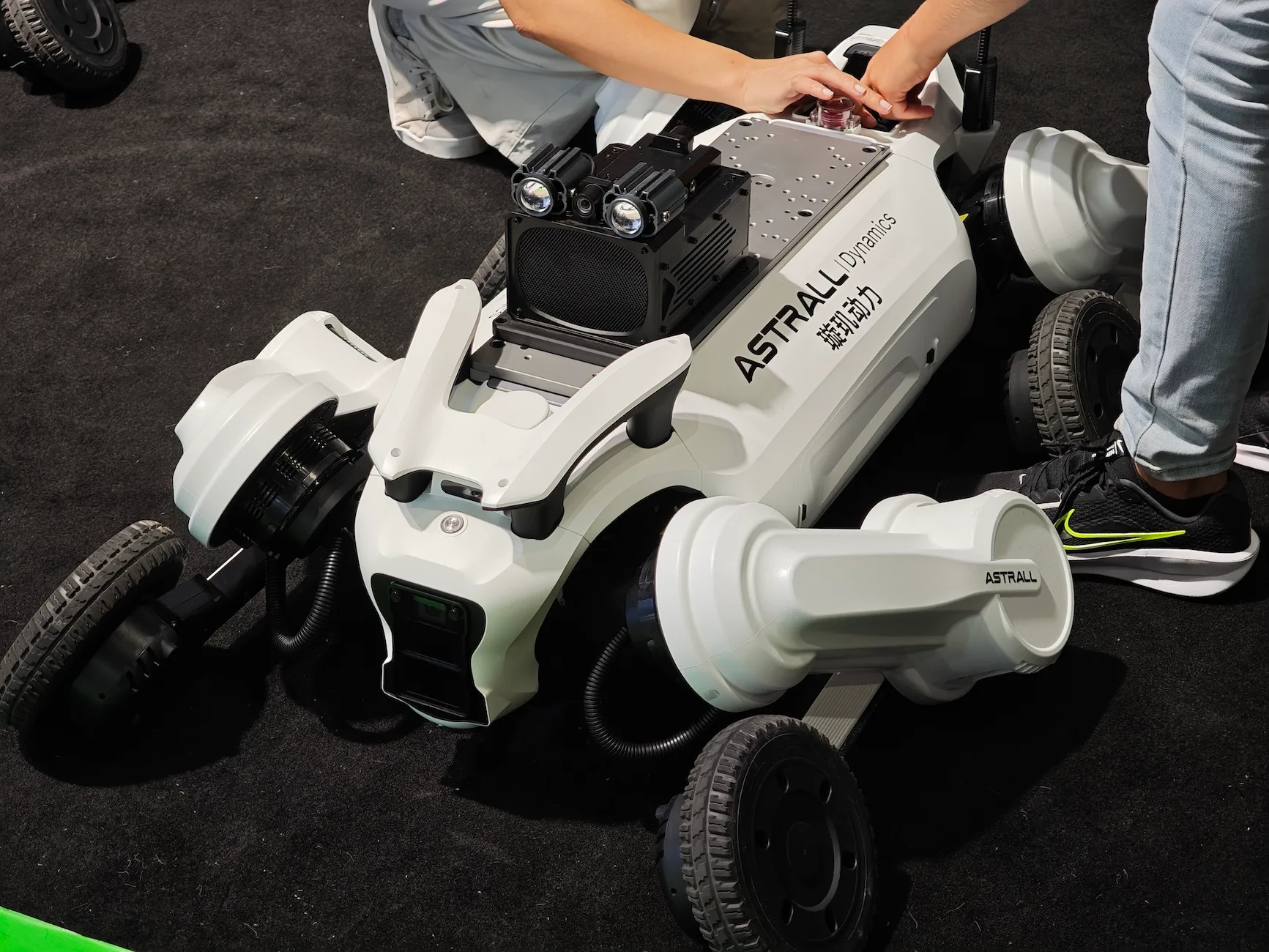
At IFA, Xuanji Dynamics—a Shenzhen-based robotics company—also captured our attention. Its spotlight products included the Hypertron-T01 heavy-duty quadruped robot and the Hypertron-SW01 mid-sized quadruped robot—not flashy demos, but field-proven solutions.
We learned that Xuanji Dynamics robots have already withstood extreme conditions in fire scenes and substations—performing the most hazardous and physically taxing tasks, thereby freeing humans from such high-risk roles.
Take the Hypertron-T01: it delivers an astonishing 80 kg dynamic load capacity and a static load rating of 200 kg. Equipped with its proprietary integrated high-torque axial-flux motor modules, it climbs diverse terrains and staircases while carrying payloads—and can even transport supplies or conduct remote firefighting when needed. Clearly, its capabilities far exceed those of typical household robots.
(Photograph source: LeiTech IFA Reporting Team)
Although Xuanji Dynamics focuses on frontline industrial applications, its capabilities are directly transferable to home environments. Envisioning a high-load-capacity, multi-terrain-adaptive robot in a household setting: it could assist elderly or mobility-impaired individuals, lift heavy objects, or perform emergency rescue operations.
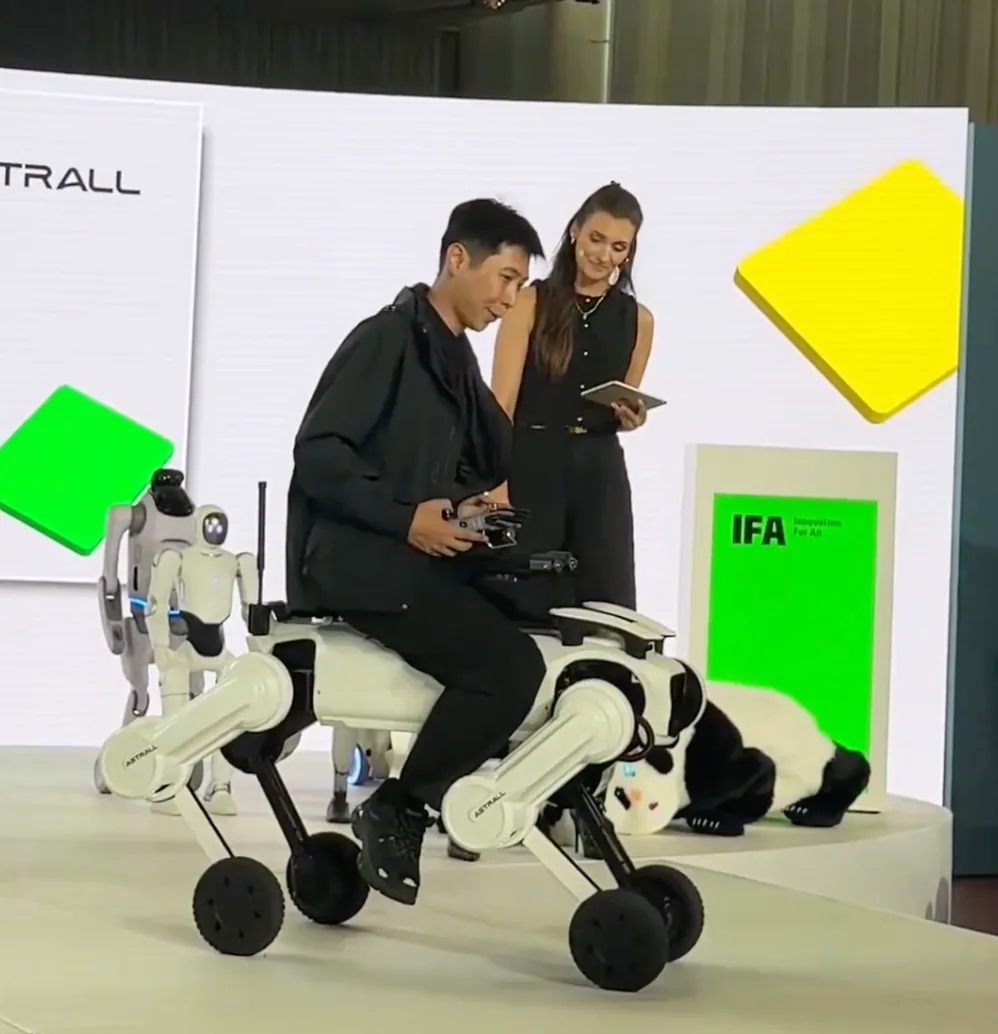
(Photograph source: X)
Realizing the vision of “robots in homes” demands both aesthetically pleasing models offering emotional value—and rugged, reliable workhorses. Without doubt, Xuanji Dynamics is poised to play a pivotal role in this “home integration” journey.
Final Thoughts:
After reviewing robotics exhibits at IFA, our overall impression is: lofty ideals meet harsh realities. Humanoid robots routinely cost tens of thousands of dollars—several times more than premium refrigerators—leaving only a small minority willing to purchase. Live demos rely on engineers monitoring backstage, ready to intervene instantly upon failure—yet once installed at home, no such safety net exists; robots must navigate unpredictable domestic environments entirely on their own.
We look forward to continued technological iteration by Chinese robotics companies—advancing synergies between robotics and physical AI—to achieve truly autonomous, full-scenario task execution. Perhaps in a few years, IFA will showcase a new reality: after demonstrating functional robots onsite, local customers can simply purchase one and take it home for household chores—or deploy it directly in factories.
From September 4–8, the world’s largest home appliance and consumer electronics exhibition—IFA2026—took place in Berlin.
As the “most authoritative new media outlet for IFA coverage”—globally recognized for its AI-focused reporting—LeiTech dispatched its largest and highest-caliber reporting team ever to Berlin. Adopting a “2+N” model (two lead hosts + multiple on-site editors + multiple backend editors), LeiTech delivered real-time, multidimensional, and first-hand coverage of IFA2026—with particular emphasis on AI Agent integration with home appliances and hardware, robotics convergence with household scenarios, emerging trends in digital “Human x Car x Home” lifestyles, and Chinese brands’ global stage presence.
The LeiTech IFA2026 Reporting Team is actively covering events in Berlin—stay tuned!