 雷科技
雷科技




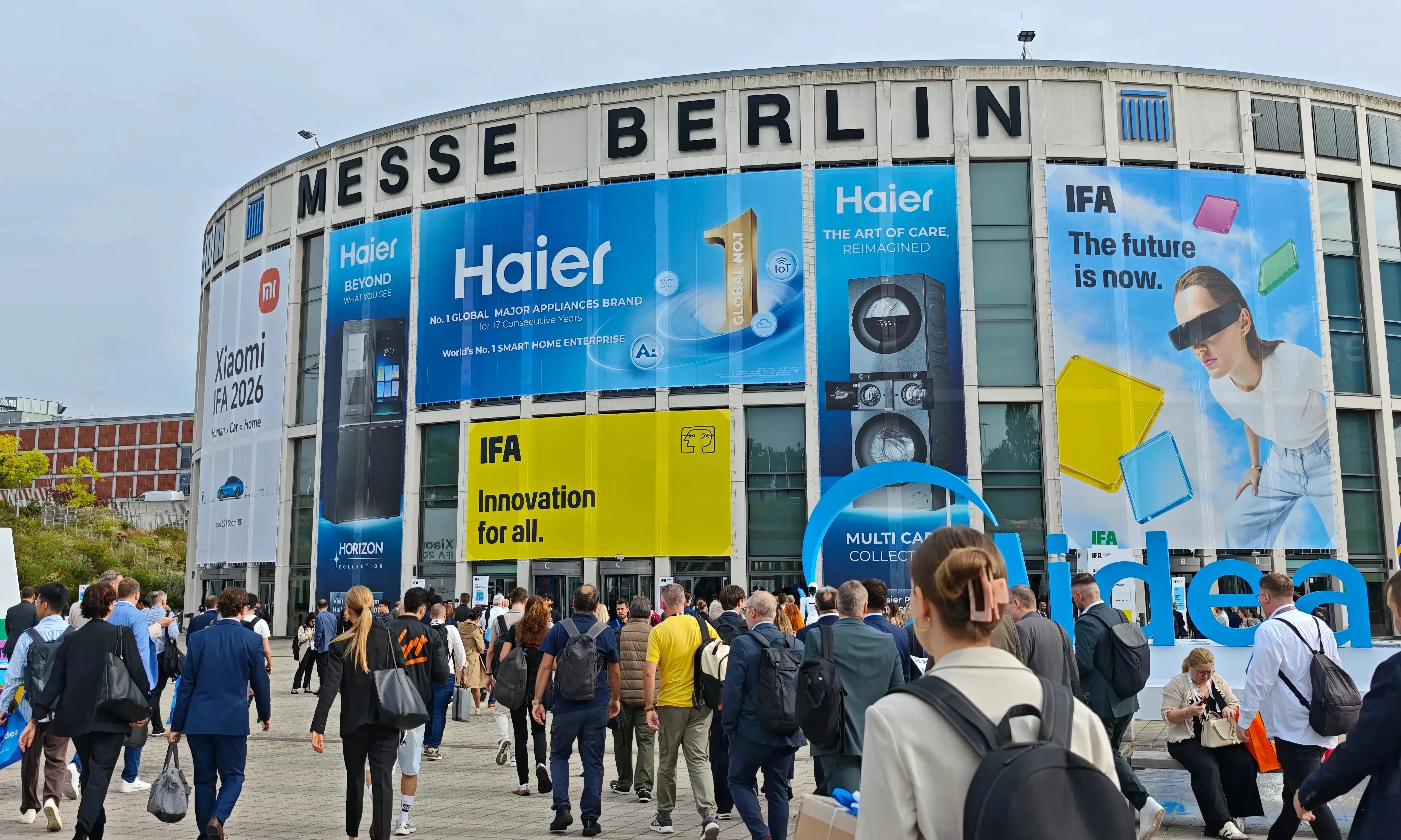

On September 4, 2026, IFA 2026 (Internationale Funkausstellung Berlin) officially kicked off in Berlin, Germany. As one of the world’s three major consumer electronics exhibitions, this year’s IFA carries the theme “The Future is Now”. More than 1,900 exhibitors from 49 countries and regions are participating, and the show is expected to draw 220,000 visitors from over 140 nations.
The Leitech (ID: Leitech) IFA 26 reporting team is on the ground in Berlin, delivering immersive, comprehensive and first‑hand coverage of IFA 2026.
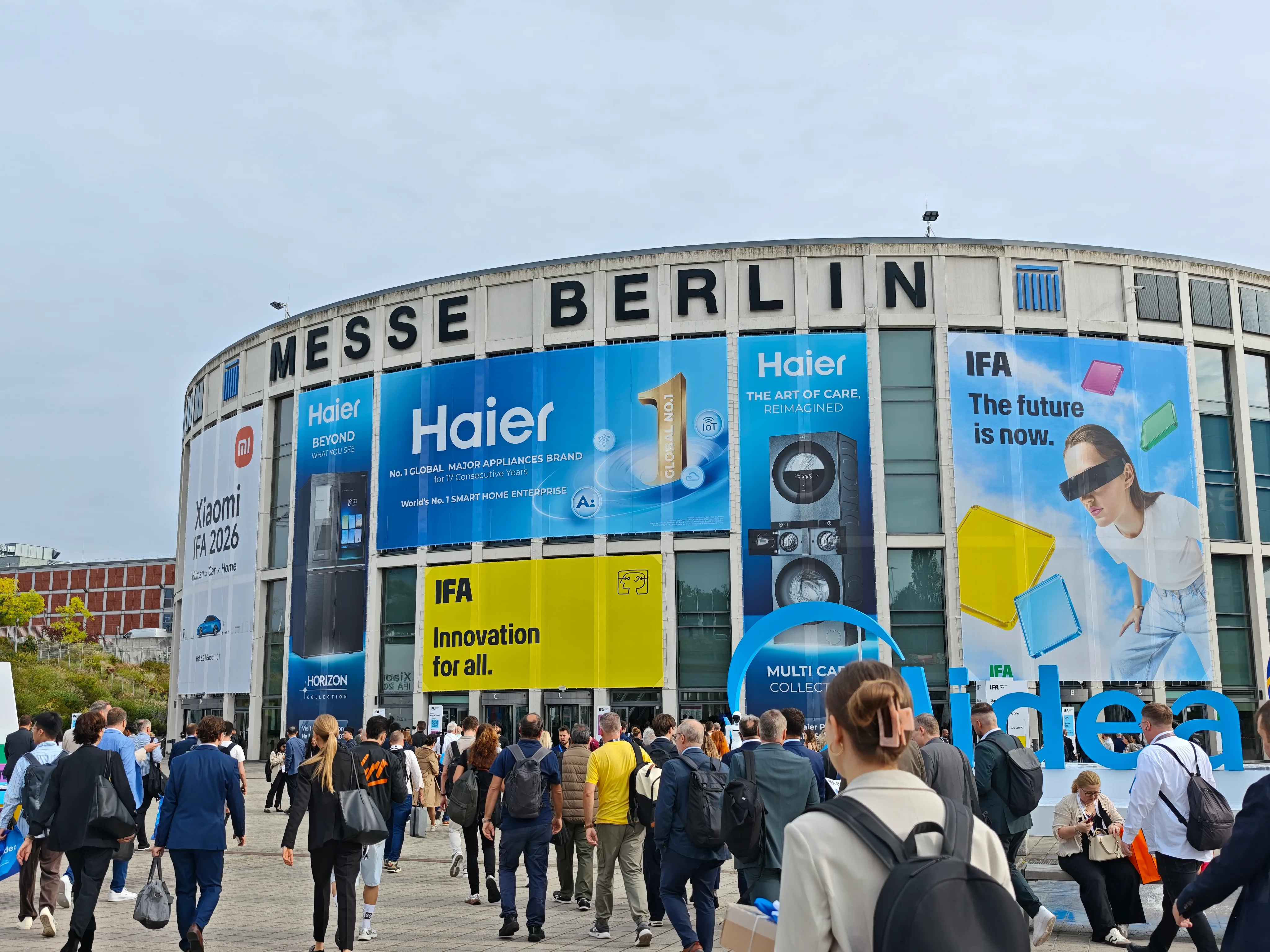
(Image source: Captured on-site by the Leitech IFA Reporting Team)
Last year at IFA, Leitech summed up the show with the takeaway: “Hardware specs are no longer the sole focus, and AI is no longer just empty promises.” So what about this year’s IFA? Below are the Leitech reporting team’s day-one observations from IFA 2026.
TVs Remain the Crowd Magnet, Yet the Narrative Has Shifted
IFA has always been dominated by large home appliances, and televisions have long taken the centre stage within this category. While the TV zone has not been overshadowed by any emerging product types this year, the storyline has shifted. Last year, RGB-Mini LED was essentially a one‑man show for Hisense. This year, however, it has become the “standard configuration” across the whole industry. Brands without this technology risk falling behind the market.
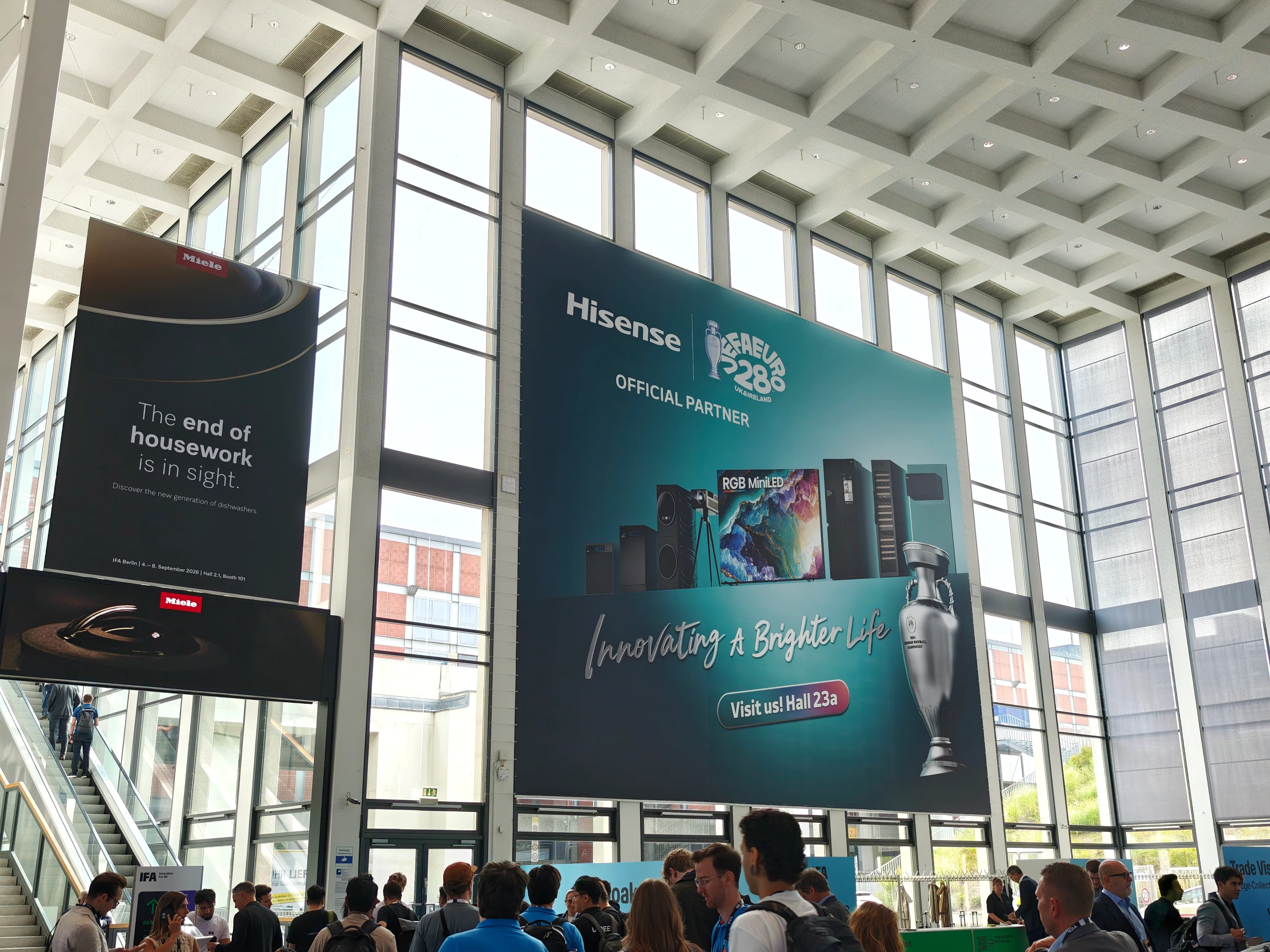
(Image source: Captured on-site by the Leitech IFA Reporting Team)
Let’s start with Hisense. At its press conference held one day before the exhibition opening, Hisense unveiled RGB-Mini LED evo, centered on its “Exquisite 4-Core True-Color Backlight”. It also announced the world premiere of Dolby Vision Gen 2, featured first on its 116-inch flagship UX 2026.Simply put, the former splits the backlight into individually controllable coloured beads for more accurate colours and a wider colour gamut on the TV. The latter further elevates highlight details in HDR imagery.Last year, Hisense flexed its technical prowess with the 116-inch UX. This year, its focus has clearly shifted toward popularization. This means the technology will later roll out to more models, and it is well worth looking forward to.
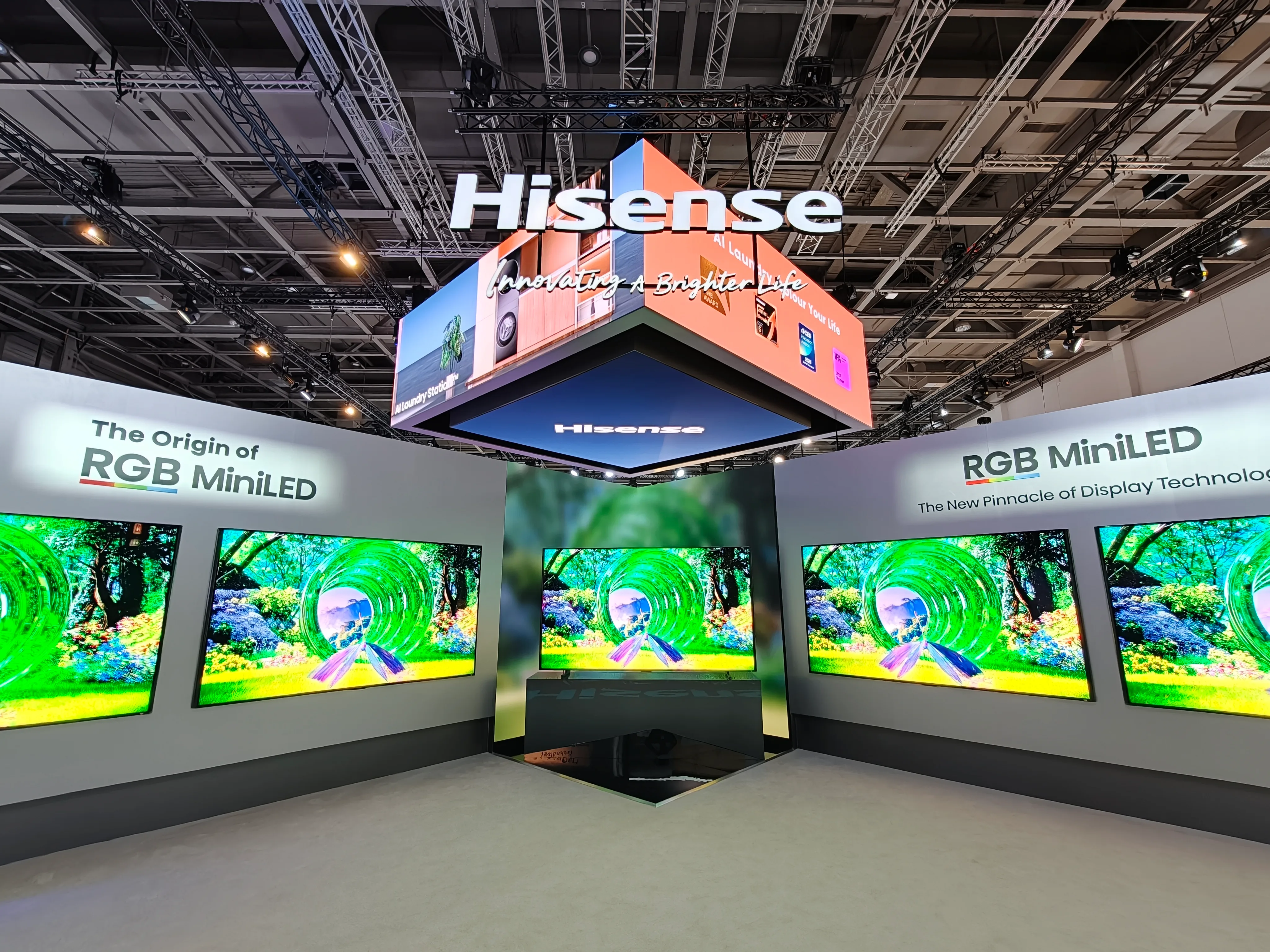
(Image source: Captured on-site by the Leitech IFA Reporting Team)
TCL ranks first globally in both Mini LED TV and extra-large TV shipments this year; the latter category refers to models 85 inches and above. As a Chinese manufacturer that has exhibited at IFA for 16 consecutive years, it has clearly placed this year’s main focus on display technology. Headlining its booth is the world’s first next-generation flagship SQD-Mini LED TV, the X11L. Simply put, powered by its trio of super backlight, advanced quantum dot and premium panel technologies, it delivers full 100% BT.2020 wide-gamut colour coverage across the whole screen, with zero colour crosstalk and boosted peak brightness.
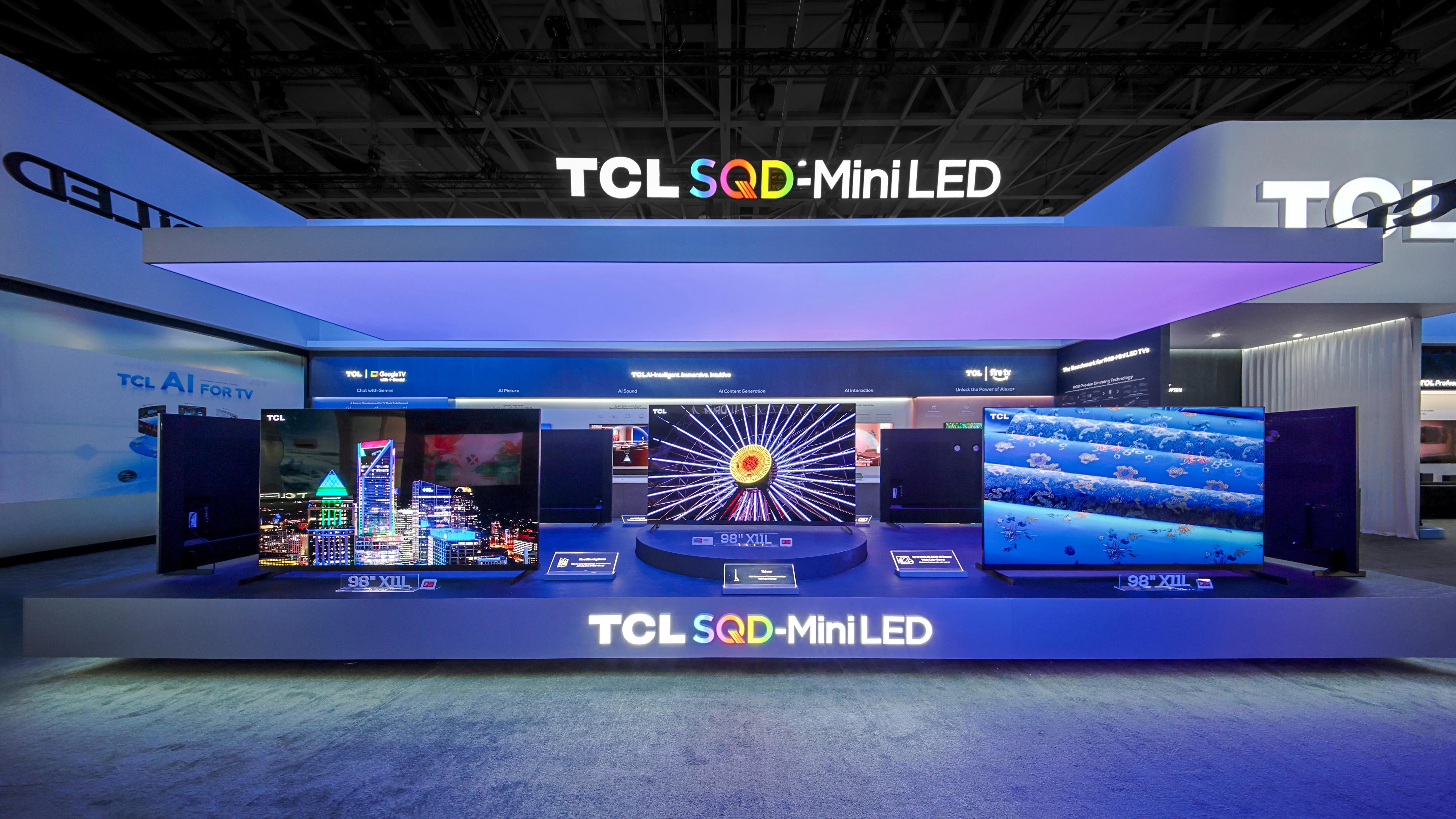
(Image source: TCL Official)
More notably, TCL is bringing this technology down to the mainstream market. Since January this year, a lineup of affordable models including the Q10M, Q9 and T7 has been launched one after another. The brand is clearly aiming to bring premium viewing experiences to a broader audience.
Another highlight is printed OLED. To put it simply, it abandons the conventional vacuum evaporation process. Instead, OLED materials are “printed” onto the panel much like an inkjet printer. This delivers higher material utilization and lower power consumption. Its pixel arrangement resembles that of LCD panels, which greatly alleviates colour fringing along text edges.TCL CSOT unveiled the world’s first 28-inch foldable portable desktop display featuring printed OLED. Back in July, it also partnered with MSI to release a 27-inch 4K 120Hz professional monitor. Printed OLED is moving out of the lab and into the consumer market — a milestone worth noting.
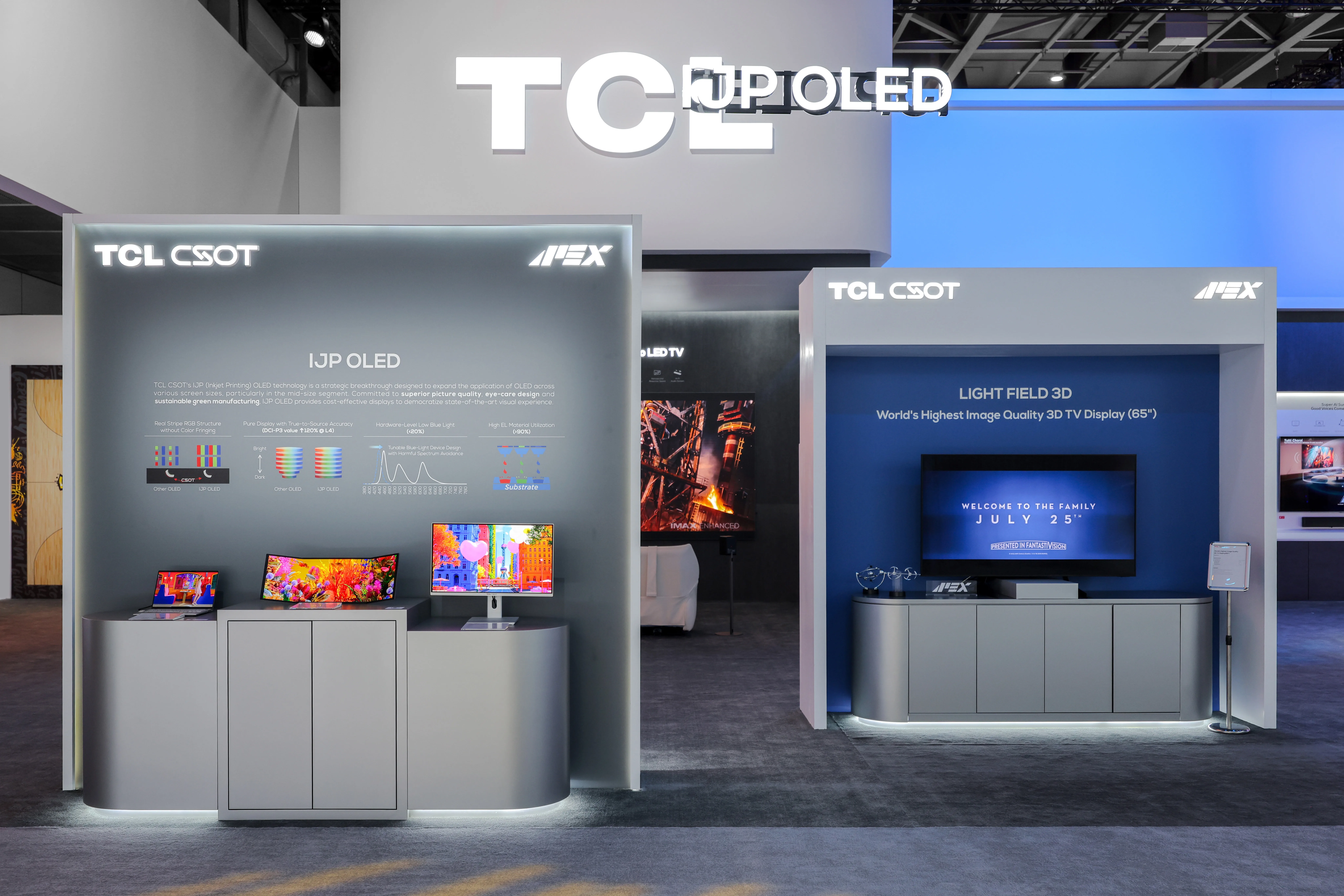
(Image source: TCL Official)
Changhong showcased its Gold Label RGB MiniLED TVs together with the Hongtu V8 AI image quality chip. This chip addresses the most stubborn challenge of the RGB-Mini LED era: as backlight architectures grow more complex, the computing demands for light, colour and scene control surge. Previously, multiple separate chips were required to share these workloads, but now the Hongtu V8 handles all three tasks on its own. It also frees up computing power for AI image enhancement.
The South Korean giants present an interesting contrast. Though Samsung moved its main showcase off the main show floor, Micro RGB TVs remain its flagship offering, paired with the VisionAI Companion focused on AI picture interaction. LG has clearly shifted its focus toward the AI Home ecosystem this year, so its TV lineup has taken a less prominent role.
Looking back at the TV exhibition zone, it is easy to see that this wave of display innovation is once again led by Chinese brands. Last year we stated that “Chinese companies will rewrite the rules of the global premium TV market”. In hindsight, this is no longer merely a prediction.
RGB-Mini LED was dominated solely by Hisense last year. This year, mass-produced models from Hisense, TCL and Changhong line the booths, and Samsung has rolled out its own solution as well. The growing number of players in this space means more capable, affordable products will arrive in the future — and consumers will be the ultimate beneficiaries.
Smart Homes Enter Deep Waters — Home Appliances Learn to Read Human Cues
Last year at IFA, nearly every booth was labelled with “AI”, yet visitors had little idea what these AI features could actually accomplish. The tide has clearly turned this year. Competition has shifted from “who has AI” to “whose AI can get things done”. This change is most noticeable among full-range white-goods brands.
Hisense has set four criteria for AI-powered home appliances: having senses, a brain, the ability to communicate, and the capacity to execute tasks. Put simply, home appliances can think and operate autonomously. The ConnectLife AIoT cloud platform launched by Hisense at IFA serves as a vivid example. It features whole-home device control, multimodal perception and AI agents for five major scenarios, covering core areas such as the kitchen, laundry care and air management.
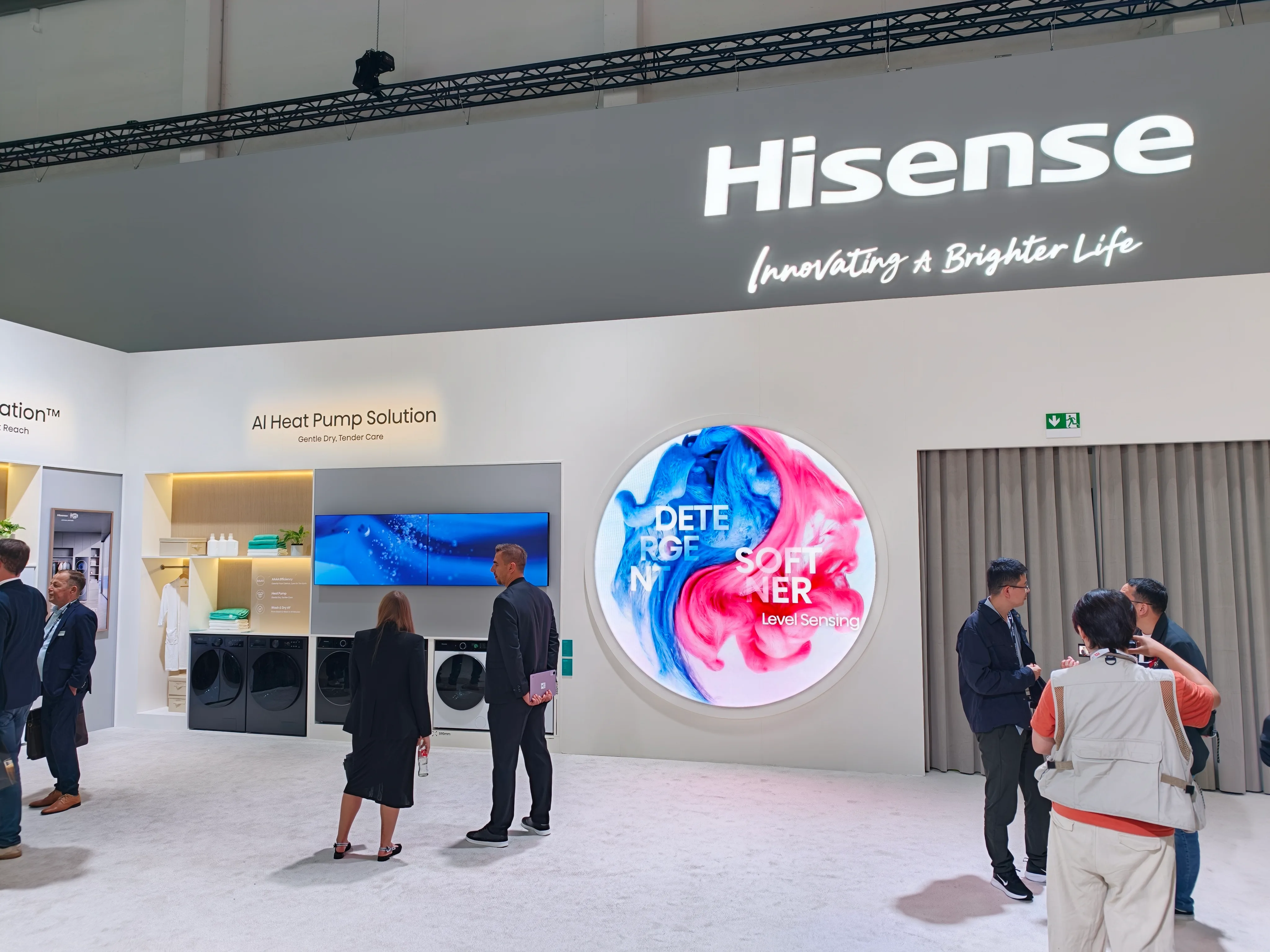
(Image source: Captured on-site by the Leitech IFA Reporting Team)
TCL also kept busy. Beyond televisions, it showcased the upgraded NXTHOME whole-home ecosystem alongside a lineup of smart white goods. For example, the Little Blue Wing P7 Ultra air conditioner uses millimetre-wave radar to detect body movements during sleep, actively adjusting temperature and wind speed while learning your personalized sleep profile. Its dual-magnet fresh refrigerator preserves food by simulating the Arctic environment of “-40°C deep freezing plus high-stability magnetic fields”. The heat-pump super drum washer-dryer dynamically tunes temperature and airflow according to fabric conditions and delivers rapid drying in just 30 minutes.TCL states that smart homes should not complicate life. Handling trivial chores well and returning time to the people and matters that truly count is where technology’s value lies.
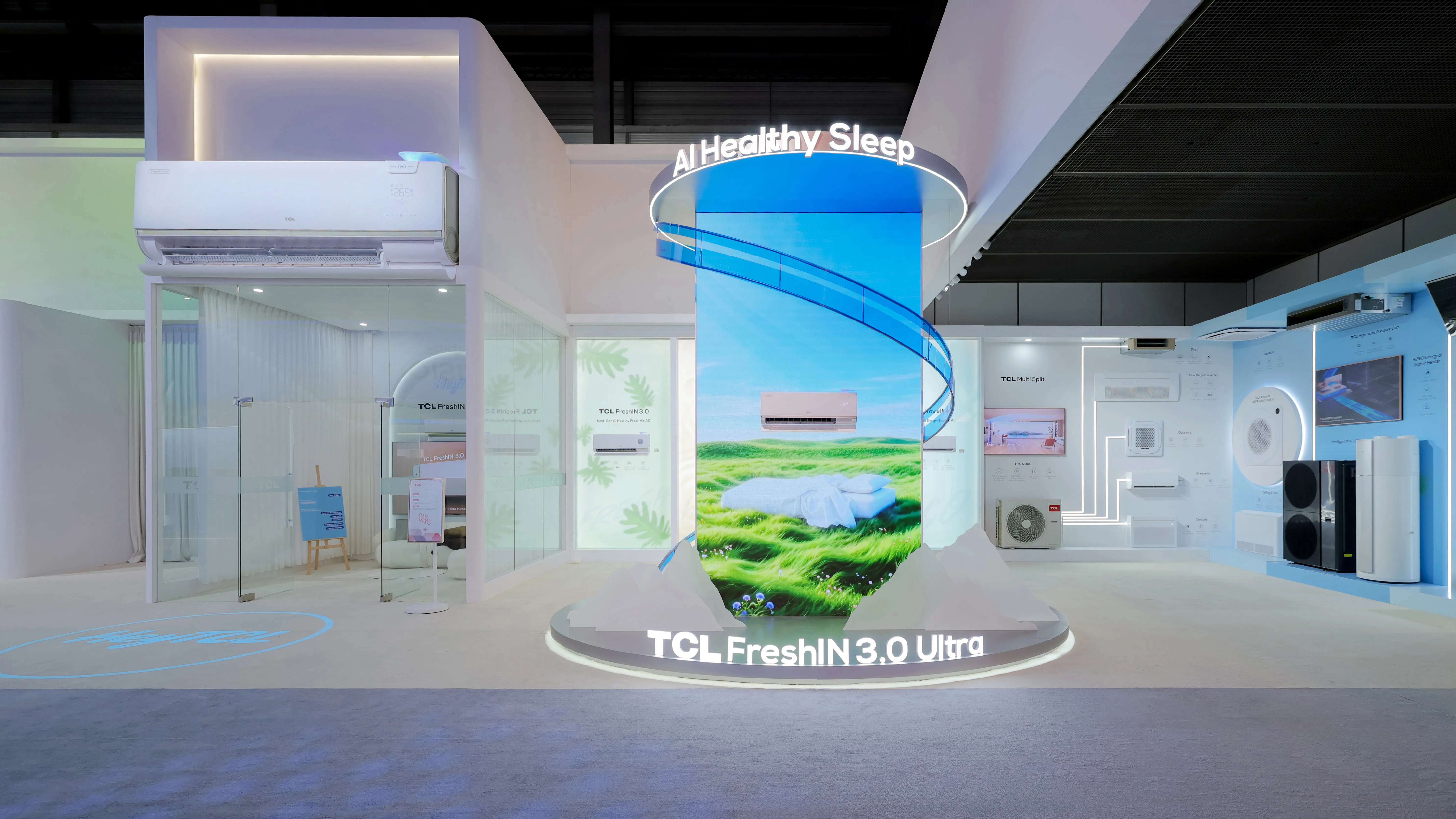
(Image source: TCL Official)
Haier is also keeping pace. Ranking as the world’s No.1 large home appliance brand for 16 consecutive years, Haier built a centennial-themed pavilion in Hall 3.1. It focuses on the hOn ecosystem, linking refrigerators, washing machines and air conditioners into an integrated system capable of active perception and proactive service.
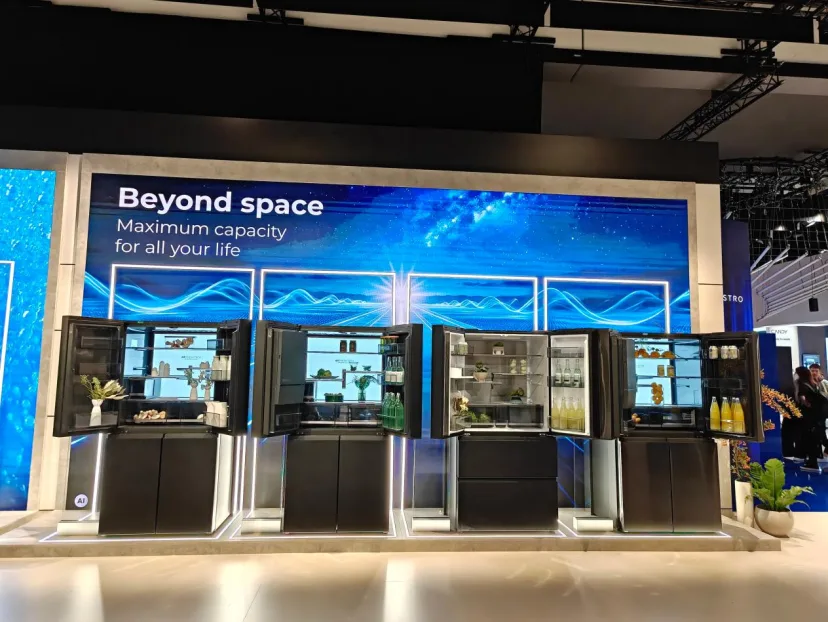
(Image source: Haier Official)
When whole-home intelligence goes down to the wire, competition hinges on which brand understands users best through fine-grained details.
South Korean giants are also ramping up efforts. Although Samsung moved its booth off the main exhibition grounds, it has made solid progress on AI home appliances. Its new-generation AI refrigerator is equipped with Google Gemini, capable of identifying more than 3,000 types of ingredients, up from several hundred last year. It not only keeps track of what is inside the fridge and items nearing expiry, but also proactively recommends recipes. These were merely conceptual products shown on presentation slides last year; this year they have become mass-produced home appliances.
European local players are not standing still either. Miele marks its 100th anniversary this year, with its AI dishwasher and smart cooking assistant as its showcase offerings. Siemens and Bosch under BSH Group set up adjacent booths in Hall 1.1, packing their products with abundant AI and sensors. It is clear that on their home turf, local brands aim to regain their influence. However, Chinese brands have advanced far faster than they expected in recent years, and only time will tell how this competition unfolds.
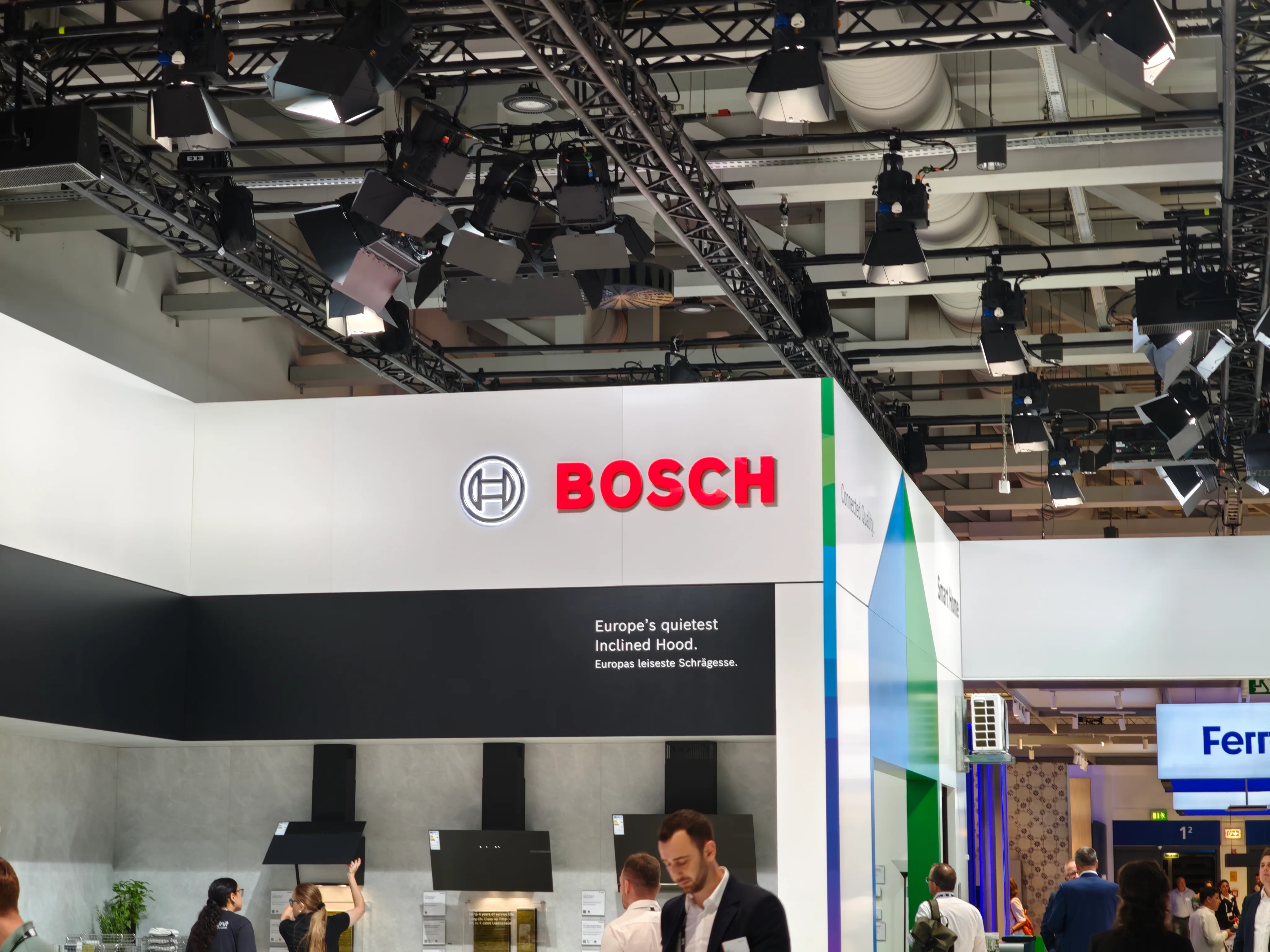
(Image source: Captured on-site by the Leitech IFA Reporting Team)
The infrastructure for smart homes continues to evolve. Broadlink demonstrated its bridge device, which connects major platforms including Apple, Google, Alexa and Samsung within a single unit. It can even integrate legacy home appliances controlled via infrared. Switzerland’s Open Home Foundation is exhibiting for the first time, presenting a localised solution built around Home Assistant. One device can link multiple ecosystems simultaneously.Tineco has expanded intelligence from cleaning appliances to more categories such as kitchen appliances. Ezviz unveiled a full lineup of AI hardware covering security, cleaning and wearables. Addressing the “hard-wiring challenges” common for overseas residences, it showcased edge and endpoint AI as a key highlight.
Home appliances have evolved from passively responding to commands to proactively catering to people — and this is exactly what we hope to see.
Human × Car × Home Goes Global — Xiaomi’s IFA Debut Makes It an Instant Hit
Of course, the biggest newcomer in the home appliance zone this year is Xiaomi. This marks Xiaomi’s first official participation at IFA, and it has come out strong with a pavilion exceeding 3,000 square metres. Even outside the exhibition halls, Xiaomi cars are on display. This is also the first time in IFA history that an EV has been positioned at the main entrance of the exhibition venue — Xiaomi has truly gone all out with its presence.
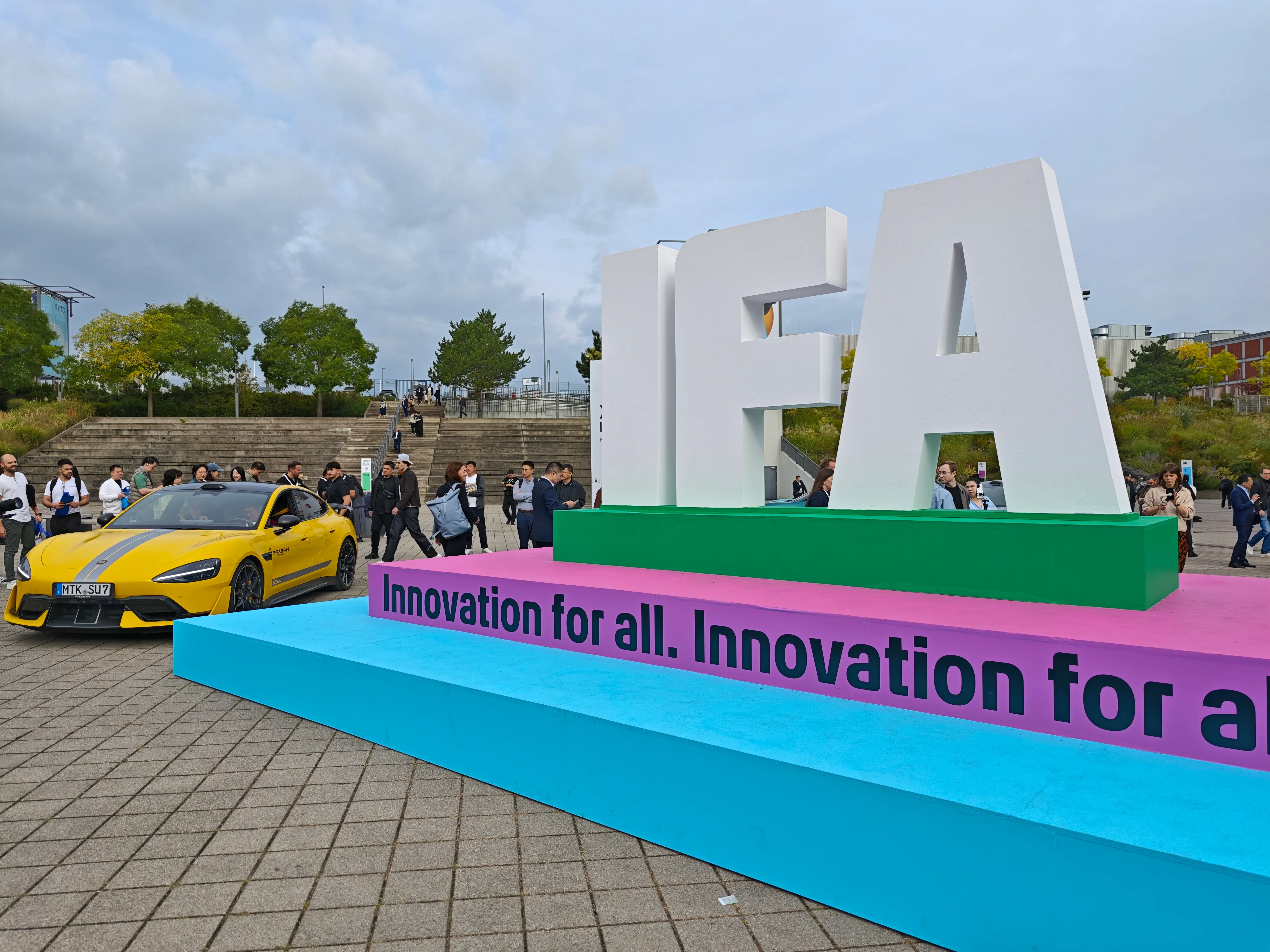
(Image source: Captured on-site by the Leitech IFA Reporting Team)
By comparison, Xiaomi’s booth at MWC in Barcelona earlier this year spanned more than 1,000 square metres. This time, the area has tripled, with nearly 400 exhibits on display. It marks the largest overseas showcase of its Human × Car × Home ecosystem to date.
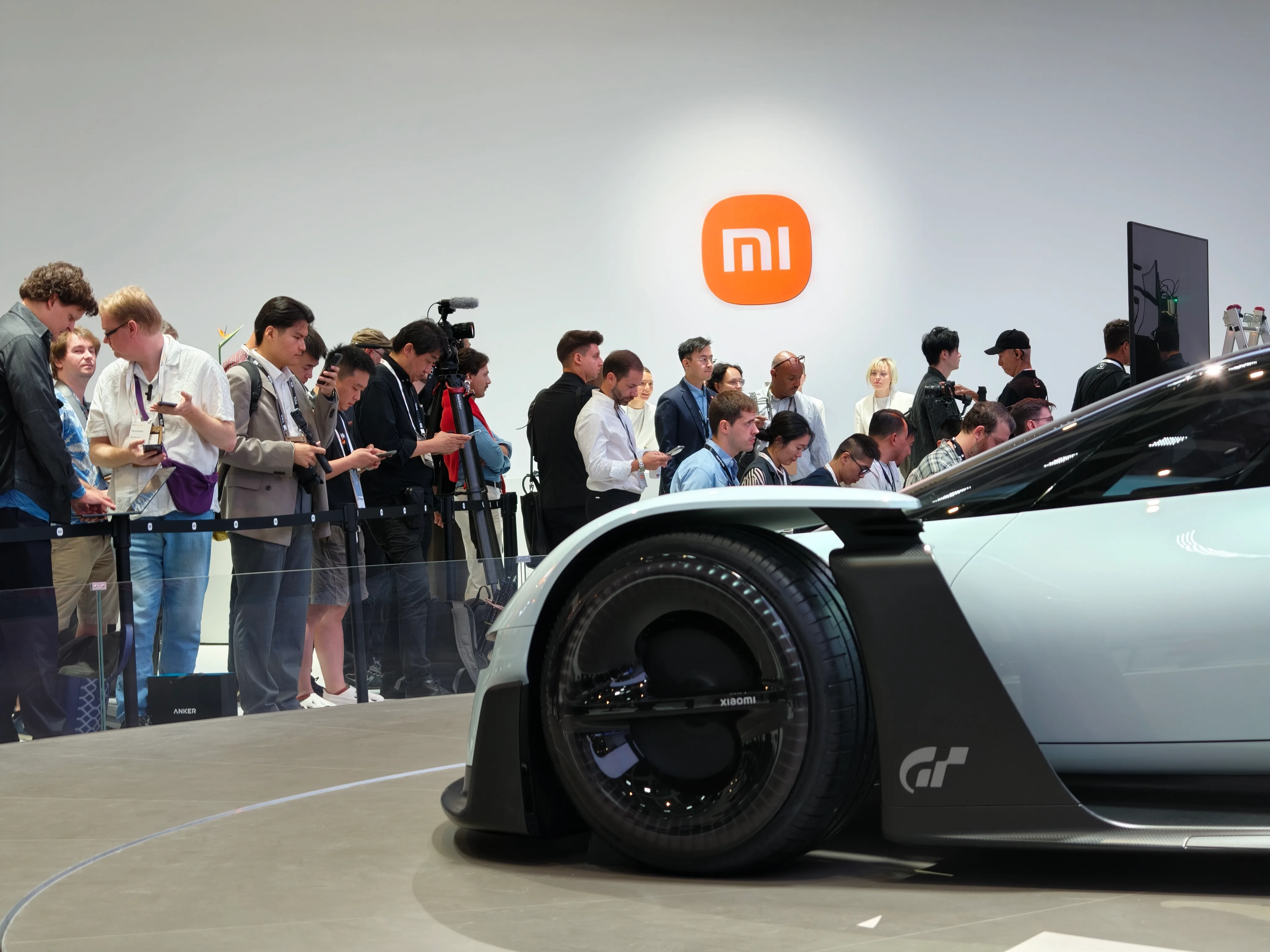
(Image source: Captured on-site by the Leitech IFA Reporting Team)
Xiaomi’s booth is divided into three major zones: AI Tomorrow, AI Today and Product Matrix. Its washer-dryers, refrigerators and integrated kitchen systems are rolling out to Europe at scale, and the Mijia brand officially announced its entry into the European market. Three vehicles — the SU7 Ultra, SU7 Max and Vision GT — are also on-site. Lu Weibing, President of Xiaomi Group, has stated that IFA and MWC will serve as the two main stages for Xiaomi’s European expansion.
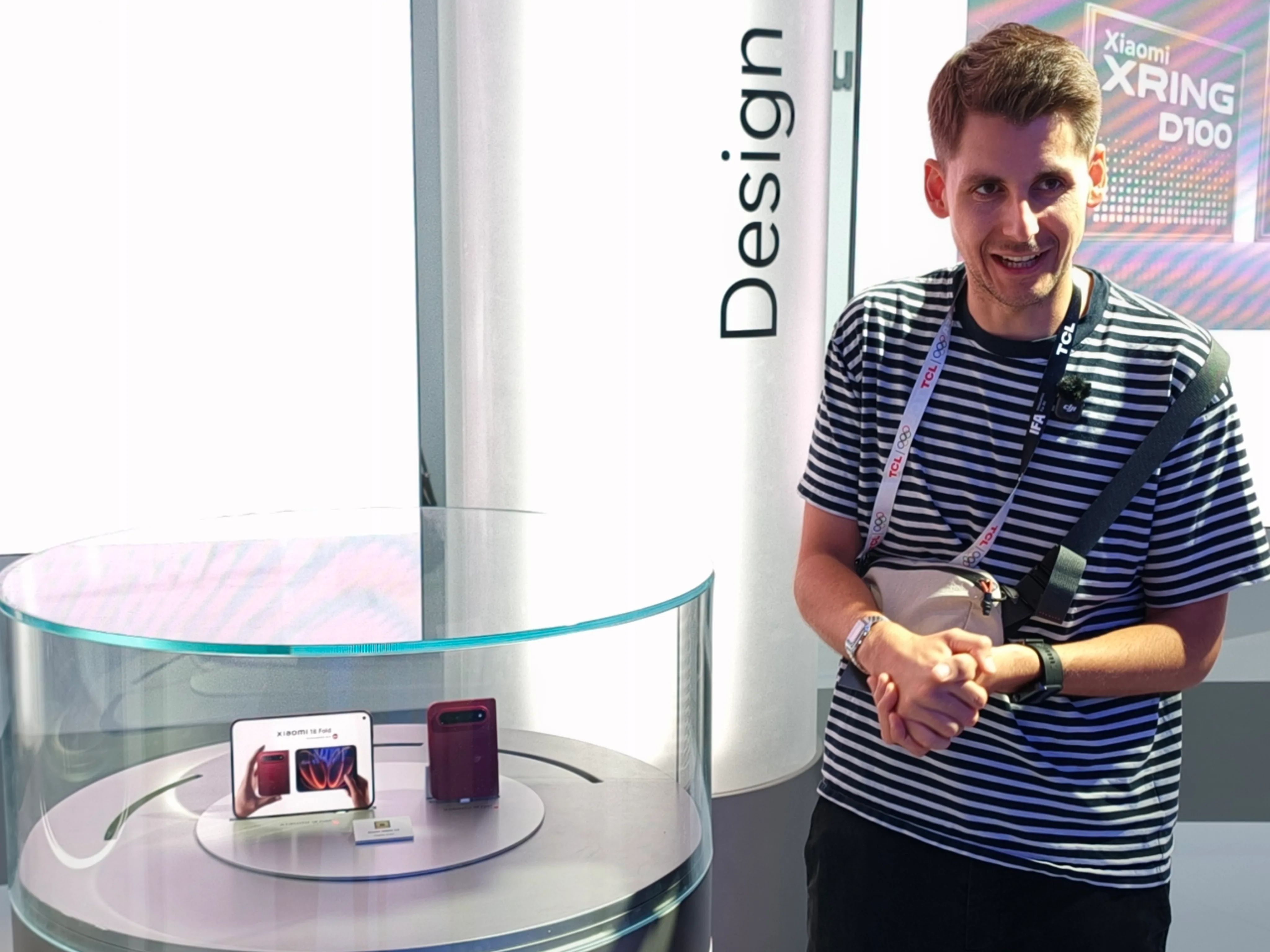
(Image source: Captured on-site by the Leitech IFA Reporting Team)
What surprised our team most is that Xiaomi smartphones were also present. The physical unit of Xiaomi 18 Fold, the brand’s first flagship foldable phone, made its global debut here. Also unveiled was Ring O3, Xiaomi’s self-developed flagship AI processor.
From Leitech’s perspective, Xiaomi’s display feels less like a trade show booth and more like bringing an entire household, plus half of the future, to Berlin. In addition, Xiaomi’s humanoid robot CyberOne had its overseas debut at the show. The company shared that its on-site interactions are powered by large language models with a hierarchical “brain + small brain” control strategy: the brain handles decision-making, while the small brain takes charge of execution.Lu Weibing also just announced that Xiaomi EVs will enter the European market in 2027. This will be a major initiative down the line, and Xiaomi has strong potential to become another giant Chinese brand within the European market.
Chinese Smart Cleaning Devices Dominate Europe — Competition Extends From Floors to Underwater
Unlike the ecosystem competition among major white-goods brands, the smart cleaning zone is largely occupied solely by Chinese manufacturers.
The reason why these brands are flocking to the European market is straightforward. According to statistics from Ovi Cloud, domestic sales of cleaning appliances reached 17.31 million units in the first half of this year, rising by 3.7% year-on-year. However, sales revenue edged down by 0.7%. Unit shipments are up, yet profits have not grown. Margins have been squeezed to the minimum, so low-price high-volume strategies no longer work. Seeking growth overseas has become the only way for Chinese cleaning brands to break through. Europe is the world’s second-largest robot vacuum market, only after North America, making IFA an “octagon cage” for head-to-head competition.
Dreame secured two booths in Hall 7.1 this year. It also hosted a global press conference one day before the exhibition opening with a straightforward theme: “Redefine Tomorrow’s Home”. Its standout product is the X60 Pro Ultra Complete, equipped with Dreame’s industry-first second-generation bionic robotic arm. The mopping pad can extend outward by 18 centimetres, while the side brush reaches an extra 12 centimetres, enabling the robot to clean corners and edges autonomously.
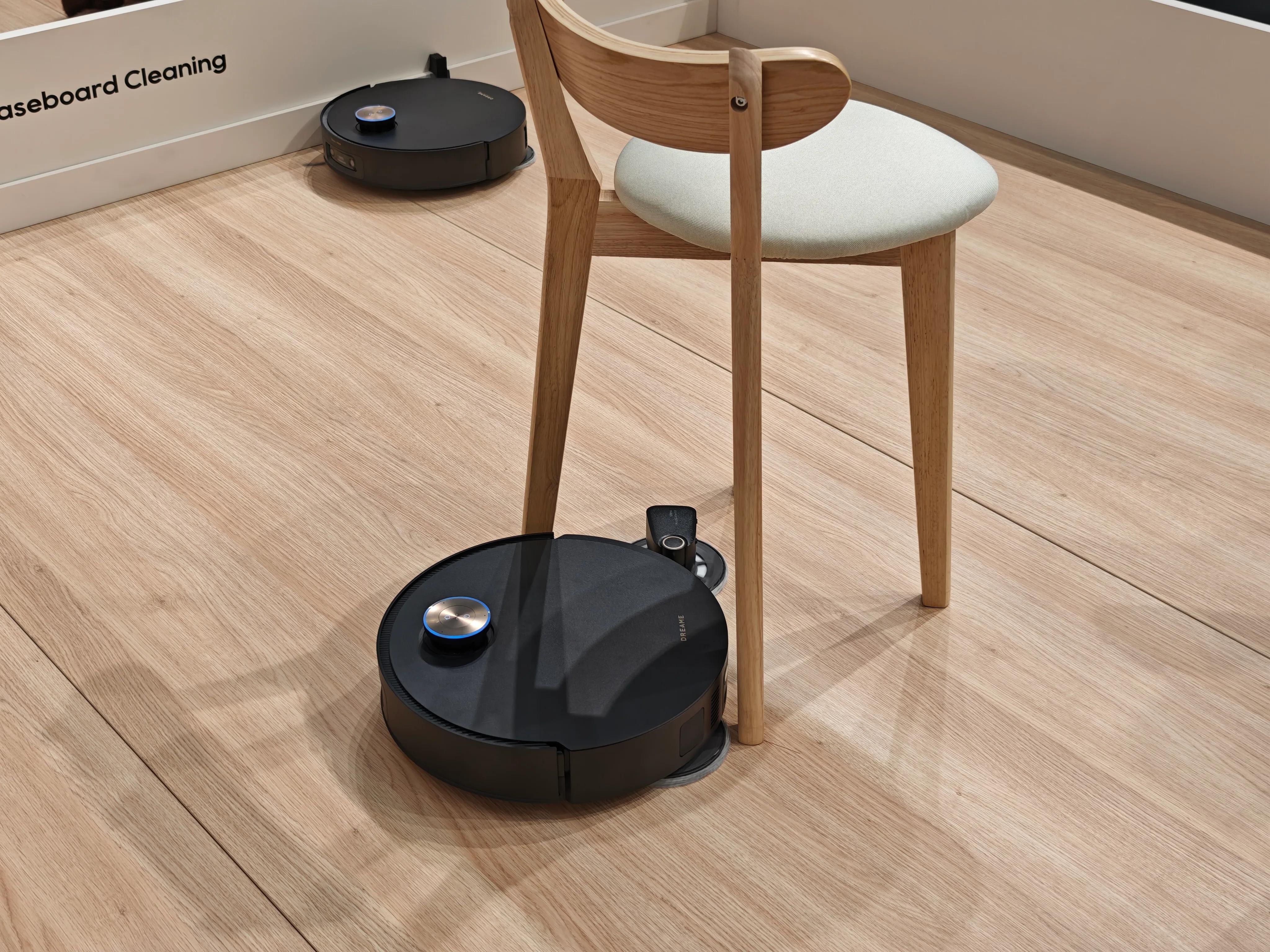
(Image source: Captured on-site by the Leitech IFA Reporting Team)
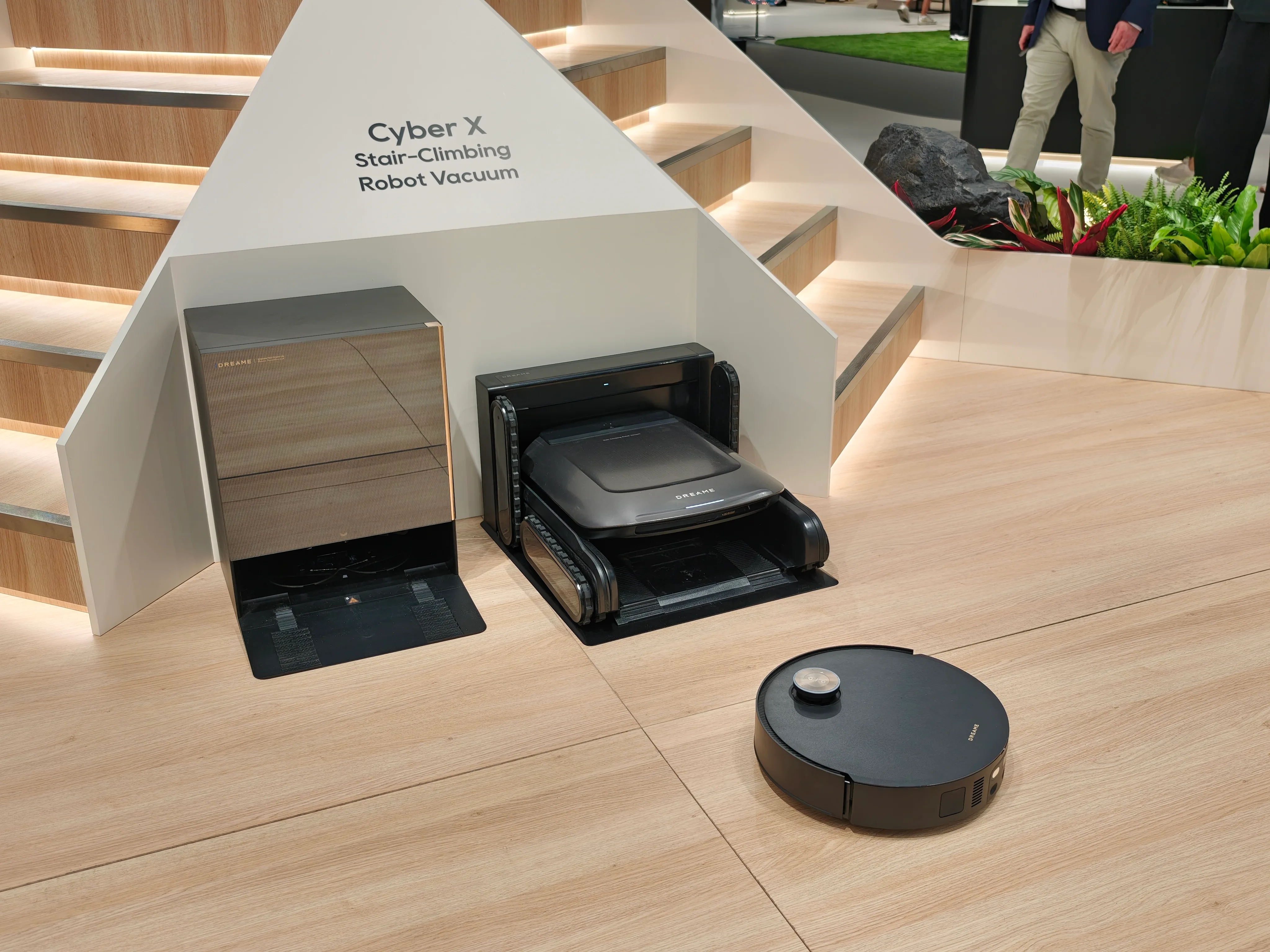
Also on show is the stair-climbing Cyber X. Equipped with a bionic six-legged three-segment tracked stair-climbing system, it can tackle slopes of up to 42 degrees. Designed for multi-story homes common in Southern and Western Europe, it can identify staircases and continue cleaning across different floors autonomously.
(Image source: Captured on-site by the Leitech IFA Reporting Team)
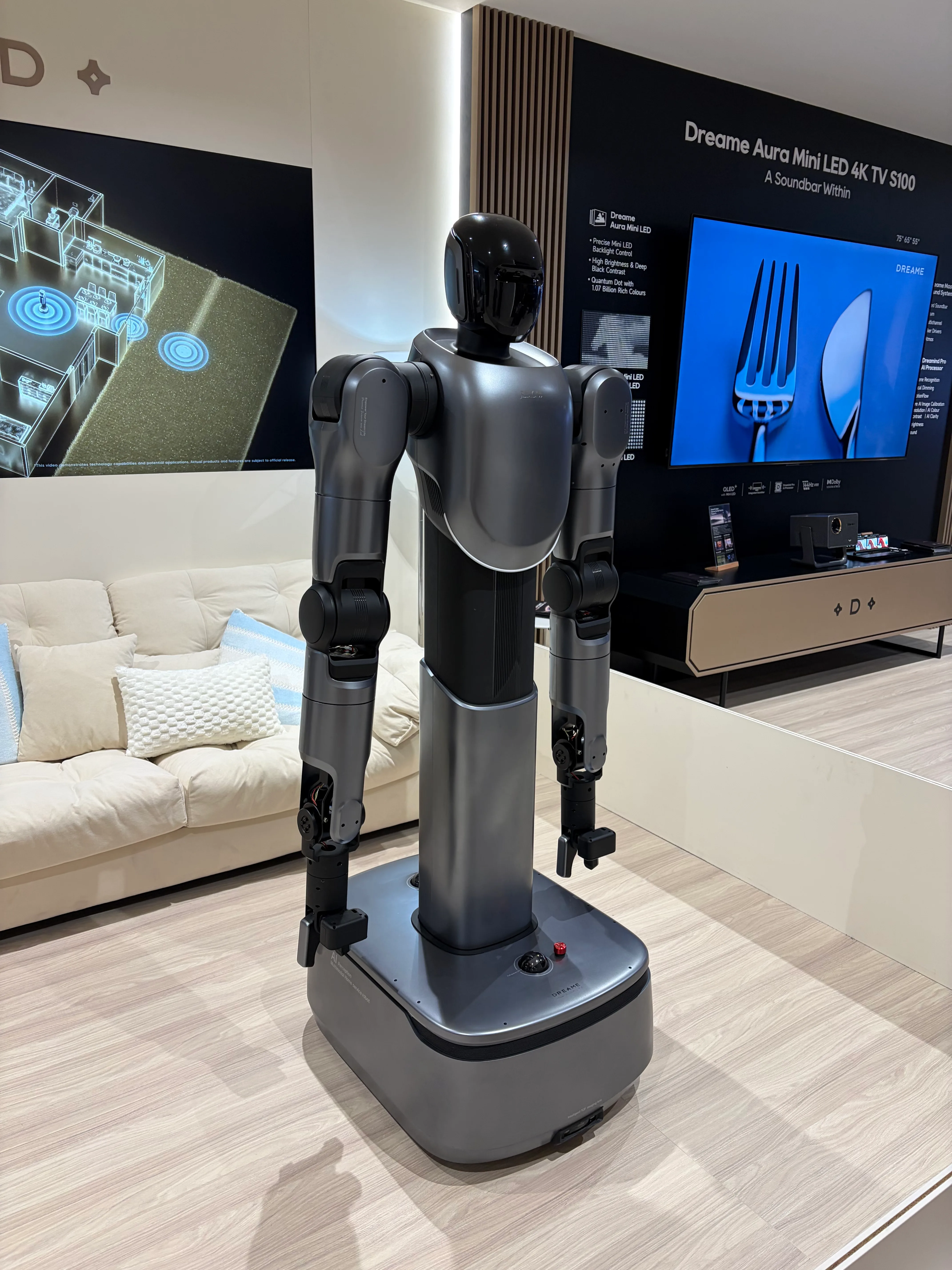
But what Dreame truly wants to showcase at this IFA is not merely these robots, but the technical confidence of the brand itself. Powering its four major product lines are three foundational technologies: the intelligent control system, full-scene perception system and general home large model.
Products built upon these technologies are the ECHO series of embodied service robots. The S1 is designed for home washing and drying services, while the P1 handles tasks such as transporting items and storage. Although still under development, we can see home appliances are starting to gain limbs to interact with the physical world.
(Image source: Captured on-site by the Leitech IFA Reporting Team)
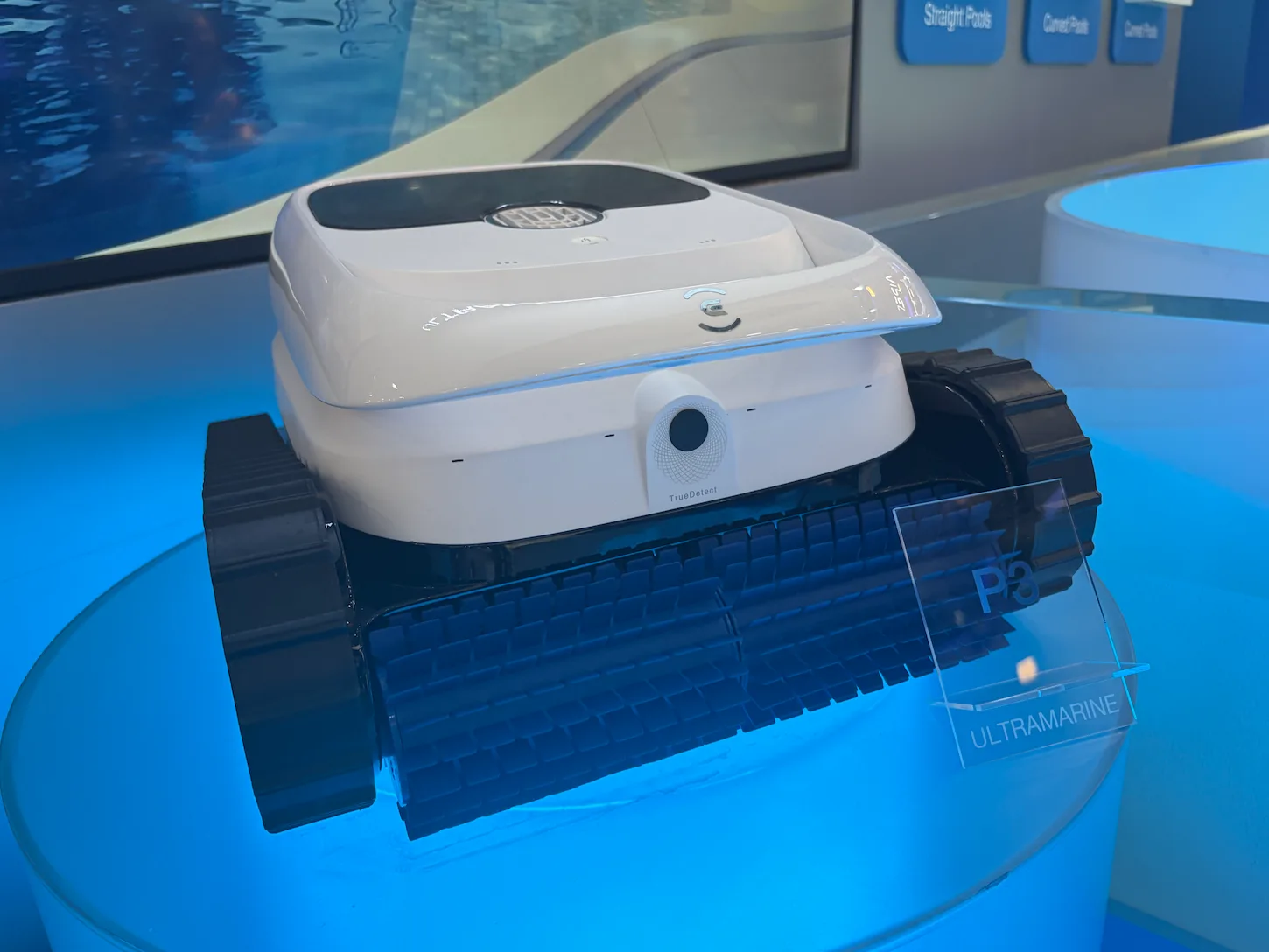
ECOVACS set its theme as “full-scenario home service robots”. For floor cleaning, it offers a full tiered lineup of DEEBOT robot vacuums ranging from flagship to entry-level models. According to official data, these products have served more than 38 million households worldwide. Its WINBOT window-cleaning robots hold over 65% of the global window robot market share. To put it another way, more than six out of every ten window-cleaning robots sold globally come from ECOVACS. Targeting the European market, the brand also unveiled the GOAT lawn robot and the ULTRAMARINE pool-cleaning robot.
(Image source: Captured on-site by the Leitech IFA Reporting Team)
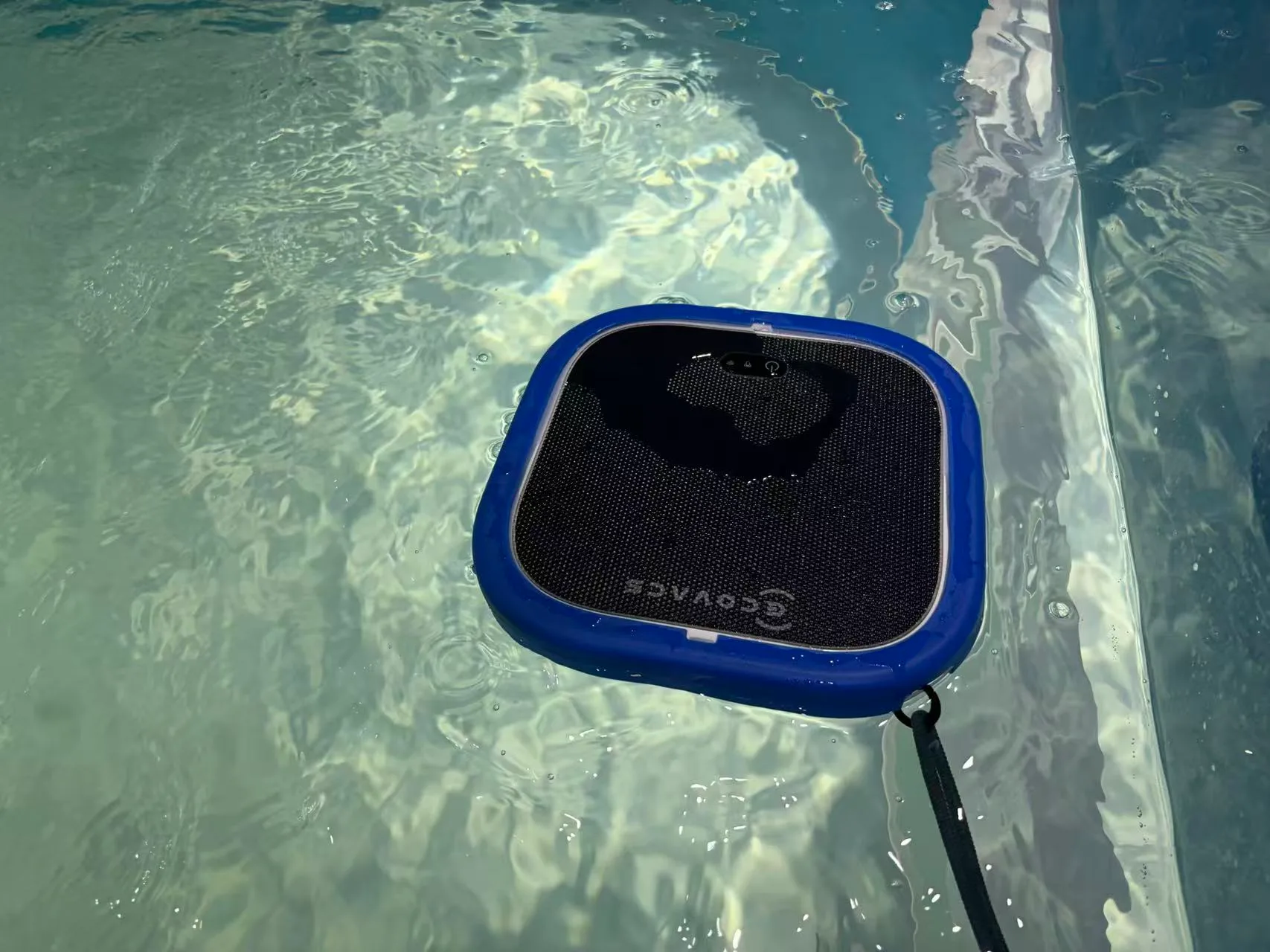
Leitech’s reporting team, who visited the booth ahead of the official opening, also captured close-up shots of the pool-cleaning robot. We think its design details are worth highlighting. As we know, Wi-Fi and Bluetooth stop working once smart devices operate underwater. To tackle this, ECOVACS has equipped the robot with a floating repeater powered by solar energy to maintain stable connectivity. It adopts laser technology for underwater obstacle avoidance. Using LiDAR underwater has long been a “century-old technical challenge”, yet ECOVACS has finally cracked it. This technical edge will surely win over more European consumers.
(Image source: Captured on-site by the Leitech IFA Reporting Team)
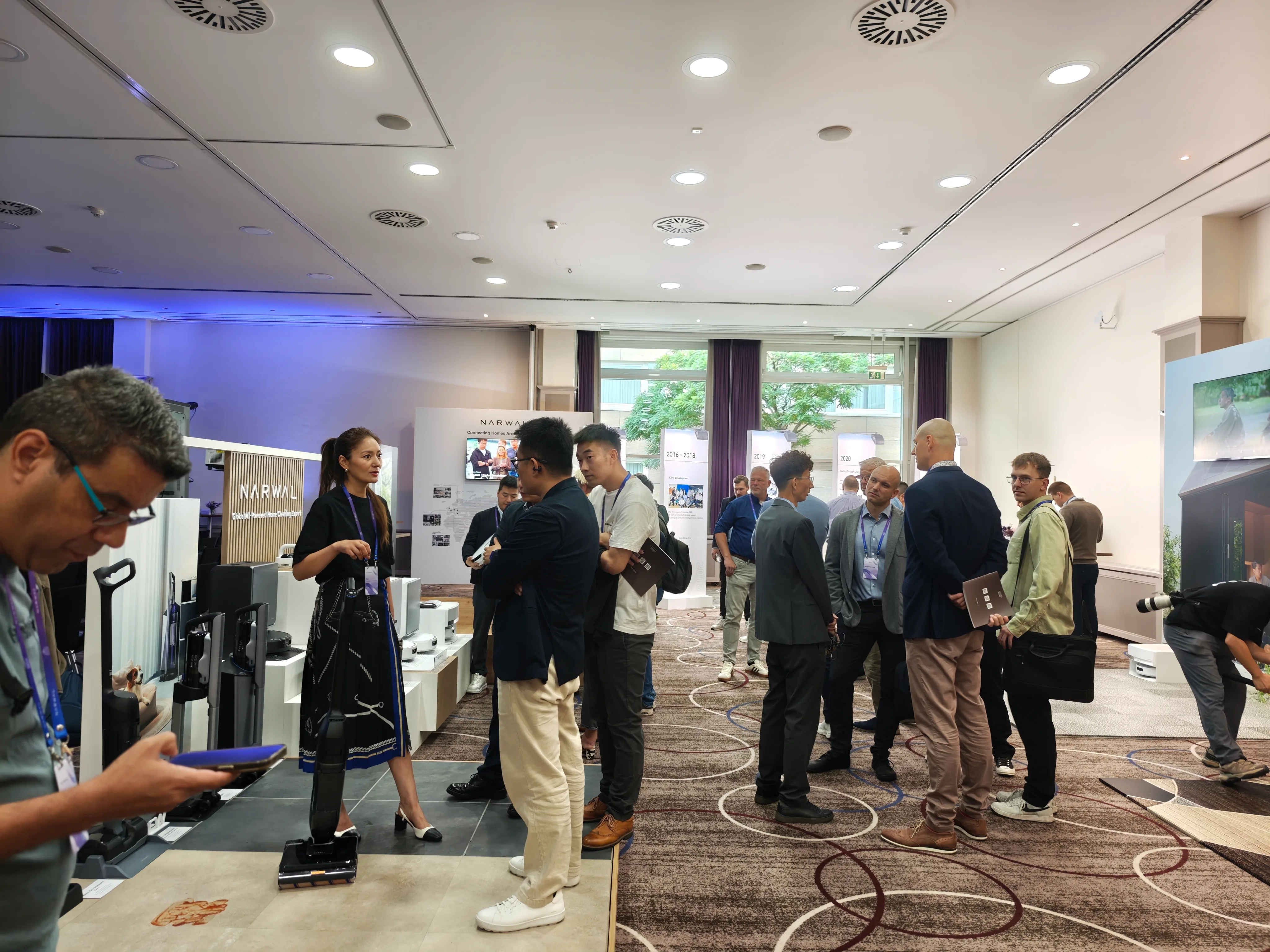
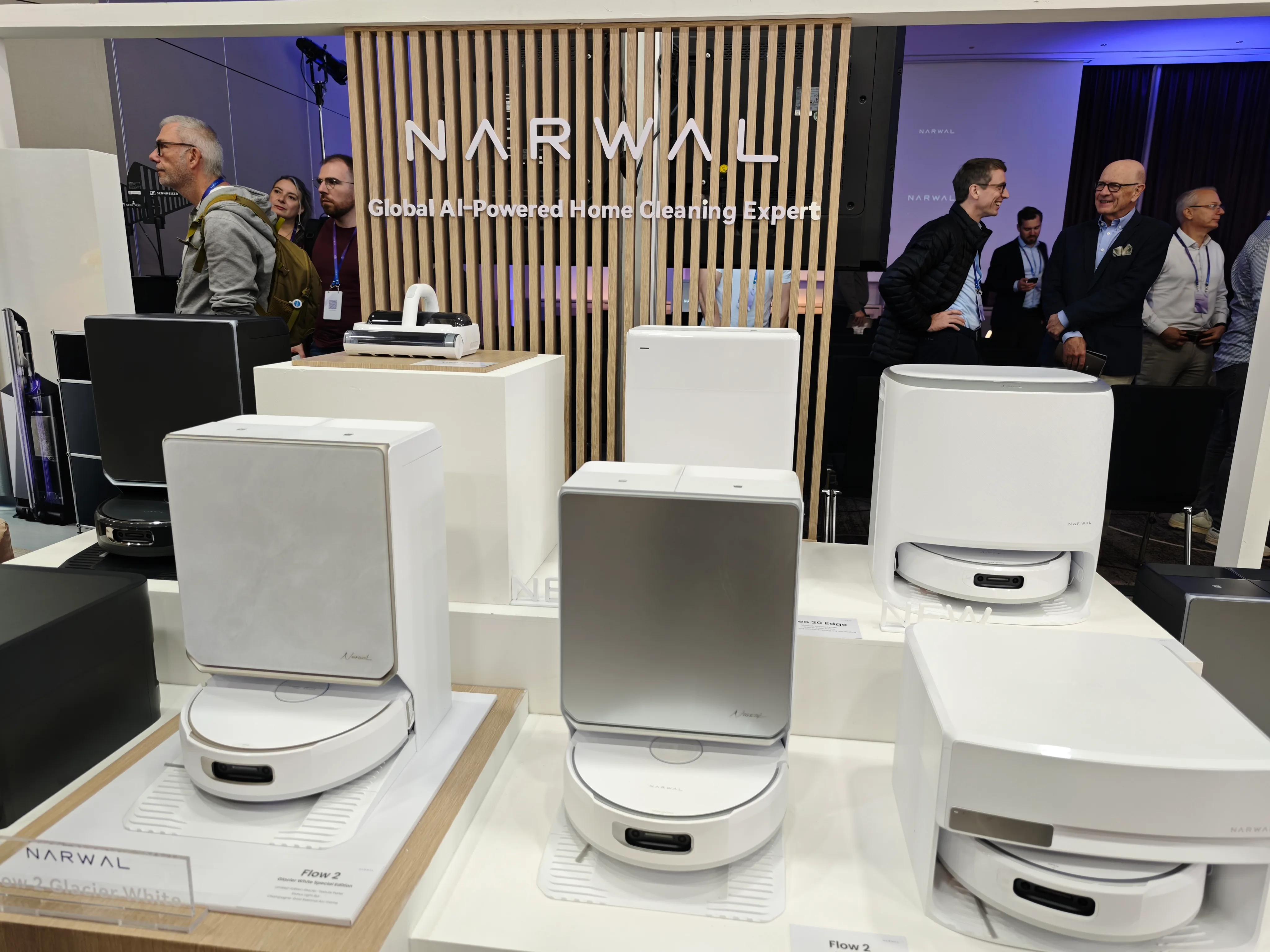
Narwal hosted its 10th-anniversary launch event right here in Berlin, unveiling multiple new cleaning robots including the Freo 20, Freo 20 Edge, Flow 2 and V50 Cube on the eve of IFA. Its core concept is “scene understanding”. Instead of rigidly following preset maps to carry out cleaning tasks, these robots dynamically adjust operations based on real-time surroundings. When they detect stains or different floor types, they automatically switch cleaning modes accordingly.
(Image source: Captured on-site by the Leitech IFA Reporting Team)
Narwal also stated that it aims to expand its robots beyond the 8-centimetre ground level into three-dimensional spaces reaching 1.2 metres and 2 metres high. To be frank, this remains in the planning phase for now. Plenty of technological advances will still be required before robots can climb onto coffee tables and tidy up objects. Still, Narwal deserves respect for sticking to this path for a full decade.
(Image source: Captured on-site by the Leitech IFA Reporting Team)
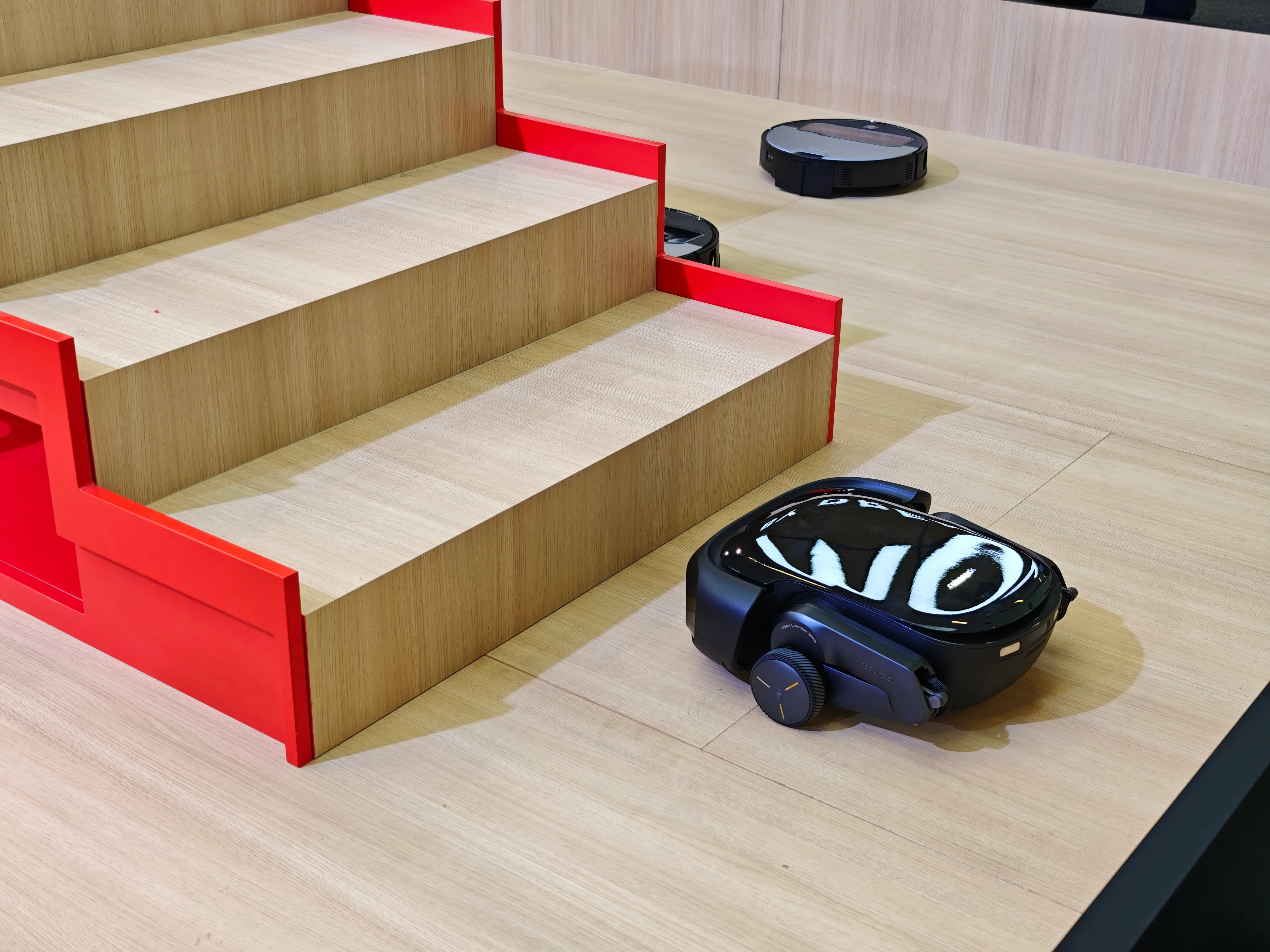
Roborock brought its wheel-legged robot vacuum G-Rover to the show. Conventional robot vacuums can only move on a 2D plane and have to detour when encountering door thresholds or carpet edges. By contrast, the G-Rover adopts a “wheel + leg” structure and can climb over household obstacles much like a human walking. For the first time, cleaning robots no longer get stopped by simple door thresholds. Beyond the G-Rover, Roborock also showcased steam cleaning technology and flagship products across its full lineup, including robot vacuums, wet-dry vacuums and lawn robots.
(Image source: Captured on-site by the Leitech IFA Reporting Team)
Previously, cleaning appliances each handled a single task. This year, the trend has been completely reversed. Dreame, ECOVACS and Roborock are all claiming more household chores for themselves, covering floors, windows, lawns and pools — almost handling every cleaning task in the home. This full-coverage approach to the entire household cleaning scenarios is precisely what gives these brands the confidence to enter the European market.
It’s Not Just Dancing Anymore: IFA Ushered in the First Year of Robots “Coming Into Homes”
If home appliances are growing embodied capabilities, then the IFA Next pavilion is where embodied intelligence takes centre stage.
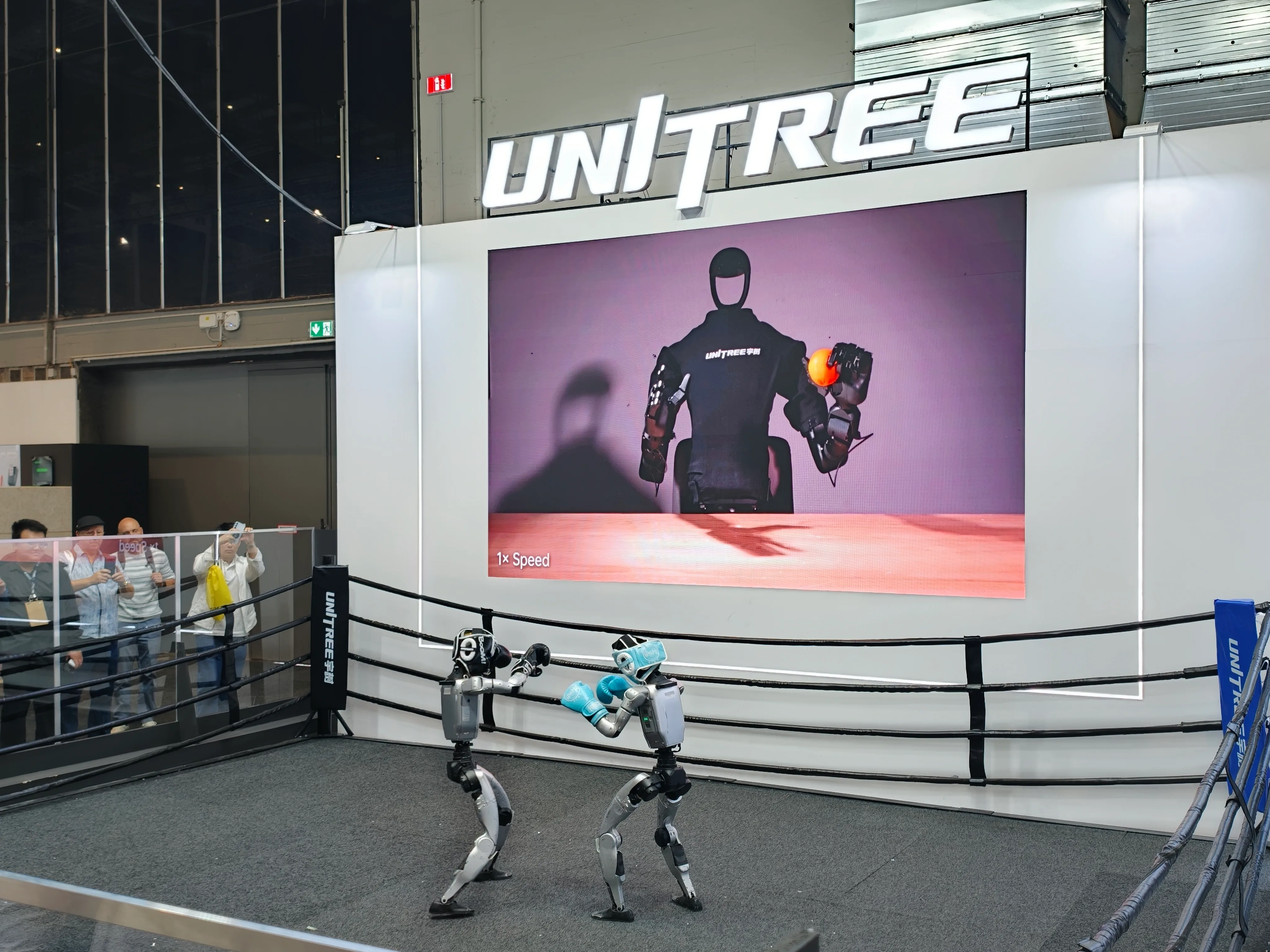
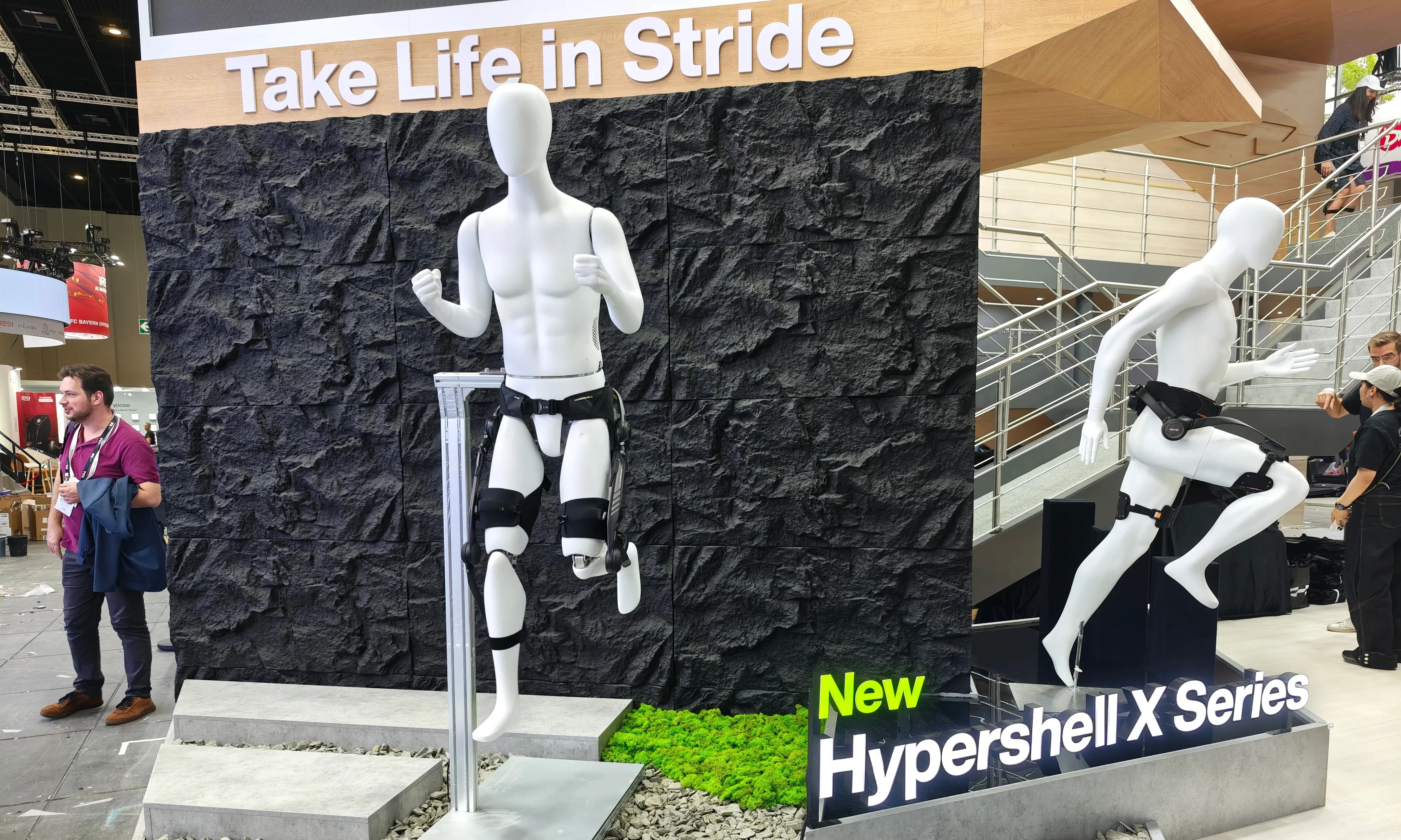
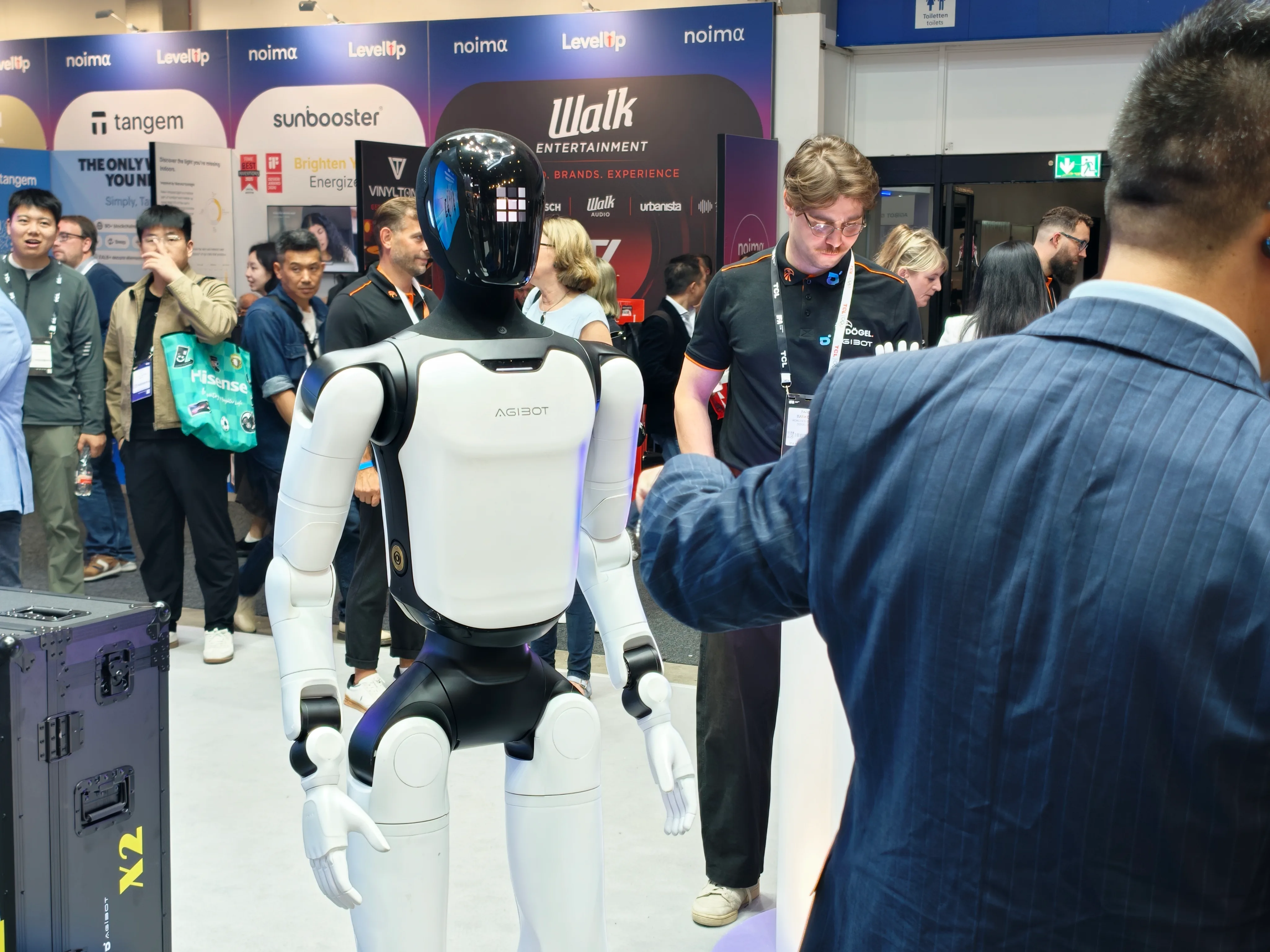
The number of exhibitors at IFA Next has expanded from roughly 260 last year to around 300 this year. According to official statements, it hosts “the largest humanoid robot showcase to date”. Well-known Chinese robotics players such as Unitree, Agibot and DeepRobotics have all turned up, along with Dobot and Pudu. Newcomers including Hangmo Robotics and Digua Robotics also made their appearance. The former showcased flexible force-controlled joints enabling robots to achieve “soft landing”, while the latter develops the “brain” for robots.
(Image source: Captured on-site by the Leitech IFA Reporting Team)
IFA even hosted a special “Robots on the Runway” show, where humanoid robots walked the runway on stage. The RoboCup robot football tournament also took place concurrently. Bear in mind that this exhibition started out with radio technology back in 1924 and has centred on home appliances for a century. Now it has built a dedicated runway for robots — the signal could not be clearer.
Why is IFA betting big on robots? Our team believes there are two key reasons. First, market acceptance keeps rising. Figures cited by GFU show that global revenue for the tech and durable goods market hit USD 430.5 billion in the first half of 2026, up 6.0% year-on-year. Growth is mainly driven by high-end products with tangible added value. Emerging markets across Asia, the Middle East and Africa recorded growth rates above 10%. Consumers are willing to spend real money on products that make life easier. Second, technology has reached a tipping point. Smaller, more energy-efficient models can run directly on end devices, meaning AI has finally obtained carriers capable of perception and execution within the physical world.
(Image source: Captured on-site by the Leitech IFA Reporting Team)
From robot vacuums to humanoid robots, some readers may wonder by now: are these embodied intelligence products just another gimmick? Our team acknowledges that there is still a long way to go from trade-show demonstrations to real adoption in households.
But look at it from another angle. If we classify smart home appliances in a tiered system similar to autonomous driving: most AI home appliances from previous years sat at Level 2. They could perceive and adjust their operations, yet fundamentally operated on the principle of “human sets the rules, machine executes”. This year’s flagship products have generally reached Level 3, capable of proactive service. Meanwhile, embodied robots from brands such as Dreame and Roborock are touching the threshold of Level 4 — meaning home appliances can interact with the physical world autonomously. This leap from L2 to L4 has taken only one year.
As Peng Hui (Zhihui Jun) once put it: robots should not merely dance on stages; their ultimate goal is to truly integrate into everyone’s daily life. This statement fits perfectly with what we have witnessed at this year’s IFA.
(Image source: Captured on-site by the Leitech IFA Reporting Team)
Over the past few years, humanoid robots have mostly been novelties seen at launch events and creator videos. Starting this year, however, they are evolving toward becoming a consumer electronics category “available for purchase by everyone”. Of course, many hurdles including pricing and reliability still stand between runway demos at trade shows and real deployment inside homes. Still, the overall direction is clear: the endgame for humanoid robots is to become major home appliances that every household can own, just like washing machines and refrigerators. And this year may well mark the starting point.
AI Glasses Flood the Showfloor: Is the Next-Gen Personal Device Settled?
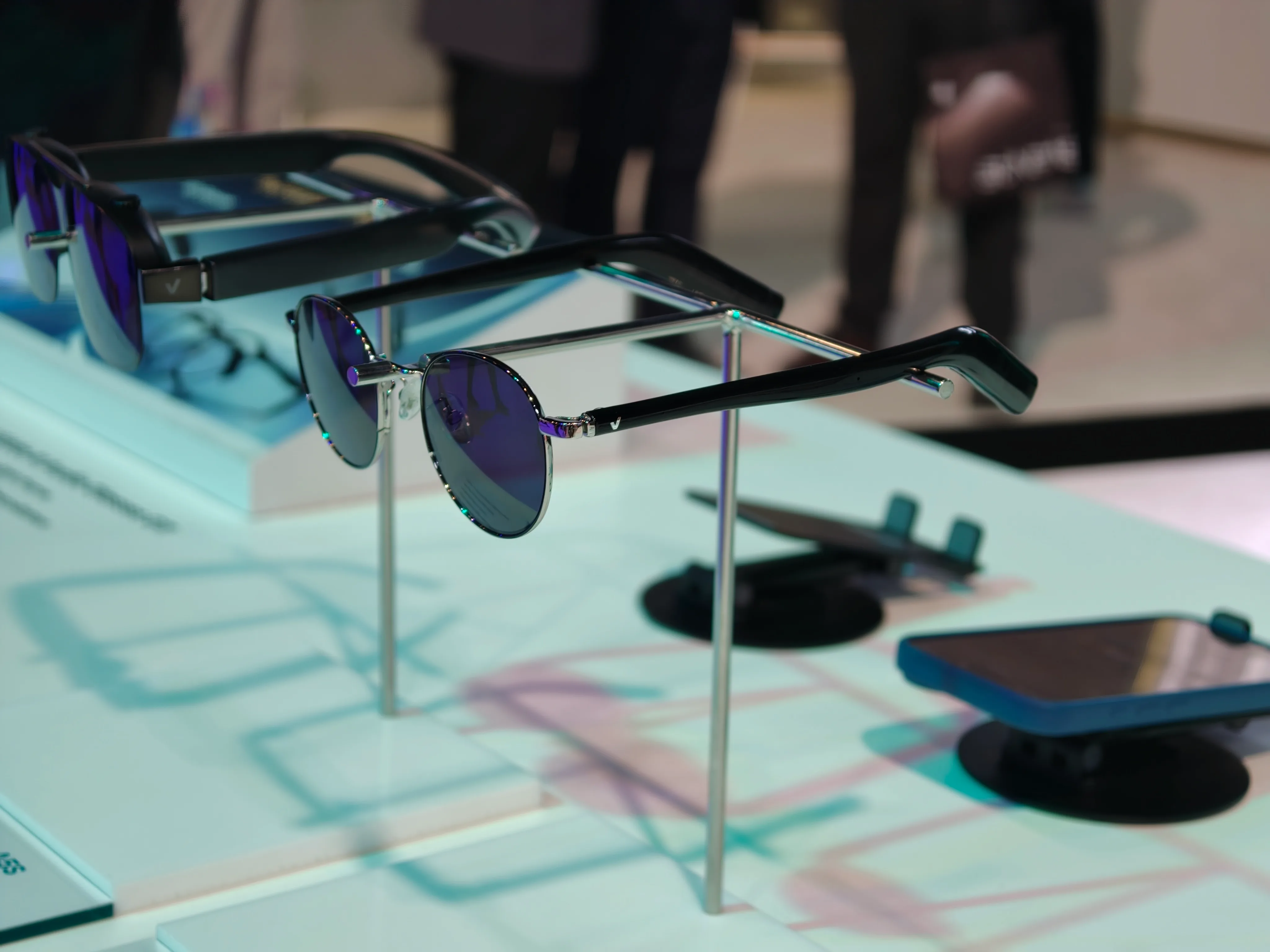
Lastly, let’s talk about AI personal devices. At last year’s IFA, AI headphones stole the spotlight, such as Timekettle’s W4 translation earbuds and ForwardX’s conference headsets. This year, the baton has clearly been passed to AI glasses.
(Image source: Captured on-site by the Leitech IFA Reporting Team)
RayNeo from TCL brought two product lines to IFA. The iO smart glasses are designed for daily use. Its side-mounted HUD can display to-do lists, weather updates and AI information in real time, and supports real-time translation across 40 languages. The GT and GT Max models focus on immersive video viewing, projecting a virtual screen up to 307 inches. The lightest version weighs merely 68 grams, and the full lineup comes equipped with B&O four-speaker audio. These two models have already launched in China, and their appearance at IFA is clearly targeted at the European market.
BleeqUp focuses on sports scenarios. Founded by Wu Dezhou, former CTO of Smartisan, the brand’s new product features four-in-one integration for athletic use. It advances AI from “post-activity logging” to “real-time intervention”, delivering feedback according to your physical state mid-workout, instead of only letting you review records after getting home.
Smart rings are another highlight this year. KiWear’s device combines AI gesture control and health monitoring, compatible with nine categories of hardware including smartphones, TVs, car systems and AR glasses. It just launched its Kickstarter campaign on September 2. The trend of screen-free wearables keeps expanding: following Fitbit and Garmin, Withings and Xiaomi have rolled out screen-free bands and smart rings. Many are watching closely to see whether RingConn Gen 3 can deliver reliable, accurate blood pressure tracking.
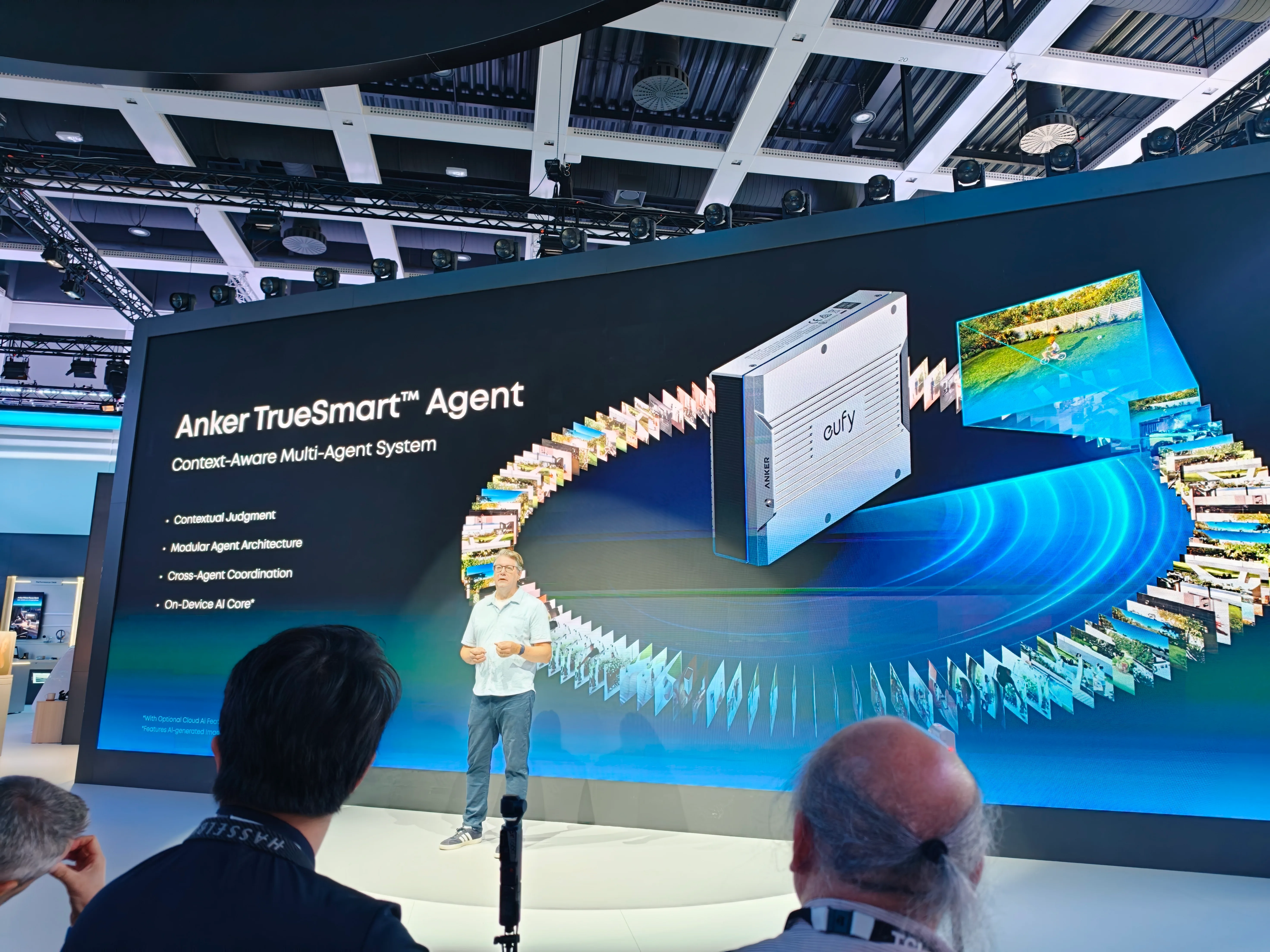
Anker Innovations continues its full-ecosystem strategy. Beyond charging and energy storage, its self-developed Thus chip unveiled earlier this year is also on display. The on-device AI capabilities inside the Liberty 5 Pro earbuds mark the first application of this chip. Given Europe’s electricity prices and apartment-dominant housing landscape, energy storage products from brands like Anker and EcoFlow — balcony-friendly, modular and stackable, with AI to automatically manage whole-home power consumption — are bound to gain strong market appeal.
(Image source: Captured on-site by the Leitech IFA Reporting Team)
There was another product that caught our team by surprise: the Dyson CameraJet visual imaging toothbrush. Packed inside the toothbrush is a 100,000-pixel macro camera paired with AI algorithms to check whether you have brushed your teeth thoroughly. Even toothbrushes are gaining “eyes”, which shows just how deeply AI has permeated this trade show. Dyson also previewed new products spanning nine categories, including its next-generation robot vacuum. It looks like the competition in the smart cleaning zone is set to heat up further.
Smart Mobility: Familiar Players From Last Year Keep Pushing Innovation
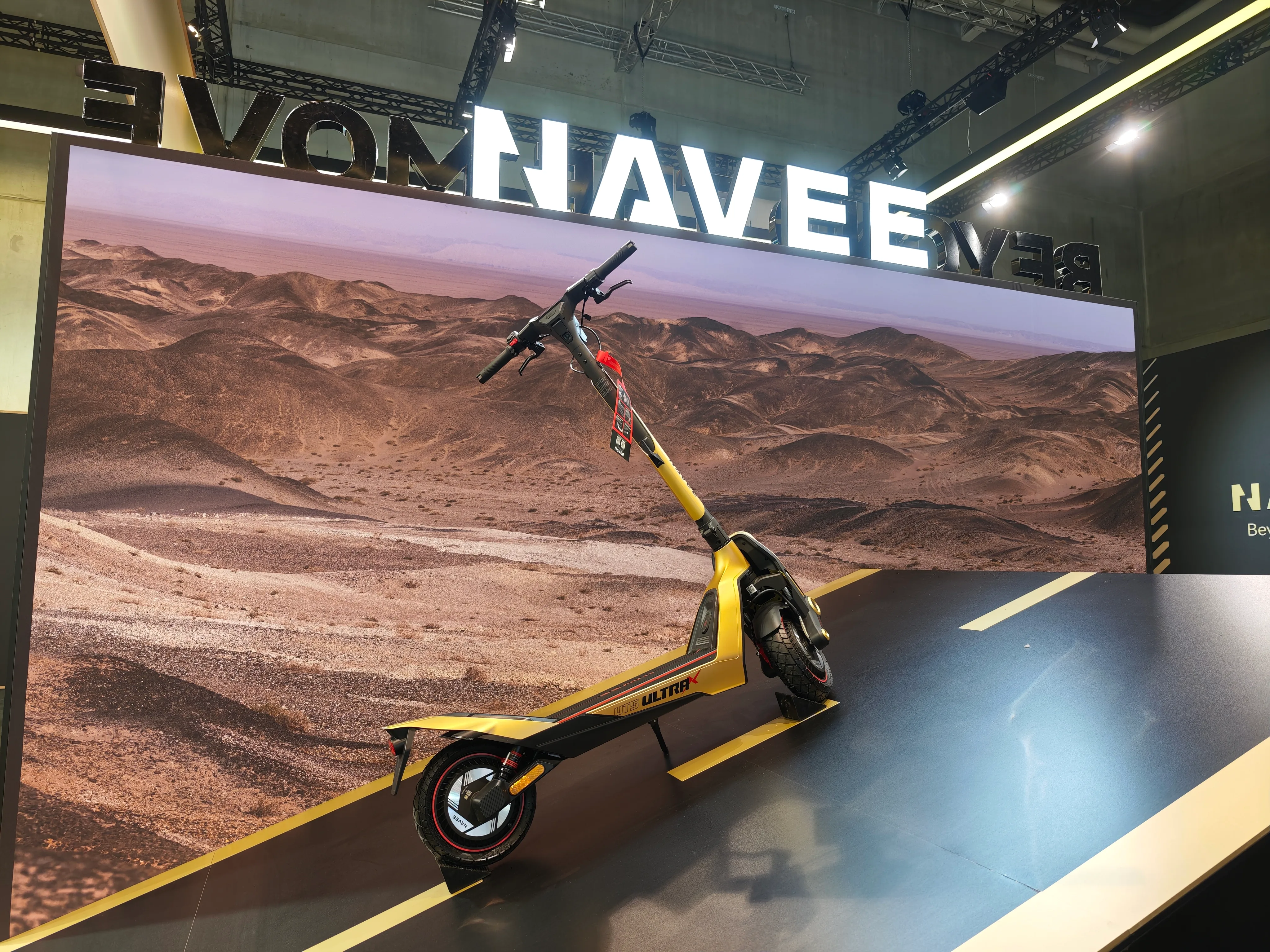
In our IFA opening-day coverage last year, smart mobility stood out as a memorable segment. NAVEE delivered a perfect demonstration of “scenario innovation” with its dual-motor all-wheel-drive off-road electric scooter. NAVEE is back again this year. Its booth has moved from Hall 10.2 to the outdoor Sommergarten area and Mobility Track. Electric scooters and e-bikes remain the centrepieces. After all, demand for such micromobility vehicles in the European market is very real.
(Image source: Captured on-site by the Leitech IFA Reporting Team)
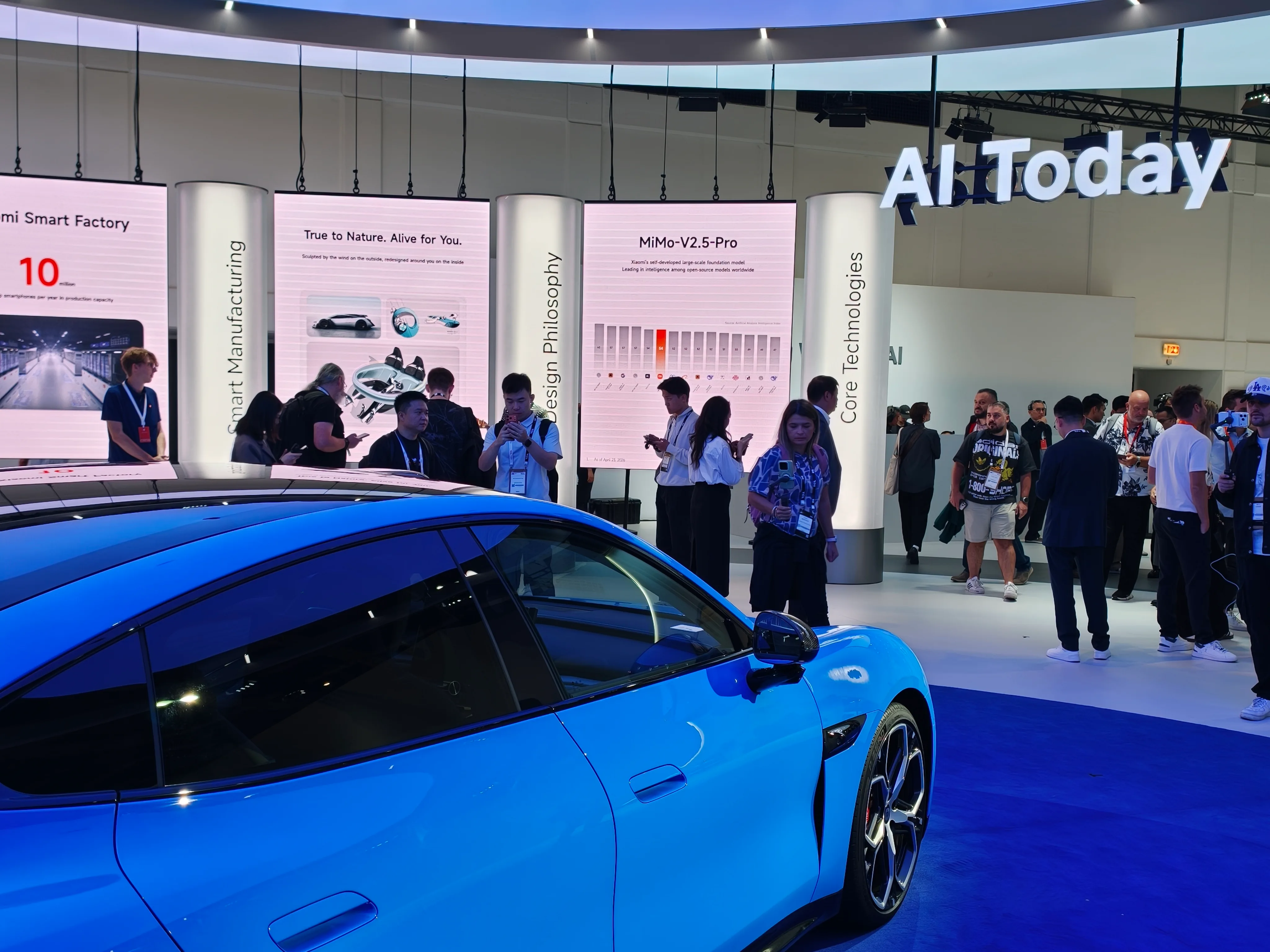
Automotive giant Volkswagen also joined the Mobility zone, setting up its booth within Sommergarten. It is interesting to note that while Volkswagen brought electric vehicles and smart mobility technologies to this home appliance exhibition, Xiaomi also showcased its cars here. The boundary between vehicles and homes is being further blurred. This is arguably the most noticeable shift of IFA in recent years: it is far more than merely a “home appliance show”.
(Image source: Captured on-site by the Leitech IFA Reporting Team)
Chinese Tech Goes Global: Brands, Channels and Services as Enablers for Overseas Expansion
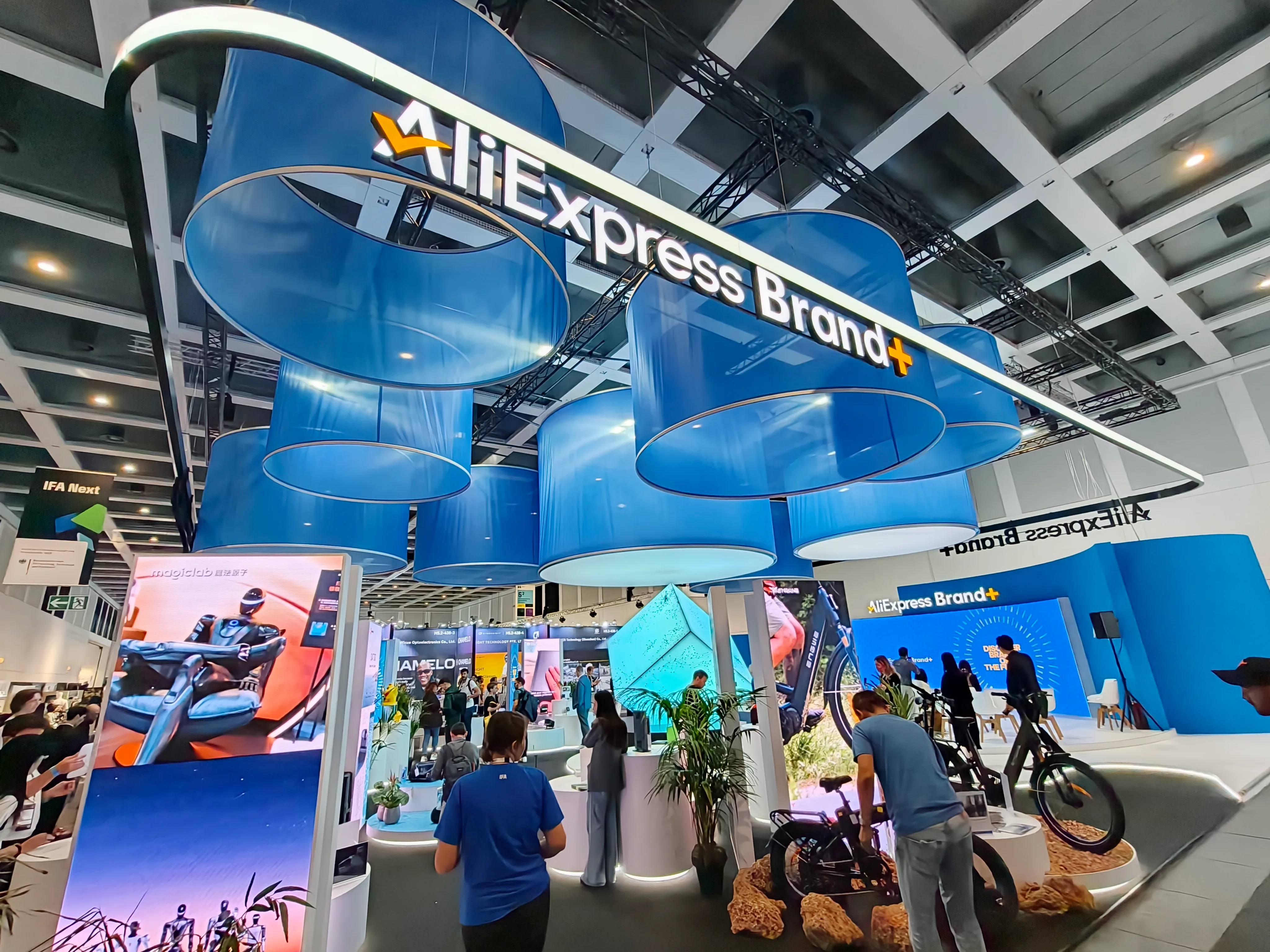
This IFA also featured an interesting "atypical" exhibitor: AliExpress under Alibaba. Among the four major cross-border e-commerce platforms powering China’s overseas exports, it is the first to step onto the stage of this world-leading consumer electronics exhibition. This time, it brought nine Chinese brands under its Brand+ program for a group showcase. Put simply, Chinese brands once relied solely on products to go global. Now, the sales channels themselves have also become an integral part of brand overseas expansion.
(Image source: Captured on-site by the Leitech IFA Reporting Team)
AliExpress also unveiled three upgrades to its Brand+ programme at IFA: expanded marketing solutions for the US, South Korea and Brazil, AI operation tools for product selection and pricing, and the official launch of its German warehouse in mid-September, which the platform claims can cut merchants’ warehousing and delivery costs by 10%. It is worth noting that competitors have faced order headwinds amid EU tax reforms, yet AliExpress achieved an impressive 97% year-on-year growth in the EU market in August. A Nielsen report also states that 89% of European consumers have switched shopping platforms, with the largest group moving away from Amazon to AliExpress.
Simply put, while Chinese brands showcase their strength at IFA, AliExpress aims to serve as the pathway that turns that strength into actual sales.
Another highlight: AMD delivered the opening keynote of this year’s IFA. On the morning of September 4, Jack Huynh, Senior Vice President and General Manager of AMD’s Computing and Graphics Business Group, spoke on the Innovation Stage about “the era of Personal AI. Industry rumours suggest the official launch of the Ryzen AI MAX 400 series processors would take place here.
This chip is remarkable: it is the first x86 processor supporting up to 192GB unified memory. The CPU, GPU and NPU share one memory pool, with up to 160GB dynamically allocable as video memory. In plain terms, a single laptop can run large language models with over 300 billion parameters locally. The return of a chipmaker to deliver IFA’s opening keynote after many years shows that this exhibition has evolved far beyond a showcase for end devices. As AI enters the physical world, computing giants cannot afford to stay on the sidelines.
The Future Is Now! IFA Showcases Buyable Future Lifestyles
Members of the Leitech reporting team clocked an average of 15,000 steps after a full day exploring the show. As our first-day booth tour draws to a close, if we had to pick one keyword for this IFA, it would be “home”.
Brighter TVs, functional home appliances and robots moving into households — these three threads converge at the same destination. This marks the biggest difference between this year’s IFA and previous editions. Individually, none of these products are entirely new. But this is the first time they have been connected and placed within the “home” scenario as a whole.
Last year we noted that Chinese brands were shifting from “export trade” toward “localised operations”. This year’s figures tell an even clearer story: out of more than 1,900 exhibitors, roughly 900 are from China, accounting for nearly half of all participants, over 200 more than last year. Xiaomi brought its entire ecosystem to Berlin, while AliExpress made its debut with a cohort of overseas-bound brands. Chinese brands have evolved from mere exhibitors into agenda-setters.
Of course, robots still face major hurdles around pricing and scenario adaptability before truly entering homes, and AI home appliances are still shaking off the gimmick debate. IFA remains grounded and avoids empty promises: CES shows you what the future could look like, while IFA puts a purchasable version of that future right in front of you. Products featured here are usually just one step away from hitting store shelves.
September 4–8: IFA 2026, the world’s largest exhibition for home appliances and consumer electronics, will grandly open in Berlin.
Hailed as “the top new media outlet for IFA coverage” widely recognised within the global AI industry, Leitech has dispatched its highest-calibre and largest-ever exploration team to Berlin this year. Adopting a “2+N” model (two on-site hosts plus multiple field editors and back-office editors), the team will deliver immersive, multi-dimensional and first-hand coverage of IFA 2026. Coverage will focus on the integration of AI Agent with home appliances and hardware, the fusion of robotics and household scenarios, emerging digital lifestyle trends linking vehicles, people and homes, and the global showcase of Chinese brands on the world stage.
All members of the Leitech IFA 2026 reporting team arrived in Berlin on September 3 to kick off preliminary coverage. Stay tuned!