 雷科技
雷科技





On September 4, IFA 2026 officially opened in Berlin, Germany. As one of the world’s three largest consumer electronics trade shows, this year’s IFA attracted over 1,900 exhibitors from 49 countries and regions, under the theme “The Future is Now.” LeiTech (ID: Leitech) deployed its “LeiTech IFA26 Reporting Team” to Berlin for on-site, multi-dimensional, and first-hand coverage of IFA 2026.
This year’s IFA featured not only traditional consumer electronics and smart home appliances but also introduced an entirely new product category: automobiles. In previous years, automotive-related exhibits at IFA typically focused solely on components such as batteries and in-vehicle electronics. This year, however, three full-fledged automakers—Xiaomi, XPeng, and Volkswagen—exhibited at the show, marking a significant milestone: the first time mainstream vehicle manufacturers have jointly participated in IFA.
The event also signaled an emerging industry trend: “People-Car-Home.” First introduced by Xiaomi as a corporate strategy three years ago, this concept has now matured into a comprehensive ecosystem. At IFA, Xiaomi delivered its largest overseas showcase yet of its integrated “People-Car-Home Ecosystem,” signifying that Xiaomi’s global expansion has entered a new phase—“People-Car-Home Ecosystem Globalization.”
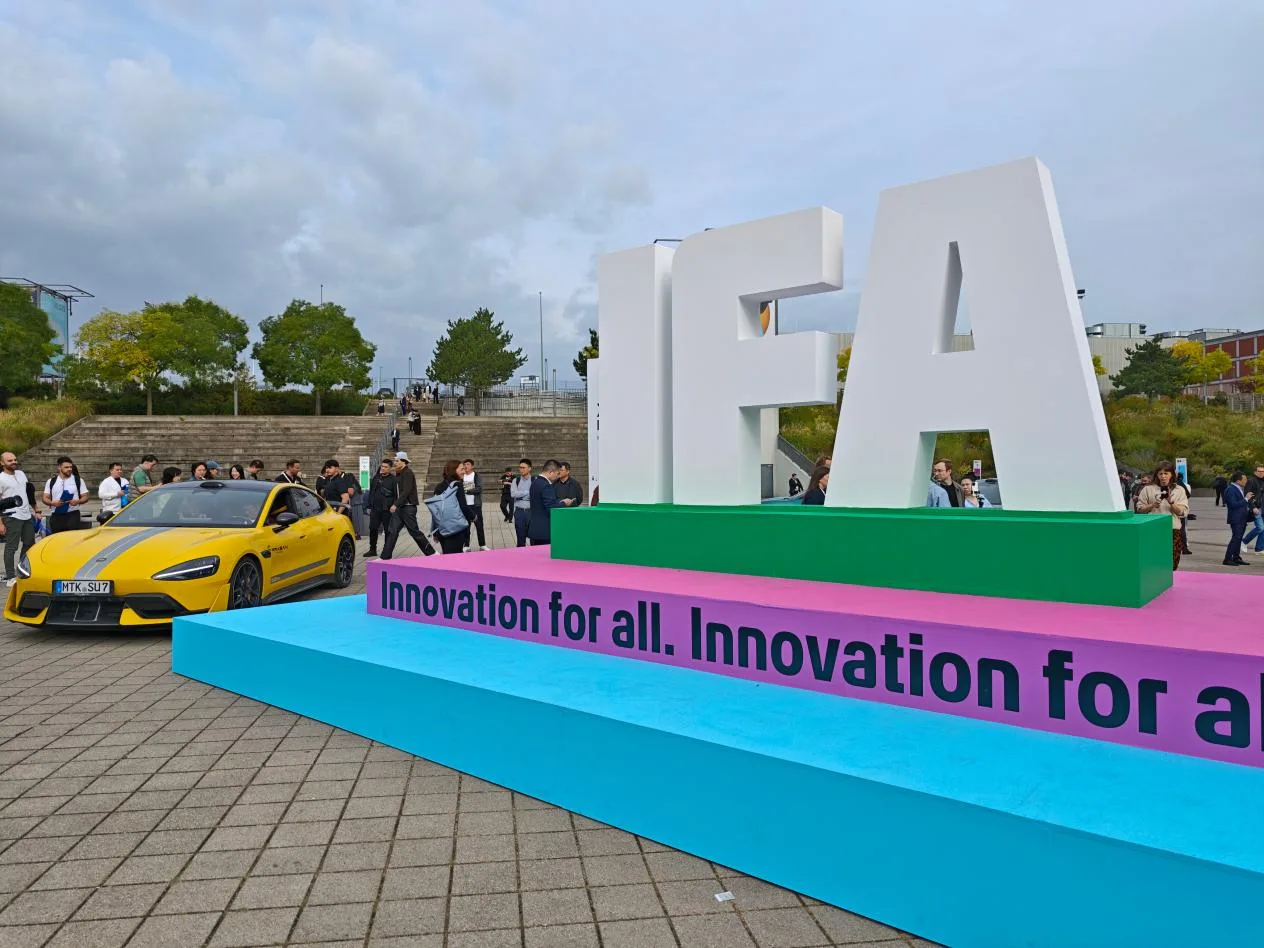
(Photograph source: LeiTech IFA Reporting Team, on-site)
The “People-Car-Home” concept reflects the increasingly blurred boundaries among consumer electronics, smart home appliances, and intelligent vehicles—a reality unfolding across China’s industries today and poised to become tomorrow’s norm across Europe and global markets. Today, LeiTech (ID: Leitech) takes you through IFA’s “People-Car-Home” highlights.
Xiaomi: A Blockbuster Debut at IFA—Globalizing the People-Car-Home Ecosystem
When discussing “People-Car-Home,” Xiaomi naturally stands front and center.
On October 26, 2023, during the HyperOS launch event, Xiaomi formally elevated its group-level strategy from “Smartphone × AIoT” to “People-Car-Home Ecosystem.” At the core of this ecosystem lies HyperOS—the unified foundational platform connecting personal mobile devices, intelligent vehicles, and smart homes. Following the launch of Xiaomi’s first production vehicle, the SU7, in 2024, the ecosystem achieved full integration.
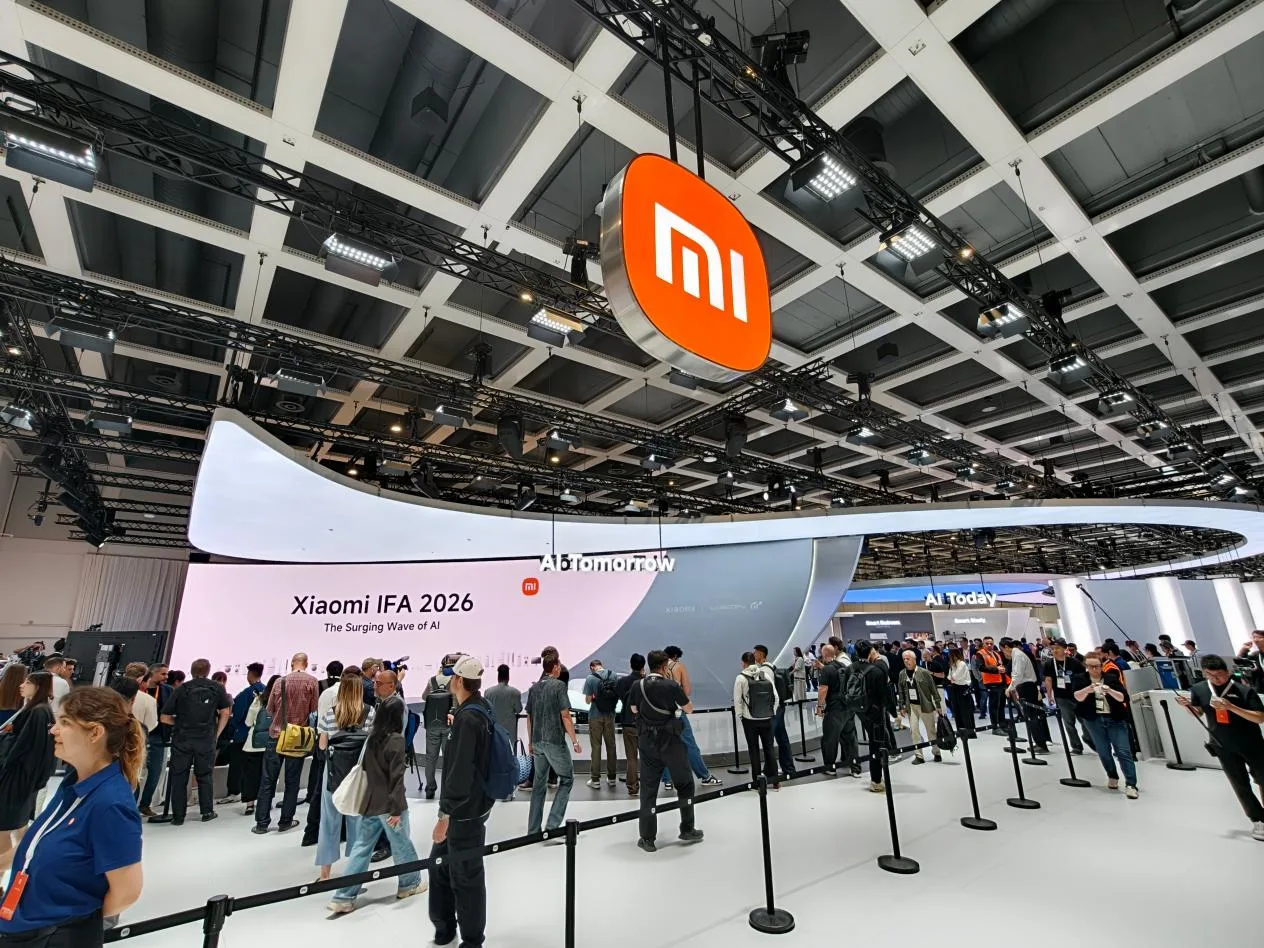
Almost three years after announcing the “People-Car-Home Ecosystem,” Xiaomi brought the concept to IFA Berlin—delivering a complete, cohesive presentation to the European market.
(Photograph source: LeiTech IFA Reporting Team, on-site)
Although this marks Xiaomi’s IFA debut, the scale of its participation—including exhibition space and number of products—underscores its strategic commitment to the event.
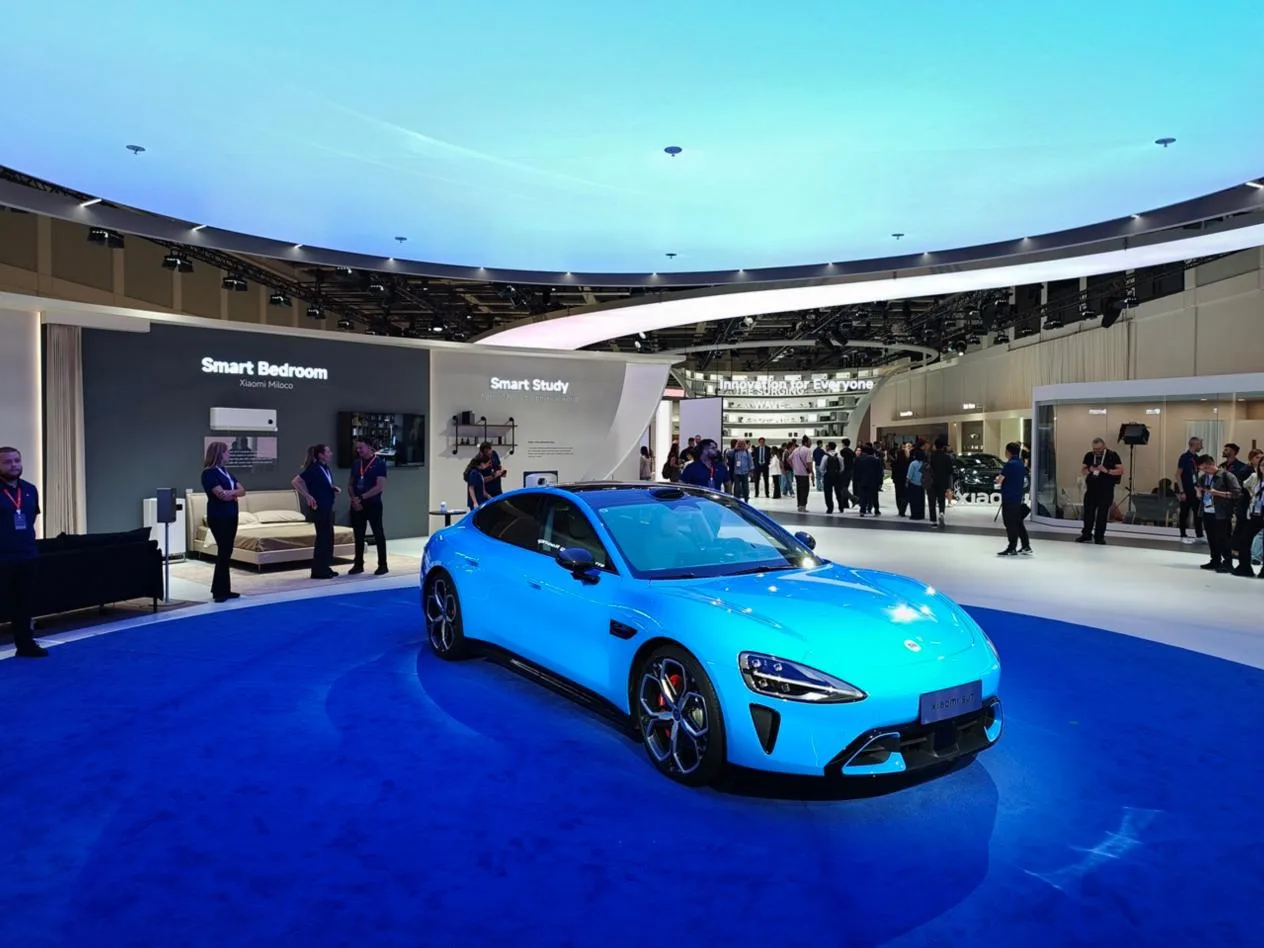
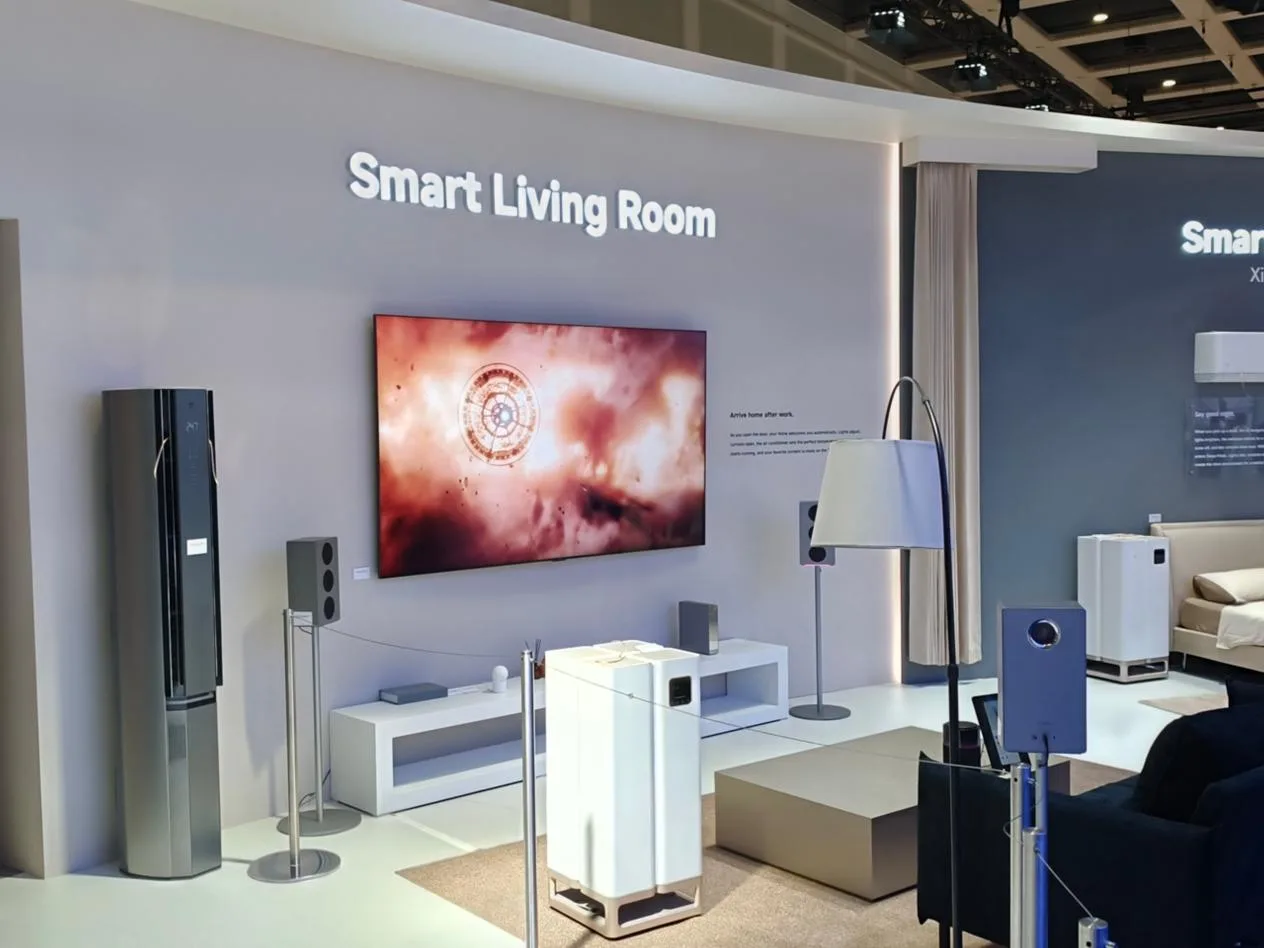
At this year’s IFA, Xiaomi occupied a 3,369-square-meter booth—the largest overseas exhibition space in Xiaomi Group’s history. Featured products included the Xiaomi 18 Fold smartphone, Xiaomi SU7 and YU7 electric vehicles, the Xuanjie O3 chip, the CyberOne robot, and a wide array of digital and home appliance products—representing a holistic demonstration of the “People-Car-Home Ecosystem.”
(Photograph source: LeiTech IFA Reporting Team, on-site)
For Xiaomi, this IFA appearance holds pivotal significance for its European strategy—bridging past achievements with future ambitions—and showcases the company’s long-term vision for the European market via its integrated “People-Car-Home Ecosystem.”
What does “bridging the past” mean? It refers to Xiaomi’s established presence in Europe’s digital 3C and home appliance sectors.
Public data shows Xiaomi has launched Mi Home retail stores across major European markets—including Germany, Spain, the UK, France, and Italy. Its smartphone sales consistently rank among the top three in Europe, with 21.8 million units shipped in 2026—capturing a 16% market share.
IoT devices such as fitness bands, smart speakers, and air purifiers have already entered mainstream online and offline retail channels across Europe and gained strong local consumer acceptance.
(Photograph source: LeiTech IFA Reporting Team, on-site)
Beyond smartphones and small appliances, Xiaomi’s large home appliances officially entered international markets in 2025, with washing machines and washer-dryer combos launching first in Spain, France, Germany, and Italy. In 2026, refrigerators and air conditioners expanded into select European markets.
To date, Xiaomi has completed intelligent deployments for “People” and part of “Home” in Europe. “Paving the way forward” means completing the remaining pieces—accomplished through two strategic initiatives.
First, further expanding “Home”: The Mijia brand—known domestically as Mi Home—is now scaling up its European market entry. Xiaomi President Lu Weibing stated on Weibo: “Xiaomi’s AIoT business has established a solid foundation overseas, but we aim to accelerate globalization so more international users can benefit from Xiaomi’s products.”
Second, globalizing Xiaomi’s automotive business.
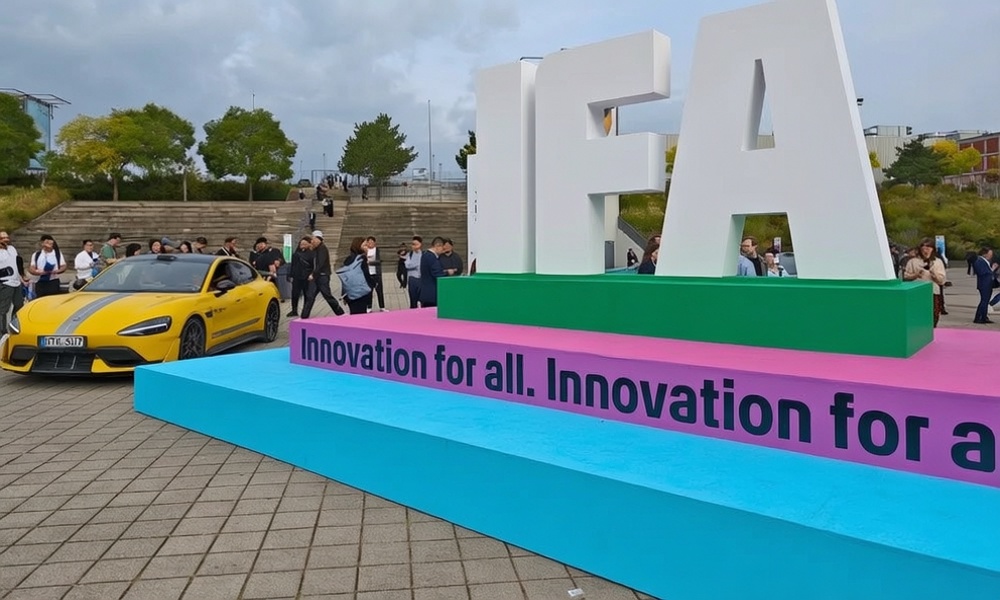
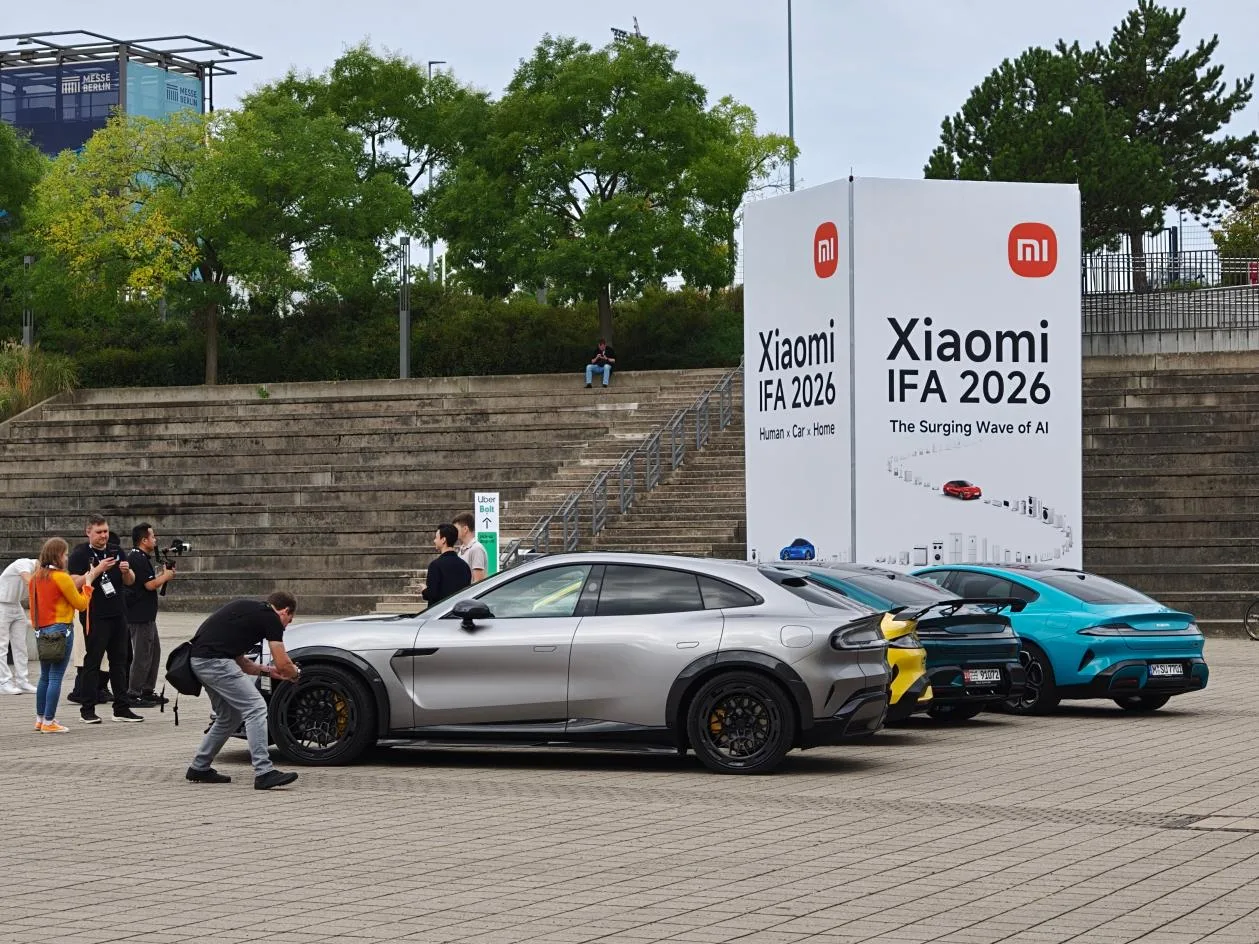
At this IFA, Xiaomi dedicated exceptional attention to its automotive display—featuring vehicles both inside and outside the main exhibition hall, even alongside the official IFA logo. All three mass-production models—SU7, SU7 Ultra, and YU7—were showcased, transforming Xiaomi’s booth into a “mini auto show” drawing intense media and visitor attention.
(Photograph source: LeiTech IFA Reporting Team, on-site)
In the AI Tomorrow exhibition zone, Xiaomi Vision Gran Turismo debuted its interactive greeting mode—showcasing Xiaomi’s vision for future mobility.
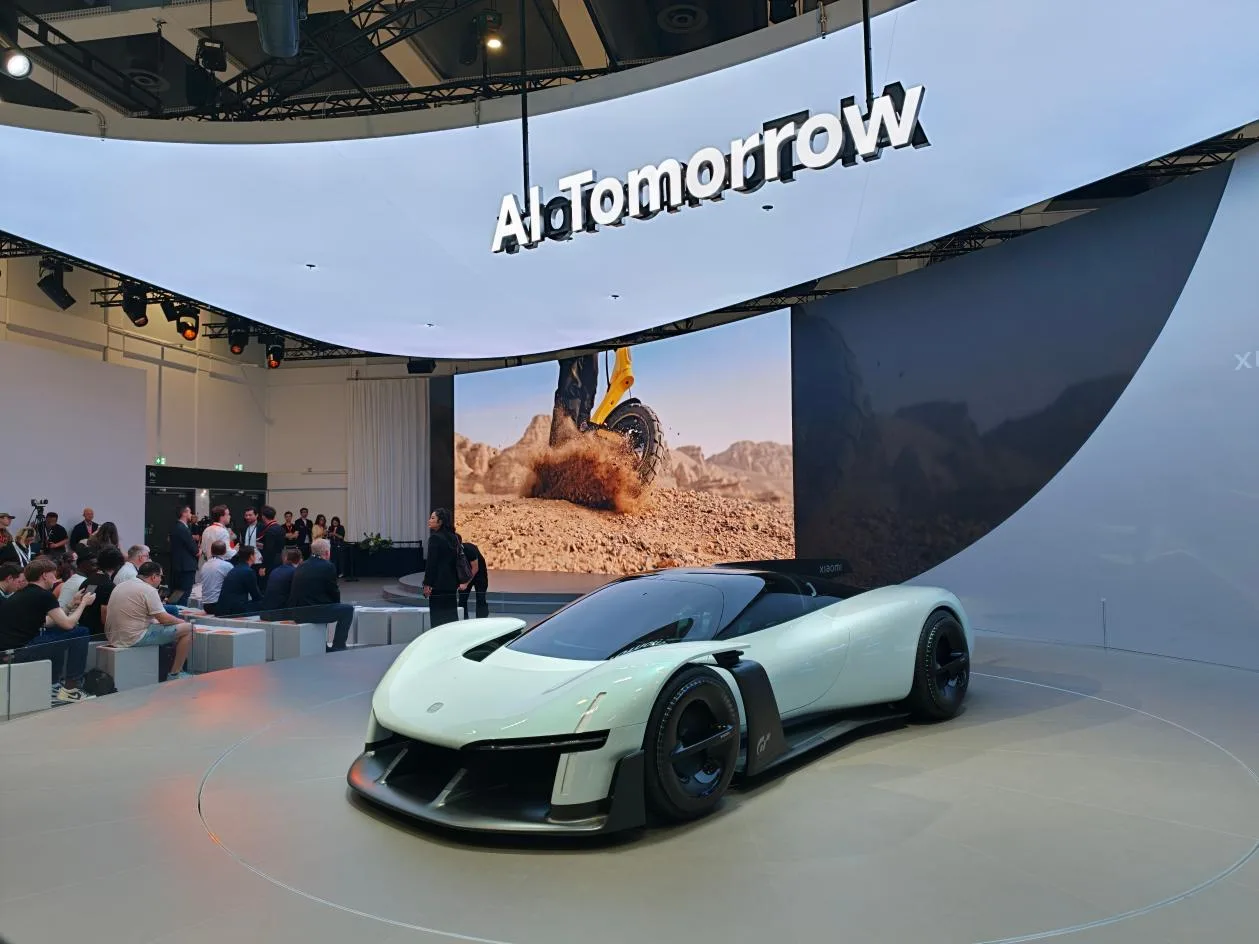
(Photograph source: LeiTech IFA Reporting Team, on-site)
Per Xiaomi’s prior roadmap, Xiaomi Automotive will officially enter overseas markets in 2027, beginning with Europe. Germany will serve as the initial launchpad, followed by gradual expansion into France, Spain, Italy, Norway, and other markets. At IFA, Xiaomi signed memoranda of understanding with eight leading German automotive distributors.
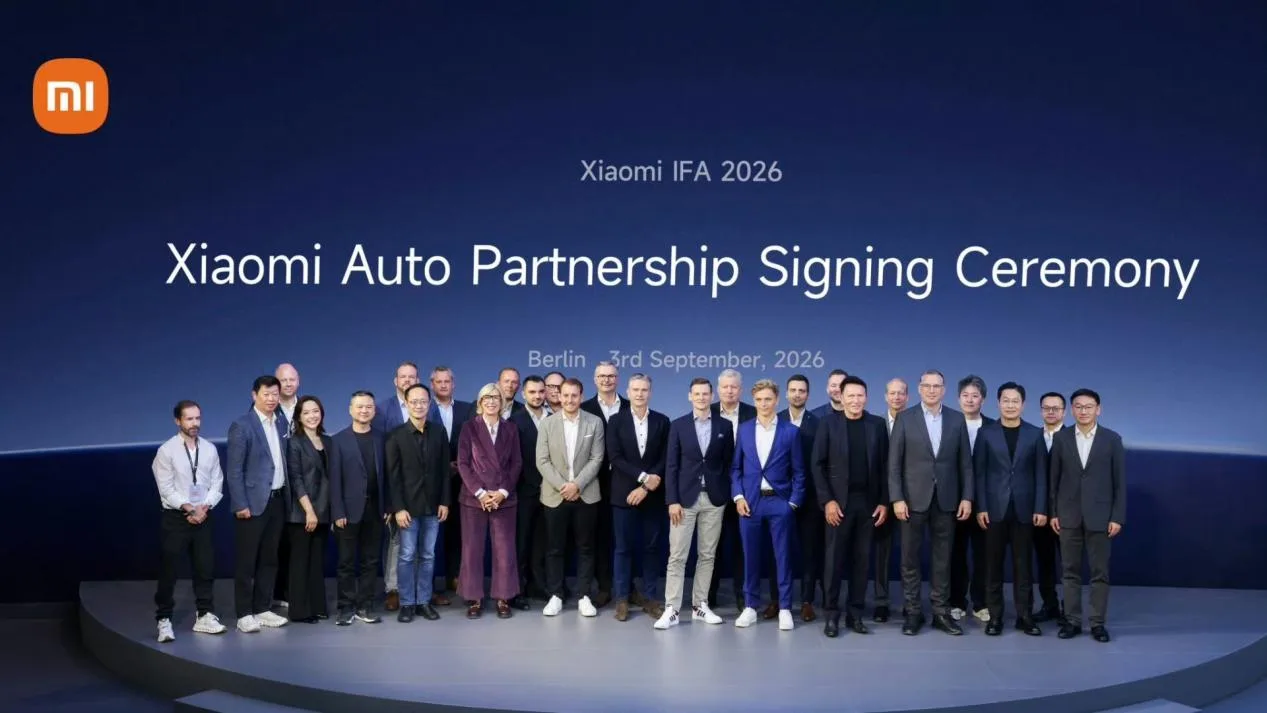
(Photograph source: Xiaomi)
IFA serves as Xiaomi Automotive’s rallying call ahead of its formal European launch. As a brand born from smartphones—and having successfully expanded twice into home appliances and then automobiles—Xiaomi demonstrated its automotive capabilities and seamless integration with consumer electronics and home appliance ecosystems on the very soil where the global automotive industry was born: Berlin, Germany.
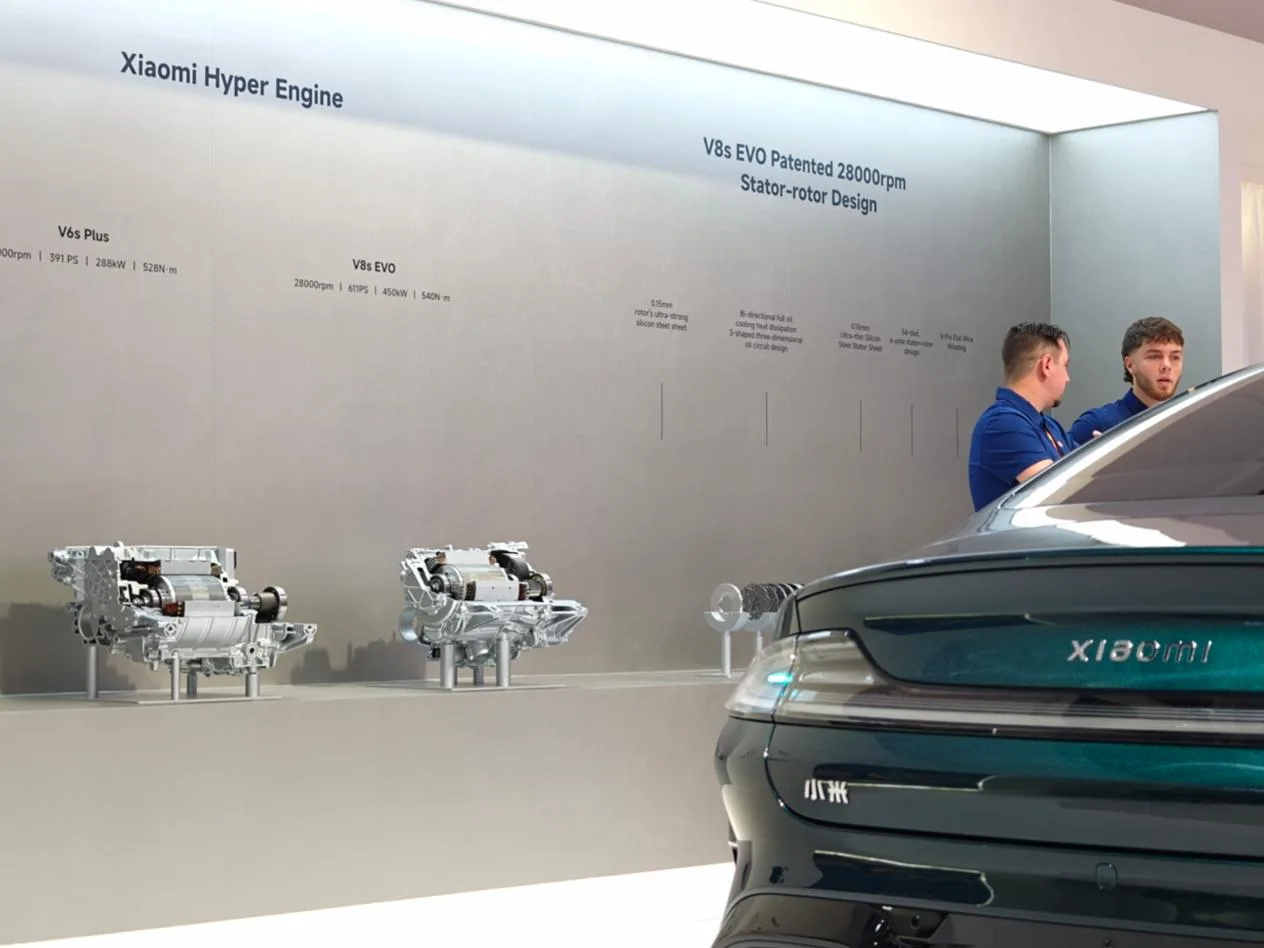
(Photograph source: LeiTech IFA Reporting Team, on-site)
Prior to Xiaomi, Mercedes-Benz—the pioneer of the automobile industry—did not achieve (nor perhaps even attempt) this feat; neither did Volkswagen, the world’s second-largest automaker by sales volume. Yet Xiaomi—a company founded just over a decade ago and active in the automotive sector for only five and a half years—has done precisely that. So, when Xiaomi Automotive finally lands on European soil and local consumers experience firsthand the synergistic interplay among people, vehicles, and homes, what impact might it exert on the region’s automotive market?
This is merely Xiaomi Automotive’s first step onto the global stage.
On September 7, Xiaomi Automotive unveiled its all-new Pengcheng series. Designed around lifestyle and spatial flexibility, these extended-range vehicles—if introduced to Europe—could deliver an even greater shockwave to the continent’s automotive industry.
In sum, on the eve of Xiaomi’s comprehensive “People-Car-Home Ecosystem” rollout across Europe, the company leveraged its 3,000+ square meters of exhibition space and over 300 showcased products at IFA to clearly articulate—both conceptually and concretely—what the “People-Car-Home Ecosystem” entails and how it is being built and refined.
For Xiaomi, the “People-Car-Home Ecosystem” is not the final destination—but rather the foundation. Integrating this ecosystem with AI, and embedding physical AI across people, car, and home domains, represents Xiaomi’s true north star.
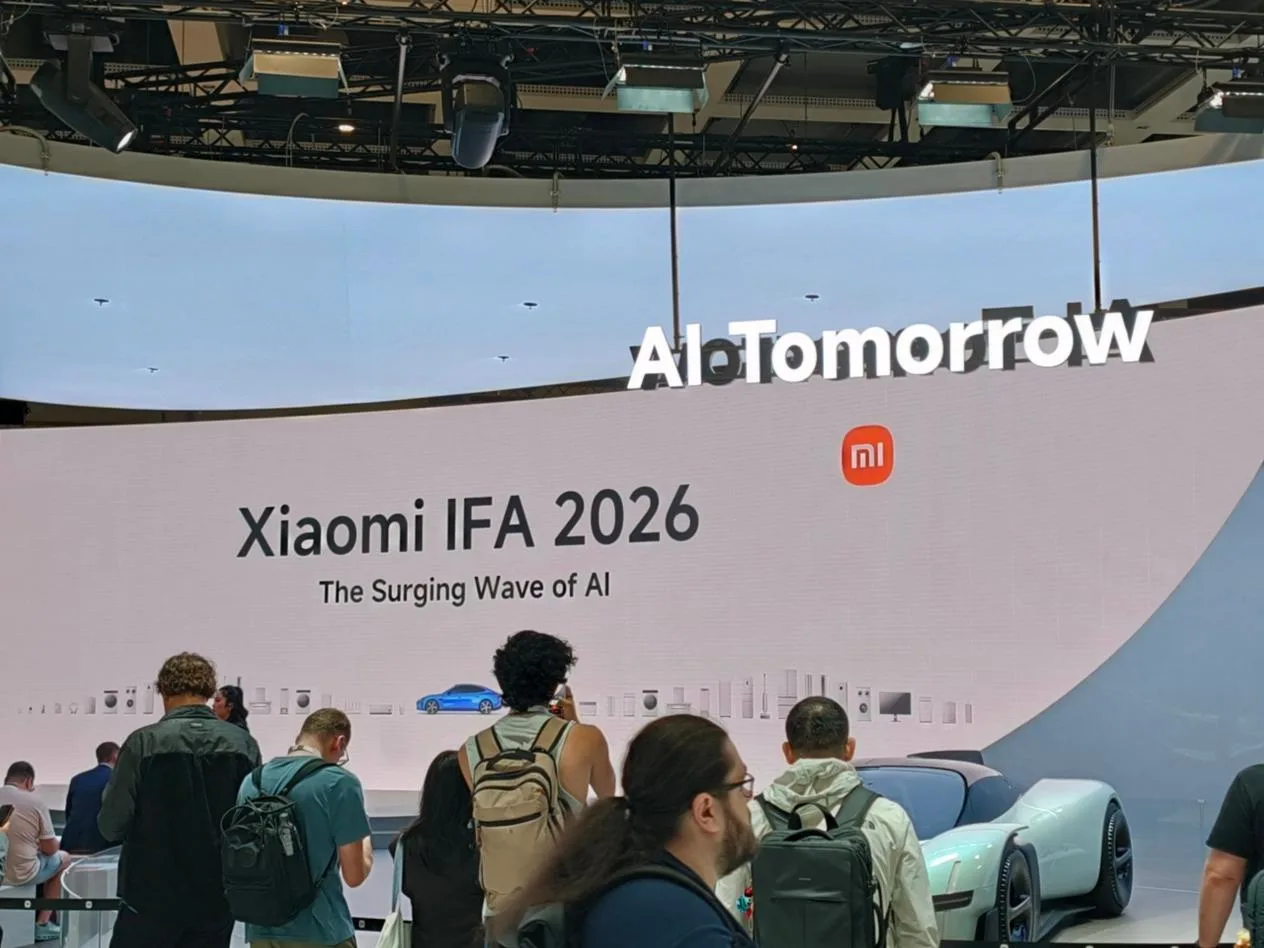
(Photograph source: LeiTech IFA Reporting Team, on-site)
XPeng: Anchoring the Future of People-Car-Home Around Physical AI
This year’s IFA featured a relatively compact XPeng booth—but every displayed product reflected cutting-edge technical prowess.
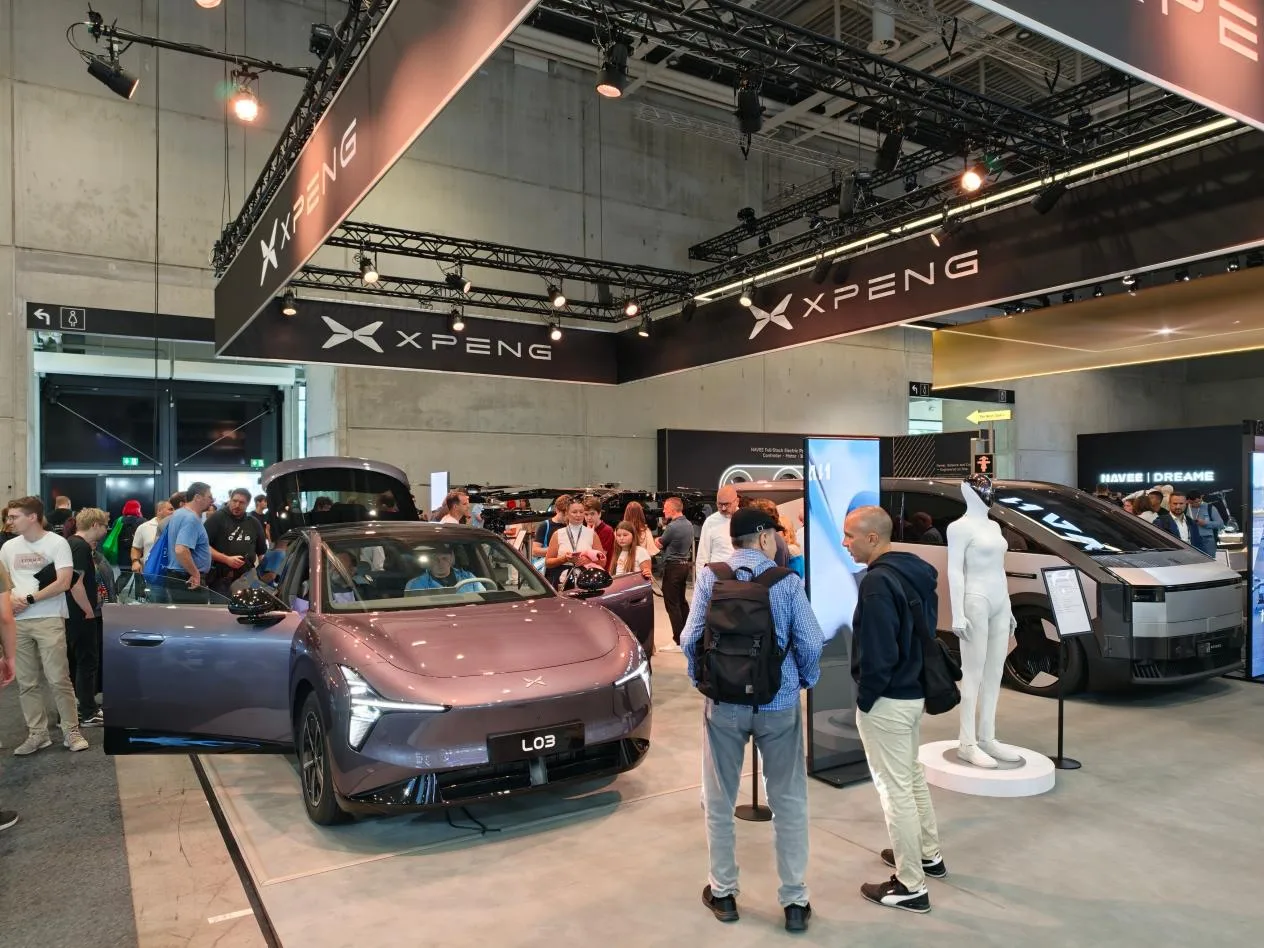
(Photograph source: LeiTech IFA Reporting Team, on-site)
At the heart of the booth stood XPeng’s first natively global model—the XPeng MONA L03. Launched simultaneously in Munich, Germany and China on July 16, the MONA L03 is slated for rollout across 65 countries and regions worldwide by end-2026.
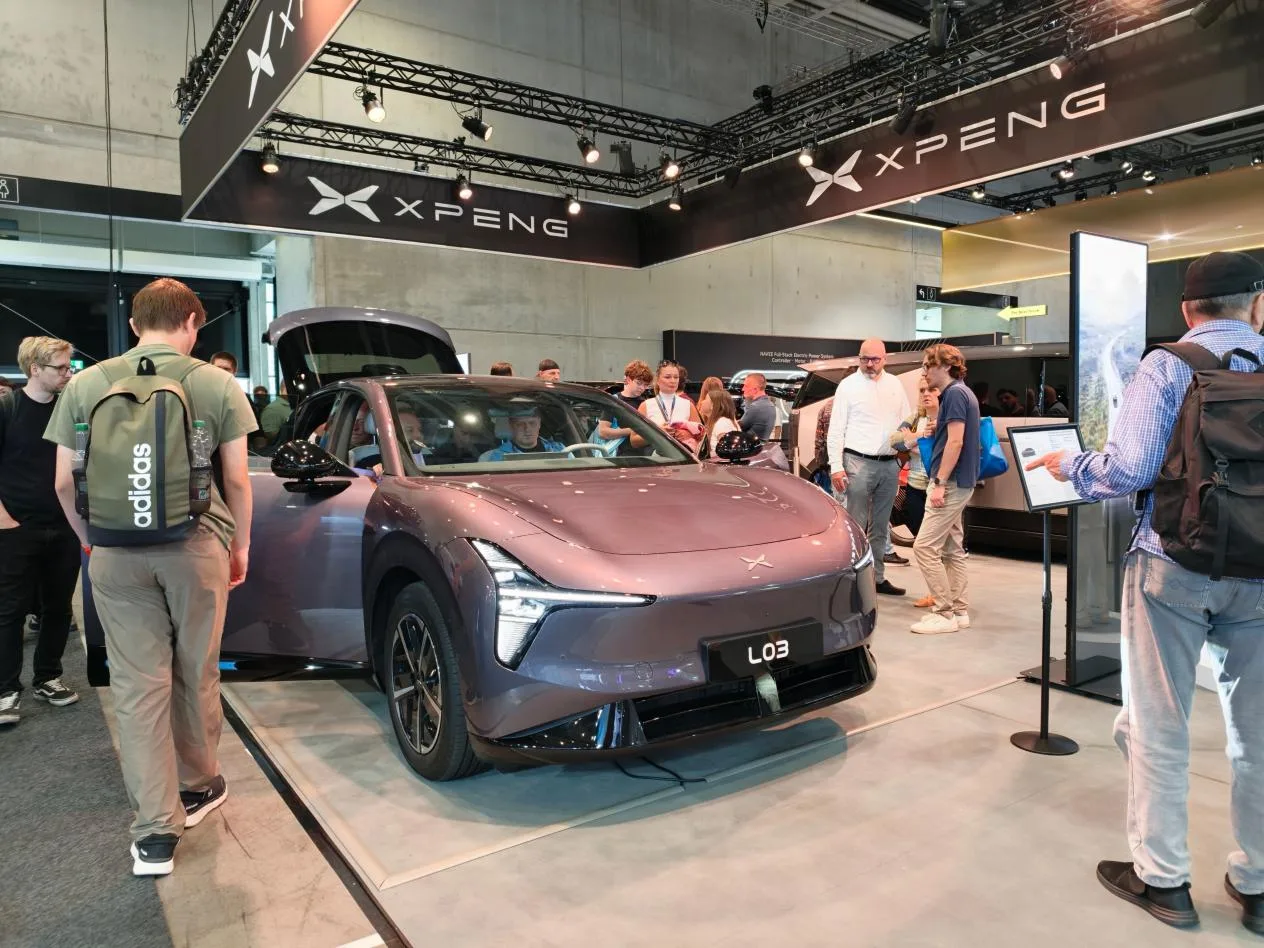
(Photograph source: LeiTech IFA Reporting Team, on-site)
For the European market, the MONA L03 offers a distinctive competitive edge: intelligence.
Its intelligent driving hardware and software stack includes XPeng’s proprietary Turing chip and the second-generation VLA (Vision-Language-Action) Physical World Large Model. Notably, this is the first time a Chinese automaker has developed a single intelligent driving model capable of adapting seamlessly to both China’s and Europe’s divergent road systems—with dedicated optimizations for European traffic regulations and road conditions to ensure optimal local usability.
Prior to IFA, He Xiaopeng conducted road tests for the second-generation VLA across Europe—including localized validation in Germany. He remarked: “With virtually no additional localization training data, real-world performance in Germany is already highly comparable to that in China.” He further aims for XPeng to secure regulatory approval for the second-generation VLA in Europe by 2027—and begin delivering it to overseas users.
Currently, most European OEMs remain at relatively early stages of intelligent driving development—largely confined to highway-focused autonomous features. If XPeng’s second-generation VLA gains regulatory clearance in Europe, it could deliver a significant technological shock to domestic brands in the intelligent driving domain.
Another highlight at XPeng’s booth was the IRON humanoid robot. Its mass-production prototype debuted at XPeng Tech Day in late 2025—serving as a key enabler of XPeng’s Physical AI strategy.
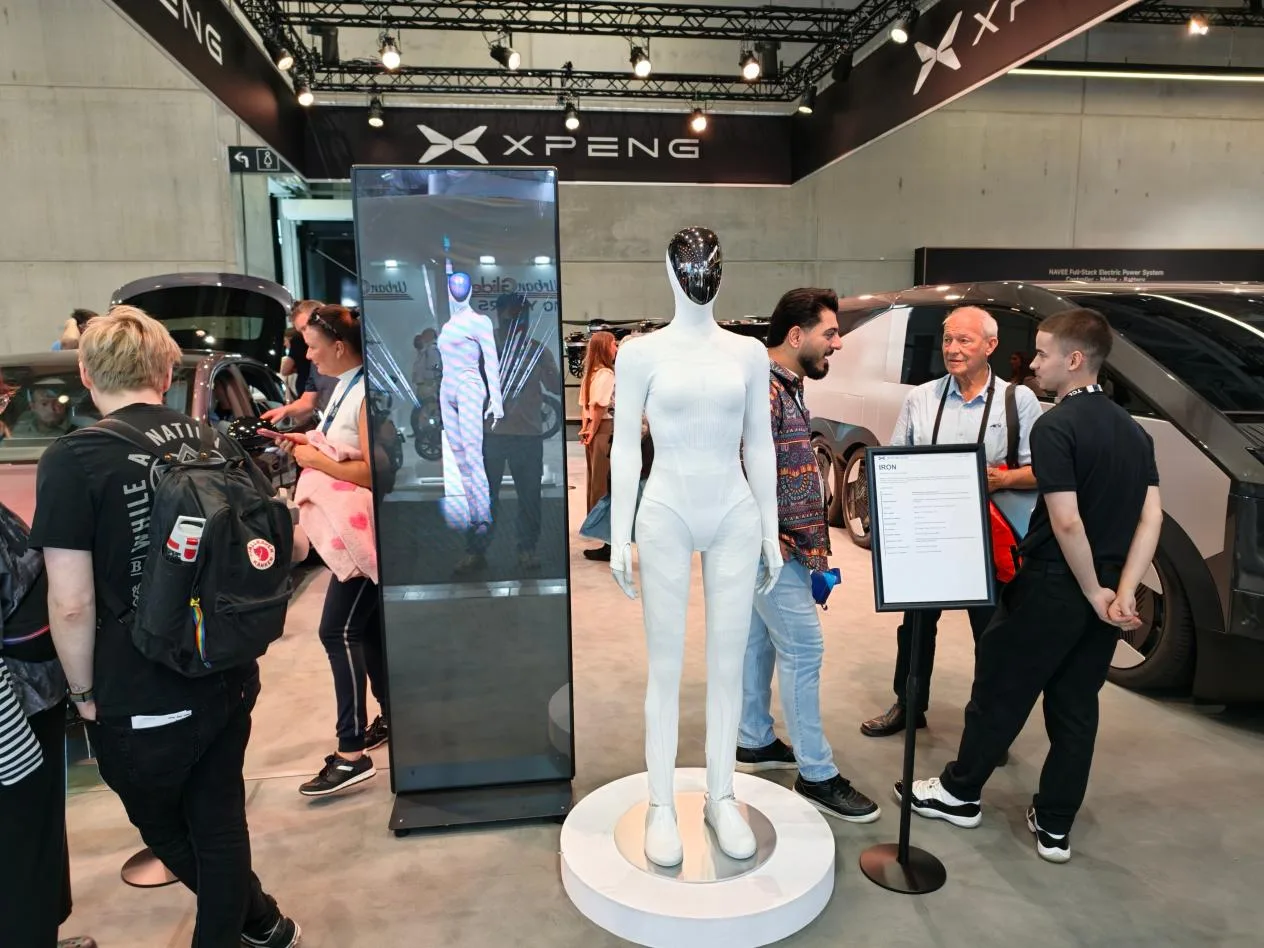
(Photograph source: LeiTech IFA Reporting Team, on-site)
The IRON robot is scheduled for mass production by end-2026, following a phased deployment strategy: commercial applications first, industrial use next, and household adoption last. It is expected to debut in XPeng’s global retail stores as a concierge service in 2027, before rolling out globally for sale. Household integration remains a long-term goal.
In fact, XPeng’s choice of a bipedal humanoid form factor stems precisely from its ambition to integrate seamlessly into human environments. During the MONA L03 launch event in July, XPeng emphasized: “Only the bipedal humanoid form can truly adapt to human social infrastructure and operate effectively across industrial, commercial, and residential settings.”
The second-generation VLA and the IRON humanoid robot—two flagship XPeng innovations—share a common ultimate objective: Physical AI.
This year, XPeng allocated RMB 12 billion to R&D, with approximately RMB 5 billion directed toward automotive development and the remaining RMB 7 billion invested in Physical AI-related fields.
As a company positioning itself as a “Global Physical AI Technology Company,” XPeng has yet to deliver tangible integrated products bridging people, vehicles, and homes. However, as its Physical AI research deepens—and its embodied intelligence technologies progressively advance toward home applications—we anticipate XPeng will realize a higher-order “People-Car-Home” ecosystem. In this evolved vision, the ‘people’ may well be embodied agents capable of autonomous decision-making and orchestrating smart home appliances and vehicles—without reliance on remote controls.
Volkswagen: A Welcome Arrival at IFA—A Major Step for a Legacy Automaker
Compared to Xiaomi and XPeng’s participation, Volkswagen’s appearance at IFA—representing a traditional automaker—was indeed a pleasant surprise.
At this year’s show, Volkswagen exhibited its new European-market pure-electric model, the ID. Polo, in the Sommergarten (“Summer Garden”) area. Compared to earlier European offerings like the ID.3 and ID.4, the ID. Polo leans more toward personalization and fun—akin to NIO’s “Firefly” in China.
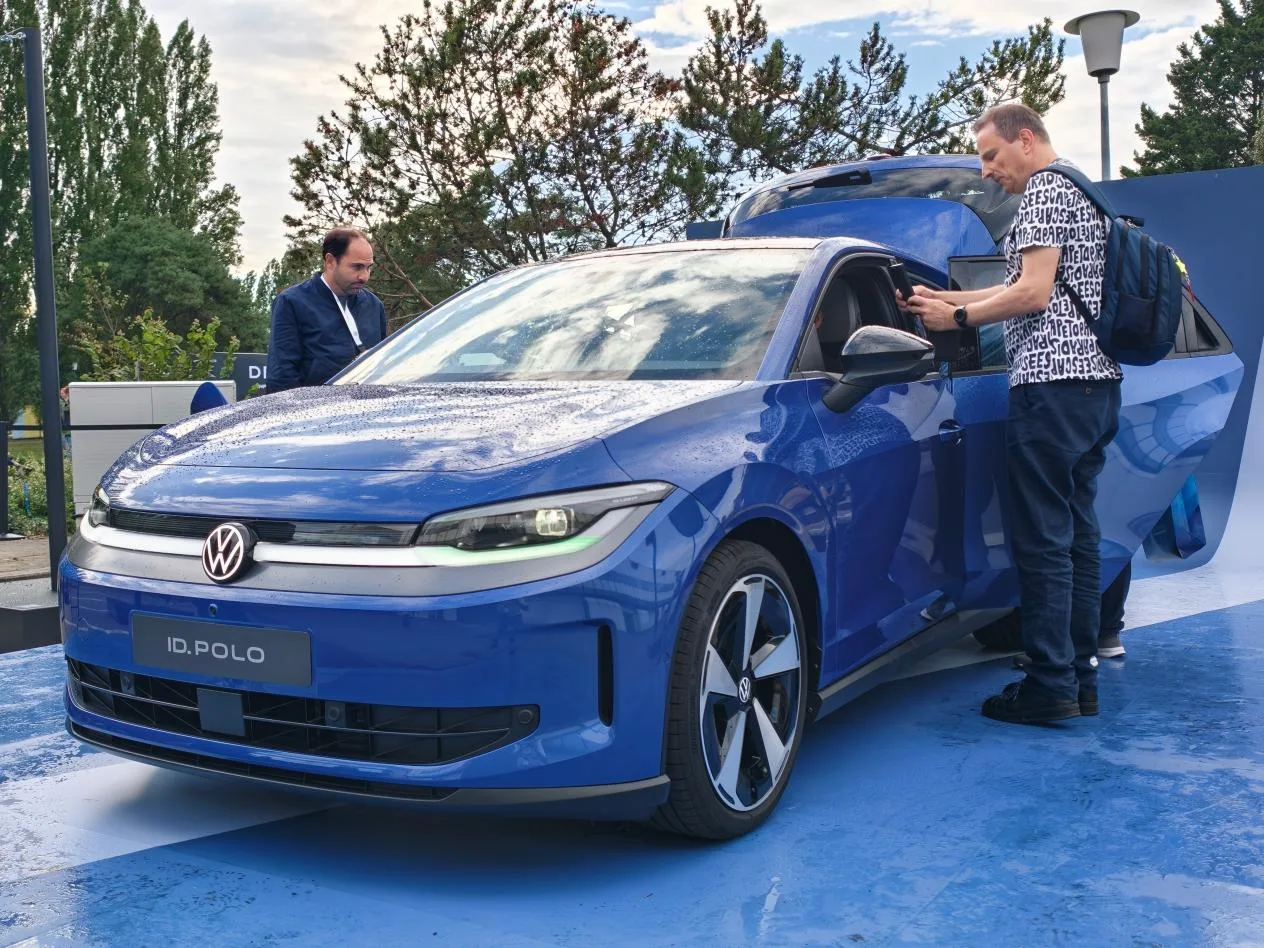
(Photograph source: LeiTech IFA Reporting Team, on-site)
An interesting detail: the ID. Polo’s central infotainment display adopts a retro design reminiscent of classic Santana and Jetta models—and can even switch between modern and vintage UI modes.
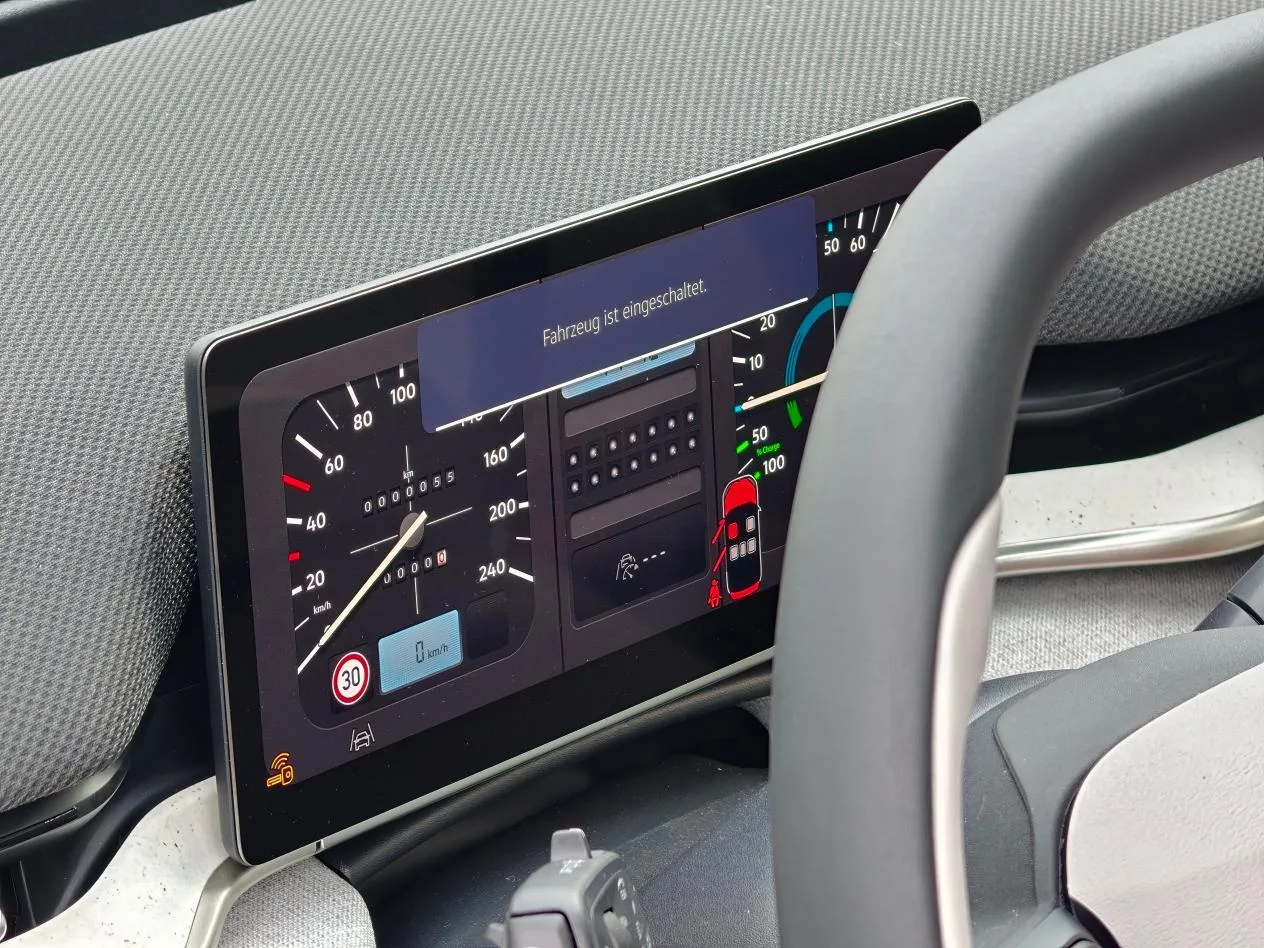
(Photograph source: LeiTech IFA Reporting Team, on-site)
The juxtaposition of a retro-styled interface with a high-resolution LCD screen—combined with the ID. Polo’s fusion of classic and futuristic aesthetics—evokes a nostalgic resurgence within today’s tech-driven era.
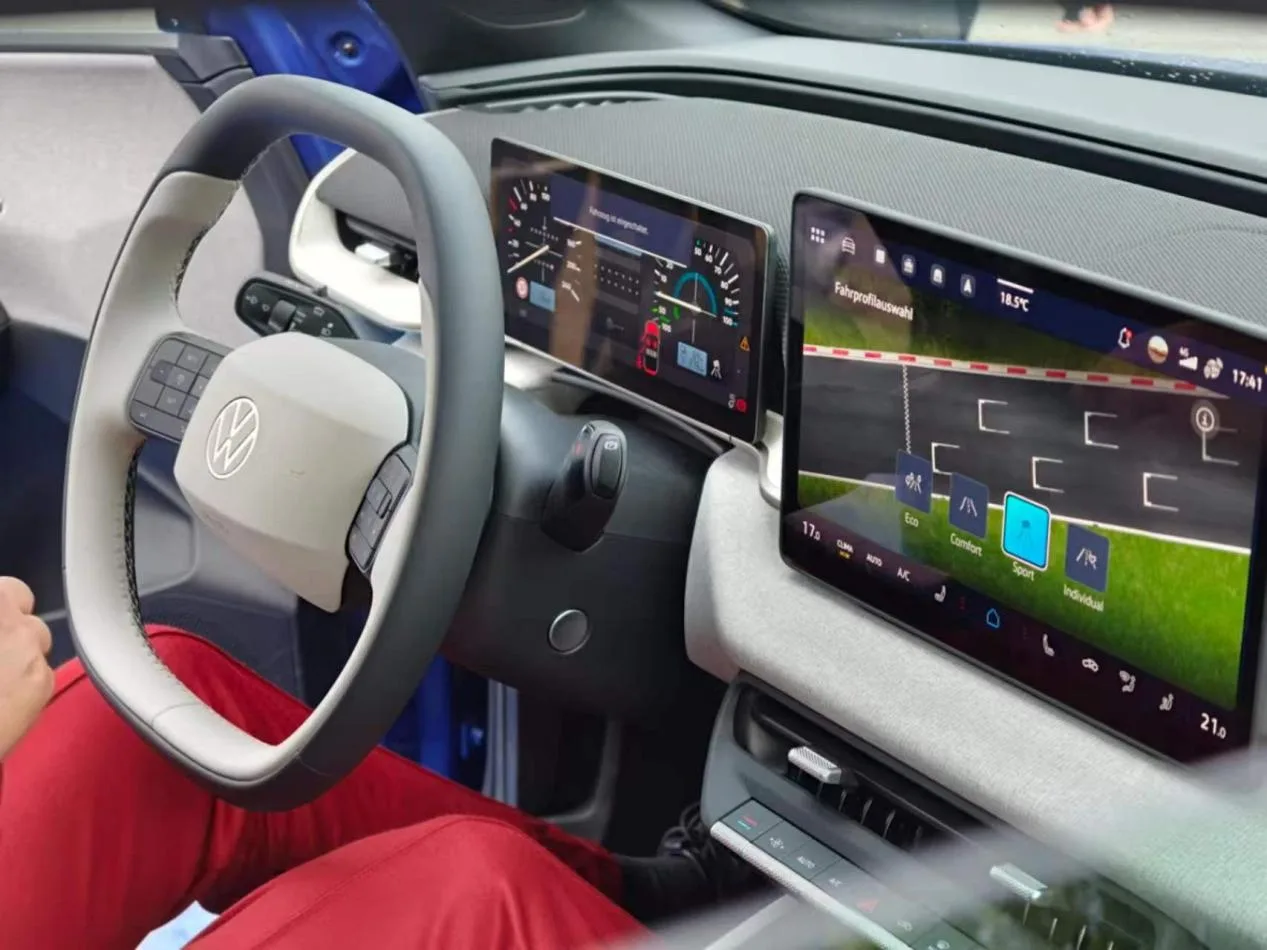
(Photograph source: LeiTech IFA Reporting Team, on-site)
Volkswagen’s IFA booth reveals a distinct approach: unlike Xiaomi and XPeng, which showcased interconnected ecosystems and cutting-edge technologies, Volkswagen highlighted a lifestyle-oriented vision for the new energy era.
Volkswagen’s participation in IFA signals its recognition—as an established automaker—of both the imperative of electrification and the convergence of automotive and consumer electronics industries.
If this trajectory continues, could Volkswagen surprise us in the coming years with innovative integrations within the “People-Car-Home” ecosystem?
The “People-Car-Home” 2.0 Era: Accelerating Convergence Between Home Appliances and Automotive Industries
From the automotive exhibitor booths at this IFA, one perception emerges unmistakably: the “People-Car-Home” ecosystem is drawing ever closer, and cross-sector collaboration among consumer electronics, home appliances, and automotive industries is already underway.
As the first company to propose—and successfully implement—the “People-Car-Home Ecosystem” concept, Xiaomi’s success offers valuable insights and inspiration for other automotive and home appliance brands.
In other words, cross-brand and cross-industry collaboration between automakers and home appliance manufacturers—and deeper integration between the automotive and home appliance industries—may become a defining trend over the next several years.
Prior to IFA, some brands had already begun exploring cross-industry, cross-brand interoperability between vehicles and home appliances.
In 2025, NIO partnered with Midea to co-build a “People-Car-Home” ecosystem. Today, NIO owners can conveniently control Midea’s full suite of smart home appliances directly from their vehicle’s infotainment system—and synchronize vehicle and home ecosystems.
Beyond NIO and Midea, Huawei also ranks among the key players shaping the “People-Car-Home” ecosystem. With its extensive consumer electronics portfolio—and brands including Harmony Intelligent Drive and Huawei Smart Home—Huawei leverages the HarmonyOS ecosystem to enable seamless tripartite integration among smartphones, vehicles, and smart homes.
At this IFA, another discernible trend emerged: the evolution of the “People-Car-Home” ecosystem.
While many brands are still debating whether a “People-Car-Home” ecosystem exists, Xiaomi and XPeng are already pioneering its 2.0 iteration—where “people” no longer refer exclusively to biological humans, but to robots endowed with independent execution capabilities.
At Xiaomi’s booth, the CyberOne robot made its overseas debut; XPeng’s IRON robot was publicly demonstrated.
A fascinating detail: the Xiaomi CyberOne robot engaged in interactive rock-paper-scissors games with Lu Weibing live at IFA. This interaction was neither pre-programmed nor remotely controlled—it relied on the robot’s autonomous perception and large-model-driven responses. Though seemingly simple, this moment heralds the imminent arrival of the Agent-driven embodied intelligence era.
Perhaps the true dawn of “People-Car-Home” 2.0 will arrive once brands like Xiaomi and XPeng achieve fully autonomous embodied intelligence—cutting the invisible tether of remote control and evolving beyond mere “puppetry” into genuine agency.
From September 4–8, the world’s largest home appliance and consumer electronics trade show—IFA 2026—is taking place in Berlin.
As the “most influential new media outlet covering IFA”—globally recognized for its AI-focused reporting—LeiTech dispatched its largest and highest-spec reporting team to Berlin this year. Deploying a “2+N” model (two on-site hosts + multiple field editors + multiple backend editors), LeiTech delivers real-time, multidimensional, and first-hand coverage of IFA 2026—with special emphasis on AI Agents’ integration with home appliances and hardware, robotics technology’s application in home scenarios, emerging trends in digital “People-Car-Home” lifestyles, and Chinese brands’ global-stage presentations.
The LeiTech IFA 2026 Reporting Team is actively delivering intensive on-site coverage from Berlin—stay tuned!