 雷科技
雷科技




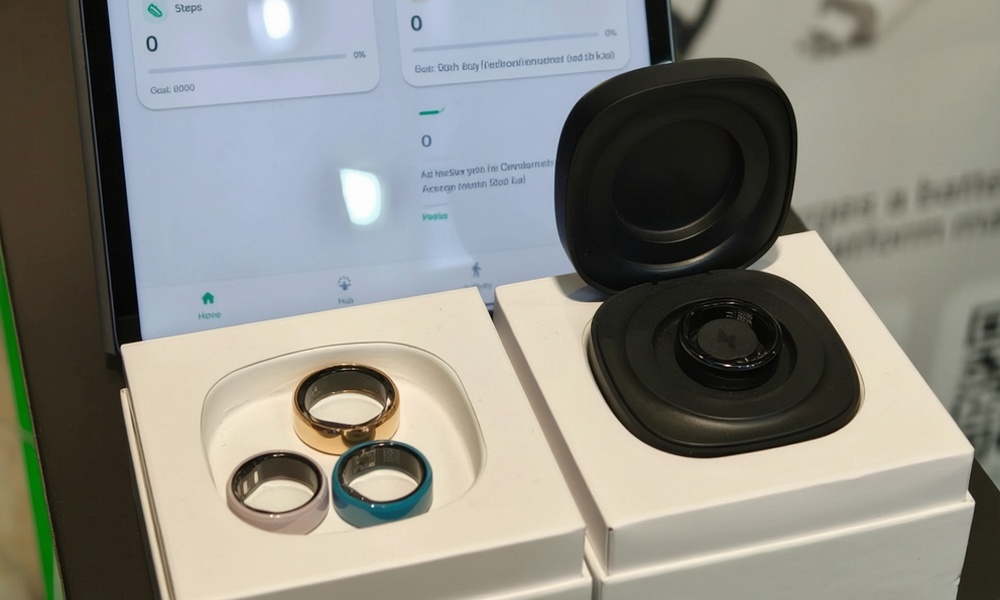

On September 4, IFA 2026 officially opened in Berlin, Germany. As one of the world’s top three consumer electronics trade shows, this year’s IFA attracted over 1,900 exhibitors from 49 countries and regions, under the theme “The Future is Now.” LeiTech (ID: LeiTech) dispatched its “LeiTech IFA 2026 Reporting Team” to Berlin for on-the-ground, comprehensive, and first-hand coverage.
In recent years, smart rings—once a niche product within the wearable category—have gradually stepped into the spotlight, drawing increasing participation from companies across the industry. A prominent outdoor advertisement for RingConn was displayed at IFA’s North Entrance. Meanwhile, Oura—the category leader valued at $16 billion—opted out of this year’s IFA as it prepares for its IPO.
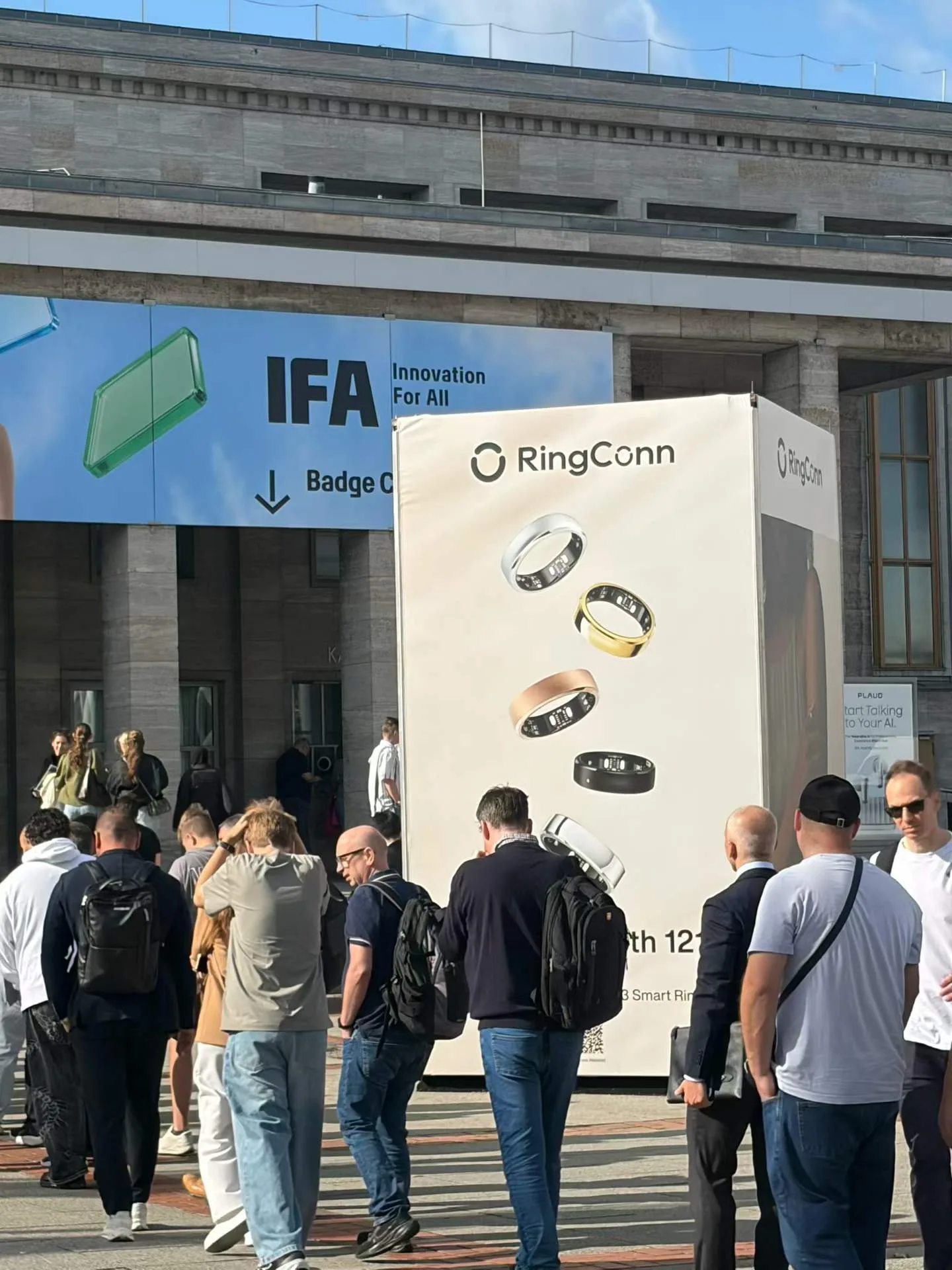
(Photograph source: LeiTech IFA Reporting Team, on-site)
Although Oura was absent, smart ring offerings from RingConn, eIoT, KiWear, Circular, and Prolo still delivered compelling highlights at IFA 2026.
Health Monitoring Remains the Primary Use Case for Smart Rings
For the vast majority of current smart rings, health monitoring remains both the core functionality and the highest-priority use case for consumers—a trend clearly evident at IFA 2026. Regardless of how many advanced features they incorporate, health monitoring remains an indispensable capability for most smart rings. Moreover, the range of physiological metrics monitored by smart rings continues to expand.
RingConn’s third-generation smart ring maintains health monitoring as its central capability. In addition to tracking standard metrics—including heart rate, HRV, blood oxygen saturation (SpO₂), skin temperature, stress levels, activity, and sleep—it further enhances vascular insights and sleep analysis, along with data analytics capabilities that generate personalized recommendations based on users’ lifestyles and health indicators.
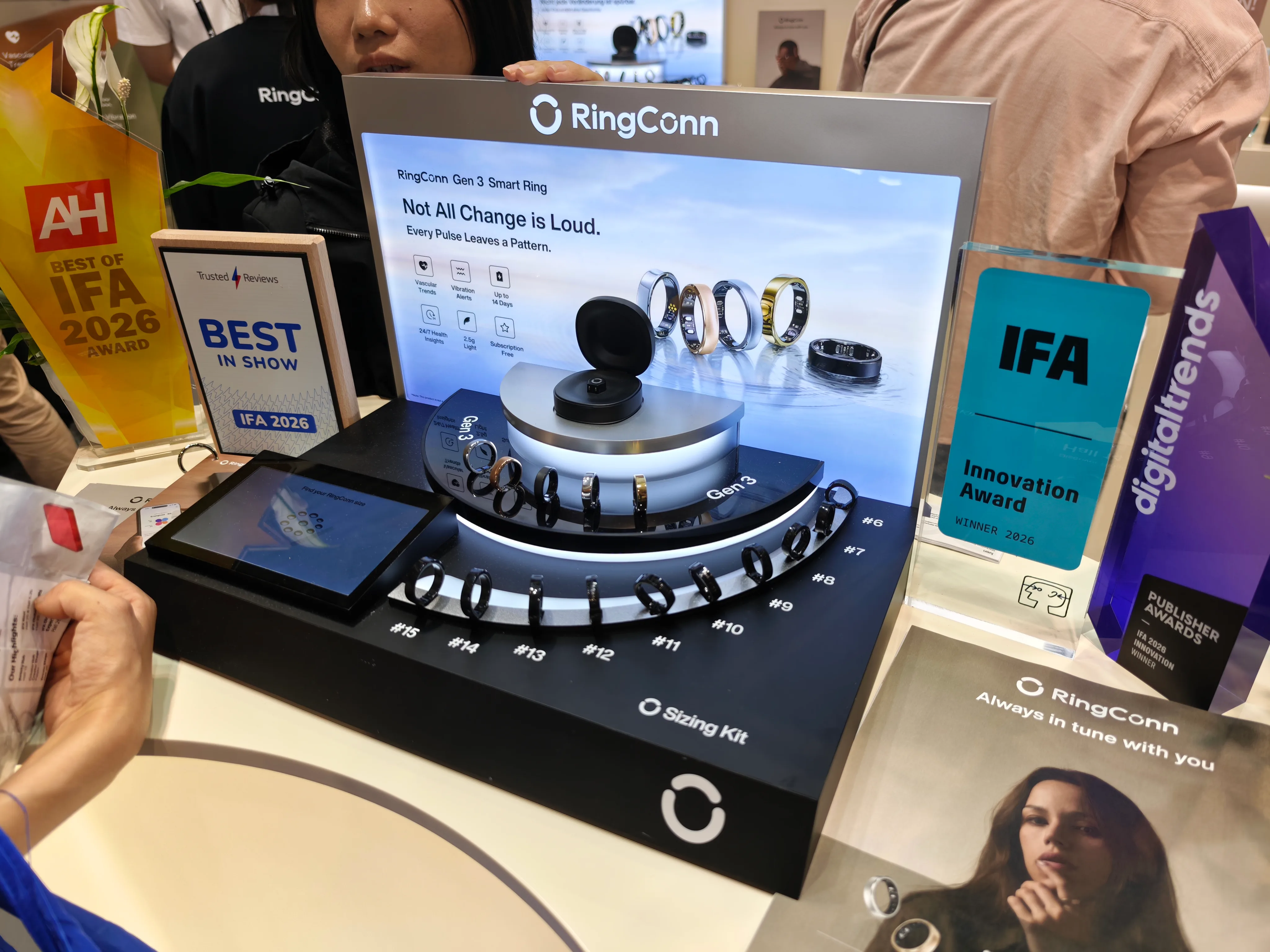
(Photograph source: LeiTech IFA Reporting Team, on-site)
The Circular Ring 3 Pro integrates ECG and atrial fibrillation (AFib) detection, plus non-invasive blood pressure trend analysis. In terms of measurement breadth, the Circular Ring 3 Pro rivals larger wearables such as smartwatches and fitness bands. Additionally, it supports NFC for unlocking devices and contactless payments.
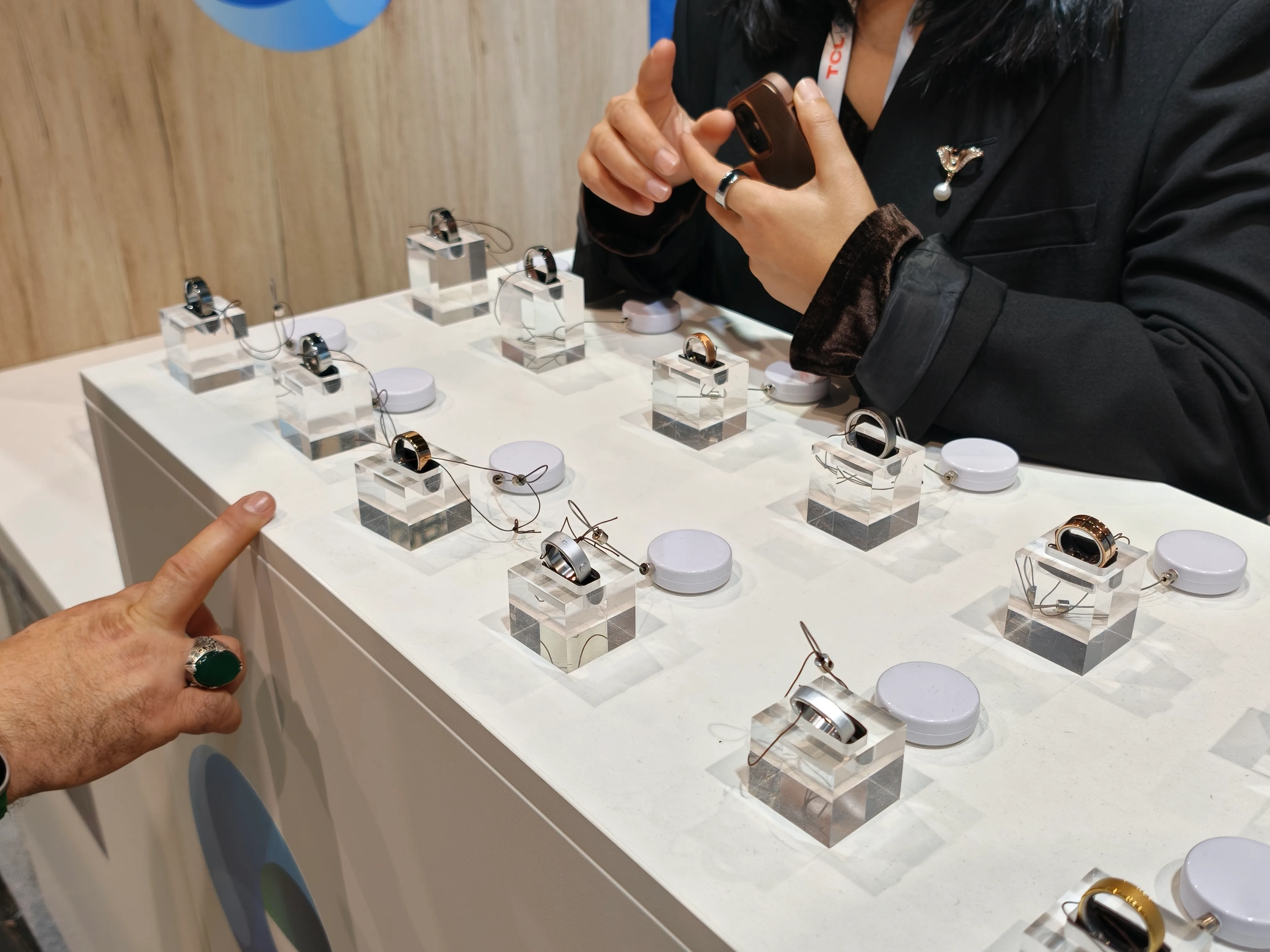
The eIoT TM06 smart ring incorporates AI-powered health algorithms. Beyond conventional metrics, it records workout data, emotional fluctuations, and fatigue indices—and helps users adjust their daily routines accordingly.
(Photograph source: LeiTech IFA Reporting Team, on-site)
Despite its compact form factor, the TM06 embeds a haptic motor. Don’t underestimate this component: it delivers tactile alerts when abnormal heart rates are detected or when incoming calls or text messages arrive—enabling users to make context-aware decisions. It also supports customizable reminders for hydration, medication intake, and alarms.
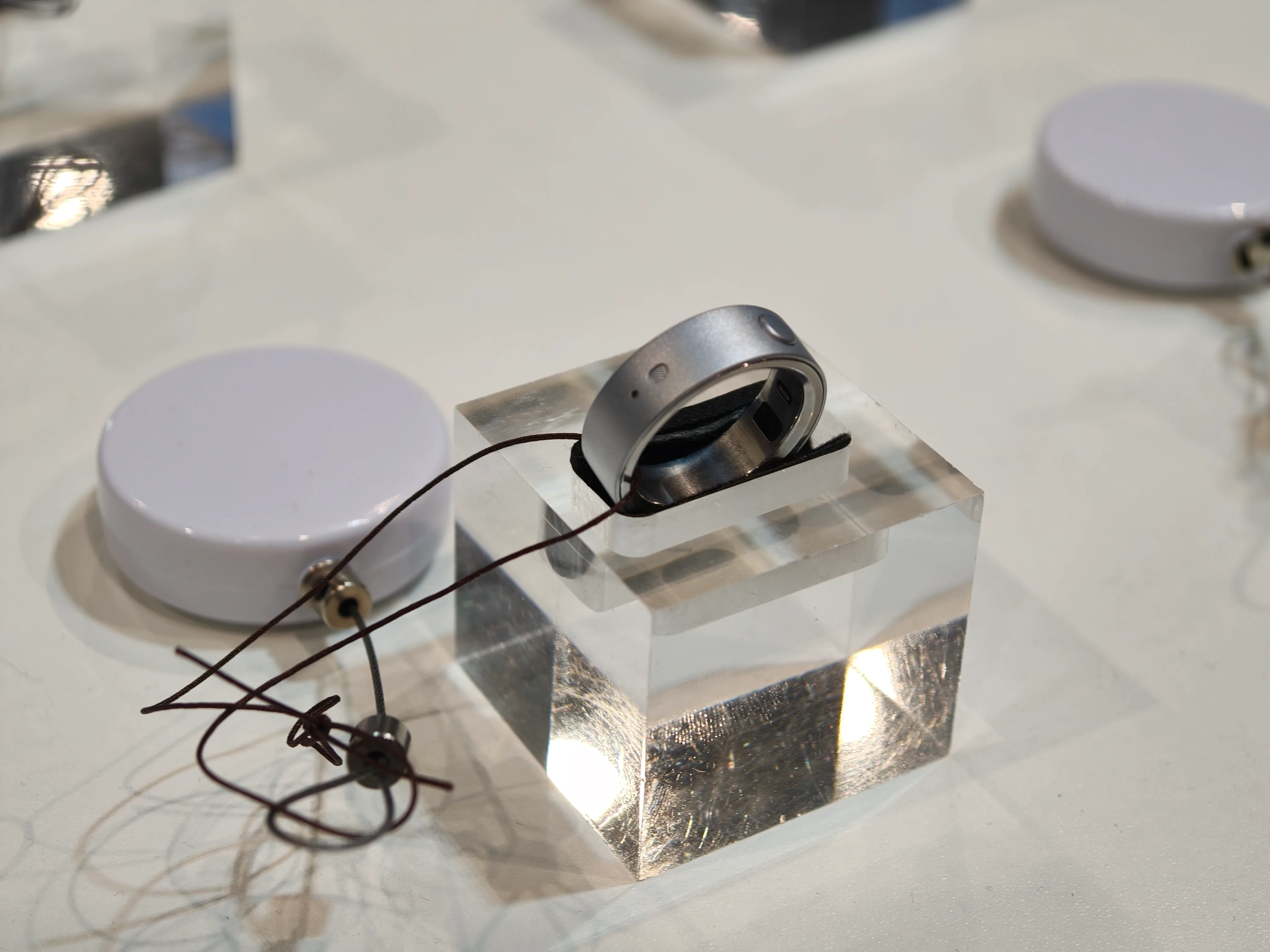
Notably, eIoT operates as an ODM/OEM provider primarily serving B2B clients and offering customized smart ring solutions. Such end-to-end ODM/OEM capabilities mean smart rings with rich sensor suites and deep AI integration can scale rapidly. Several leading Chinese home appliance brands entering the smart ring space have opted for eIoT as their manufacturing partner.
(Photograph source: LeiTech IFA Reporting Team, on-site setup)
Smart rings overlap significantly with smart bands and watches in health monitoring functionality—meaning consumers typically need only one of these devices.
Compared to wrist-worn devices, rings offer far less internal volume; early models could accommodate only a limited number of sensors. Fortunately, advances including multi-function analog front-end SoCs, flexible HDI circuit boards, 3D-MID laser direct structuring, and re-engineered PPG optical modules have enabled component miniaturization—allowing more sensors to be integrated into smart rings.
Market size estimates for smart rings vary widely across research firms—including Fortune Business Insights, Omdia, Global Market Insights, and ElectroIQ—with discrepancies spanning several-fold to over ten-fold. This divergence reflects the sector’s nascent yet high-growth phase.
With sensor miniaturization now achieved, smart rings have largely caught up to smart bands and watches in health monitoring performance. Yet manufacturers are no longer content with mere “monitoring”—they’re actively evolving smart rings into “new interaction gateways.”
Voice Transcription, Gesture Recognition: Smart Rings Emerge as New Interaction Gateways
In today’s era of ubiquitous AI, wearables—including smart glasses, earbuds, and smart bands/watches—serve partial roles as “interaction gateways.” Smart rings stand apart due to their placement on the finger, offering greater flexibility and intuitive control.
Hence, touch-based controls, gesture recognition, voice recognition, offline voice recording, and meeting transcription emerged prominently at IFA—positioning smart rings as the next-generation personal interaction gateway, following smartphones, smartwatches, and AI glasses.
For instance, the eIoT AC12 smart ring retains core health monitoring while adding mid-air “like” gestures, music playback controls, e-book page-turning, remote selfie capture, short-video scrolling, music track switching, and presentation slide navigation.
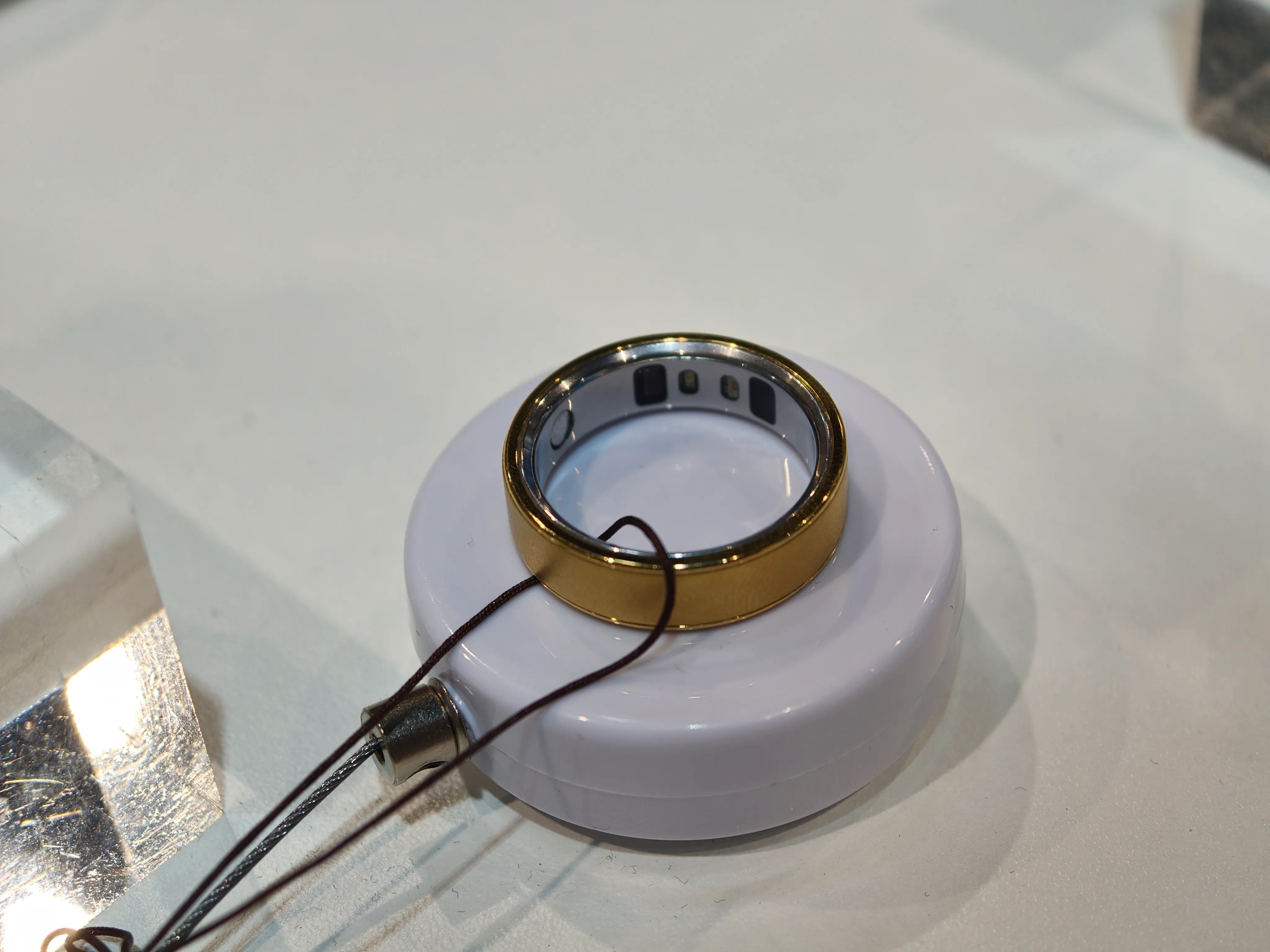
(Photograph source: LeiTech IFA Reporting Team, on-site)
KiWear shares similarities with eIoT. Among all smart rings experienced by LeiTech at IFA, KiWear’s Smart Ring demonstrated the highest level of completion and richest feature set.
Beyond fundamental health monitoring, the KiWear Smart Ring enables remote device control. Its 3D ToF sensing capability detects hand gestures—including fine-grained finger pinching—and supports user-defined configurations for scrolling and refreshing on smartphones and tablets, as well as remote gaming.
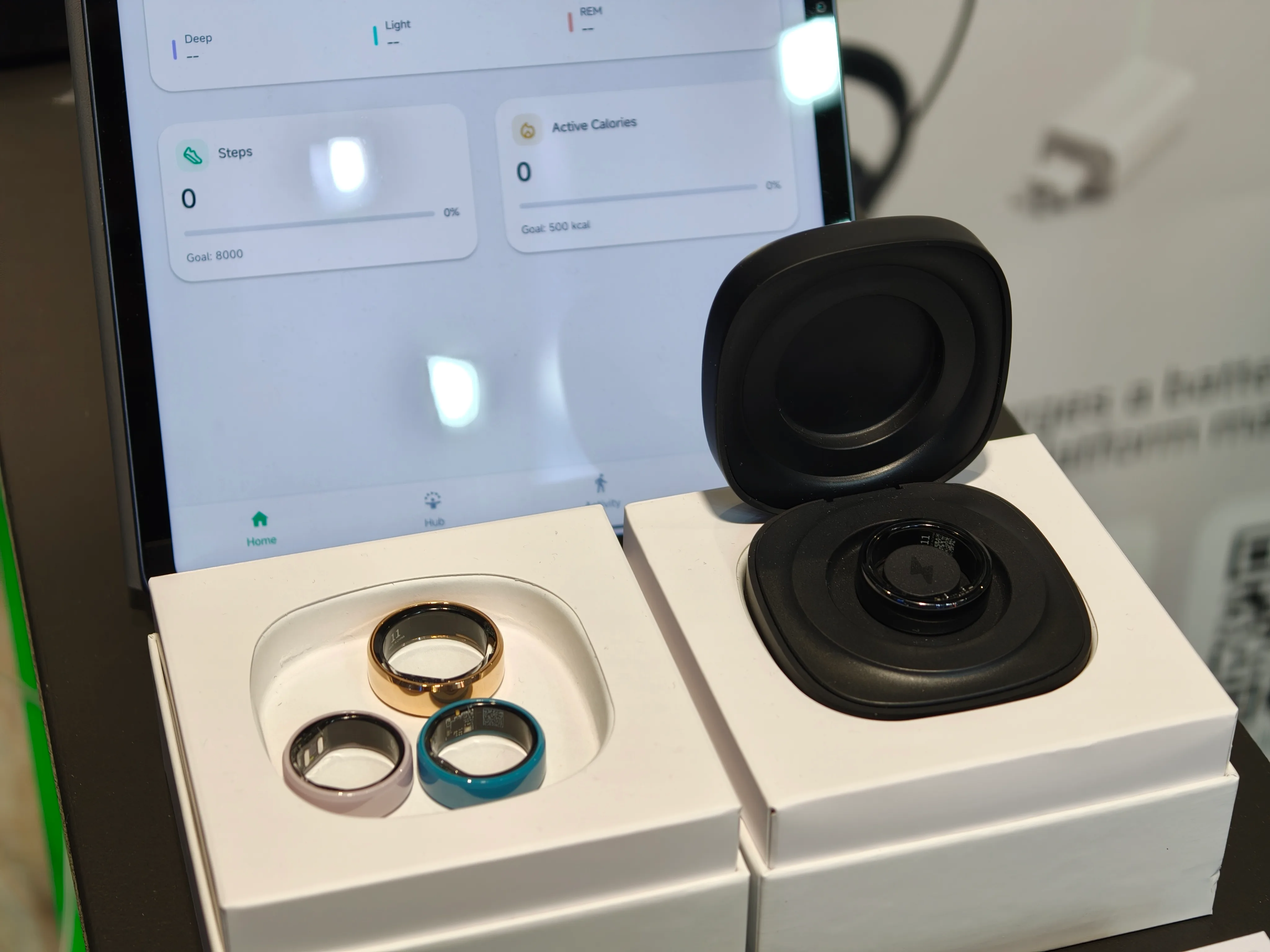
(Photograph source: LeiTech IFA Reporting Team, on-site)
3D ToF holds tremendous promise for smart rings—and may soon integrate with other wearables like smart glasses. StarV Ring2, launched by Star Mobile & Meizu, already supports using the ring to control smart glasses via touch input—serving as a practical example of KiWear’s Smart Ring concept.
KiWear also revealed to LeiTech that its next-generation model will shift from ceramic to metal casing, integrating microphones and haptic motors to enable voice control and tactile notifications. KiWear noted that metal casings may impact signal integrity—hence premium smart rings predominantly adopt titanium alloys.
In contrast, the Prolo Ring represents an extreme approach. Fundamentally, it functions as a Bluetooth-enabled touchpad worn on the finger, capable of connecting simultaneously to three devices. Users can scroll vertically to control mouse movement, web page navigation, or TikTok video feeds.
The Prolo Ring offers over 40 customizable gestures, macros, and configuration profiles—compatible with smartphones, tablets, TVs, PCs, and XR devices. From LeiTech’s perspective, the Prolo Ring diverges entirely from traditional smart ring definitions, functioning instead as a “wearable smart remote control.”
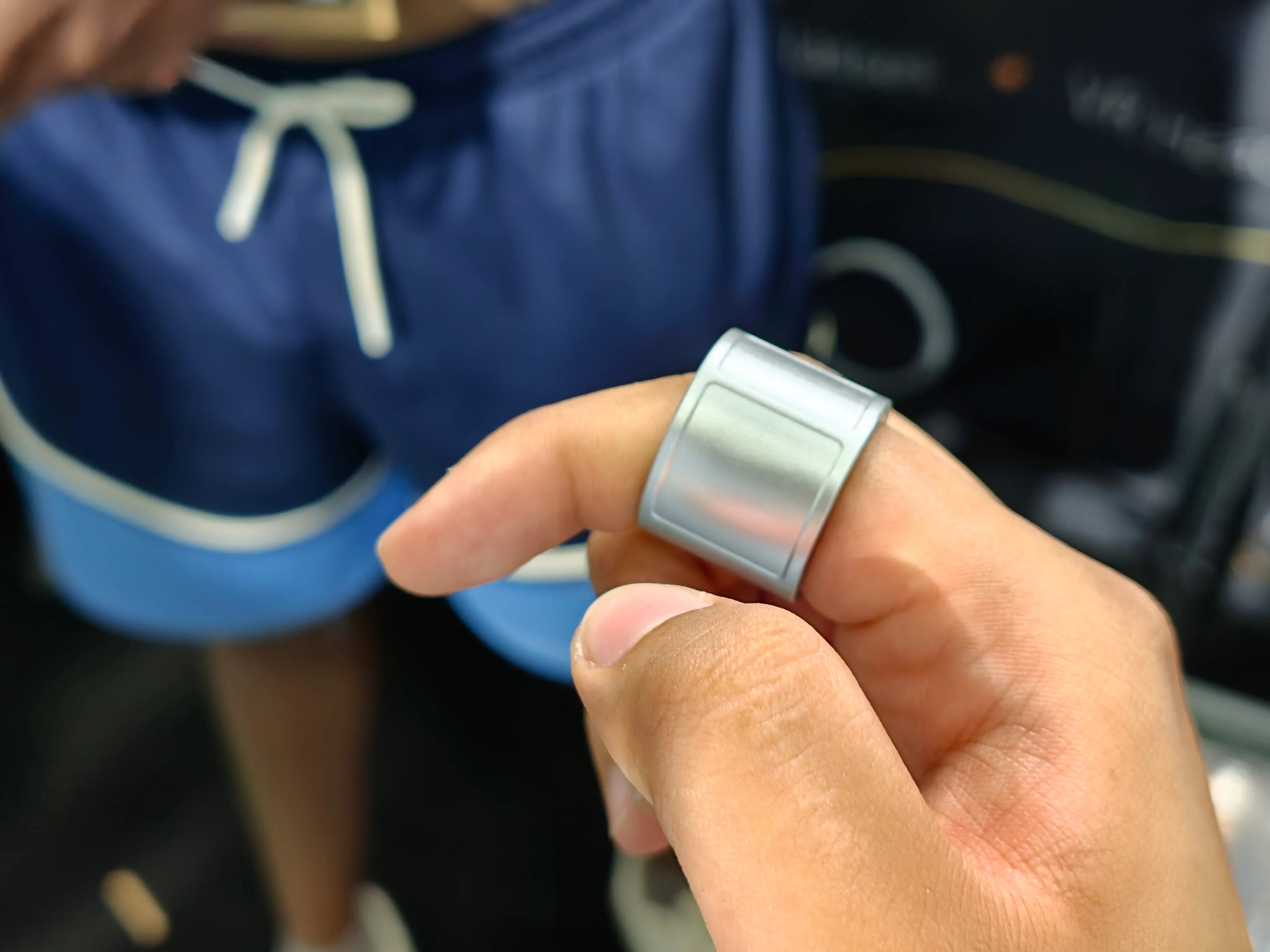
(Photograph source: LeiTech IFA Reporting Team, on-site)
It’s important to note that leveraging smart rings as interaction gateways faces inherent hardware constraints. Their minuscule internal volume severely limits battery capacity; integrating microphones and gesture-sensing components directly compromises battery life.
The KiWear Smart Ring achieves five days of battery life despite its extensive feature set—an outstanding result. Yet KiWear acknowledges dissatisfaction with this figure, confirming that spatial constraints and power endurance remain the greatest technical challenges for smart rings.
To extend battery life, mainstream smart rings currently avoid real-time vibration alerts for incoming notifications and synchronize health data only every few minutes. LeiTech forecasts that next-generation smart rings will incorporate higher-capacity batteries to fully realize their functional potential.
One thing is certain: this market segment holds immense promise. As AI hardware surges—driving proliferation of AI glasses and AR devices—traditional touchscreens and handheld controllers prove increasingly ill-suited. A finger-worn ring offers a universal fingertip controller for diverse AI hardware, eliminating the need for separate remotes. In office settings, it transforms into a meeting recorder; in daily life, gestures replace screen taps; in accessibility contexts, gesture-based interaction empowers users with mobility limitations.
Smart Rings Are Evolving Beyond Miniature Smart Bands Into a Standalone Category
The smart ring industry has long faced a fundamental dilemma: Why choose a smart ring over a smartwatch or even a screenless, health-focused smart band? KiWear shared with LeiTech that smart ring adoption in China faces cultural resistance—since wearing rings isn’t common practice there, consumers strongly prefer smartwatches and bands. Consequently, domestic smart ring manufacturers primarily target overseas markets where ring-wearing is more culturally accepted.
If smart rings merely serve as shrunken smartwatches or bands, they’ll struggle to break free from this constraint.
From LeiTech’s perspective, even the most comprehensive health monitoring capabilities cannot differentiate smart rings from smartwatches—interaction capability is the true differentiator. Positioned on the finger, smart rings naturally lend themselves to precise touch and gesture interactions—capabilities impossible to replicate with watches or bands.
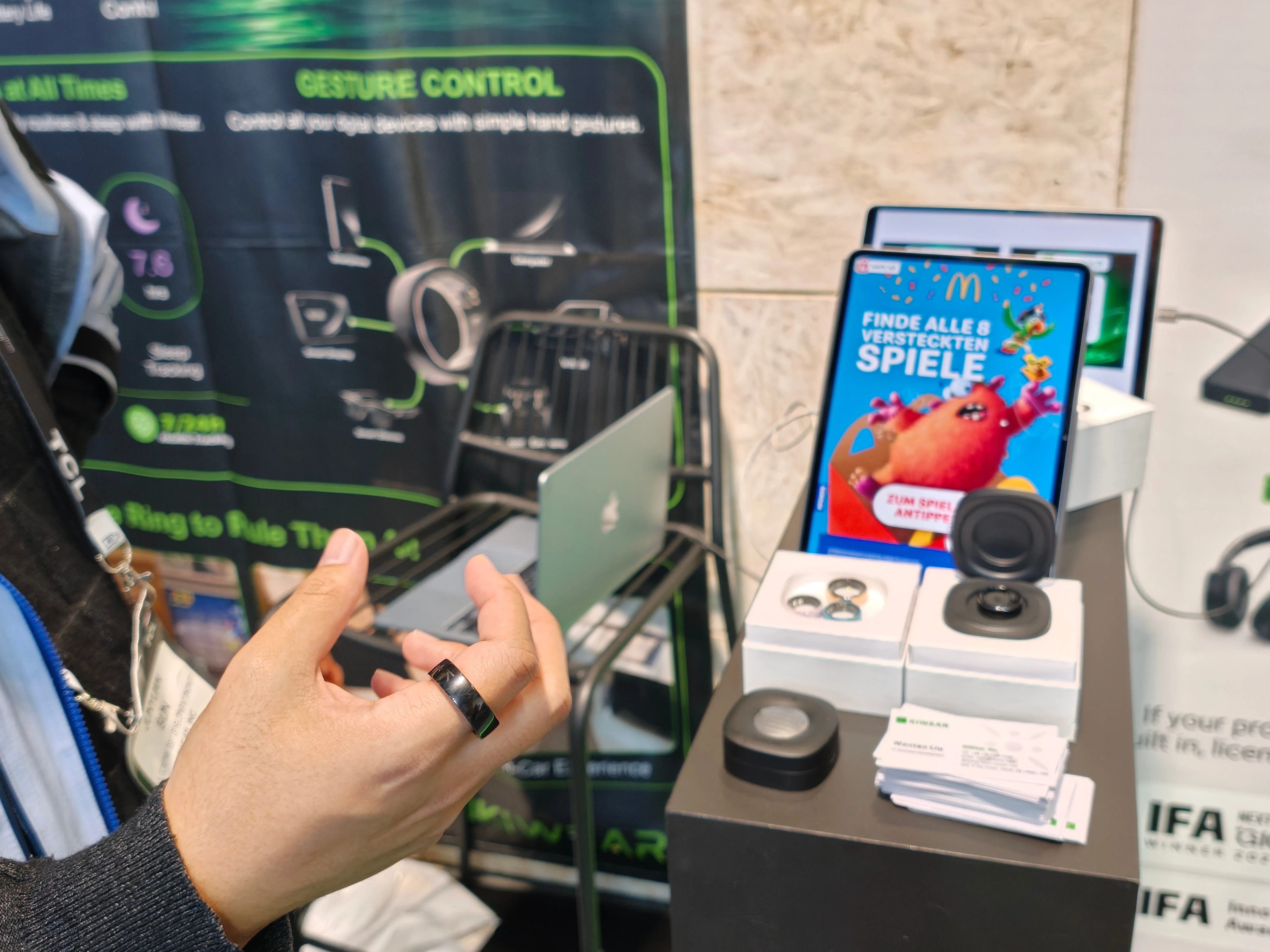
(Photograph source: LeiTech IFA Reporting Team, on-site)
Today, smart rings have reached a strategic inflection point. The first category comprises health-centric models like the RingConn Gen 3 and Circular Ring 3 Pro—progressively incorporating ECG and blood pressure monitoring to broaden health-tracking capabilities.
The second category includes interaction-optimized models like the Prolo Ring, which sacrifices all health monitoring functions to dedicate internal space and battery capacity exclusively to interaction-enabling sensors.
The third category—represented by eIoT and KiWear Smart Ring—seeks balance between health monitoring and interaction. However, given the extreme space constraints inside smart rings, achieving this balance comes at the cost of reduced battery life and compromises on select premium features.
Moreover, increased functionality often translates to higher prices. The KiWear Smart Ring plans to launch crowdfunding in November at $249, whereas the Prolo Ring retails for $149–$179.
Yet LeiTech believes this “ambitious” balanced approach best serves user needs—unlike traditional smart rings, it avoids being easily supplanted by smartwatches or bands; unlike the Prolo Ring, it isn’t confined to narrow-use scenarios. Challenges like battery life and sensor-space allocation can be resolved through continued component miniaturization and adoption of higher-energy-density batteries.
After testing multiple smart ring brands, LeiTech concludes that the future outlook for smart rings is exceptionally promising—once the battery challenge is overcome.
From September 4–8, the world’s largest consumer electronics and home appliance exhibition—IFA 2026—is taking place in Berlin.
As the “premier new media outlet for IFA coverage,” globally recognized for its authoritative AI coverage, LeiTech deployed its largest and highest-caliber reporting team to Berlin this year. Adopting a “2+N” model—two live hosts plus multiple on-site editors and backend editors—LeiTech is delivering immersive, multidimensional, first-hand coverage of IFA 2026, with special focus on AI Agent integration with home appliances and hardware, robotics technologies in home environments, emerging digital lifestyle trends across person-car-home ecosystems, and Chinese brands’ global presence.
The LeiTech IFA 2026 Reporting Team is actively covering events on the ground in Berlin—stay tuned!