 雷科技
雷科技





Where am I? Where am I? Where am I?
At Berlin’s IFA, it feels like I’m surrounded by Chinese faces—and communicating in Chinese is effortless.
This year, IFA has essentially become the European edition of China’s Technology Innovation Exchange Conference.
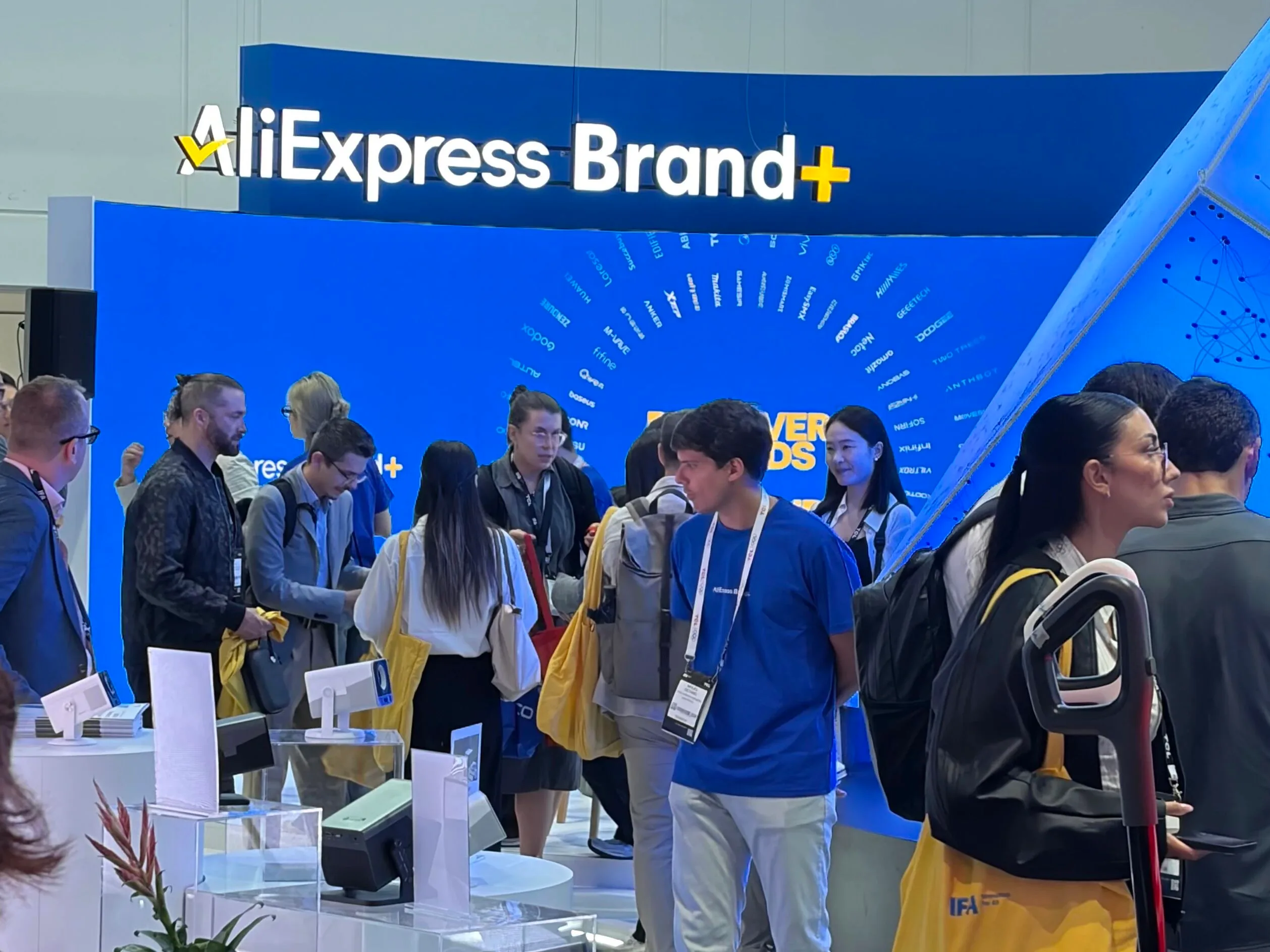
Over 900 Chinese brands attended—nearly half of all exhibitors. TVs, robotic vacuum cleaners, AI-powered smart glasses, and humanoid robots—all “Made in China.”
Virtually every prime advertising space inside and outside the exhibition halls was secured by Chinese brands, exuding unmistakable Chinese flair.
Domestic Chinese brands aren’t spending big to attend IFA in Berlin just for show.
In recent years, global expansion has become an industry imperative—but going global is genuinely hard.
Europe’s retail channels are highly fragmented, making partnerships extremely difficult; operating across multiple languages, countries, and cultures drives marketing costs sky-high; and while “Made in China” carries strong value-for-money appeal, it also comes with baggage—brand equity remains weak, pricing power limited, and margins thin despite high sales volume. So how do we break through?
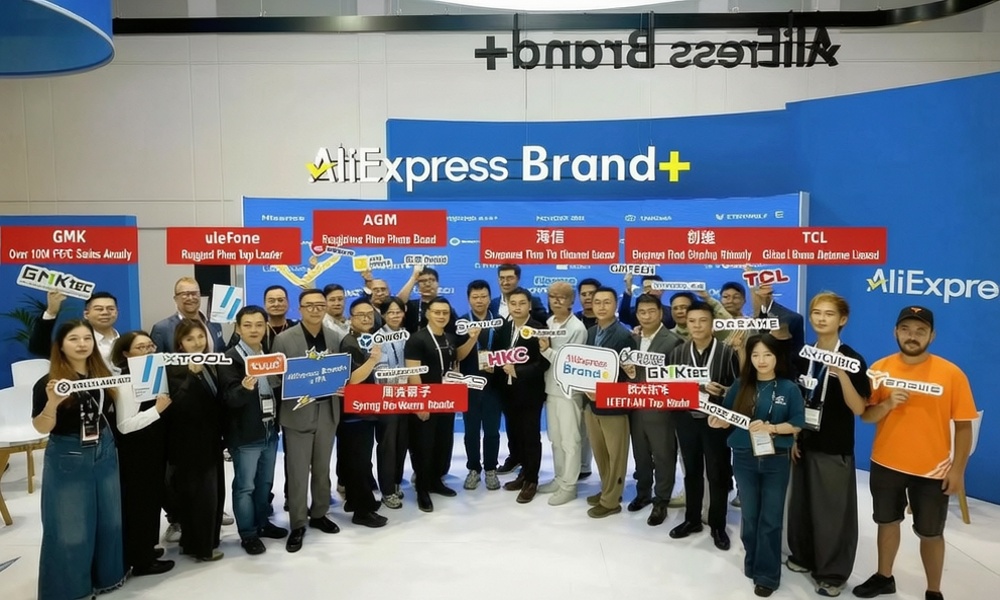
The answer lies right here on this exhibition stand: AliExpress Brand+, the cross-border e-commerce platform under Alibaba Group, secured a massive pavilion at IFA—featuring no proprietary products, but instead spotlighting nine partner Chinese brands, including familiar names like Magic Atom and ENGWE.
During the on-site group photo session, major domestic AI hardware and tech brands—including Xiaomi, Hisense, Skyworth, TCL, iFLYTEK, and Dreame—were all present.
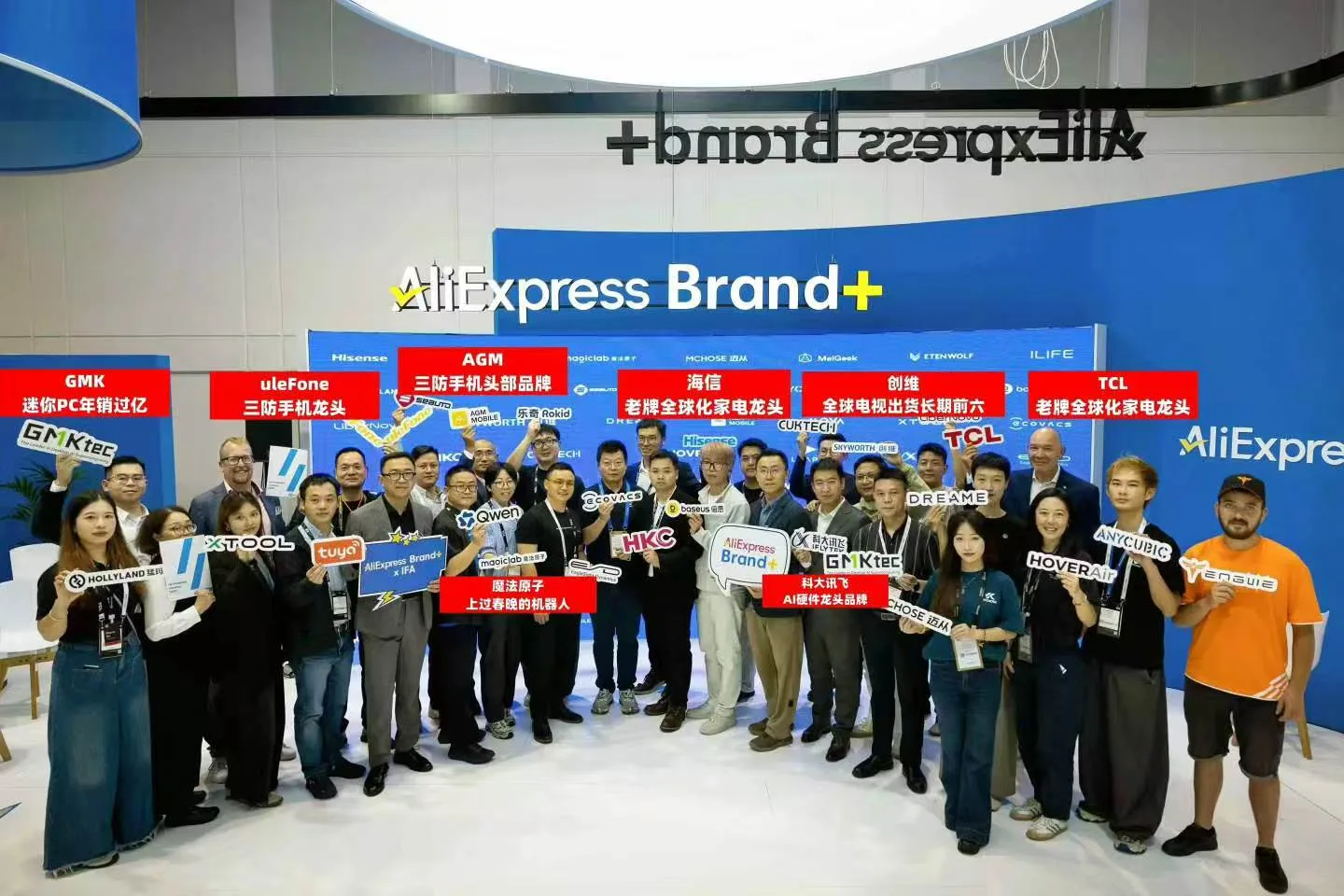
(Chinese brands going global gather for a group photo at IFA—how many can you identify?)
This isn’t merely a gesture of goodwill—it signals a new consensus among domestic Chinese brands: collectively partnering with AliExpress Brand+ to build global brand recognition and earn foreign exchange.
Brand+ is a strategic initiative launched by AliExpress over the past two years specifically to support Chinese enterprises in building global brands.
It selectively partners with high-quality products backed by robust manufacturing standards, technological capabilities, and added value—helping them access global markets at lower cost and steadily evolve into globally recognized brands.
This may sound abstract, so let’s ground it in IFA’s core categories: AI hardware and home appliances.
These happen to be among AliExpress’ fastest-growing categories. From January to July this year, AI hardware sales on AliExpress surged over 100% year-on-year.
Take Shenzhen-based ENGWE, for example: With annual revenue exceeding RMB 850 million, it dominates Amazon’s e-bike category. Yet in 2025, ENGWE pivoted decisively to AliExpress—and achieved triple-digit growth for three consecutive months, with category sales skyrocketing 40-fold during Black Friday.
Another example is ILIFE—the Polish household name in robotic vacuums—which is actually a homegrown Shenzhen company and, notably, an organic AliExpress-native brand.
Many brands have already achieved tangible results on AliExpress—and at this year’s IFA, AliExpress unveiled a major upgrade to its three core capabilities, empowering Chinese brands to scale their global branding efforts.
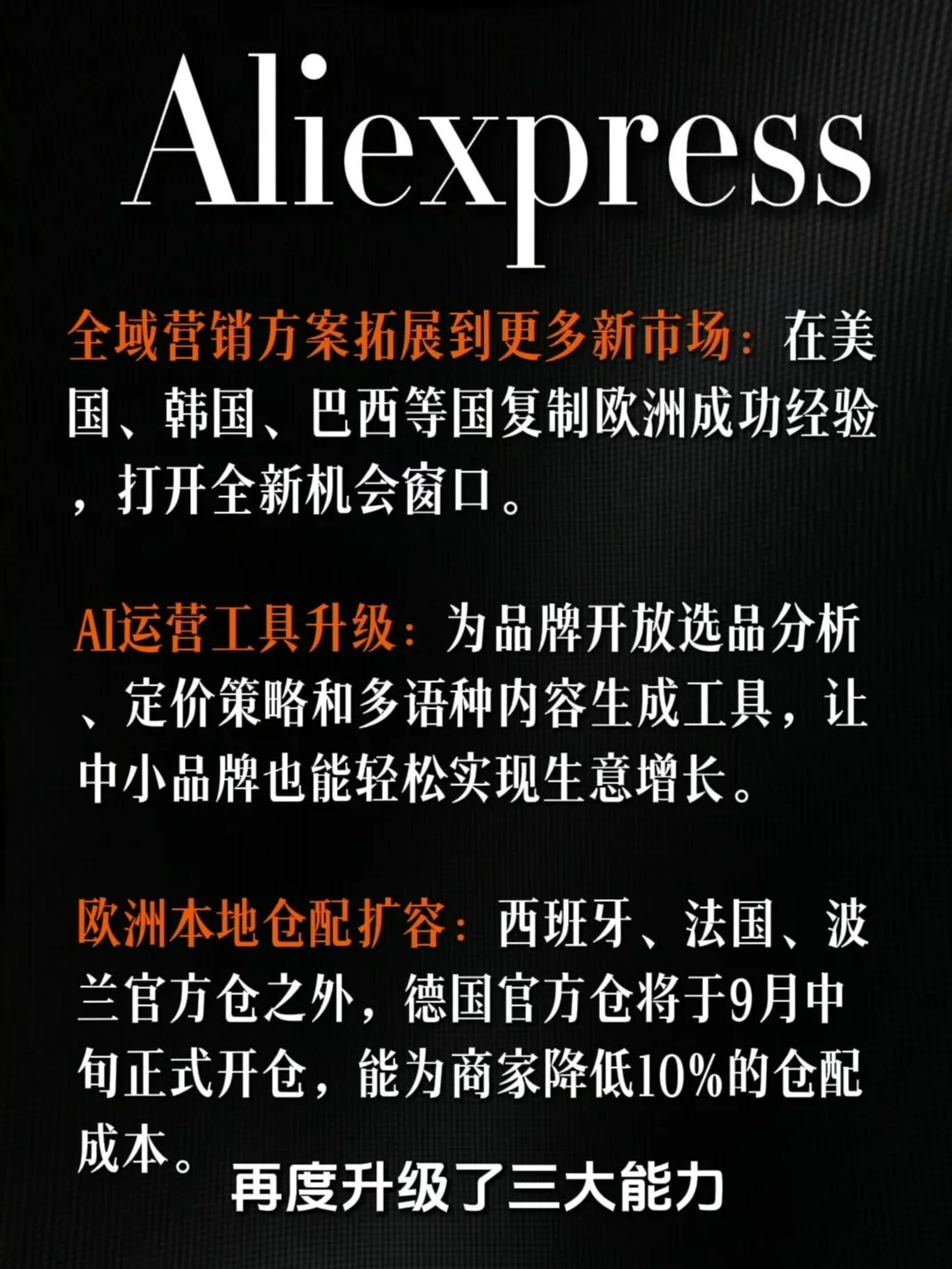
Chinese enterprises don’t lack outbound channels—the real challenge is that while there are *too many* channels, few offer sustainable growth, stable profitability, or meaningful brand-building potential.
Traditional platforms face escalating traffic costs, while newer ones remain too volatile for long-term planning. Among the so-called “Four Global Expansion Dragons,” AliExpress—being the most established—offers both explosive traffic growth and proven scalability.
That’s why AliExpress Brand+ has now become the new home base for Chinese brands going global.
China’s global expansion journey has evolved through distinct phases: first, manufacturing-oriented export trade; then, low-cost, unbranded white-label products.
In recent years, as my team has covered IFA and CES, one trend stands out clearly: Chinese brands are rapidly moving upmarket. Many industry players are achieving premium positioning through foundational R&D and product innovation—even beginning to set international standards.
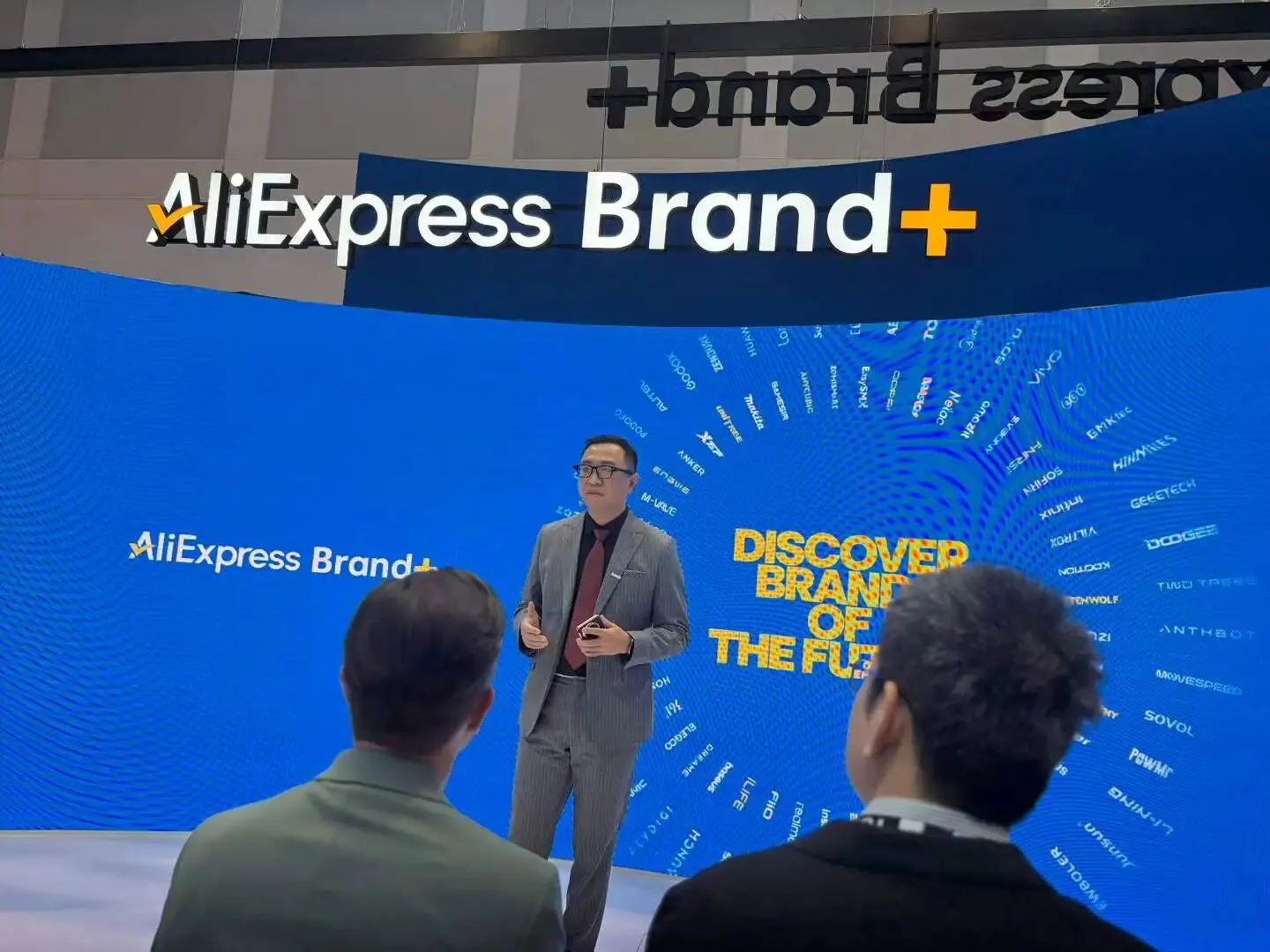
I believe this kind of technology-driven, brand-led globalization holds the greatest promise for the future.
No wonder so many top-tier brand executives joined AliExpress Brand+’s group photo—it truly represents the collective presence of Chinese brands on the world stage.
Feel free to share your thoughts in the comments if this resonates!
From September 4–8, the world’s largest consumer electronics and home appliance exhibition—IFA 2026—took place in Berlin.
As the “most authoritative new media outlet covering IFA” globally acclaimed for its comprehensive AI coverage, LeiTech dispatched its largest and highest-caliber reporting team ever to Berlin. Deploying a “2+N” model—two live hosts, multiple on-site editors, and several backend editors—LeiTech delivered immersive, real-time, and firsthand coverage of IFA 2026, with deep focus on AI Agents integrated with home appliances and hardware, robotics applied to home environments, emerging digital lifestyle trends across human-vehicle-home ecosystems, and Chinese brands’ global showcase.
LeiTech’s IFA 2026 reporting team is actively covering events from Berlin—stay tuned!