
 雷科技
雷科技




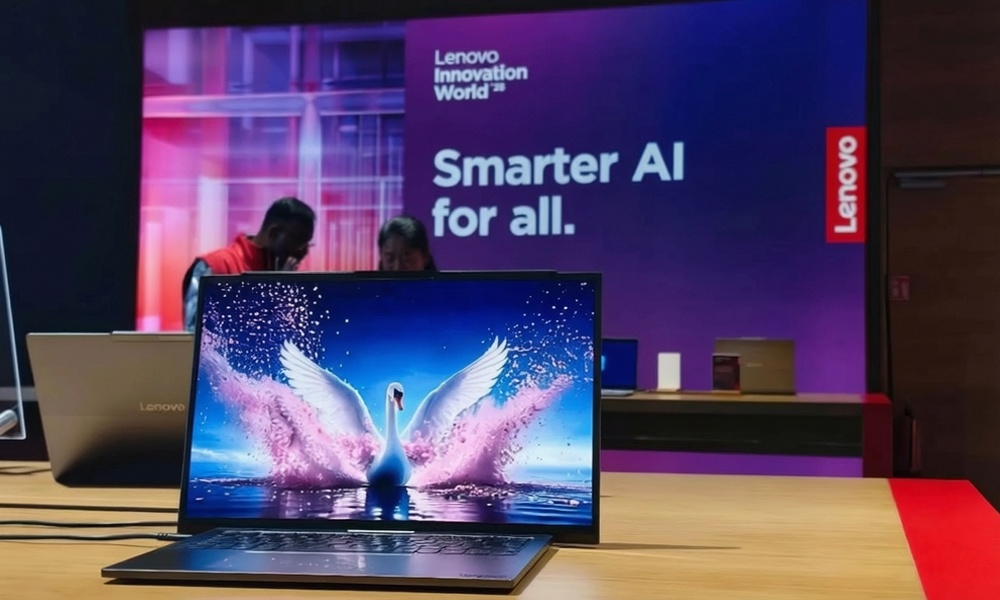


September 3, 2026, Berlin time.
One day before the official opening of IFA Berlin 2026, major PC manufacturers have already begun intensive new product launches. The LeiTech IFA26 reporting team has arrived on-site in Berlin to deliver live, comprehensive, and first-hand coverage of this year’s IFA exhibition.
Today, Lenovo hosted its “Lenovo Innovation World 2026” event in Berlin—and the LeiTech IFA reporting team was invited to attend and cover the event.
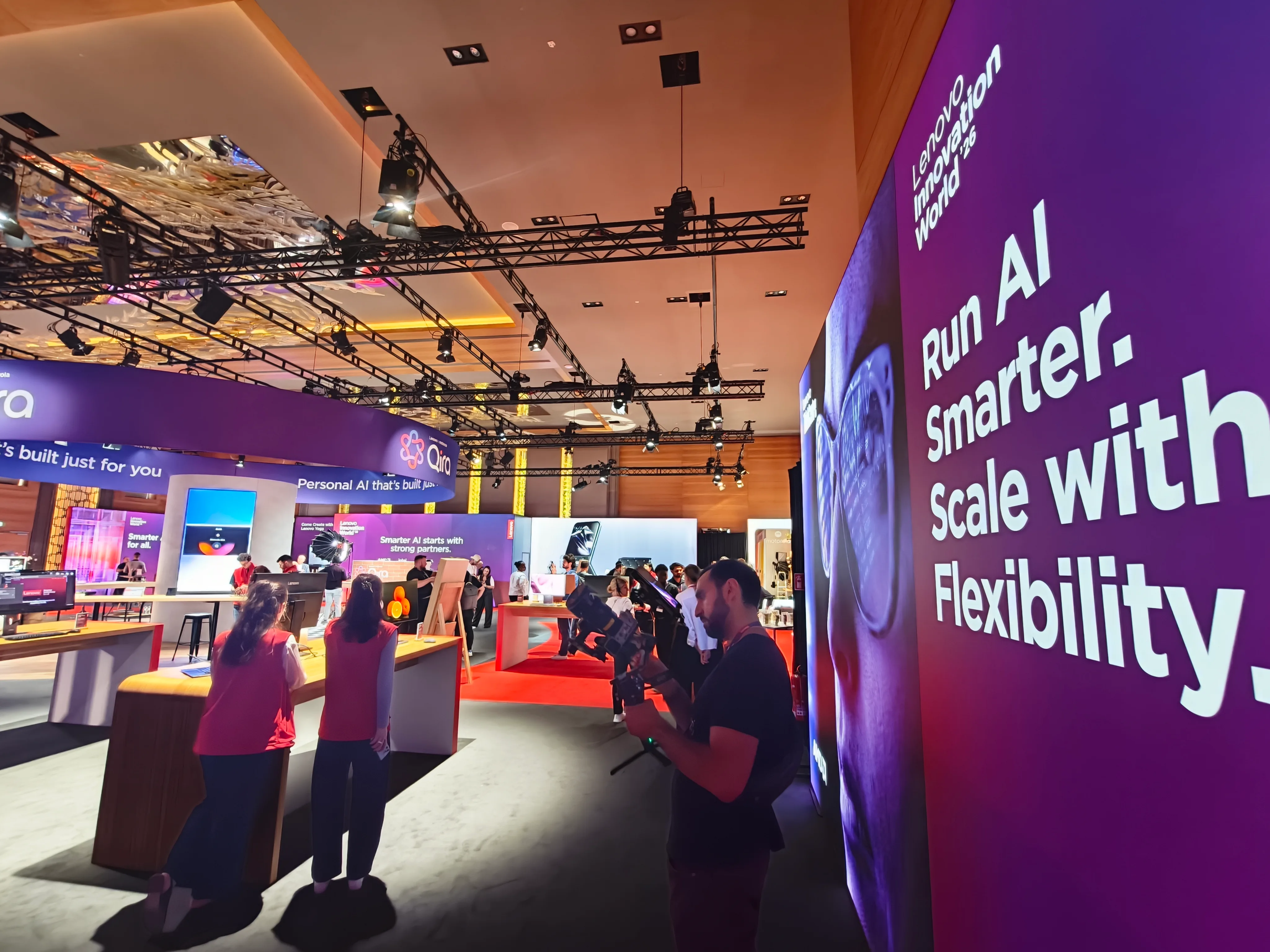
(Photograph source: LeiTech)
During today’s keynote, executives from Lenovo and AMD stated that the next phase for AI PCs is a full transition into the Agent era. They envision future computers not as simple chatbots that respond to each query one-by-one, but rather as autonomous personal digital assistants capable of comprehending user intent and proactively executing tasks on the user’s behalf.
In recent years, the PC market has been dominated by traditional ultrabooks and gaming laptops. However, in the era of on-device large language models, the computational capabilities of conventional devices are increasingly insufficient. At this year’s IFA, Lenovo therefore shifted its focus squarely toward high-end productivity-oriented AI Agent PCs.
(Photograph source: LeiTech)
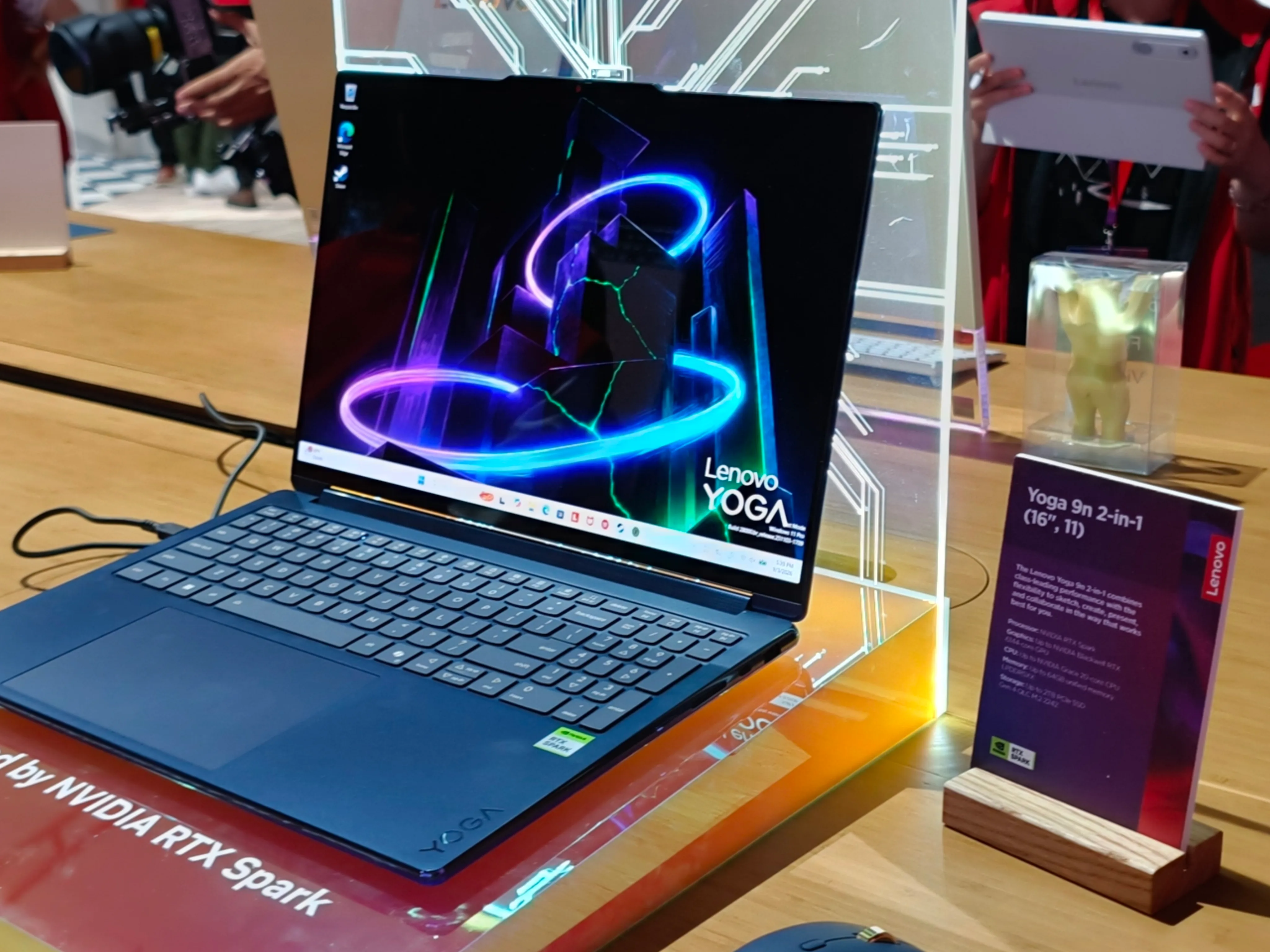
This device debuts with the RTX Spark N1X chip and 64 GB of unified memory, integrating a 20-core Grace CPU and a GPU based on NVIDIA’s Blackwell architecture. By packing data-center-grade compute power into an ultra-slim chassis, it empowers content creators to perform complex sketching, 3D creation, and seamless collaborative sharing—entirely offline and anytime, anywhere.
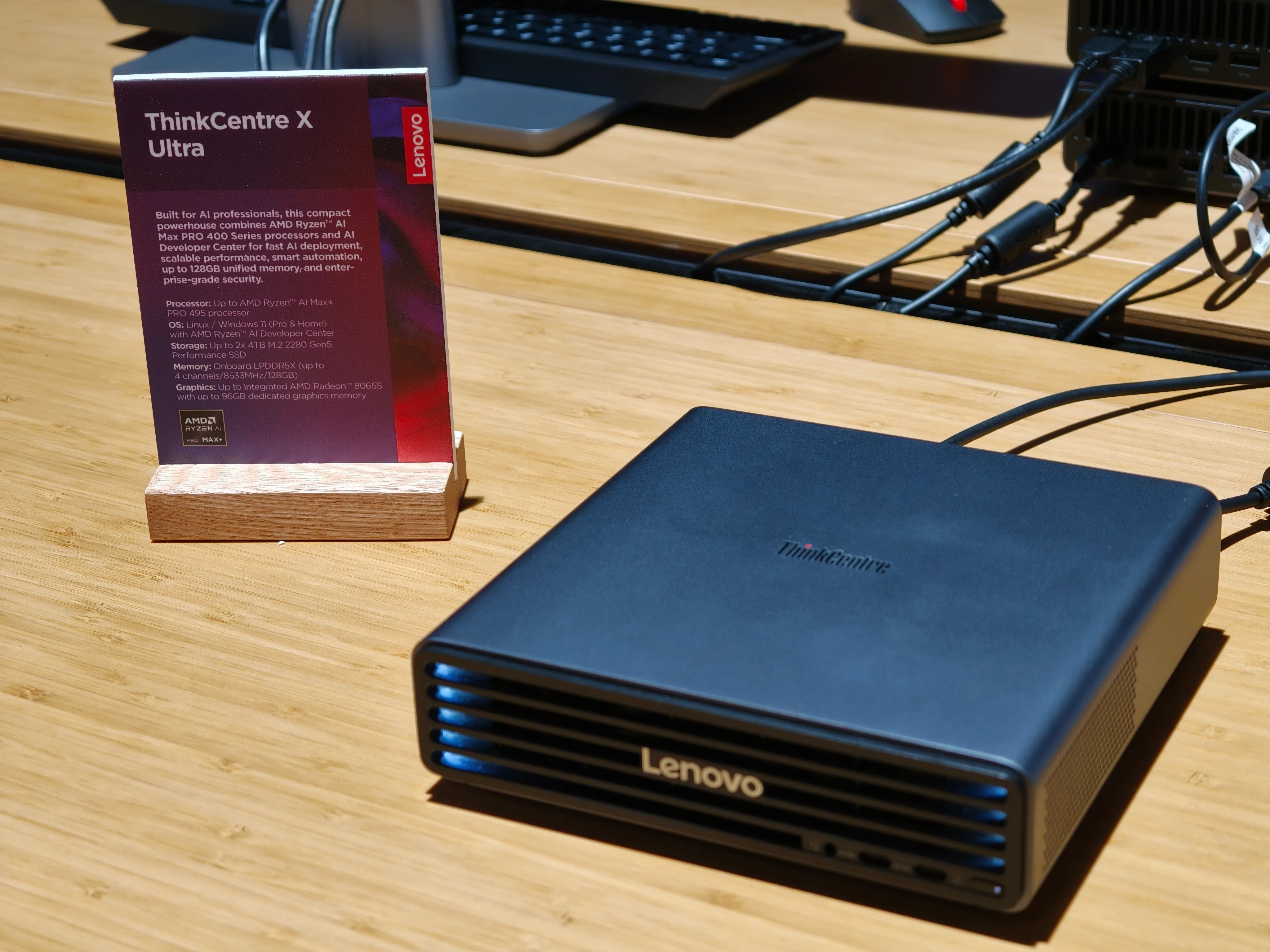
For hardcore professional AI developers, Lenovo unveiled the groundbreaking ThinkCentre X Ultra mini PC—designed precisely to fulfill AMD’s “AI Copilot” (AC) concept.
(Photograph source: LeiTech)
Inside this remarkably compact system, Lenovo integrated AMD’s latest Ryzen AI Max PRO 400-series processor, up to 128 GB of ultra-large unified memory, an AMD Radeon 8065S discrete GPU with up to 96 GB of VRAM, and support for two 4 TB PCIe Gen 5 “full-power” SSDs.
Across the entire PC industry, vendors are fiercely competing on on-device compute performance. Lenovo’s key advantage lies in successfully condensing top-tier AI deployment and automated development configurations—previously exclusive to large tower workstations—into an extremely compact form factor, dramatically improving desktop space efficiency.
Naturally, such premium specifications come at a premium price.
Beyond these high-performance, production-ready devices, Lenovo also demonstrated cutting-edge explorations in hardware form factors.
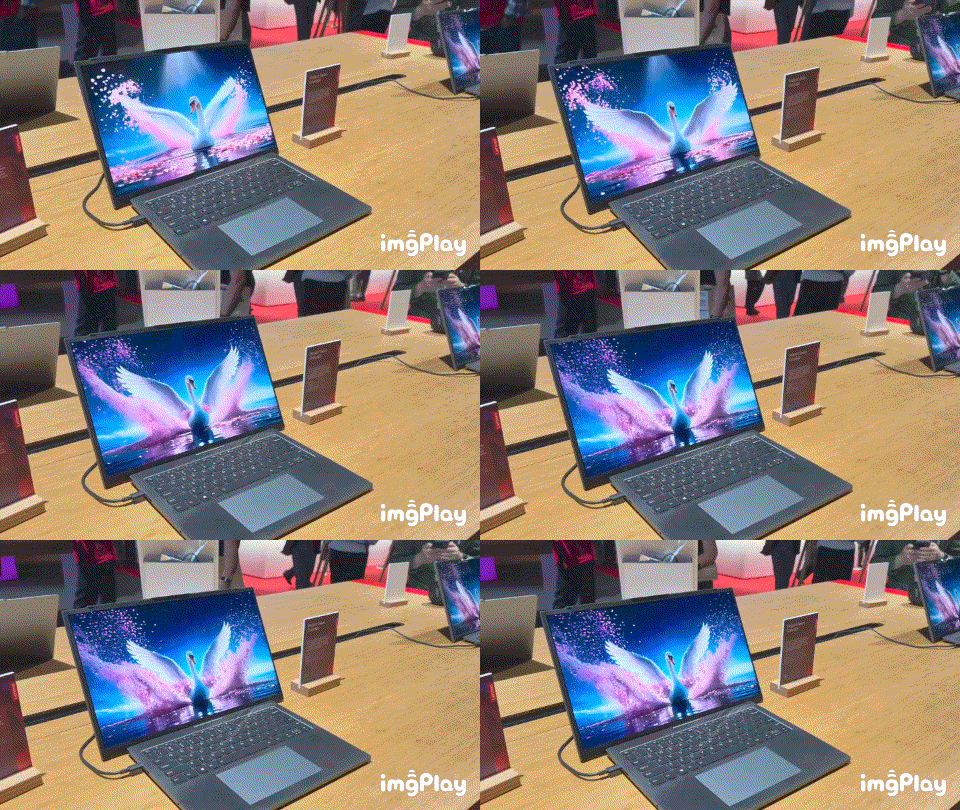
(Photograph source: LeiTech)
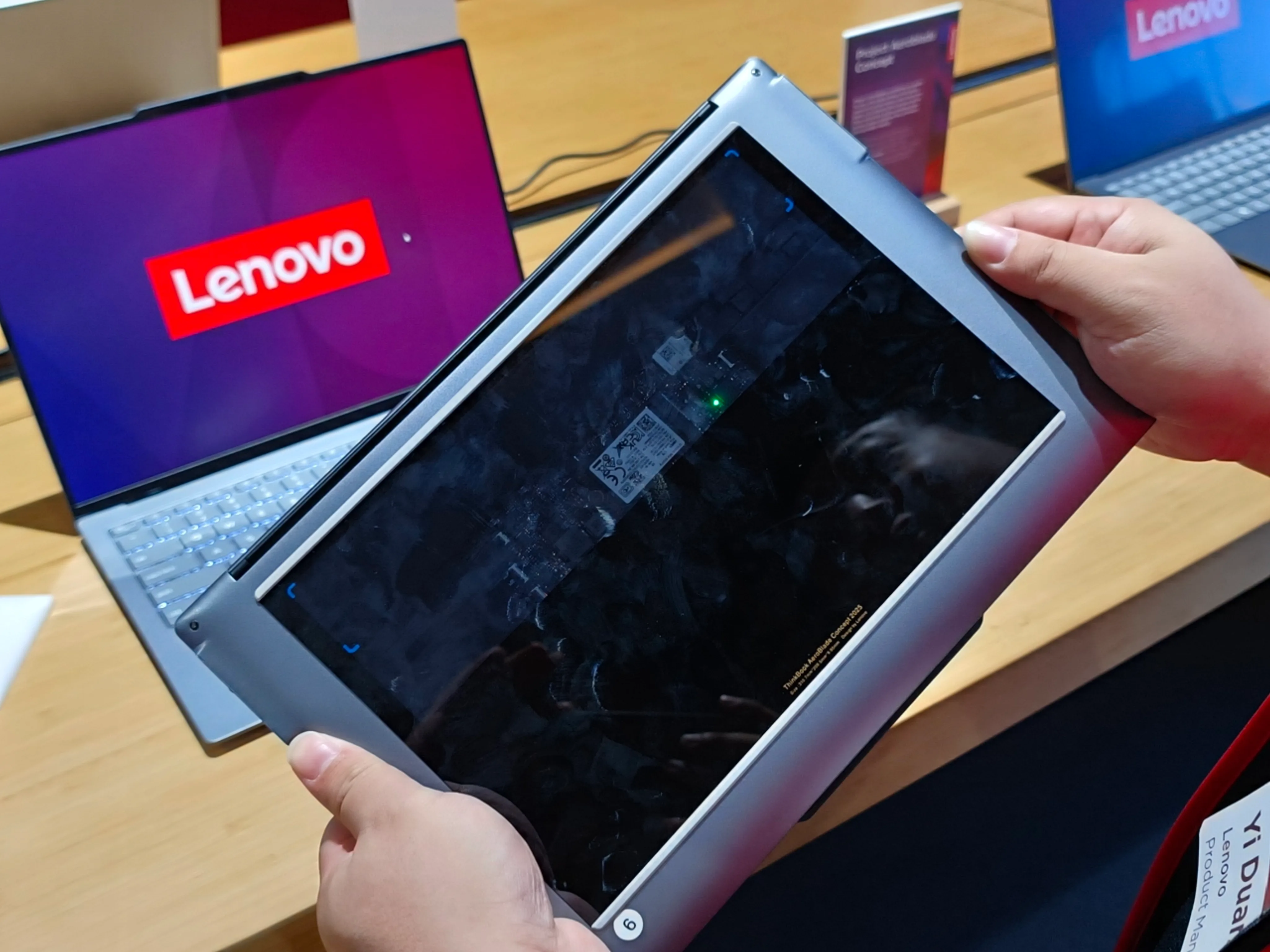
(Photograph source: LeiTech)

Today, the PC market faces severe pressure from rising component costs, resulting in significantly higher prices for similarly specced models compared to previous years. With only incoming college students representing a relatively captive buyer group, overall consumer demand remains severely suppressed—both domestically and internationally.
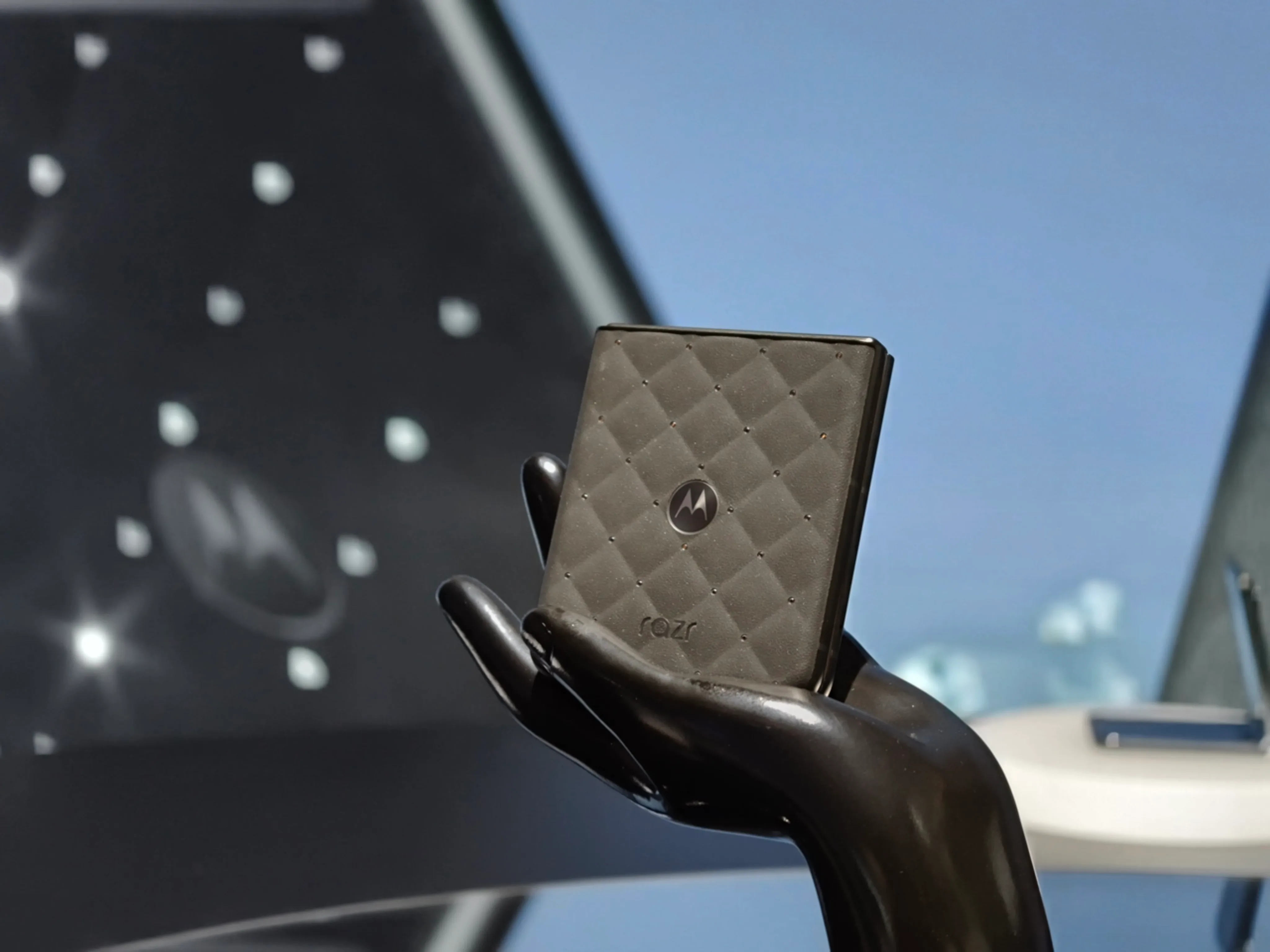
To stimulate upgrade demand, PC vendors must take decisive action. This year, Lenovo has taken its first bold step toward the AI Agent era—leveraging on-device compute power, its Qira assistant, and an ecosystem spanning all usage scenarios to meaningfully unify diverse hardware and software components.
(Photograph source: LeiTech)
Hey—don’t laugh! A broad product portfolio is itself a competitive advantage.
Although specific pricing details for all new models remain unannounced, it’s expected that devices such as the Yoga series and IdeaPad will launch domestically in China soon. For hands-on reviews and deeper technical analysis of these new products, stay tuned to LeiTech’s real-time reporting from Berlin.
From September 4–8, the world’s largest consumer electronics and home appliance exhibition—IFA 2026—will be held in Berlin.
As the “most authoritative new media outlet covering IFA globally”—widely recognized for its deep AI expertise—LeiTech has dispatched its largest and highest-caliber reporting team to date. Deploying a “2+N” coverage model—two on-site hosts plus multiple field editors and remote editorial staff—LeiTech will deliver live, immersive, and first-hand IFA 2026 coverage. Key focal points include the integration of AI Agents with home appliances and hardware; the convergence of robotics technologies with domestic living environments; emerging trends in human-vehicle-home digital lifestyles; and the global stage presence of Chinese brands.
The LeiTech IFA 2026 reporting team arrived in Berlin on September 3 to begin preliminary coverage—stay tuned!