 雷科技
雷科技





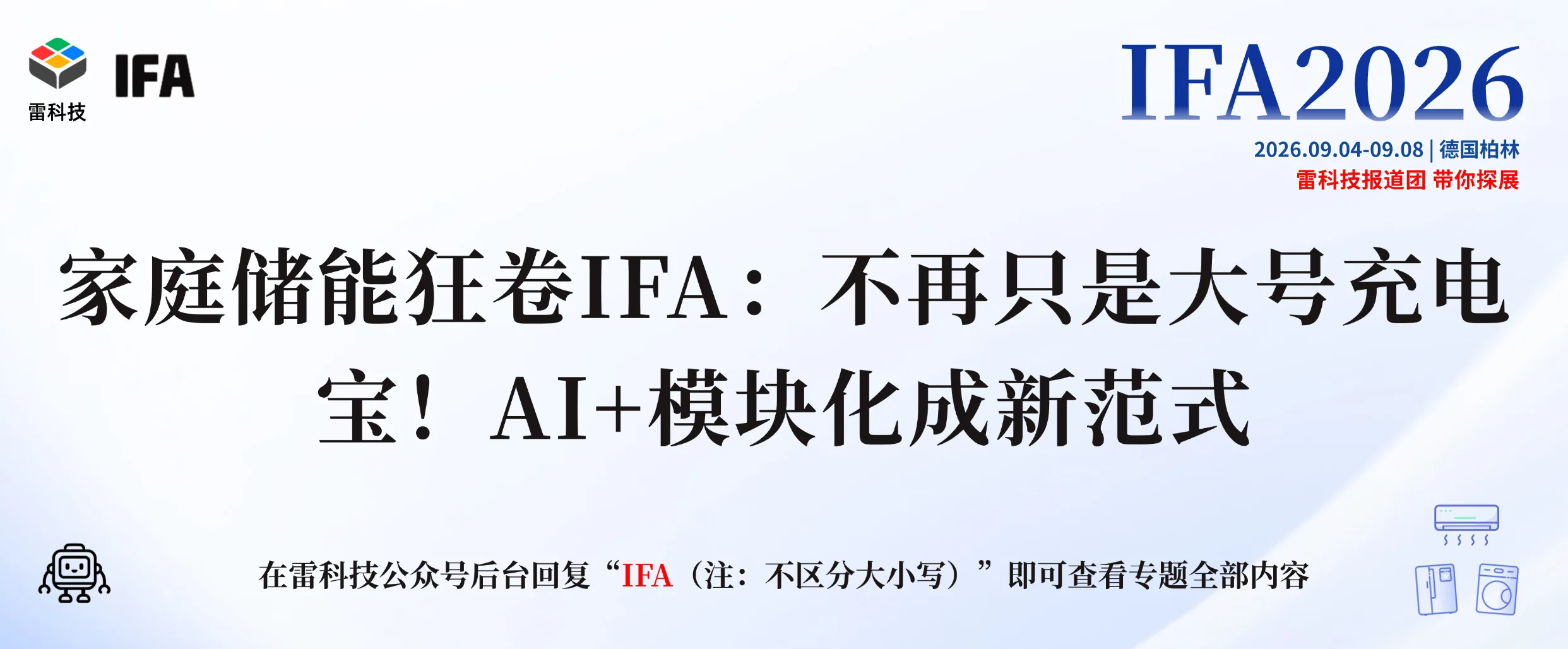
On September 4, 2026, IFA 2026 (Internationale Funkausstellung Berlin) officially opened. Under the theme “The Future is Now”, this year’s show features over 1,900 exhibitors from 49 countries and regions, and is expected to draw 220,000 attendees from more than 140 nations.
The Leitech reporting team for IFA 26 is on‑site in Berlin, delivering timely, multi‑faceted and in‑depth coverage of IFA 2026. As a flagship global exhibition for consumer electronics and home appliances, this year’s IFA spotlights not only smartphones, TVs, smart‑home hardware and AI products, but also home energy storage as a key exhibit segment. Brands including Anker, Dreame, Bluetti, Jackery, ALLPOWERS INC and Tuestrong Power are moving beyond merely producing “electricity‑storing batteries”. They are integrating photovoltaics, energy storage, household power consumption, dynamic electricity pricing and AI‑powered energy management into unified systems, transforming home energy storage from a standalone hardware category into a household energy hub.
From “Large Power Bank” to “Home Energy Hub”
Tracing the evolution of the home energy storage market over the past few years reveals a clear product-upgrade trajectory: portable power stations → PV generation → balcony-mounted PV + storage → whole-home energy storage → AI-powered home energy management.
Simply stacking battery capacity is now obsolete. Today, companies focus on integrating PV generation and energy storage into holistic household energy dispatch systems—and leveraging AI algorithms to reduce consumers’ electricity costs.
It’s important to note that pure PV generation is inherently weather-dependent, with output directly proportional to light intensity. During prolonged overcast or rainy periods, the value proposition of conventional home energy storage diminishes significantly. Moreover, determining optimal times to discharge stored energy—and how to minimize overall electricity expenses—remains a critical challenge.
(Photograph source: LeiTech)
In response, Jackery launched its Ark AI EMS (Energy Management System), which automatically forecasts household electricity demand across different time slots, as well as PV generation output and dynamic electricity pricing—optimizing charging/discharging strategies accordingly.
Anker follows a similar approach: its Solarbank Max AE111 integrates seamlessly with PV panels, delivering up to 10 kW peak generation power. Its home AI data hub, MindBase, monitors real-time occupancy and appliance usage patterns to intelligently determine whether the Solarbank Max AE111 should charge or discharge.
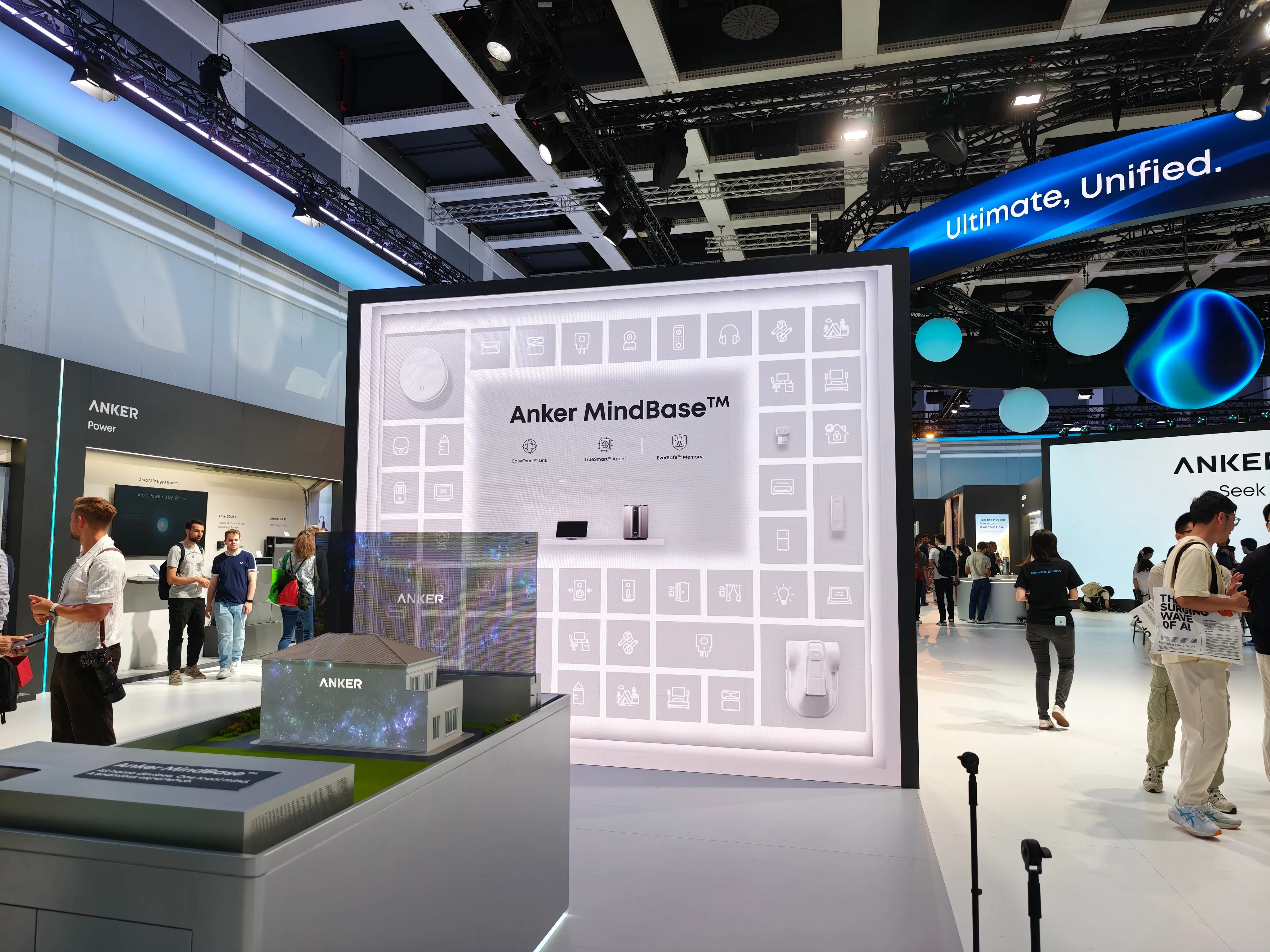
(Photograph source: LeiTech)
Dreame’s AI-powered Home Energy Management Platform, LumeGret Orbit, functions similarly to Jackery’s Ark AI EMS—continuously monitoring PV output, dynamic pricing, and household electricity consumption to optimize charging/discharging cycles.
Aoi Electronics’ home energy storage system integrates with KARST’s EV charging solution, enabling intelligent scheduling of EV charging during optimal time windows.
Given constraints such as panel surface area and light intensity, PV generation alone often falls short of meeting daily household electricity needs. Furthermore, during extended low-light periods—such as the plum-rain season—PV output drops sharply, making it difficult to achieve meaningful electricity cost savings using PV alone.
With AI-based control systems, however, the system charges batteries during off-peak (low-cost) hours and discharges them during peak (high-cost) hours—effectively balancing electricity expenses. This design decouples home energy storage from reliance on PV panels, enabling large-capacity batteries to actively manage energy dispatch. As a result, users can maintain low electricity costs even during peak-rate periods.
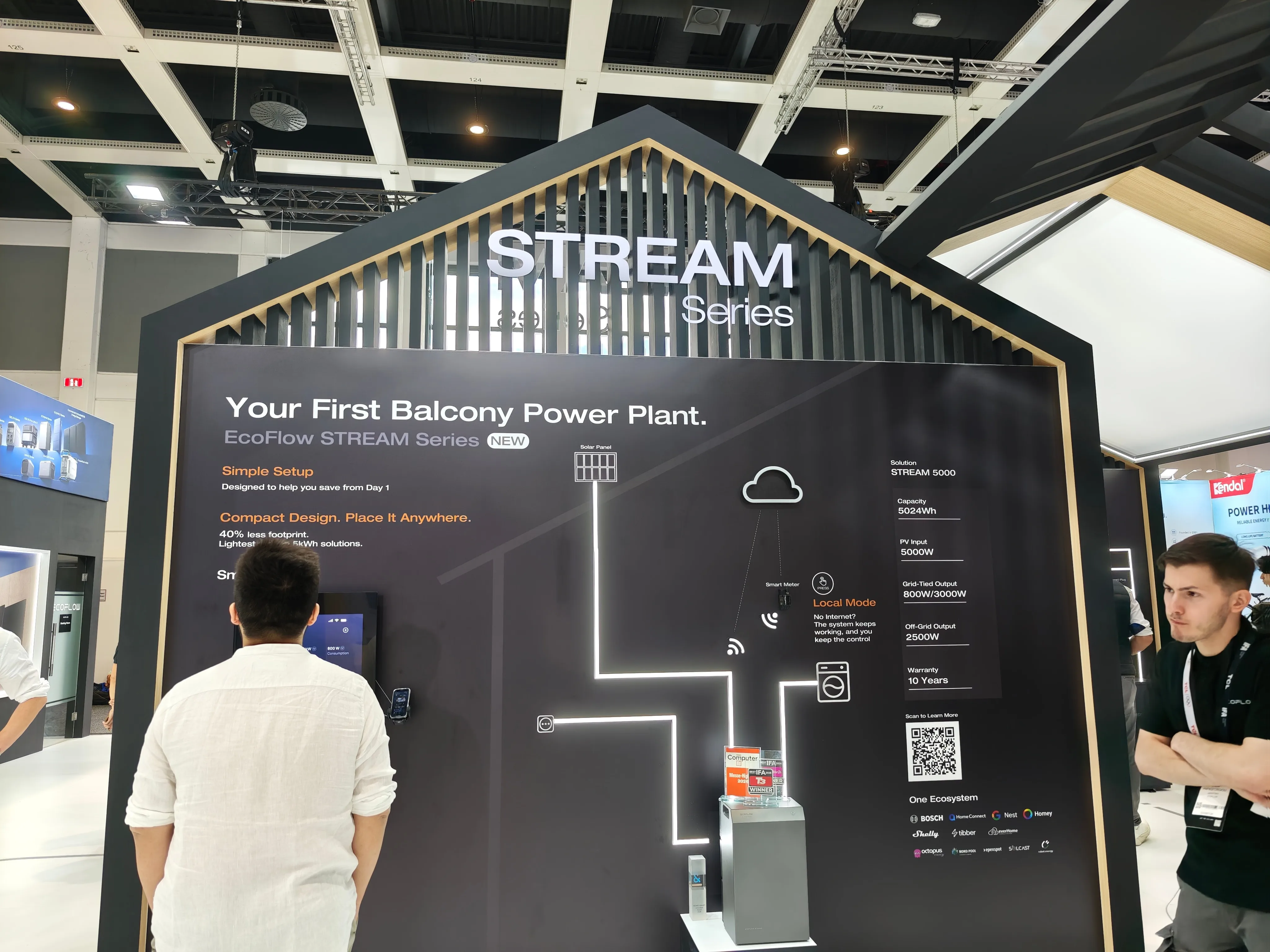
(Photograph source: LeiTech)
LeiTech believes home energy storage is undergoing a fundamental shift—from “storing electricity” to “managing electricity.” Historically, manufacturers competed primarily on battery capacity; today, the core competitive battleground lies in orchestrating seamless synergy among PV generation, energy storage, the utility grid, home appliances, and new-energy vehicles.
Especially with AI integration, home energy storage has evolved from passively awaiting PV input to proactively deciding when to charge or discharge—based on real-time PV output, dynamic pricing, and household electricity demand.
In other words, PV solves “where electricity comes from,” storage solves “when electricity is used,” and AI solves “how to use electricity more affordably.” This convergence represents the pivotal step toward mainstream adoption. In the future, consumers may no longer purchase just a battery—they’ll acquire an “intelligent energy concierge”: a smart system continuously optimizing household energy costs.
Can Modular Design Usher in a New Era for Home Energy Storage?
While the industry grows rapidly, home energy storage faces a key barrier to broader adoption: upfront cost. A complete 10 kWh home storage system—including an inverter—typically costs several thousand to tens of thousands of yuan. Adding PV equipment further extends the payback period to multiple years. Beyond initial investment, battery degradation constitutes another hidden long-term cost.
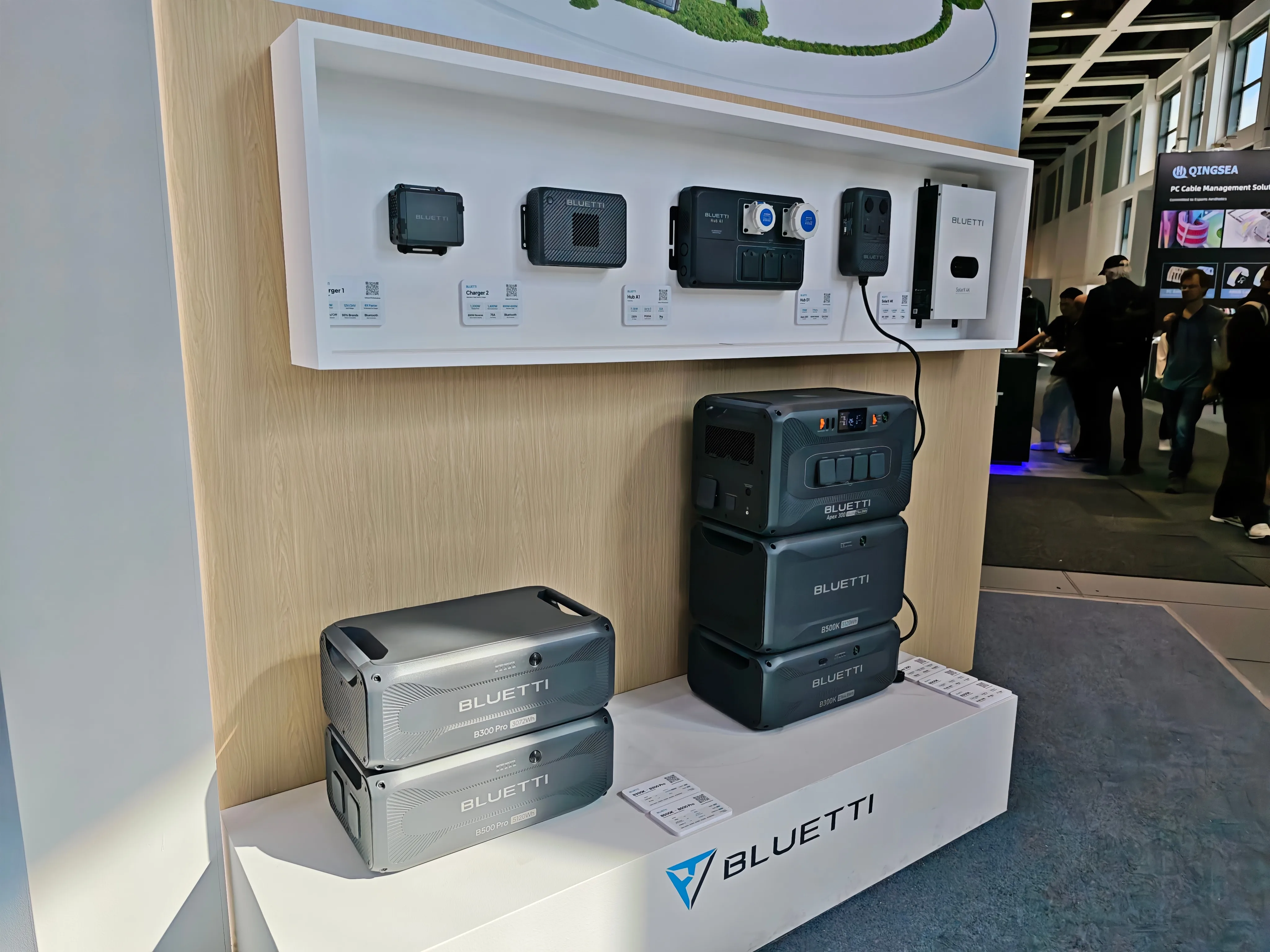
To address this, Jackery’s SolarVault 3 Pro Max adopts a modular architecture, supporting scalable capacity from 2.52 kWh up to 15.12 kWh.
Anker leverages its PluginPower technology to enable modularity: the Anker SOLIX Power Dock features four 3600 W AC outlets, supports up to 4.8 kW AC output and 14.4 kW PV input, and offers a massive 64.5 kWh battery capacity. Users can tailor both output power and battery capacity precisely to their needs—significantly reducing initial investment.
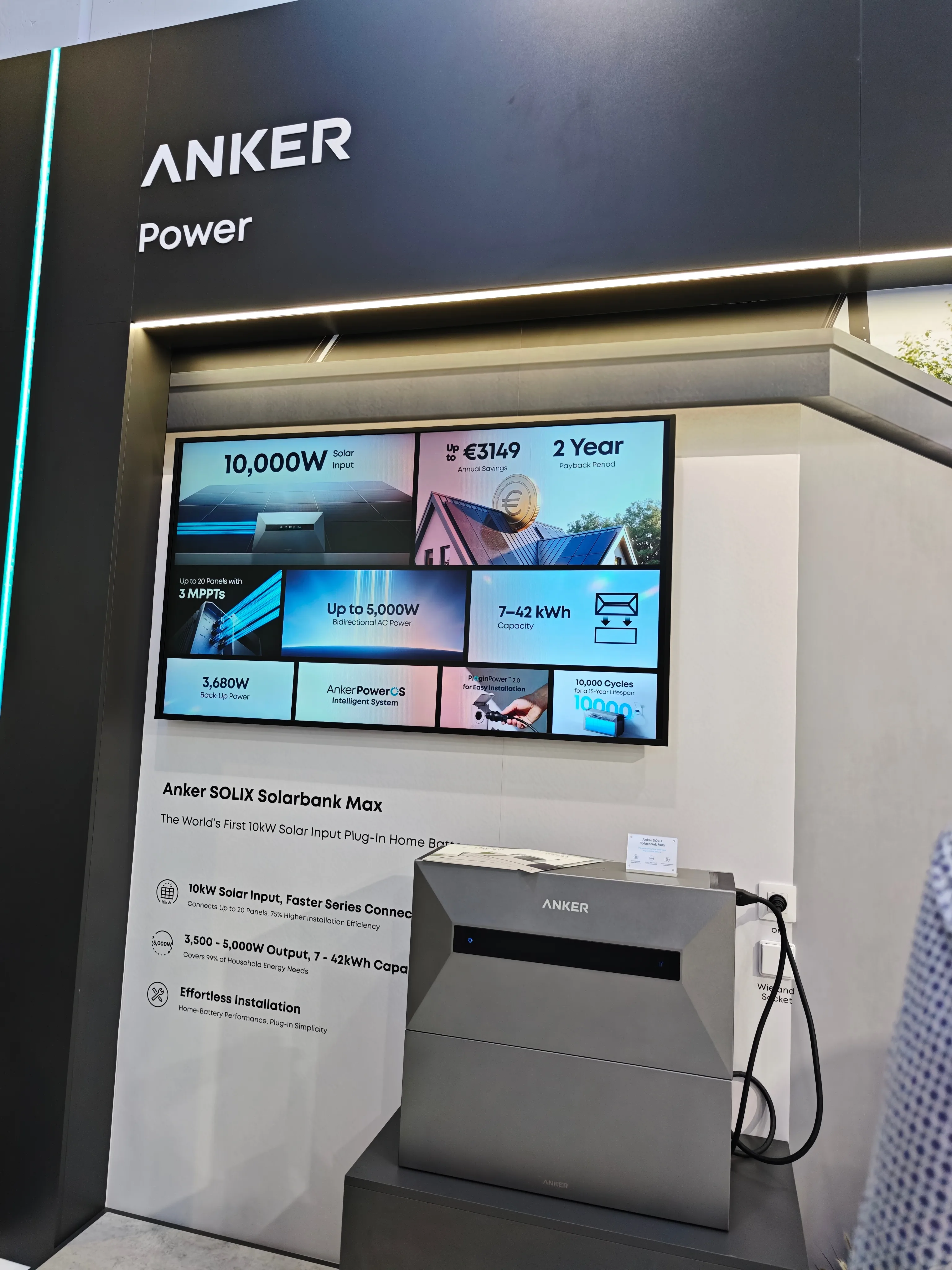
(Photograph source: LeiTech)
Additionally, as battery capacities increase, the boundary between home energy storage and portable power stations continues to blur. Take the Jackery Explore 3000v2, for example: with a 3.072 kWh capacity, 3600 W continuous output, and a peak output of 7200 W, it features eight output ports and full compatibility with SolarSaga PV panels—functioning equally well as a high-capacity portable power station or a residential energy storage unit.
EcoFlow’s STREAM series, showcased at the exhibition, utilizes an expandable modular design capable of scaling up to 90 kWh capacity and 18 kW output power. Its lithium iron phosphate (LFP) batteries boast up to 10,000 charge/discharge cycles and a design lifespan of 15 years.
LeiTech believes that as modular design becomes mainstream, the distinction between home energy storage and portable power stations will continue to narrow. Companies like Anker, Jackery, and Dreame can incorporate modularity across their entire portable power station lineups—enabling parallel operation so each unit contributes to a unified home energy storage system.
When users need outdoor power, they simply detach part of their home storage system and take it with them. This design not only substantially lowers the combined acquisition cost of home storage and portable power solutions but also creates cross-selling opportunities: home storage buyers may opt for dual-use portable units, while portable power users may upgrade to expand their home storage capacity—a win-win scenario.
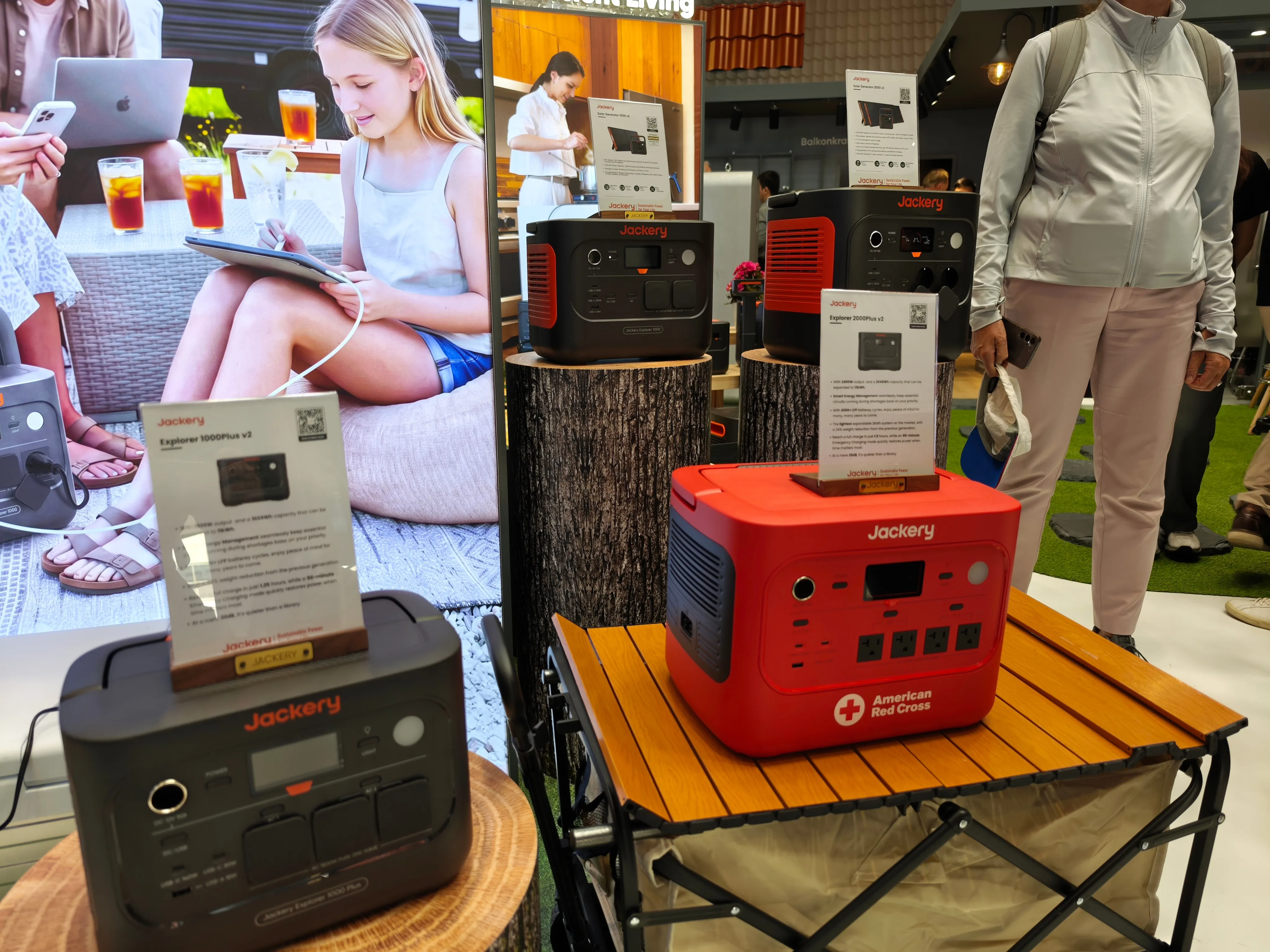
(Photograph source: LeiTech)
Based on home energy storage products exhibited at IFA 2026, modular design is emerging as a critical pathway for lowering consumer entry barriers and expanding application scenarios. Rather than purchasing a fixed, high-capacity system upfront, users can incrementally scale battery capacity according to evolving household needs—reducing initial investment while extending the system’s operational lifetime.
More notably, modularity is dissolving the traditional product boundary between home energy storage and portable power stations. Once batteries, inverters, and storage controllers become freely combinable, a single portable power station can operate independently—or serve as an interchangeable “battery module” within a larger home energy storage ecosystem.
In LeiTech’s view, this trend holds greater industrial significance than simply pursuing ever-larger battery capacities. It enables consumers to achieve “one device, multiple scenarios”—and empowers manufacturers to expand their customer base from portable power users into the home energy storage market. In the future, home energy storage may no longer be a fixed, permanently installed system—but rather a flexible, scalable, and scene-agnostic set of energy modules that seamlessly switch between indoor and outdoor applications.
Could “Modular + AI” Become the New Paradigm for Home Energy Storage?
Products showcased at IFA 2026 indicate that home energy storage is entering a new developmental phase. Previously, competition centered on battery capacity, output power, and cycle life—with manufacturers striving to deliver ever-larger batteries to meet growing household electricity demands.
Today, as PV generation, dynamic electricity pricing, new-energy vehicle charging, and AI-driven energy management converge into integrated systems, the competitive logic is fundamentally shifting.
In this evolution, AI serves as the “decision-making layer” of the home energy system—predicting generation, consumption, and pricing patterns to enable proactive participation in household energy dispatch. Meanwhile, modularity provides the essential “hardware foundation,” empowering users to scale capacity incrementally and accelerating the convergence of home storage and portable power solutions.
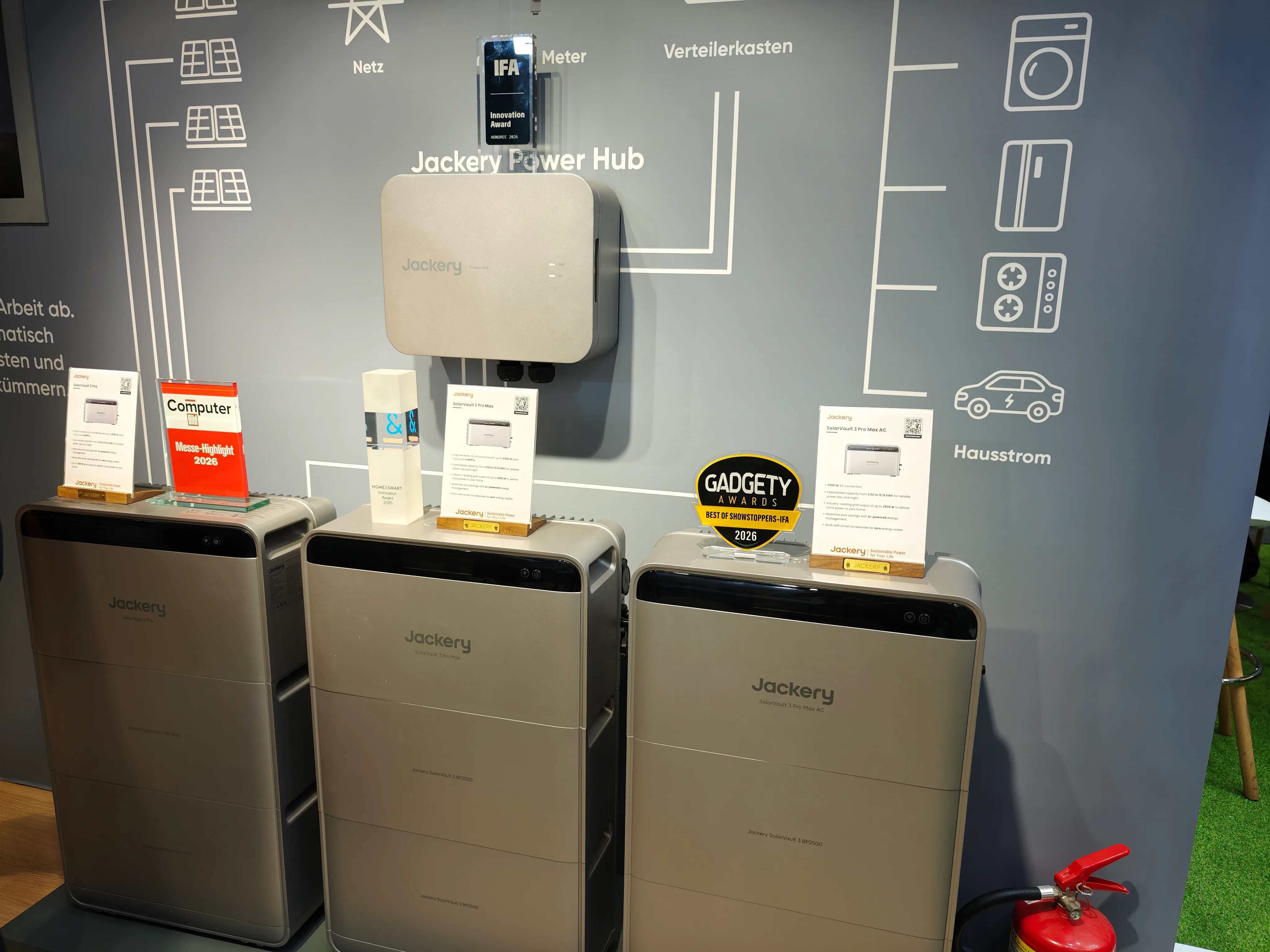
(Photograph source: LeiTech)
Looking ahead, home energy storage could become a new nexus linking smart home ecosystems and new-energy vehicles. PV generates electricity, batteries store it, AI manages distribution, and appliances plus EVs constitute the consumption endpoints. When these components form a truly closed-loop system, home energy storage evolves from a standalone device into the “central nervous system” of the entire household energy infrastructure.
LeiTech believes the most significant signal from IFA 2026 isn’t merely the launch of new home energy storage products—but rather the industry’s strategic pivot from “selling hardware” to “delivering integrated systems,” and from one-time hardware sales to ongoing energy services. In the future, consumers won’t buy a static, wall-mounted battery—they’ll subscribe to an intelligent energy system capable of autonomously generating, storing, consuming, and optimizing electricity—continuously lowering household energy costs.
This transformation may well represent the next major revolution following mainstream adoption of home energy storage.
From September 4–8, the world’s largest consumer electronics and home appliance exhibition—IFA 2026—is being held in Berlin.
As the “most influential new media outlet covering IFA” globally—recognized by AI experts worldwide—LeiTech has deployed its largest and highest-caliber reporting team to date. Using a “2+N” model (two live hosts + multiple on-site editors + multiple remote editors), LeiTech is delivering real-time, immersive, first-hand coverage of IFA 2026—with special emphasis on AI Agents integrated with home appliances and hardware, robotics technologies embedded in domestic environments, emerging digital lifestyle trends across human-vehicle-home ecosystems, and Chinese brands’ global stage presence.
The LeiTech IFA2026 Reporting Team is currently conducting intensive on-the-ground coverage in Berlin—stay tuned!