 雷科技
雷科技




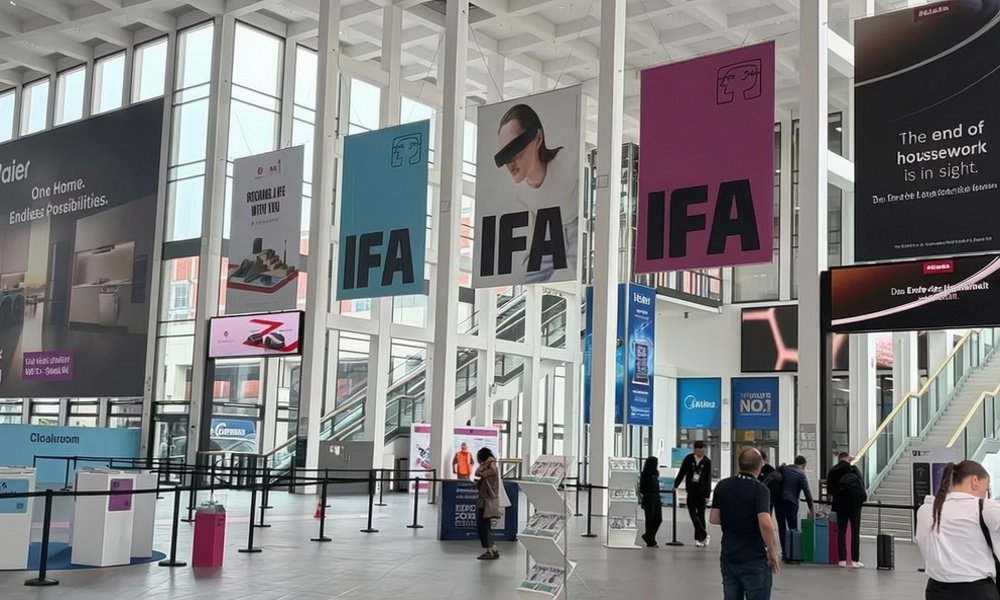


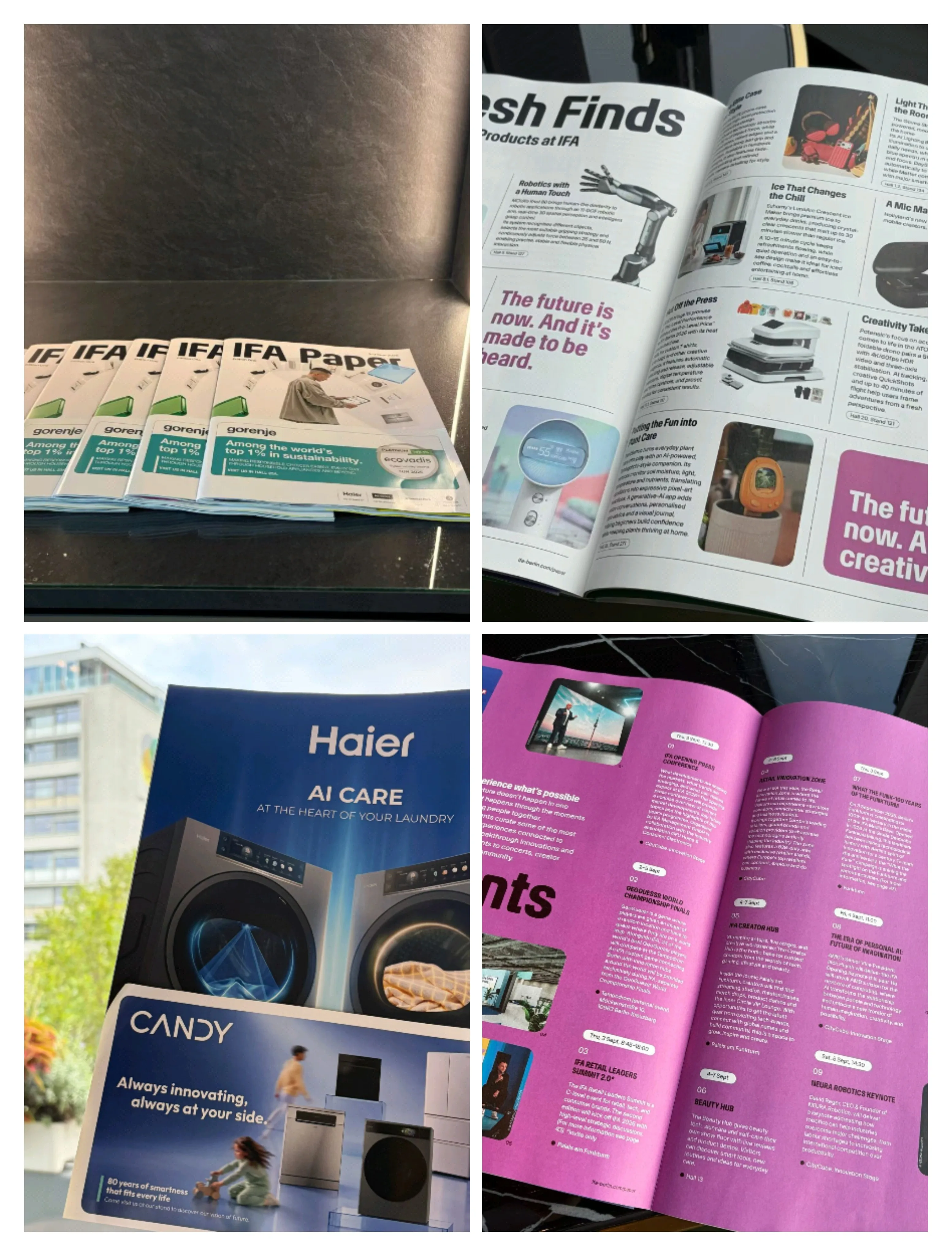
On September 4, IFA 2026 will kick off at Messe Berlin in Germany. Ahead of the official exhibition, IFA hosted a press conference as a warm‑up event. Here in Berlin, we can already feel the strong buzz surrounding the show. The complimentary IFA magazines available at our hotel are exquisitely produced. Flipping through them, we spot many familiar Chinese brands such as Haier, MOVA, Hollyland, Botem and Govee. IFA’s official communication standards rank among the very best of the world’s top‑tier exhibitions.
(Image source: LeiTech reporting team on-site)
At the IFA Media Days press conference on September 2, the official unveiled this year’s show theme: The Future is Now.
This theme comes as no surprise. LeiTech (ID: leitech) had already “leaked” it ahead of time in its exclusive global preview of IFA 2026. Now that IFA has formally confirmed it, the rumor is officially validated. And indeed, this slogan resonates more powerfully than ever before: AI is stepping out of chat windows and into the physical world.
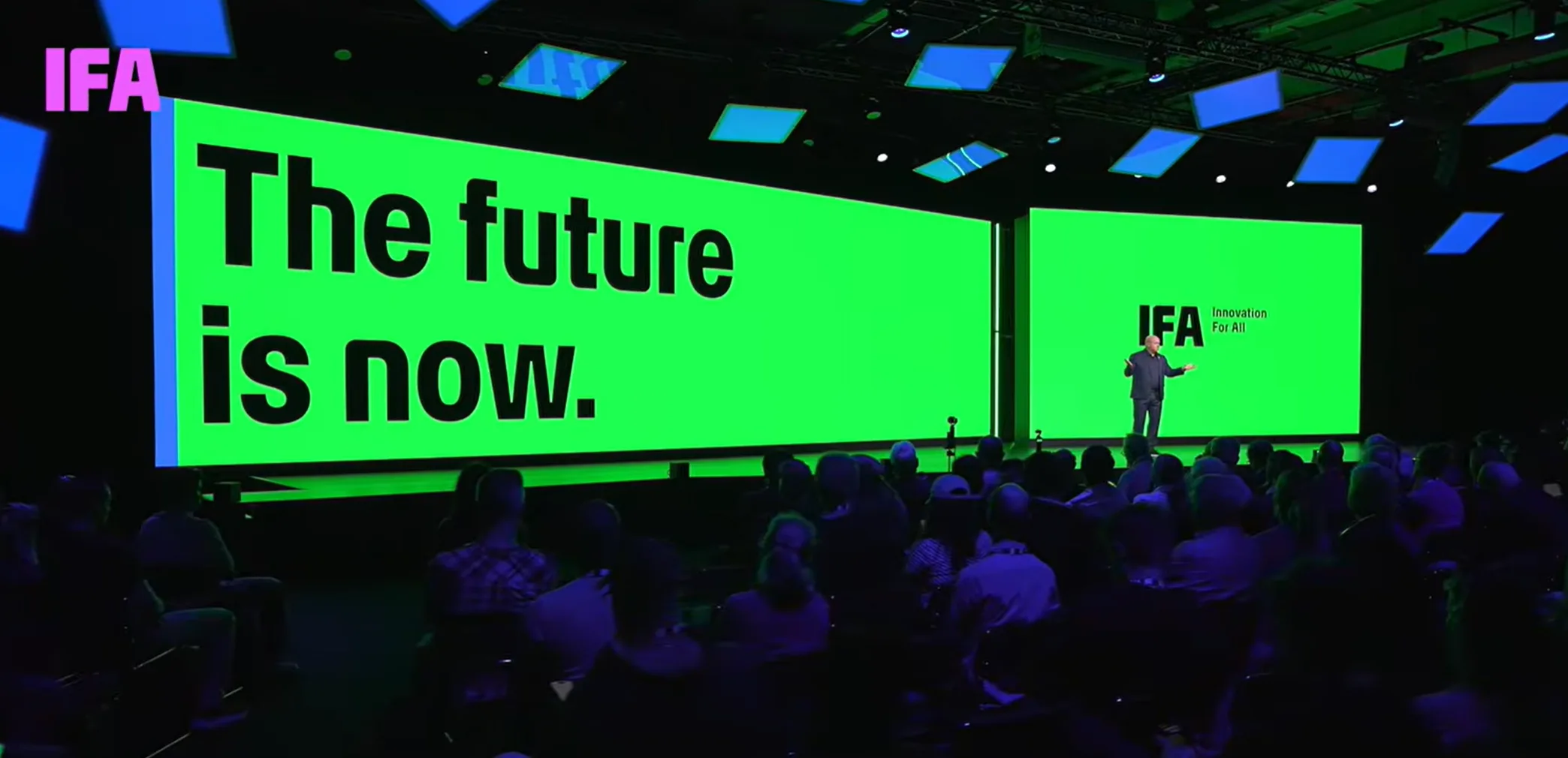
(Image source: IFA)
This‑year’s IFA has also hit a new record in scale. More than 1,900 exhibitors and over 220,000 visitors from 49 countries will converge on Messe Berlin. Around 900 of the exhibitors are Chinese, accounting for nearly half of the total. It has taken Chinese brands only a few short years to shift from “making a token overseas appearance” to launching a full‑scale offensive on global markets, and this exhibition serves as the best proof.
As one of China’s earliest new‑media outlets to send self‑funded reporting teams to cover top‑tier global tech expos including CES, MWC and IFA, Leitech MCN (Leitech / Luo Chao Pro / Xiao Lei Bibi / Dianche Tong / Leitech AGI) has produced hundreds of on‑site reports at events such as CES, AWE and WAIC this year. For the upcoming IFA 2026, Leitech has dispatched its largest‑ever exploration team led by Editor‑in‑Chief Luo Chao, with its highest‑standard coverage to date.
Two senior executives delivered keynote speeches at the press conference. IFA CEO Leif Lindner shared his insights into current trends, stating that AI is entering the physical world and reshaping the economy, society and daily life. Carine Chardon, General Manager of Consumer Electronics and Home Appliances at GFU, released market statistics showing that the global tech‑consumer‑goods market has bucked the trend and achieved growth over the past six months.
The official side has already marked out the key highlights for this‑year’s IFA. Let’s take an early look.
AI Steps Into the Real World — Not Just Voice Control, But Real‑World Action
Lindner put forward a viewpoint in his opening speech: AI is no longer merely learning to generate content and tackle complex tasks; it is taking increasing real‑world physical action. Meanwhile, smaller, more energy‑efficient AI models are being embedded directly into smartphones, vehicles, home appliances and a wide range of everyday devices.
To put it plainly, AI is evolving from generation to execution. Rather than being confined to the cloud, it is rapidly shifting toward edge‑side deployment on refrigerators, TVs, washing machines, cars and many other products. This matches exactly the industry changes we have witnessed: while manufacturers rushed to slap AI labels on their products last year, AI‑powered functions have become a standard feature for home appliances this year.
Back at the start of this year, Lindner laid out this trend clearly in an interview: “AI is no longer a standalone niche segment or marketing gimmick within the consumer‑electronics industry. It is evolving into underlying infrastructure that powers all devices and services.” He went one step further at this press conference: AI is starting to get things done.
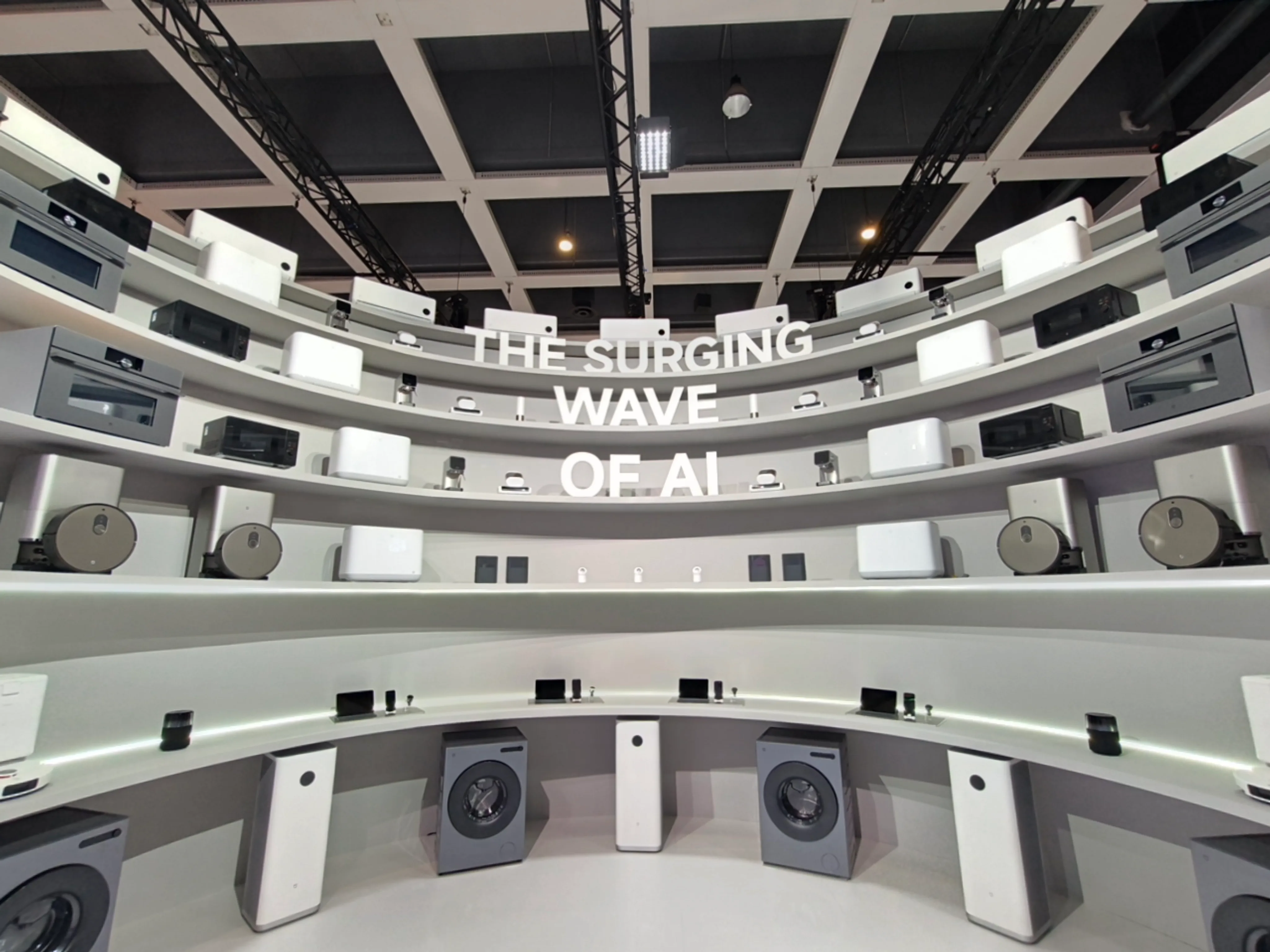
(Image source: LeiTech reporting team on-site)
Lindner believes that the pace of this round of AI‑driven transformation outstrips any previous industrial shift. He bases this conclusion mainly on two factors: first, AI’s capabilities have expanded from the digital world into the physical world; second, model size and energy consumption have dropped to a level that allows them to be integrated into everyday products. Once both conditions are met, AI technology will exert an explosive impact on ordinary people’s lives.
Shrunken‑size models represent a critical step for AI popularization. No matter how powerful cloud‑based large models are, they remain constrained by internet access, computing power and response latency. When inference capabilities are embedded into local chips, AI can respond instantly, while users gain greater control over their privacy. For AI to integrate into daily life, it must first become a stable, reliable feature built into home appliances and other devices. That explains why AI products showcased at this year’s exhibition place far‑greater emphasis on edge‑side computing.
Scenarios envisioned by IFA officials can already be matched with real‑world products at the exhibition. Samsung will unveil its new‑generation AI refrigerator powered by Google Gemini. Its food‑recognition capacity has grown from several hundred categories last year to more than 3,000. The fridge can identify stored ingredients, alert users to items nearing expiry, and actively recommend recipes. LG has built AI into its dishwashers, which automatically select suitable cleaning cycles according to the load size and grease level. Competition over AI‑equipped home appliances has moved past the question of “whether AI is present” and entered a new phase focused on “how well the AI performs”.
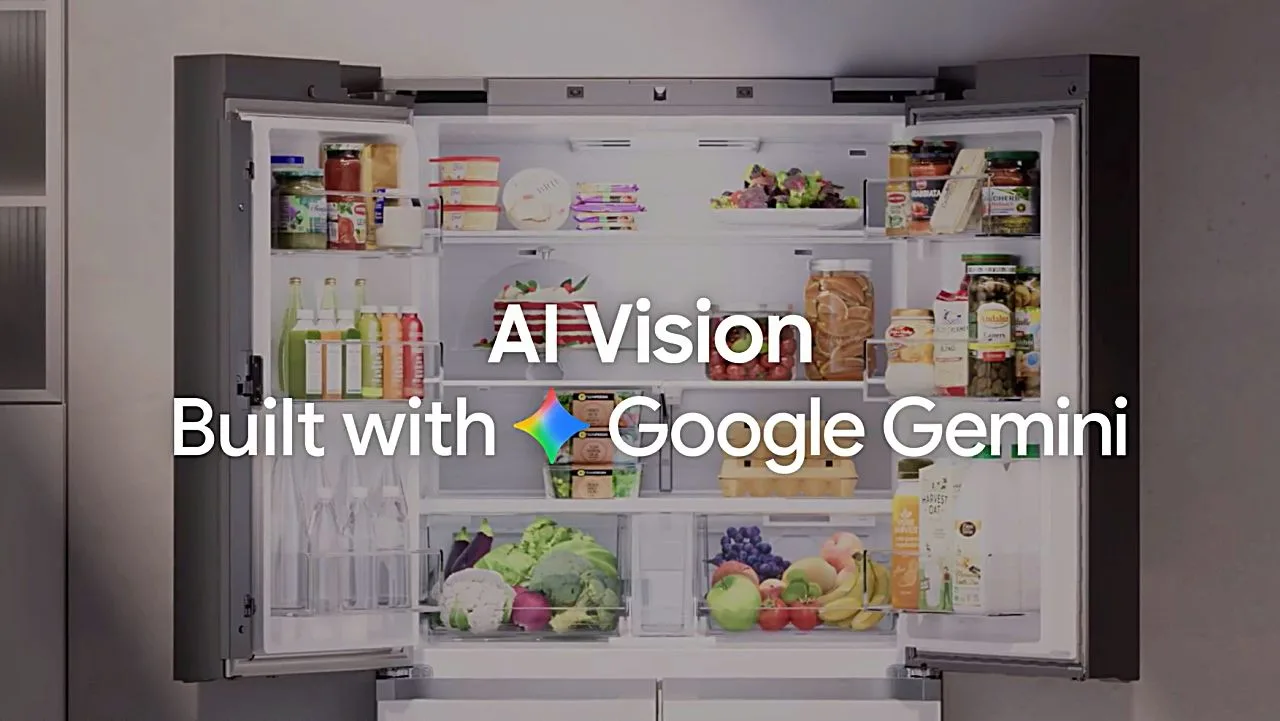
(Image source: Samsung)
In its earlier IFA preview, LeiTech (ID: leitech) categorized AI home appliances by intelligence level: L3 denotes devices capable of proactive service; L4 represents embodied AI systems that interact physically with other appliances and environments. Applying this framework to IFA 2026, L3 appliances—delivering proactive assistance—will dominate the show floor, while L4 products incorporating embodied intelligence will appear in significant numbers. Officially declared “AI entering the physical world,” the evolution in home appliances essentially reflects the transition from L3 to L4.
As home appliances evolve toward Agent‑enabled functionality, demand for inter‑device connectivity is surging amid the AI transformation of conventional smart‑home and whole‑home systems, making multi‑device collaboration far more critical. Against this backdrop, IoT‑focused connectivity products also merit close attention. At this year’s IFA, BroadLink will showcase its bridge device, which unifies multiple smart‑home hardware ecosystems including Apple, Google, Alexa and Samsung via a single piece of hardware.
This trend is unmistakable: AI‑enabled home appliances are no longer a standalone product category, but a default feature built into nearly all devices. Brands that translate AI into practical problem‑solving capabilities for end‑users will win paying customers and gain an edge in the next phase of industry growth. That explains the core message delivered at the official press conference: technology does not drive progress on its own. It can unlock its full potential only when understood, tested, and shaped by people.
This statement also encapsulates the value of IFA. Launched back in 1924, this century‑old trade show is never big on empty promises. Exhibitors at IFA tend to turn technologies into tangible, hands‑on products, and most items on display here eventually reach retail shelves. For this year, organisers aim to turn the slogan “The Future Is Now” into everyday‑life experiences visitors can touch and test inside exhibition halls.
IFA Puts Robots on the Runway, with Embodied Intelligence as a Highlight
Robots stand out as a key product category at this edition of IFA, where attendees will get first‑hand experience of the latest breakthroughs in embodied‑intelligence technology.
IFA officials have organised two high‑profile events. One is RoboCup, where autonomous robots compete in football matches on‑site. The other is Robots on the Runway, during which humanoid and entertainment robots take to the catwalk. This robot runway show will take place on September 5, the second day of the exhibition.
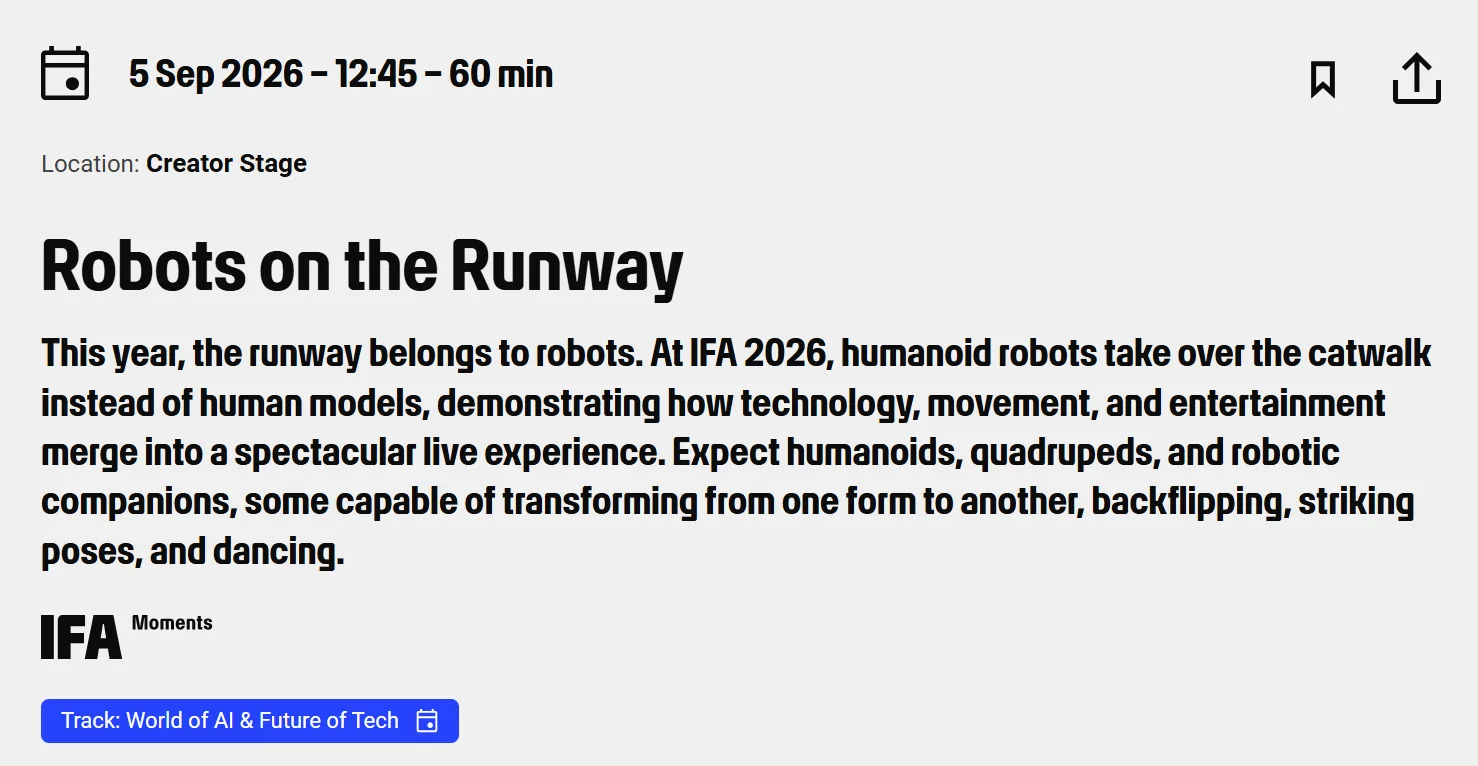
(Image source: IFA)
For an exhibition that originated as a radio‑technology show and has centred on home appliances for more than a century, setting up a dedicated runway for robots signals that IFA has fully recognised the industrial significance of embodied‑intelligence technology. Robots’ growing weight at IFA is also reflected in exhibitor composition. The number of participants in the IFA Next innovation zone has risen from roughly 260 last year to around 300, with robot‑focused enterprises accounting for a substantial share.
Leading domestic Chinese robotics firms including Unitree, Agibot, DeepSeek‑Robotics, QY Robotics and Pudu Robotics have largely made their way to Berlin. New players such as Hangmo Robotics, which develops flexible force‑controlled joints, and DigeBot, specialising in robot “brains”, will also be present in the exhibition halls.
Robots are by no means newcomers to IFA. Over recent years, robot vacuum cleaners, lawn‑mowing robots and pool‑cleaning robots have already secured their place at the event. Robot vacuums even feature prominently on the official list of fast‑growing product categories this year. Though the exhibition halls are yet to officially open, we spotted a huge, eye‑catching billboard for well‑known home‑robot brand Dreame as we approached the venue.
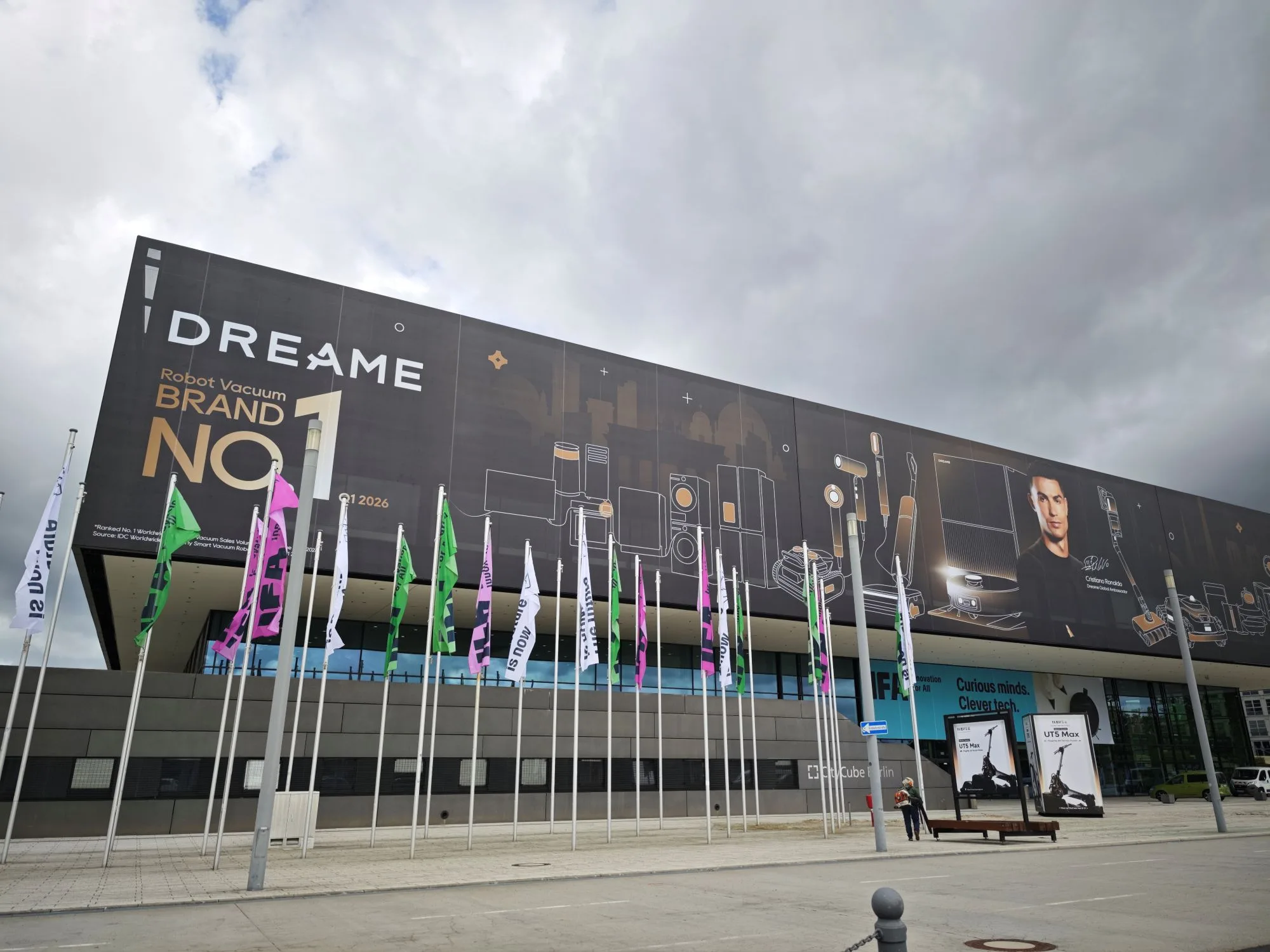
(Image source: LeiTech reporting team on-site)
On the eve of IFA, Narwal officially launched multiple new‑generation cleaning robots including the Freo 20, Freo 20 Edge, Flow 2 and V50 Cube, and unveiled its new‑product development vision centred on "scene‑aware intelligence". According to Narwal, cleaning robots will no longer carry out tasks mechanically based on pre‑built maps. Instead, they will dynamically combine real‑time environmental data with mapped information, intelligently identify varied obstacles, stains and floor surfaces, and switch to the most suitable cleaning mode accordingly.
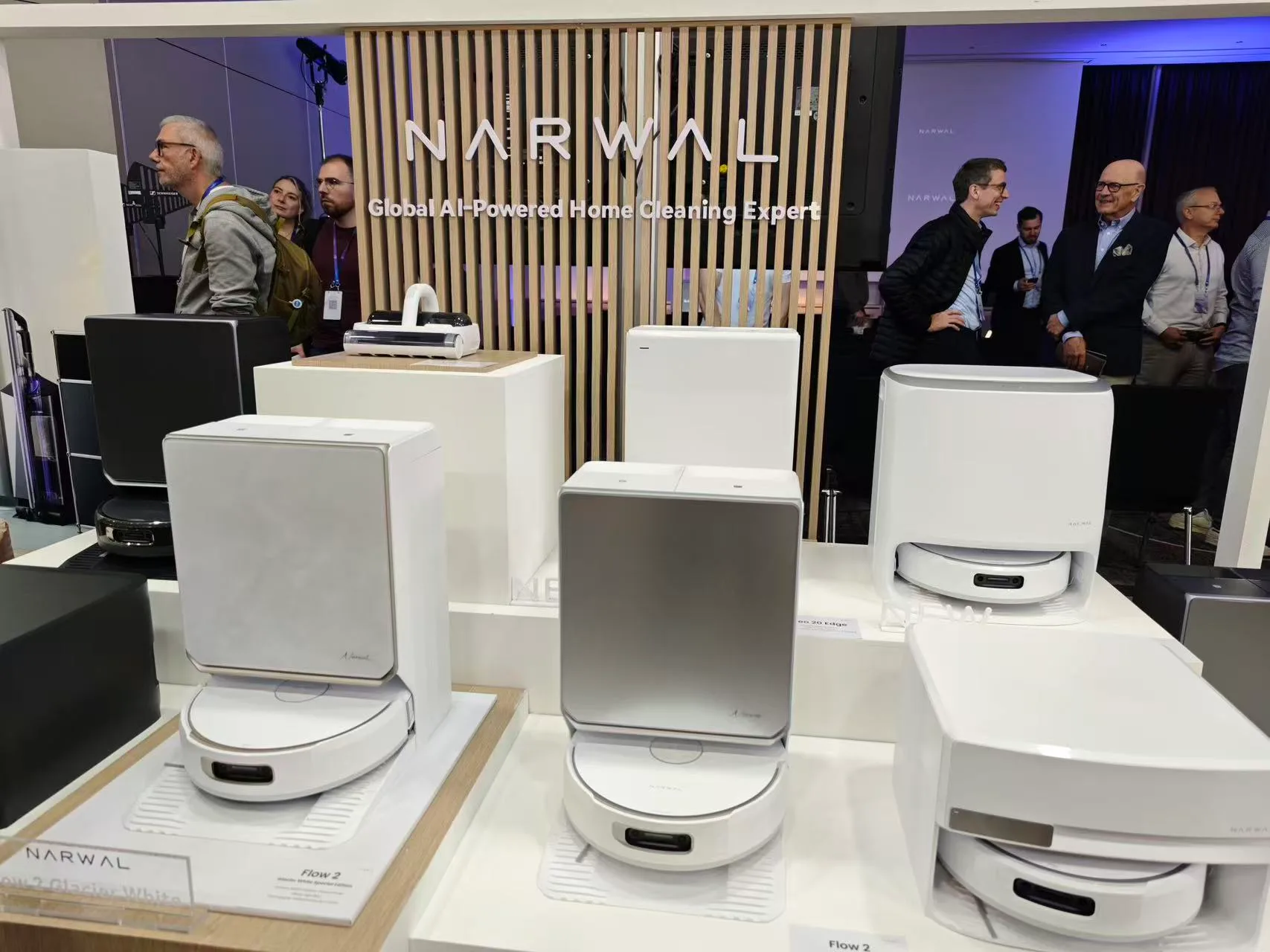
(Image source: LeiTech reporting team on-site)
During IFA, Roborock will put its brand‑new steam‑cleaning technology on centre‑stage. ECOVACS, meanwhile, has brought a full lineup of home‑use robots, including lawn mowers, robot vacuum cleaners and pool‑cleaning robots. The Leitech reporting team, who arrived at the venue ahead of time, has discovered impressive innovative designs on ECOVACS’ pool‑cleaning robot.
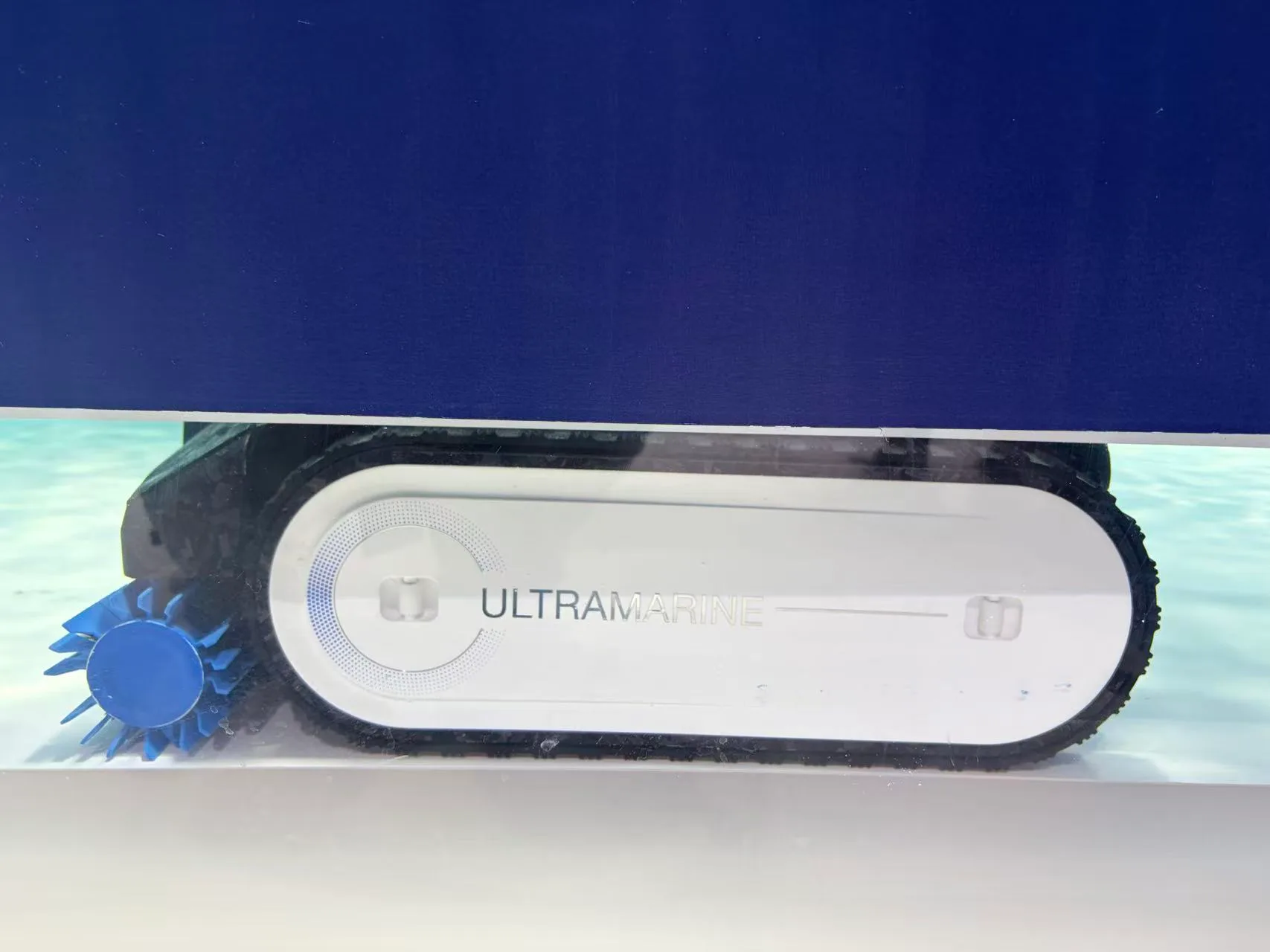
(Image source: LeiTech reporting team on-site)
Specifically, since traditional connection methods such as Wi‑Fi and Bluetooth stop working underwater, the device is paired with a floating repeater on the water surface. The repeater supports solar charging, ensuring long‑time operation without losing connection. Furthermore, this pool‑cleaning robot adopts an underwater laser obstacle‑avoidance solution, which overcomes the technical challenges of LiDAR operation underwater and enables the device to work efficiently inside swimming pools.
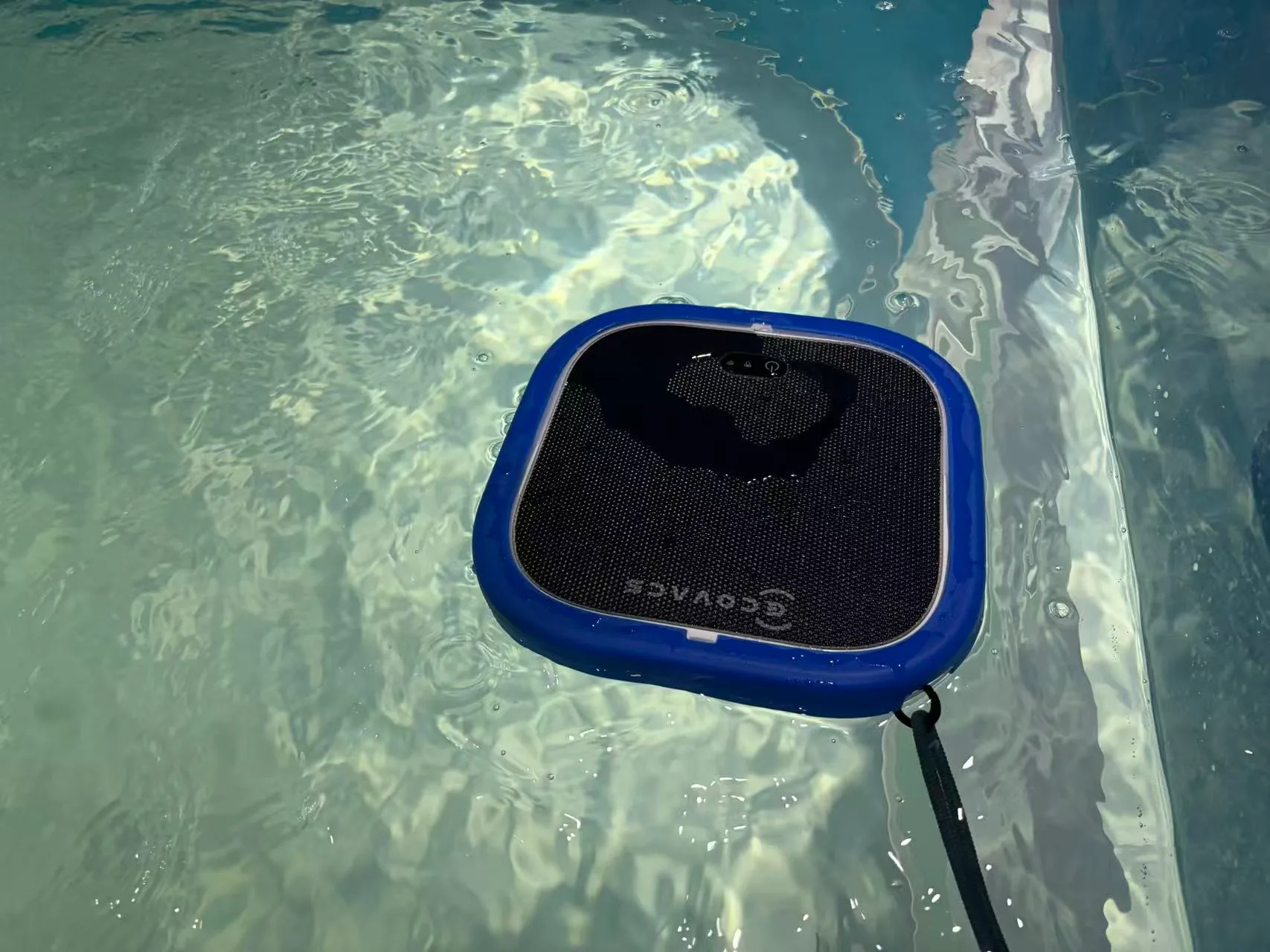
(Image source: LeiTech reporting team on-site)
Besides, robots are making their way into ordinary households, evolving from tools designed for single‑purpose household chores into “quasi‑family members” capable of movement, visual perception and interaction. For instance, at this‑year’s IFA, in addition to showcasing its AI‑powered whole‑home smart solutions, Haier will also bring embodied‑intelligence products such as humanoid robots and AI exoskeletons.

(Image source: Haier)
This trend manifests itself in multiple ways. First, traditional home‑appliance products are undergoing Agent‑driven and embodied‑intelligence upgrades. Washing machines, for example, can now understand human intentions, break them down into specific subtasks and carry them out. Second, household robots represented by robot vacuum cleaners are already handling domestic chores for families. In addition, humanoid robots are starting to enter homes to take over housework. Equipped with dexterous‑hand technology, they can perform physical tasks such as loading clothes into washing machines and taking food out of refrigerators, while also delivering emotional‑companionship functions.
At this year’s IFA, multiple brands will showcase integrated solutions combining embodied intelligence with home‑living scenarios. Robotic arms mounted on household appliances and dedicated service robots mark a major stride toward the vision of eliminating household labour and building zero‑chore homes.
Counter‑Cyclical Market Growth: IFA Sends a Confidence Signal to the Industry
During the pre‑show press conference, Carine Chardon, General Manager of GFU, released a set of market figures, which constituted the most information‑rich segment of the official briefing. In the first half of 2026, revenue of the global technical consumer‑goods and durable‑goods market (excluding North America and Russia) reached USD 430.5 billion, representing a year‑on‑year rise of 6.0 %, or 2.4 % after adjusting for exchange‑rate fluctuations. Such growth is remarkable amid persistent global geopolitical tensions, inflationary pressure and supply‑chain challenges.
It is worth noting that IFA adopts the term “technical consumer goods and durable goods” rather than the more familiar concept of home appliances. This category covers nearly all electrically powered devices, ranging from household appliances to smartphones, cameras and personal computers.
Within this broad sector, small home appliances recorded the strongest growth at 5 %, followed by telecommunications products at 4 % and consumer‑electronics products at 2 %. Officials also highlighted several representative products: built‑in refrigerators, washing machines with steam‑cleaning cycles, semi‑automatic espresso coffee machines, robot vacuum cleaners, AI PCs and large‑screen televisions measuring 75 inches or above.
In its press release, IFA outlined shifting consumer behaviour: shoppers are making more cautious purchasing decisions and keeping their devices for longer periods, yet they are prepared to spend more on genuinely useful innovations. This aligns with Leitech’s (ID: leitech) earlier assessment of IFA. Brighter televisions, smarter household appliances and home‑ready robots are, at their core, innovations centred on the home‑living scenario.
The leading performance of small home appliances is easy to explain. Compared with large home appliances, small‑sized products carry lower price tags and require less decision‑making effort, making consumers more willing to pay for labour‑saving new features. Purchasing a self‑cleaning robot vacuum, for instance, involves far less hesitation than replacing a refrigerator. Novel AI‑powered experiences are also more readily delivered on these smaller devices.
A few extra words are warranted on the large‑screen televisions mentioned by officials. Well‑known Chinese TV brands including TCL, Hisense and Changhong are regular exhibitors at IFA. Multiple television manufacturers have shared preview announcements ahead of this‑year’s event. TCL will showcase its SQD‑Mini LED televisions, Hisense will present its RGB‑Mini LED evo (Linglong 4‑Core True‑Colour Backlight) technology, and Changhong will unveil RGB‑Mini LED AI‑enabled products.
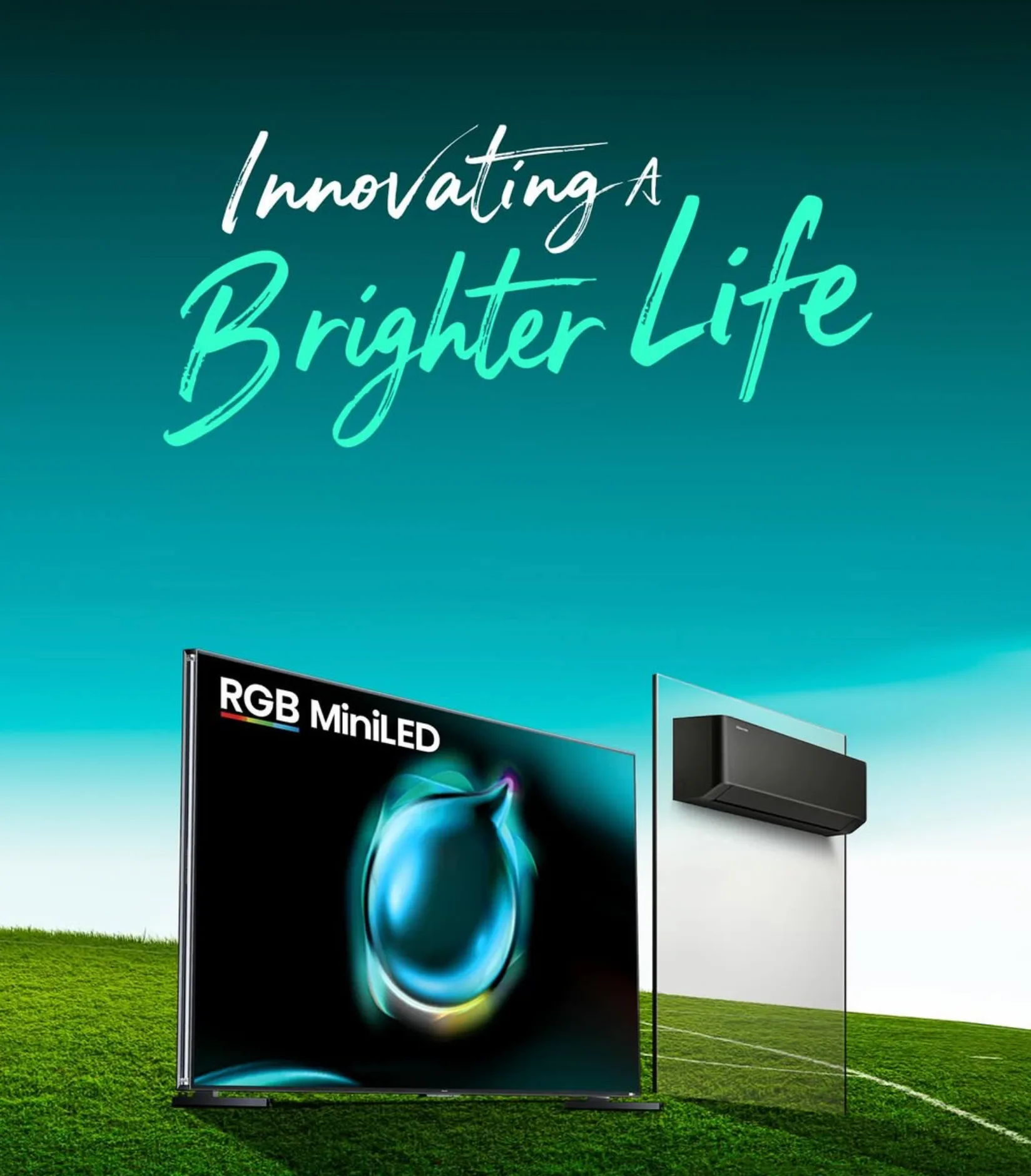
(Image source: Hisense)
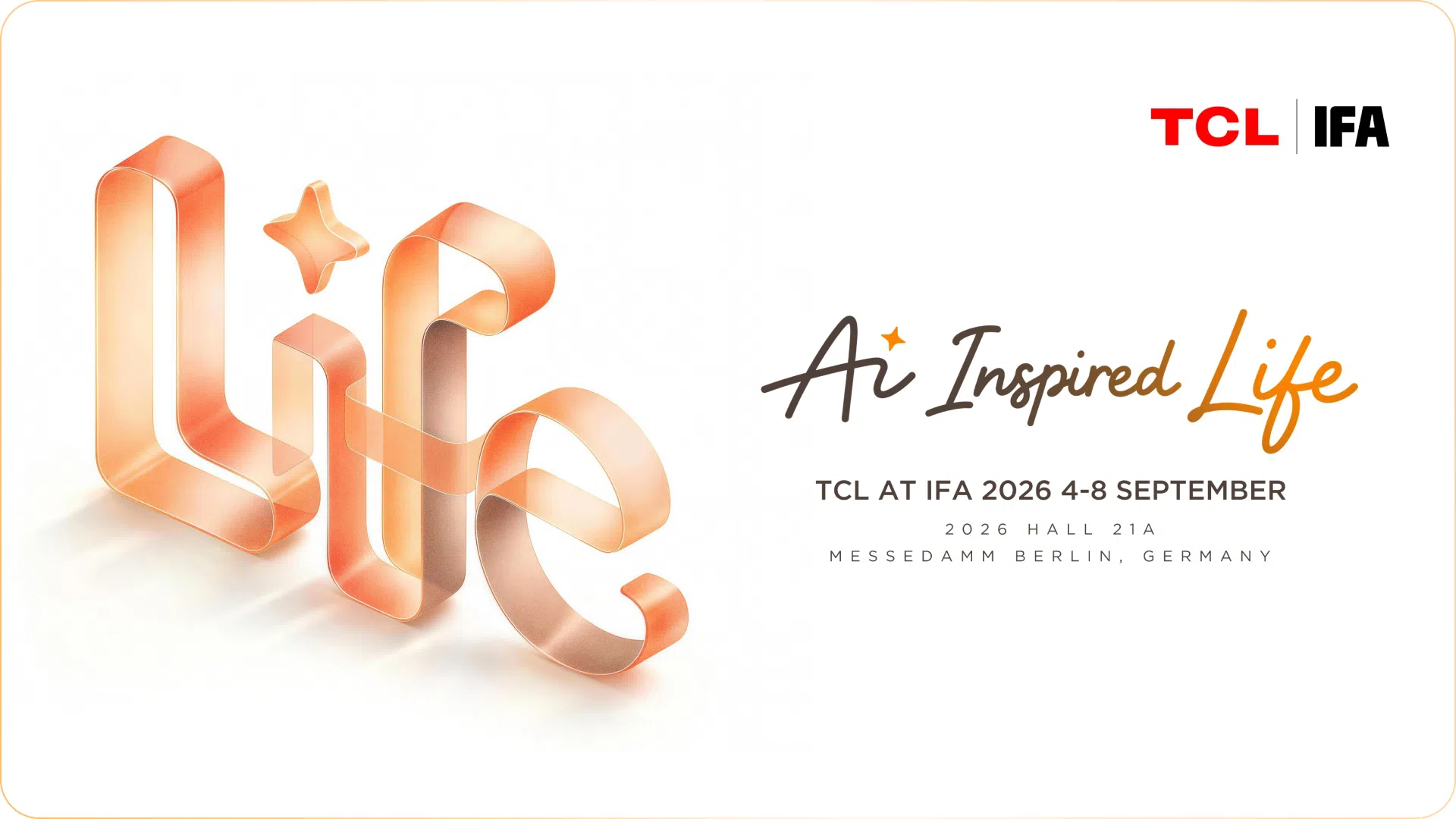
IFA officials have identified three growth priorities for the future: AI‑powered products, robots that simplify daily life, and next‑generation wearables. These three areas happen to be the most crowded tracks on this‑year’s IFA exhibition floor. AI‑enabled products need no further introduction, with AI refrigerators, AI dishwashers and AI PCs lined up for display. Robots designed to make life easier, ranging from robot vacuum cleaners to humanoid robots set to walk the runway, are grabbing plenty of attention one after another. As for next‑generation wearables, alongside smartwatches, TCL will bring its RayNeo smart glasses to Berlin this year. Edge‑side AI is greatly expanding the creative potential for this category of devices.
(Image source: TCL)
Officials stated that “the market is stronger than current sentiment suggests”. Within the context of IFA, this remark carries an additional meaning: following IFA’s long‑standing pattern, once a technology or product makes an appearance here, it is usually just one step away from entering ordinary households. Berlin this year will very likely mark the starting‑point of these new product categories’ journey “into the home”.
For ordinary audiences, the real highlight of this‑year’s IFA lies not in any single specific product, but in what homes might look like in the years ahead. AI is starting to get practical tasks done, robots are poised to move indoors, and consumers are ready to pay for “an easier life”. All of this embodies the official theme of this‑year’s IFA: The Future is Now.
Throughout the IFA event, the Leitech (ID: leitech) reporting team will keep delivering first‑hand on‑site coverage from Berlin. Stay tuned.
From September 4–8, the world’s largest home appliance and consumer electronics exhibition—IFA 2026—will take place in Berlin.
As the “most authoritative new media outlet for IFA coverage,” globally recognized for its deep AI expertise, LeiTech has deployed its highest-spec, largest-ever reporting team to Berlin this year. Adopting a “2+N” model—two live hosts plus multiple on-site editors and remote editorial staff—LeiTech will deliver immersive, real-time, multi-dimensional coverage of IFA 2026, with focused attention on AI agents integrated with home appliances and hardware, robotics converging with home-life applications, emerging digital lifestyle trends across home, car, and personal domains, and the global stage presence of Chinese brands.
The LeiTech IFA 2026 reporting team arrived in Berlin on September 3 to begin preliminary coverage—stay tuned!