 雷科技
雷科技




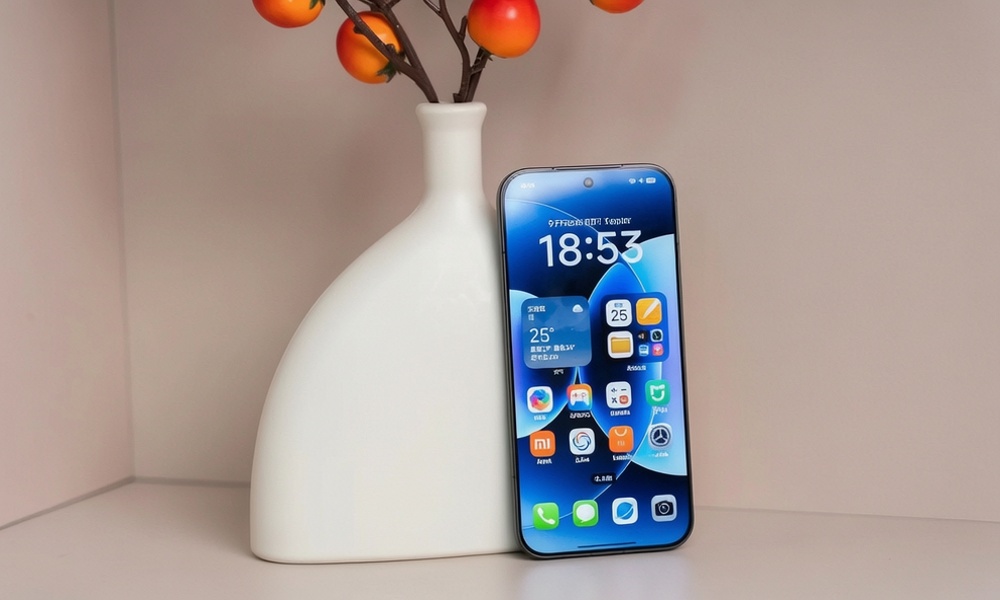

Every September, major domestic and global phone makers roll out their new‑generation flagship handsets. Compared with previous years, however, manufacturers are generally more pessimistic this year.
According to leaks from digital‑content creator @RD Observation, multiple brands have cut their planned flagship production volumes by 30‑50%. The main drivers behind manufacturers lowering projected flagship sales are steadily rising costs and device retail prices.
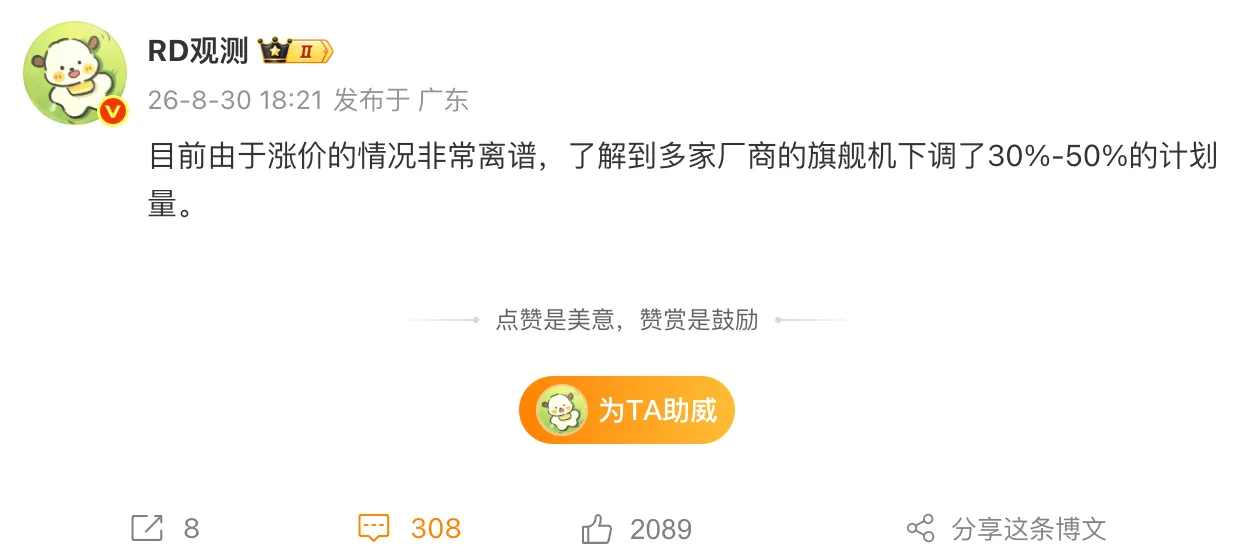
(Image source: Screenshot from Weibo)
A few years ago, the entry‑level price for standard‑edition flagship phones sat at around 3,999 yuan. Currently available models such as the Xiaomi 17, OPPO Find X9 and vivo X300 have launched with starting prices above 4,300 yuan. Upcoming lines including the Xiaomi 18 series, OPPO Find X10 series and vivo X400 series may kick off at roughly 5,500 yuan.
Price hikes and trimmed specifications: the smartphone market is growing increasingly bizarre
Booming AI‑driven demand for memory, flash storage and computing chips has created capacity shortages at wafer foundries, sending storage‑chip prices soaring.
According to digital insider @DigitalChatStation, the procurement cost for a 12 GB+256 GB memory configuration stood at only 500 yuan in the same period last year. This year it has jumped to 2,200 yuan — a staggering 340 % year‑on‑year increase. Storage packages have overtaken the SoC to become the costliest hardware component inside a smartphone. The blogger also added that one brand scrapped its top‑tier variant for a camera‑focused, offline‑oriented model due to mounting memory‑cost pressure.
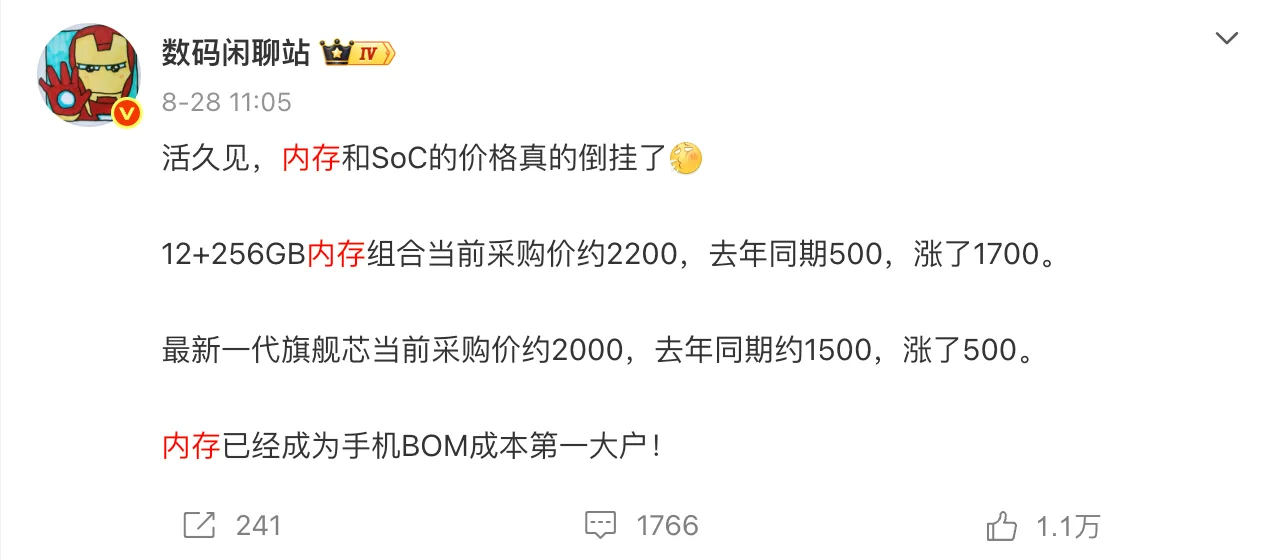
(Image source: Screenshot from Weibo)
According to @RD Observation, mid‑to‑low‑end lines including REDMI Note, OPPO A, vivo Y and Honor X will be priced between 2,500‑3,500 yuan, with 6 GB as the base memory. Mid‑to‑high‑end models such as Xiaomi Digital‑T, OPPO Reno and vivo S series will see price increases to 4,000‑5,000 yuan, starting from 8 GB of memory. For flagships, the starting prices of the base, mid‑range and top‑tier variants will climb to roughly 5,500 yuan, 7,000 yuan and 8,000 yuan respectively.
As for Apple and Huawei, though their products have long commanded higher premiums than mainstream Android brands, they cannot escape the impact of rising memory costs. The iPhone 18 series is projected to go up by 1,500‑2,000 yuan.
Most strikingly, the upcoming flagships are not only getting more expensive but also receiving downgraded specifications. In recent years, the standard configuration for mainstream Android flagships has typically been 12 GB+256 GB, with top‑end variants equipped with 16 GB+1 TB. The new upcoming flagship standards will roll back to 8 GB base memory, while the highest trim will shrink to 12 GB+1 TB.
Apps are growing increasingly bloated these days. Insufficient physical memory makes background‑app killing a prominent issue. While most manufacturers offer virtual‑memory technology, limited flash read‑write speeds struggle to handle frequent app switching and sustained background retention.
Traditionally, phone prices only dropped after launch. Yet since the start of this year, multiple price hikes have taken place across OPPO/OnePlus, Xiaomi, vivo/iQOO, Honor, Samsung and Huawei.
(Image source: LeiTech photography)
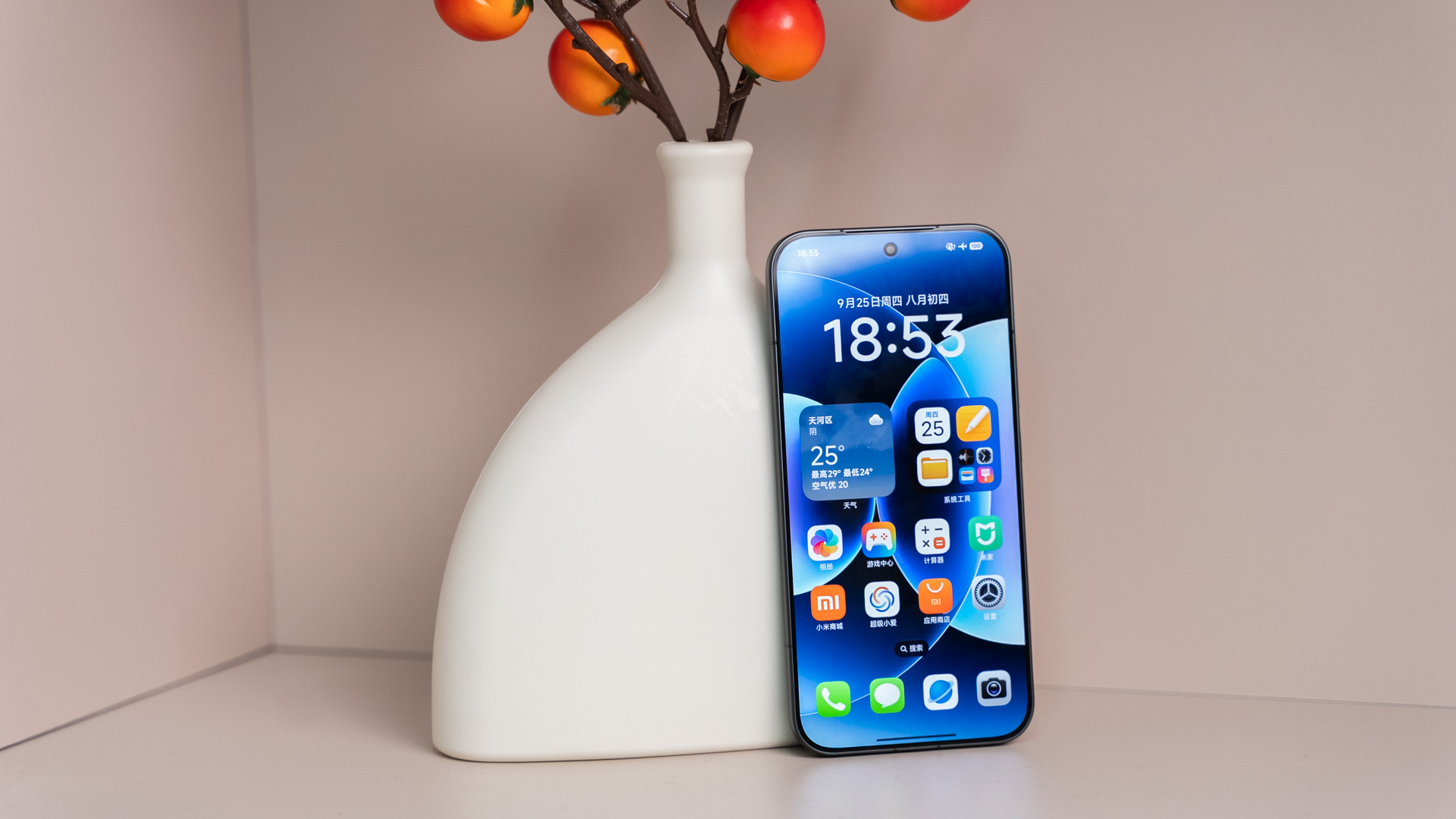
Take the Xiaomi 17 series as an example. The model has seen multiple price increases. Currently, the official starting price of the standard Xiaomi 17 stands at 5,099 yuan, marking a 600‑yuan rise from its launch price. This is a stark contrast to previous years, when new phones would see steep price cuts half a year after release.
Higher‑priced Xiaomi phones have brought an inevitable consequence: sliding sales. According to Xiaomi’s financial report, its smartphone shipments reached only 31.2 million units in the second quarter of this year, a sharp 26.5 % year‑on‑year drop.
Other handset makers are faring no better. Figures from research firm IDC show Chinese vendors shipped around 66.01 million units in Q2, down 4.3 % year‑on‑year. OPPO, vivo and Xiaomi all posted falling sales. Only Apple and Huawei maintained growth; thanks to strong product premium power, they are less affected by surging memory‑chip costs.
Still, Xiaomi, OPPO, vivo and Honor need not envy Apple and Huawei’s high‑end‑market performance. They are being forced to push further into the premium segment themselves.
Xiaomi, OPPO, vivo and Honor Finally Achieve "Premium Expansion" — But It Is Forced
Driven by surging chip prices, smartphones across the board have become more expensive. Entry‑level devices are climbing into price territory once reserved for mid‑to‑high‑end models, while mid‑range flagships are breaking into mainstream flagship price brackets. For instance, the recently released REDMI K100 Pro Max carries a top‑variant price tag of 5,999 yuan — a price point REDMI could hardly reach in previous years.
Mid‑to‑low‑end handsets that once sold for roughly 2,000 yuan have seen their 12 GB+256 GB configurations go up by 1,700 yuan due to memory‑cost inflation, nearly doubling their original price. Flagship phones formerly priced around 6,000 yuan have also increased by 1,700 yuan for the 12 GB+256 GB variant, representing a price hike of less than one‑third. The perceived impact on consumers is entirely different.
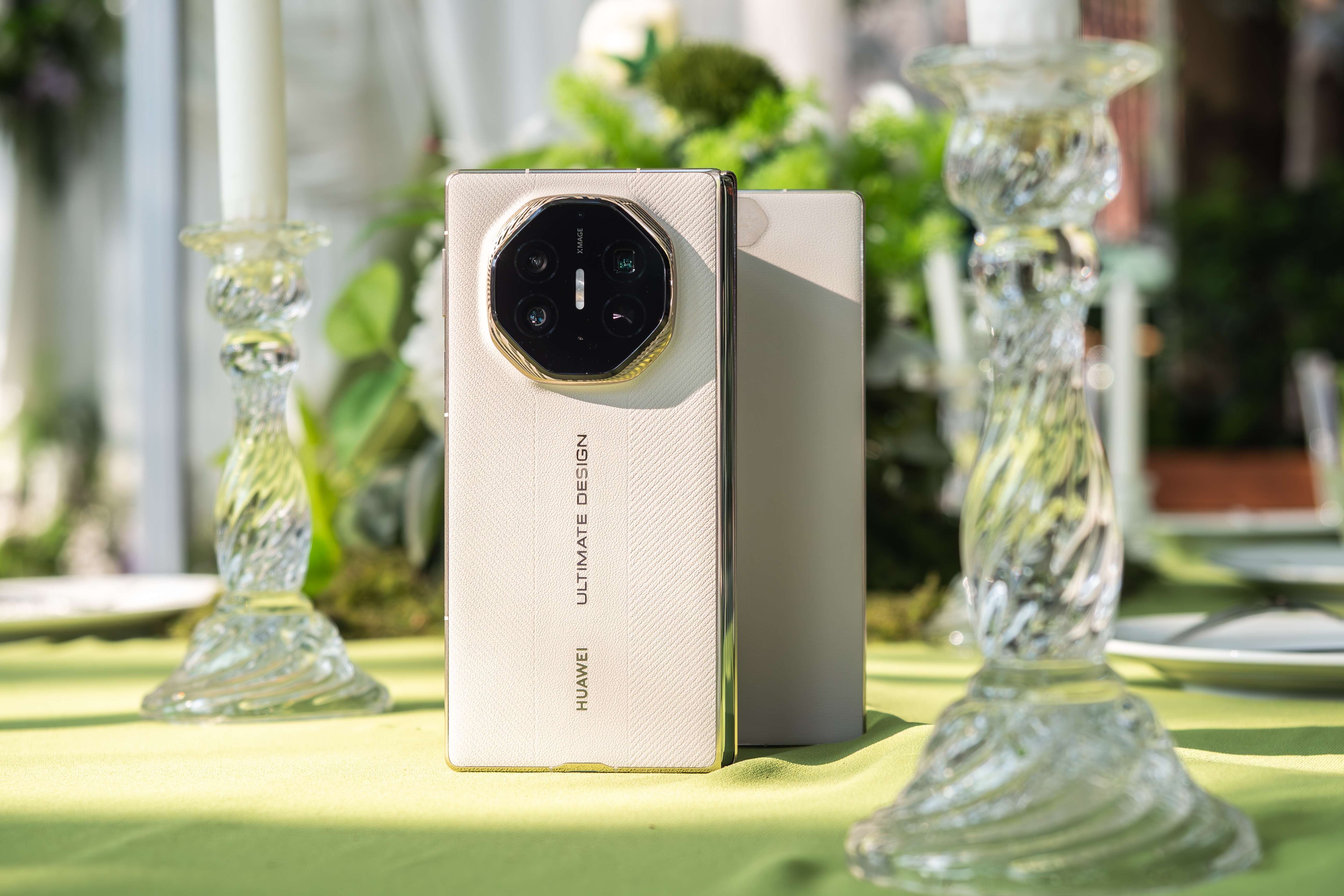
Mid‑to‑low‑end and flagship devices target distinct user groups. Buyers of premium products tend to be less price‑sensitive and generally more resilient against cost‑driven price increases.
(Image source: LeiTech photography)
Again, taking Xiaomi as an example, its average selling price (ASP) for smartphones hit 1,351 yuan in the second quarter, rising 25.9 % year‑on‑year. In mainland China, models priced at 3,000 yuan and above accounted for 32.1 % of its sales for the first time, marking an unprecedented high for Xiaomi. Apple and Huawei’s counter‑trend sales growth also demonstrates that flagships remain resilient amid industry headwinds.
With overall smartphone shipments set to decline, manufacturers must prioritize profit preservation — an objective well‑aligned with high‑margin flagship products. From Leitech’s perspective, this “forced premium push” leaves phone makers both anxious and excited. They worry that narrowing price gaps with Apple and Huawei could lead to head‑to‑head competition they may not win, yet they are thrilled by the opportunity to make further inroads into the premium segment.
Apple has long led the global high‑end smartphone market, with Huawei as its only viable domestic rival. Other Chinese vendors have gained a foothold in premium territory through cost‑performance advantages such as competitive pricing and generous hardware specs, while continuously striving upward via innovative technologies and fresh designs.
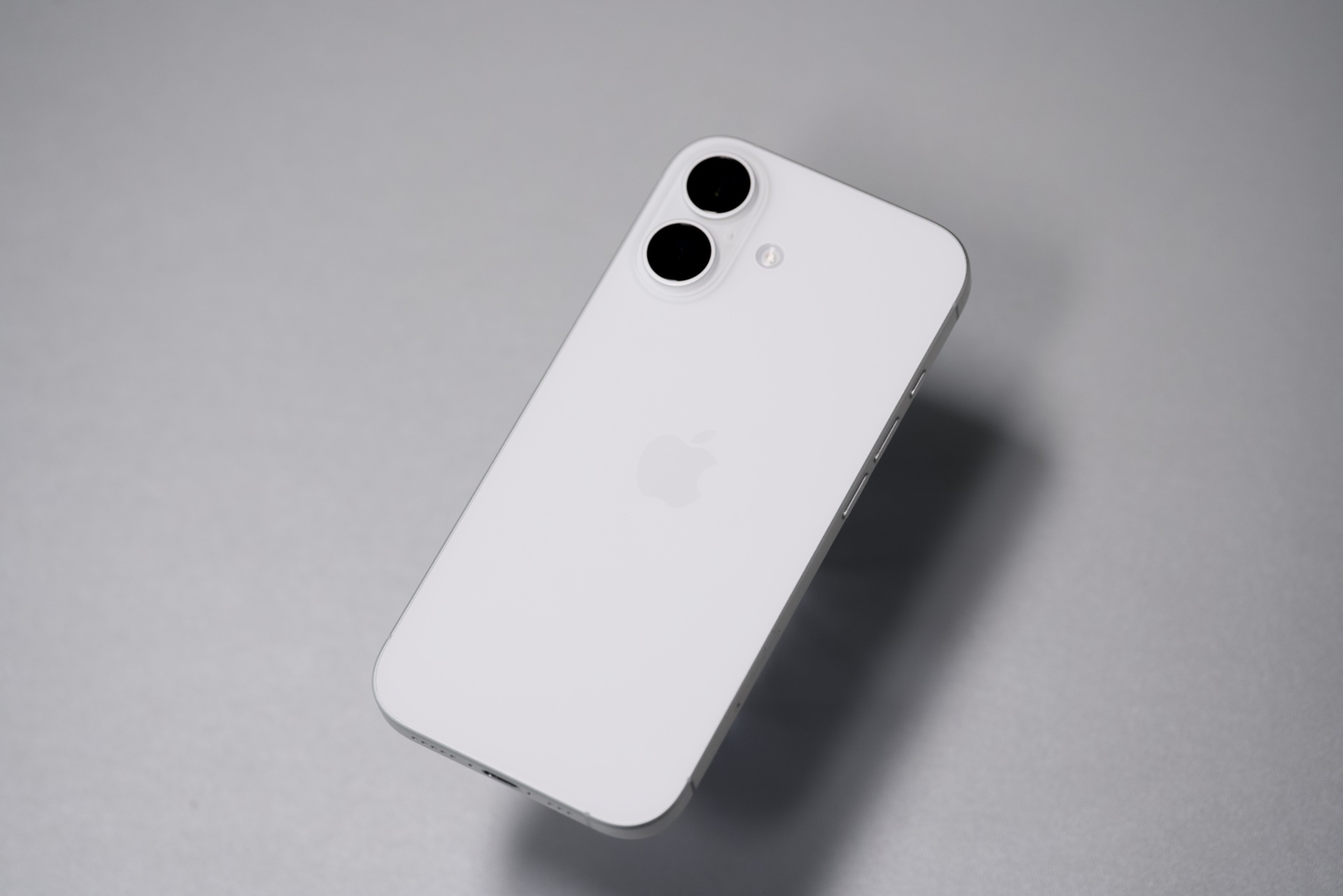
After sharp price increases for Android flagships, the price gap between them and flagship offerings from Apple and Huawei will most likely shrink. This scenario will put Android manufacturers’ product competitiveness to a stern test.
(Image source: LeiTech photography)
Possibly to allocate more chips to the mid‑tier and top‑tier variants, both Xiaomi and Apple have revised their product‑launch strategies this year. Previously, Xiaomi would roll out the base and mid‑tier models first, with the ultimate high‑end variant released at a later date. This year, however, it will launch the mid‑tier version first and delay the standard base model. Apple is following suit: the iPhone 18 Pro / Pro Max will debut this year, while the iPhone 18 and iPhone Air 2 are scheduled for early next year.
This new approach maximizes profit margins in the early launch phase by prioritizing higher‑spec Pro‑grade units for market release. It also eases pressure from tight memory‑chip supply. What is more, the standard edition may hit the market after the current price‑hike cycle subsides.
How Long Will Consumers Have to Wait for Smartphone Prices to Drop?
In July this year, digital insider @DigitalChatStation revealed that several of the top‑six smartphone manufacturers have explicitly rejected memory suppliers’ demands for price increases over the coming months. Multiple enterprises in the B2B market are also dissatisfied with current memory‑chip prices. According to South Korean media outlet News1, OPPO and vivo have turned down Samsung’s proposal for differentiated storage price hikes in the third quarter.
Bernstein’s July storage‑price tracking report stated that contract prices for server DRAM rose 8‑15 % month‑on‑month in July, with an overall Q3 increase of roughly 13‑18 %. Smartphone‑grade DRAM contract prices are set to climb around 10 % in the third quarter. NAND wafer contract prices remained steady in July, while module‑makers focused on inventory draw‑downs, resulting in a sharp contraction in product shipments.
Media reports and investment‑bank research data make it clear that industries across the board are frustrated with the state of the memory market. The pace of memory‑price inflation has cooled noticeably; prices are projected to peak toward the end of this year and may ease next year.
That said, falling memory costs will not automatically translate into cheaper flagship phones. In Leitech’s view, even after memory chips become less expensive, flagships are unlikely to return to their price points of a few years ago. Instead, manufacturers will leverage this period of inflated memory costs to consolidate their position in the premium segment. Still, handset brands will likely adopt a spec‑boosting strategy: as memory prices drop, flagship pricing will better align with hardware specifications.
The 4,000‑to‑5,500‑yuan price bracket will be occupied by upgraded mid‑to‑high‑end models, completing a collective status upgrade for devices spanning mid‑range to flagship tiers. New product lines will fill the vacuum left behind in the low‑end market.
From September 4–8, IFA 2026—the world’s largest consumer electronics and home appliance exhibition—will take place in Berlin.
As the “most authoritative new media outlet covering IFA globally”—widely recognized for its comprehensive AI coverage—LeiTech is dispatching its largest and highest-caliber reporting team ever to Berlin. Deploying a “2+N” model (two live hosts + multiple on-site editors + multiple backend editors), LeiTech will deliver immersive, real-time, and comprehensive frontline coverage of IFA 2026. Key focus areas include AI Agents integrated with home appliances and hardware; robotics technologies converging with domestic life scenarios; emerging digital lifestyle trends across human-device-vehicle-home ecosystems; and Chinese brands’ global stage presence.
LeiTech’s IFA 2026 reporting team members have already begun departing. Stay tuned for our exclusive frontline reports!